

Download the audio
Slide 1. Introduction.
The class develops the symptoms and causes of engine oil pump failure, repair costs, and implications for fleet management.
Slide 2. Oil pump failures.
- Engine oil pump operation.
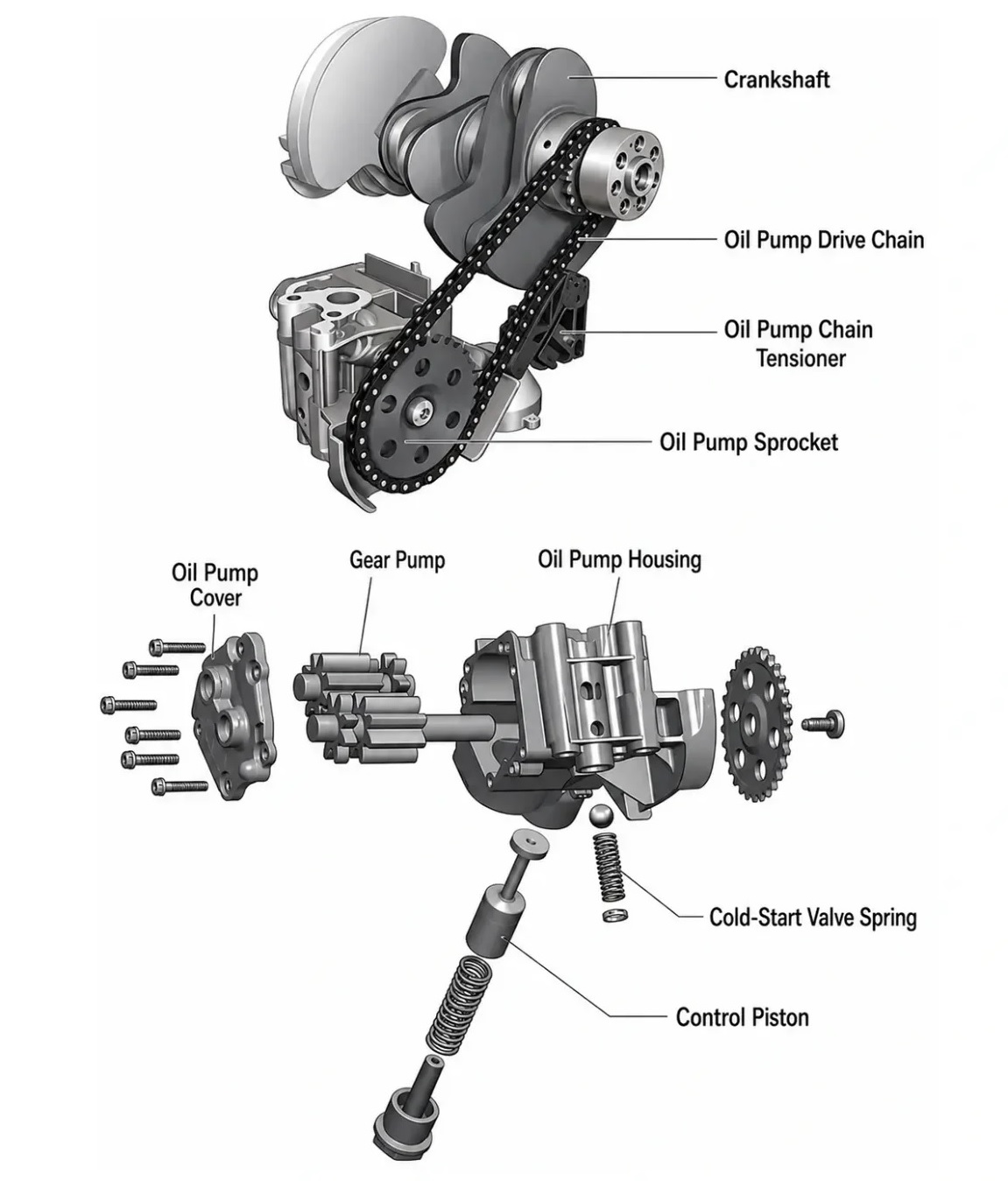
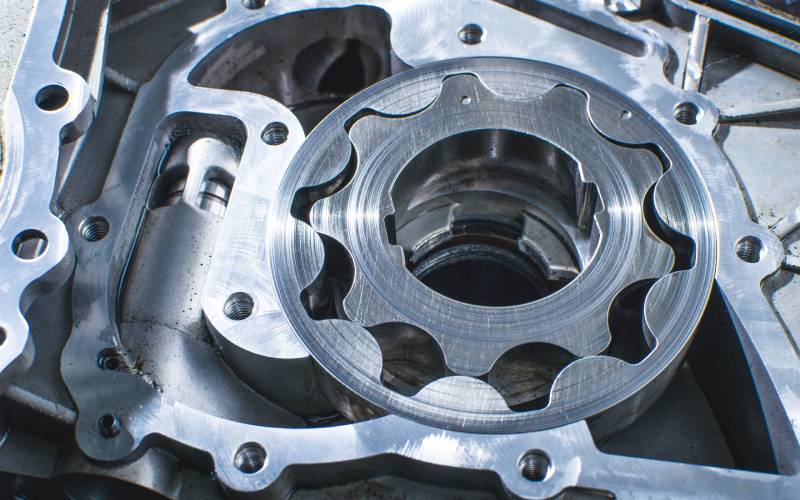
The oil pump ensures lubricant circulation within the engine at the required pressure. If the system fails, components such as bearings, the camshaft, the turbocharger, and other parts can suffer severe damage. If the red oil pressure warning light comes on while driving, it is recommended to stop the engine immediately in a safe location.
Oil is drawn from the sump and then forced into the lubrication channels. A valve regulates the pressure, while the filter traps contaminants.
Low pressure does not always indicate a broken pump; it could be caused by low oil levels, sensor issues, filter problems, incorrect oil, excessive clearances, or intake issues.
If the oil pump does not function correctly, friction occurs across all moving engine parts, leading to overheating.
In most automobiles, the oil pump is located in the engine block, inside the oil sump.
- Damage caused by driving without oil pressure.
Driving with insufficient pressure can damage bearings, the crankshaft, the camshaft, and the turbocharger. In turbocharged engines, the risk is significantly higher because the turbocharger shaft relies on constant lubrication at high speeds. If the failure is detected at a late stage, simply replacing the pump may not be sufficient. If a serious lubrication failure occurs, it is strongly recommended to inspect the oil and filter to check for potential metal particles and assess any secondary damage. It is important to note that a contaminated system can compromise the operation of a new pump. If metallic noises are heard or the red warning light remains on, moving the vehicle without starting the engine is generally far more prudent than attempting to drive it to the repair shop.
- Symptoms of a faulty oil pump.
The main symptoms to watch for are:
- Dashboard warning light.
This is the first sign of a malfunction; if the oil pressure warning light remains on after starting the engine, it clearly indicates a pump failure, and you should take the vehicle to a workshop for inspection.
Do not keep driving to see if it turns off. A lack of lubrication increases friction and temperature, which can cause the engine to seize.
- Low engine oil pressure.
This is a primary indicator of a faulty oil pump; pump malfunction or wear results in inadequate pressure.
- Increased engine temperature.
When the pump circulates oil, the oil acts as a lubricant and cools the engine's metal components. If the engine does not receive sufficient oil, the parts do not cool properly, leading to a rise in engine temperature.
- The car won't start.
This situation occurs in more modern vehicles, specifically those equipped with a low oil pressure switch connected to the ignition system. Consequently, if the pump is not operating correctly, the vehicle's starting mechanism will be disabled.
- Valvetrain noise.
The components of the valvetrain require constant lubrication; if the oil pump is not in good condition, these parts can bind or seize and stop working entirely.
- Strange noises.
This is not always observable, as it typically occurs only when the oil pump begins to fail; however, a faulty oil pump can indeed generate internal noise due to the condition of its gears.
- Noise from hydraulic lifters.
These components are vital for ensuring the optimal operation of the valvetrain, as they can only function effectively under proper lubrication conditions. If the oil pump fails to operate correctly, these components will not receive the necessary lubrication, which can lead to abnormal noise.
- Causes of oil pump failure.
- Failure to replace the oil filter.
This leads to the presence of debris in the system, directly affecting the pump and, consequently, the required pressure.
-
- Failure to change the oil.
Changing the engine oil is crucial; neglecting to do so can lead to oxidation and temperature fluctuations, resulting in increased friction between components.
-
- Deterioration of seals.
Failing to inspect rubber components over time is a mistake; replacing them when necessary can significantly extend the service life of many parts.
-
- Inadequate maintenance.
This can cause sludge buildup. If the engine loses oil, there is a risk that the pump may draw in air.
- Common oil pump failures.
The most common oil pump failures are directly linked to a lack of pressure, oil filter deterioration, and the presence of foreign matter in the lubrication system. With this in mind, the most frequent faults associated with this component are:
1. Oil leakage through the gasket or seal.
Cars can experience various types of leaks; oil loss is one of them, often caused by excessive temperatures and the loss of flexibility in the oil pump's gaskets and seals. Fixing this issue simply requires replacing the gasket.
2. Excessive engine RPM.
Revving the engine excessively forces the oil pump to operate at higher speeds, increasing wear and tear and causing pressure irregularities.
3. Oil pump overheating.
This is primarily due to the presence of impurities in the system, which cause the component to stop pumping lubricant; this leads to a drop in oil pressure, triggering a succession of problems.
It is essential to check the oil level according to the manufacturer's established procedure, as an inaccurate reading could be mistaken for a fault in the pressure or the lubrication system. The workshop checks the level, the sensor, and the pressure using a pressure gauge. Actual mechanical pressure serves as the standard reference in this regard.
- How to check oil pump pressure.
You can determine if the pump's main issue lies with pressure in the following way:
1. Measure the actual pressure using a pressure gauge.
Then, compare it with the values recommended by the vehicle manufacturer.
2. Oil pan condition.
You can check the condition of the component by observing the oil level and the quality and performance characteristics of the lubricant used.
3. Pump location.
If the pump is not positioned correctly, it will likely not function properly. Therefore, you must verify the component's position and ensure the correct number of mounting bolts is used.
4. Metal particles.
You must remove any particles that could cause pump deterioration or damage.
5. Engine block pressure.
You must check if the engine is driving the pump; if not, take the necessary steps to ensure it does.
- How to check for particles in the gear circuit.
One factor that can cause a vehicle's oil pump to fail is the presence of foreign particles in the gear circuit. To prevent damage to other components, it is essential to consider the main causes of this problem, which are as follows:
1. Poor condition of gasket sealant.
Many oil pumps are secured using gaskets and a special silicone sealant; if this sealant becomes dislodged or obstructs the system, pressure problems will arise.
2. Wear on valve seals.
Over time and with use, seals become brittle; they can break and fall into the lubrication circuit.
3. Oil deterioration.
An oil filter in poor condition or excessively worn can introduce dirt, metal particles, and other substances into the lubrication system that affect overall operation.
- How to diagnose an oil pump failure.
If a red oil pressure warning light appears, it is crucial not to simply replace the pump; instead, perform a thorough assessment of the oil level and measure the actual pressure using a pressure gauge. Certain operational issues—such as a faulty sensor, a clogged filter, a stuck valve, or internal clearance issues—can present similar symptoms. It is important to note that pressure fluctuates depending on temperature and engine speed (RPM). Therefore, the workshop must meticulously compare the measured pressure against the manufacturer's specifications for that specific engine.
If the warning light activates during braking or cornering and then disappears, the issue is likely a low oil level. The oil shifts within the sump, potentially leaving the oil pickup exposed momentarily. In this case, it is recommended to stop the vehicle, wait the required time, and check the oil level using the proper procedure before restarting the engine.
- Which components should be checked in addition to the pump?.
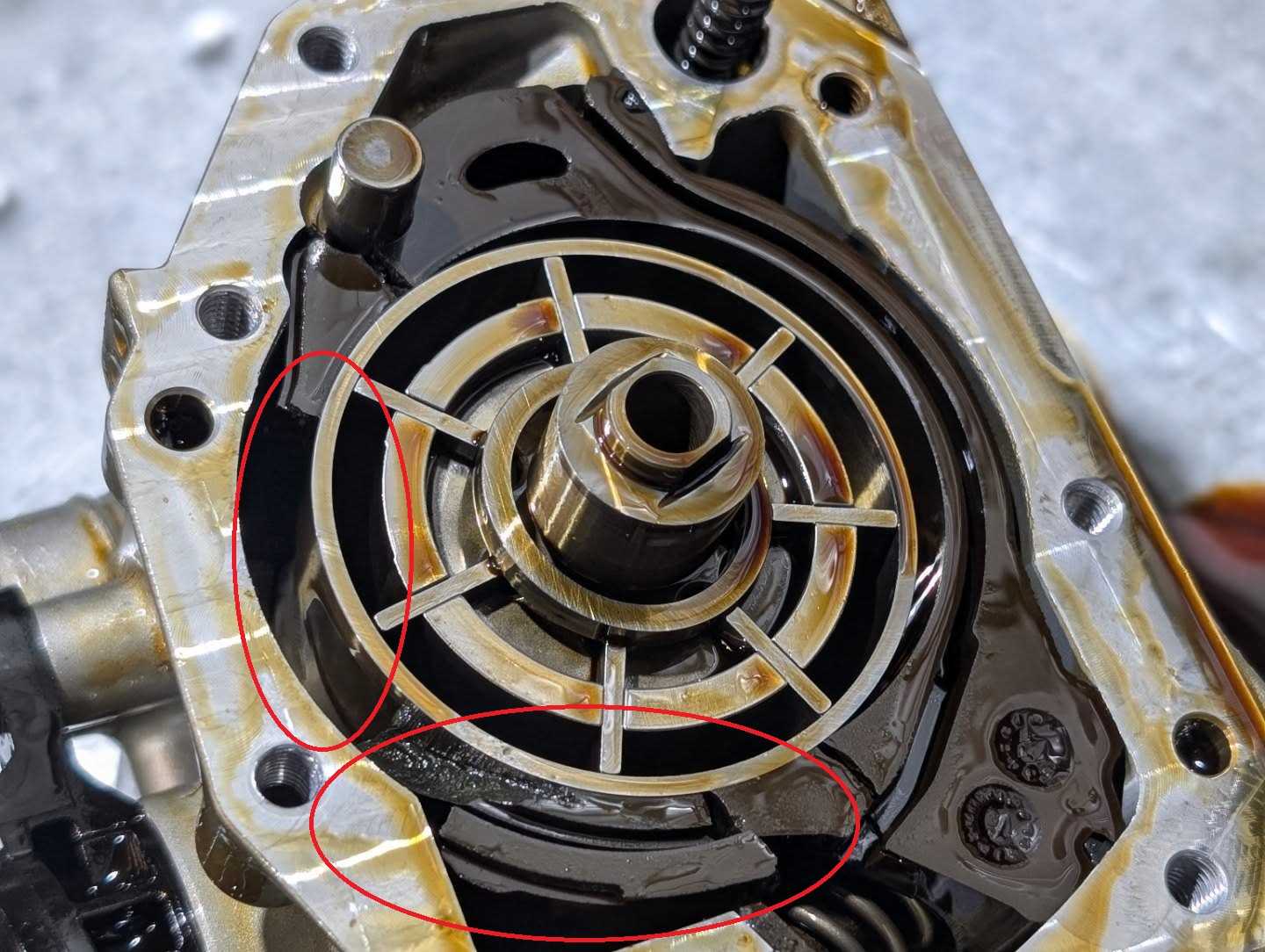
To ensure an accurate and comprehensive assessment, the diagnosis must cover all relevant components, such as the oil pickup tube, gaskets, filter, pressure regulating valve, pressure sensor, and the condition of the lubricant. A clogged or unsuitable oil filter can disrupt the system, as can engine oil viscosity or specifications not approved by the manufacturer.
Modern engines feature variable-displacement pumps and control systems that adjust pressure based on engine load. An electrical fault or a control valve issue can result in incorrect pressure even if the pump gears themselves are undamaged. Consequently, replacing parts without prior measurement can increase repair costs without resolving the root cause.
- How much does it cost to repair or replace the oil pump?.
There is no fixed price. While the part itself may be affordable, labor costs depend on how easily the oil pump can be accessed within the engine. Repair costs can vary significantly, ranging from several hundred euros to over 1,000 euros for complex engines.
Damage to the crankshaft, bearings, or turbocharger may occur. It is important to note that 5W-30 oil should only be used if it meets the engine's specific requirements; viscosity alone does not guarantee compatibility or correct pressure.
- When repair is worthwhile and what the quote should include.
The repair price is determined by several factors, including pump accessibility, engine design, and—crucially—whether the failure has damaged other vehicle components. The work might be limited to replacing the pump and related parts, or it could require more extensive repairs involving the turbocharger, bearings, or internal engine components. Therefore, the quote should itemize the various costs, including labor, oil, the filter, gaskets, and post-repair checks.
It is crucial to confirm the terms and conditions of the repair before making payment. The workshop must carry out several essential procedures before releasing the vehicle. These include verifying system pressure under both cold and hot conditions, thoroughly inspecting for leaks, meticulously cleaning the oil circuit, and addressing any secondary damage. If the engine has been run without oil pressure, it is recommended to ensure this is documented in the diagnostic report.
- Maintenance that helps prevent future lubrication-related failures.
To prevent system damage, it is crucial to use a lubricant that meets the exact specifications set by the manufacturer, adhere to recommended oil change intervals, and use appropriate filters. It is important to note that a 5W-30 viscosity rating alone does not guarantee the oil's compatibility with the engine; the oil must also meet the required manufacturer approvals.
It is recommended to check the oil level between changes and address any leaks to prevent the pump from drawing in air. Likewise, extending oil change intervals excessively should be avoided, as the accumulation of sludge and deposits can compromise the proper functioning of the oil pickup system. If the red oil warning light on the dashboard illuminates, immediate action is required, as this indicates the need for urgent mechanical attention. Prompt action is essential to prevent an internal fault—which might otherwise be repairable from escalating into a more complex and costly issue.
- Fleet management implications.
The primary consequence of an oil pump failure is increased friction among the engine's moving parts, leading to a rise in temperature that can cause the engine to seize.
Implementing the following measures is recommended.
1. Preventive maintenance.
Engine maintenance must be performed according to the vehicle manufacturer's instructions and within the established timeframes.
Only the oil recommended by the vehicle manufacturer—specifically premium brands—should be used.
Engine oil pressure must be checked using a pressure gauge and compared against the manufacturer's recommended values.
2. Driver training.
Drivers must be trained on the consequences of low oil pressure, the appropriate course of action, and how to top up the engine oil.
This training can be conducted in person, via e-learning, etc.; additionally, it is recommended to provide a manual in print or PDF format for quick reference at any time.
It is crucial that, should the low oil pressure warning light illuminate on the dashboard, the driver stops the vehicle immediately and checks the oil level.
The low oil pressure light often comes on because the oil level has dropped below the recommended amount; in such cases, the driver must top up the engine oil.
It is recommended that a one-liter bottle of oil be kept in the vehicle for topping up when necessary.
If the oil level is not the cause, the vehicle should not be driven; a tow truck will be required to transport the vehicle to our workshop or an external repair shop.
3. Telematics and remote diagnostics.
Modern vehicles are equipped with oil pressure sensors and, in some cases, oil level sensors. By using telematics and remote diagnostics, it is possible to detect low oil pressure in real time. If the vehicle shows low pressure, the driver must be contacted and instructed to stop the vehicle immediately; they must check the oil level and top it up if necessary.
4. Vehicle inspection.
Before using the vehicle, the driver must check specific mechanical components such as the tires, seatbelts, bodywork, etc. This checklist can be a printed document or an app on a mobile phone or tablet.
A crucial step before using the vehicle is checking the engine oil level; if the level is below the recommended amount, the driver must add oil until the correct level is reached.
It is recommended that the vehicle carry a one-liter bottle of oil for topping up in such cases. If one is not available, the driver must inform the workshop manager or fleet manager that the oil level is below the recommended limit.
Slide 3. Thank you for your time.
The class has developed the symptoms and causes for early detection of engine oil pump failure, repair costs, and implications for fleet management, see you soon.