
Reasons Why Hybrid Vehicles Lose Power—and How to Prevent It
Loss of power in hybrid vehicles is a common complaint among drivers who have used this technology for years or have covered high mileage. This issue does not appear suddenly; rather, it develops progressively: the vehicle’s response becomes less sharp, acceleration feels more sluggish, and regaining speed takes longer.
In everyday driving, this decline is particularly noticeable in urban environments or when merging onto roads—situations where the system should provide an extra boost, which, unfortunately, seems to fade away. The driving experience loses some of its characteristic smoothness, and the vehicle as a whole feels less efficient and capable. For many drivers, this serves as the first sign that the hybrid system has lost effectiveness over time.
5 Key Factors and Their Solutions.
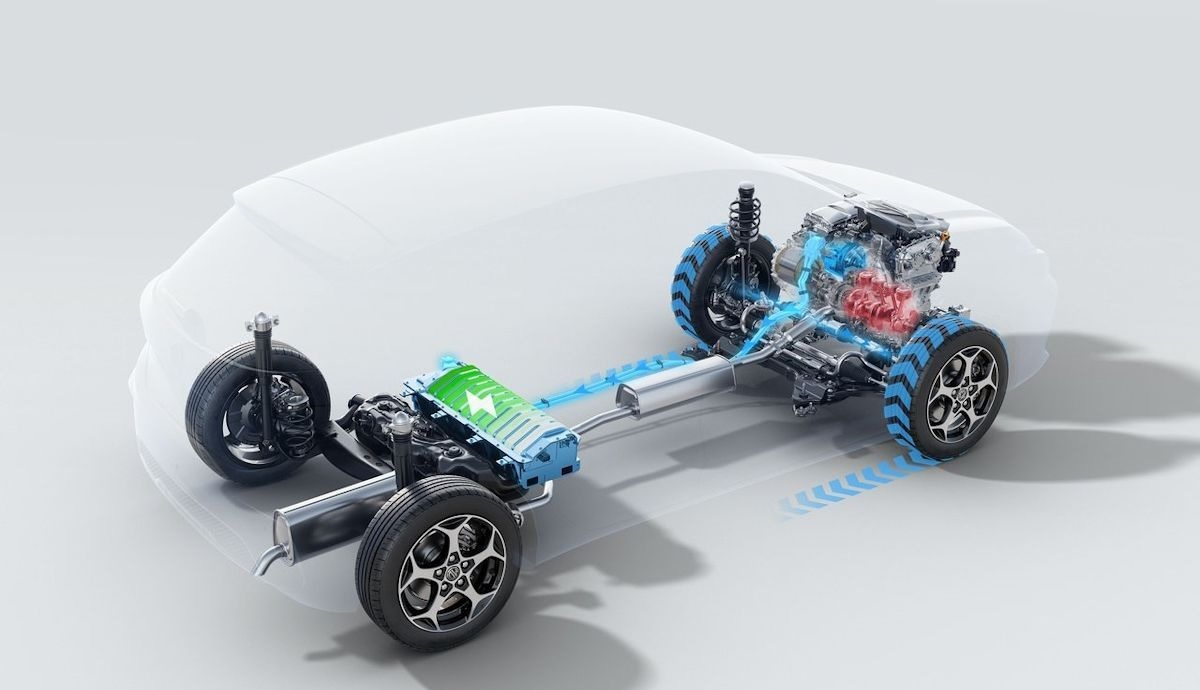
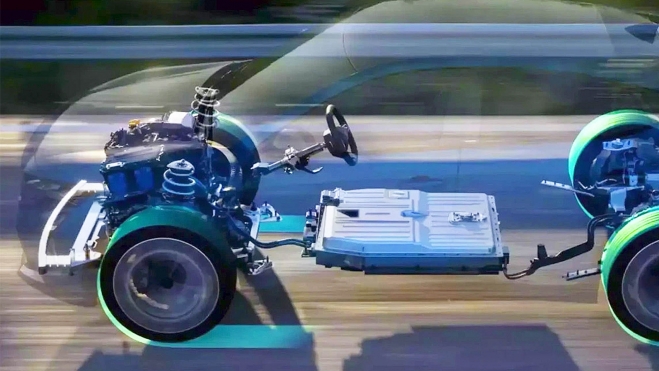
A hybrid vehicle does not experience a sudden drop in its operational capacity. Instead, a gradual decline in electric assistance and perceived thrust is common, stemming from the aging of the traction battery, thermal management issues, and wear on mechanical components. The longevity of a hybrid vehicle depends on the optimal interaction between its internal combustion engine, electric motor, battery, and software.
The 5 technical factors to monitor:
- High-voltage battery degradation. Through repeated charge and discharge cycles, the battery loses capacity and, crucially, power delivery—a phenomenon known as "power fade." This reduces the level of electric assistance.
- Poor thermal management. High temperatures or inadequate cooling force the system to limit power output to protect the battery and electronic components.
- Electronic system (BMS) limitations. The battery management software may restrict energy output when it detects wear, cell imbalances, or suboptimal operating conditions.
- Internal combustion engine wear. A loss of efficiency, reduced compression, or degraded engine oil can negatively impact the overall performance of the hybrid system.
- Issues within the auxiliary electrical system. The inverter, wiring, or 12V battery can indirectly affect the system's operation and limit the available power.
The battery is the primary factor. The National Renewable Energy Laboratory (NREL) notes that operating temperature is critical: heat accelerates degradation, while cold reduces both power and capacity. Furthermore, battery aging models identify state of charge and depth of discharge as variables that influence service life and "power fade"—the loss of available power.
For plug-in hybrid vehicles, maintaining a reasonable usage routine is crucial to ensuring optimal performance. Battery longevity is negatively impacted by continuous operation under extreme conditions or exposure to excessive temperatures. In practical terms, this means avoiding habits that could harm the electrical system and ensuring that the charging process remains efficient and stable.
As for 48-volt micro-hybrids, while the issues involved differ, the phenomenon is nonetheless real. Prolonged periods of disuse can cause the battery to reach a critical state. Although these vehicles do not experience power loss linked to aging in the same way as older, naturally aspirated cars, a reduction in electrical assistance may occur if the vehicle is used improperly or left idle for an extended period.
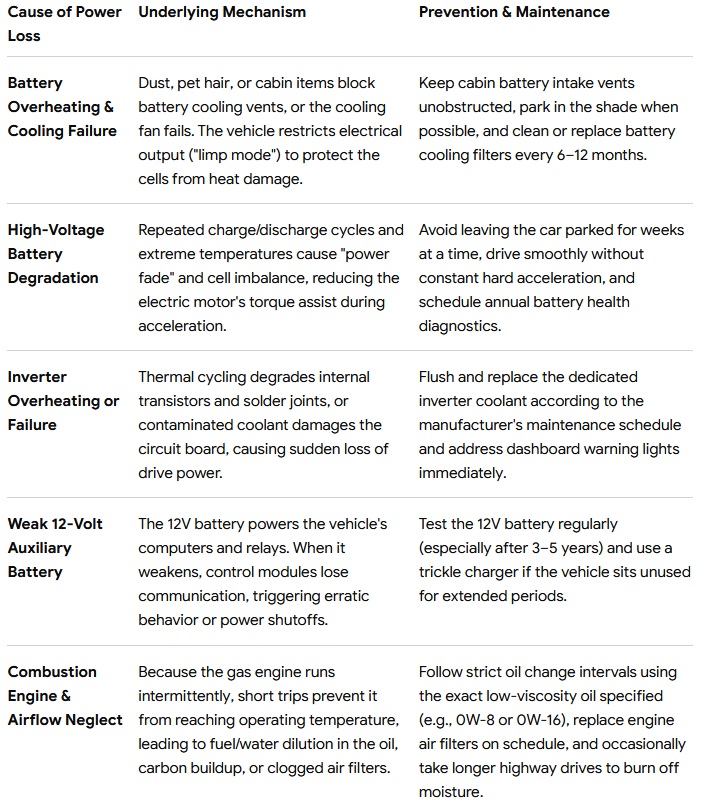
Internal combustion engines undergo a process of deterioration over time; in a hybrid vehicle, this process occurs under specific conditions. The engine is started and stopped repeatedly, and in urban environments, it often fails to maintain its optimal operating temperature. Toyota, a leader in this technology, warns that engine oil can degrade due to heat, pressure, and contamination. Furthermore, the company notes that driving on short trips or under demanding usage conditions may necessitate more frequent maintenance. Therefore, it is essential to use the correct oil viscosity and adhere to the scheduled maintenance intervals—not merely as a formality, but as an effective strategy to preserve the vehicle's performance.
The battery cooling process is also critical. Toyota’s manuals emphasize the importance of keeping the hybrid battery’s air intakes unobstructed; blocking them can hinder energy flow, thereby compromising the system's performance. Additionally, it is recommended to periodically clean the intake grilles and filter using a vacuum cleaner to prevent blockages caused by dust or dirt.
Regarding durability, Toyota has extended the warranty for the hybrid battery to 10 years or 150,000 miles (approximately 241,000 kilometers), while maintaining an 8-year or 100,000-mile warranty for other hybrid components. While it cannot be claimed that power output remains perfectly constant over time, proper maintenance ensures that any natural degradation of the system occurs only gradually.
To prevent a loss in performance, it is essential to perform regular maintenance, use the appropriate oil, keep cooling intakes clean, monitor temperatures, and ensure that all scheduled inspections are carried out on time. In a hybrid vehicle, much of the power loss is not inevitable and is typically the result of a combination of heat, wear, and neglect.