
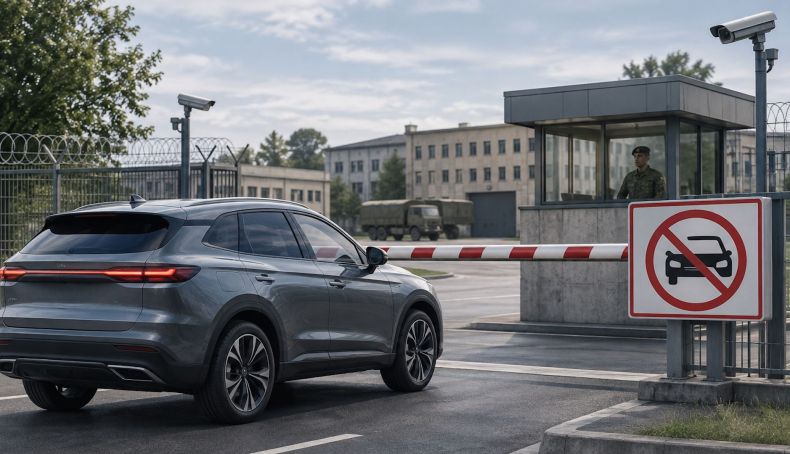
Chinese Electric Cars Banned from Military Bases
Tensions surrounding Chinese-made vehicles are intensifying within military installations. You may have heard reports about the recent bans on these vehicles at various military bases across different countries; however, it is worth understanding the reasons behind this measure.
The catalyst for these developments originated in Norway. During military maneuvers in Oslo in September 2026, the Norwegian military discovered that rented Chinese electric cars—specifically from the brand Deepal—were recording troop movements, training exercises, and even access codes for secret bases. This discovery triggered an immediate alert.
As an example, the United States has prohibited BYD vehicles—whether privately owned, taxis, or delivery vehicles—from entering its strategic Kadena Air Base in Japan, citing the risk of security leaks through the vehicles' onboard sensors. Other nations, including the United Kingdom, Poland, and Denmark, have implemented similar restrictions at their own facilities.
In Spain, the Ministry of Defense and the CNI (National Intelligence Center) have expressed concern regarding the construction of a Chinese electric vehicle plant at the port of Ferrol—located just five kilometers from a key Naval facility—though no restrictive measures have been adopted there as of yet.
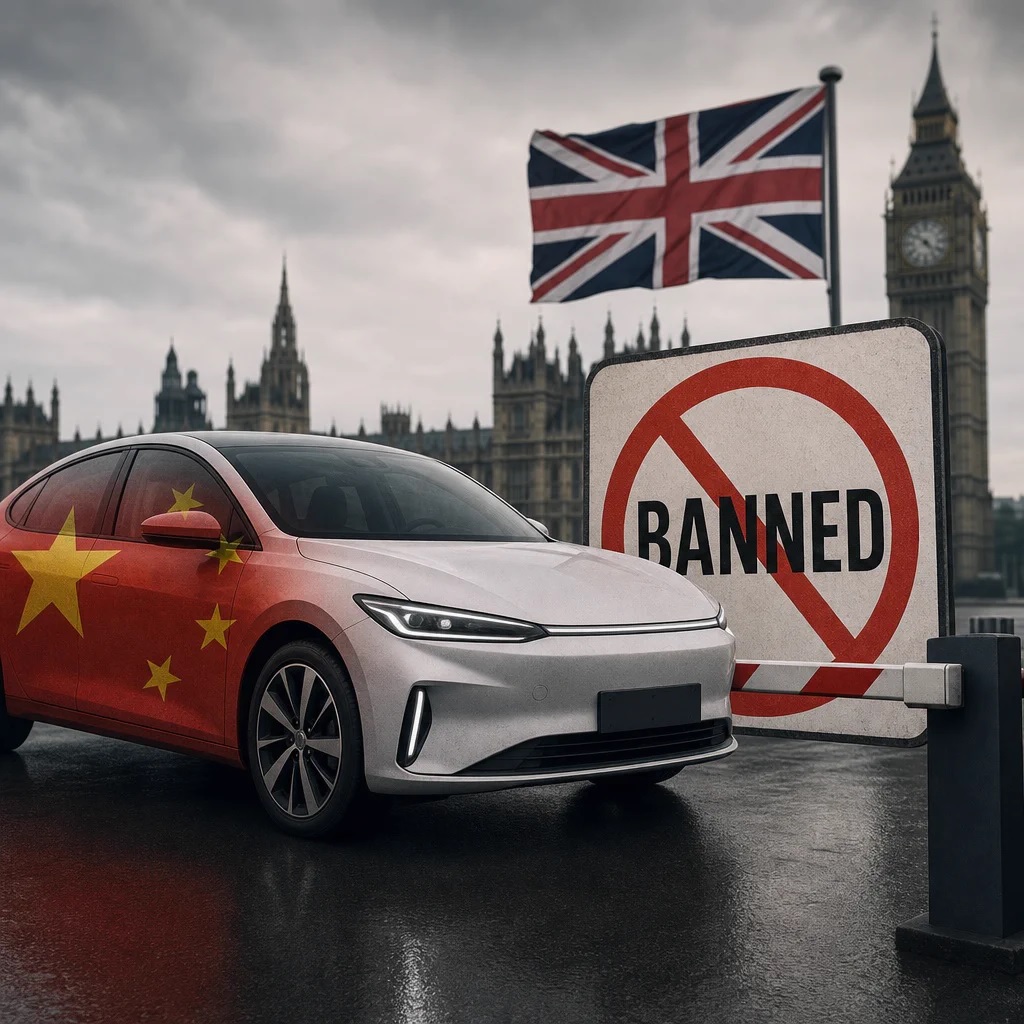
Germany has implemented restrictions on the use of Chinese-made vehicles at its military installations.
Recent reports from Germany shed further light on the situation. According to *Der Spiegel*, citing a representative from the German Federal Ministry of Defense, the German Armed Forces have compiled a list of specific models from Chinese manufacturers—such as BYD, Geely, and Nio—that are no longer permitted within areas designated as security zones.
Consequently, service members who own these vehicles must now park them outside of military bases. The reason behind this ban lies in concerns regarding the security of confidential data; there is a fear that sensors and cameras installed in Chinese-made vehicles could record sensitive information and transmit it to Chinese security authorities.
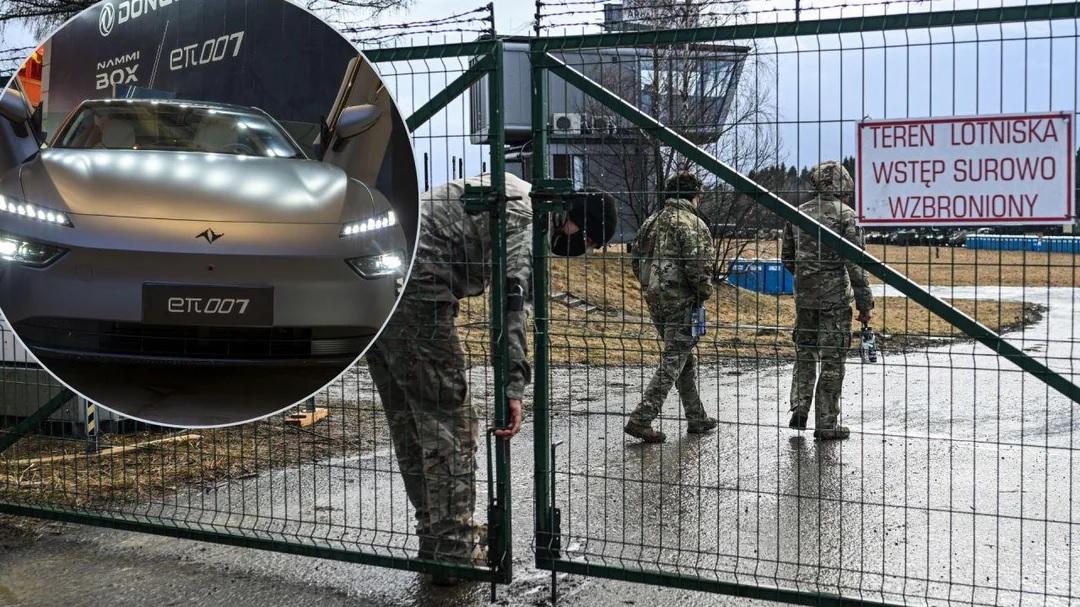
Chinese-made drones must also be removed.
Furthermore, the German Armed Forces have banned the use of small, Chinese-made drones within their inventory. In this instance, concerns have been raised that these smaller aircraft could transmit confidential data—such as details regarding military exercises, imagery of military installations and training grounds, or information about German weapons systems—to Chinese intelligence services.
According to information from *Der Spiegel*, the small, Chinese-made drones acquired by the German Armed Forces—which local commanders had been able to procure in recent years without navigating extensive bureaucratic procedures—are now being removed as quickly as possible.