

Download the audio
- Introduction.
The class develops how long an engine can run without lubricant, the damage it causes, and how to prevent it with proper maintenance.
- Engine oil.
Knowing how long a car can run without oil is essential to understanding the importance of lubricant in the engine. Oil prevents friction between metal parts, dissipates heat, and keeps the vehicle running smoothly. Without it, the parts come into direct contact with each other, generating high temperatures and irreparable damage in a matter of minutes.
Driving without oil is one of the most serious causes of engine failure. Even if the car starts and moves a few meters, the engine will suffer accelerated internal damage that may require it to be completely replaced.
- The role of oil in the engine is fundamental.
Oil performs several key functions: it lubricates internal components, reduces friction, and acts as a secondary coolant. It also carries impurities to the filter so they do not accumulate inside the engine.
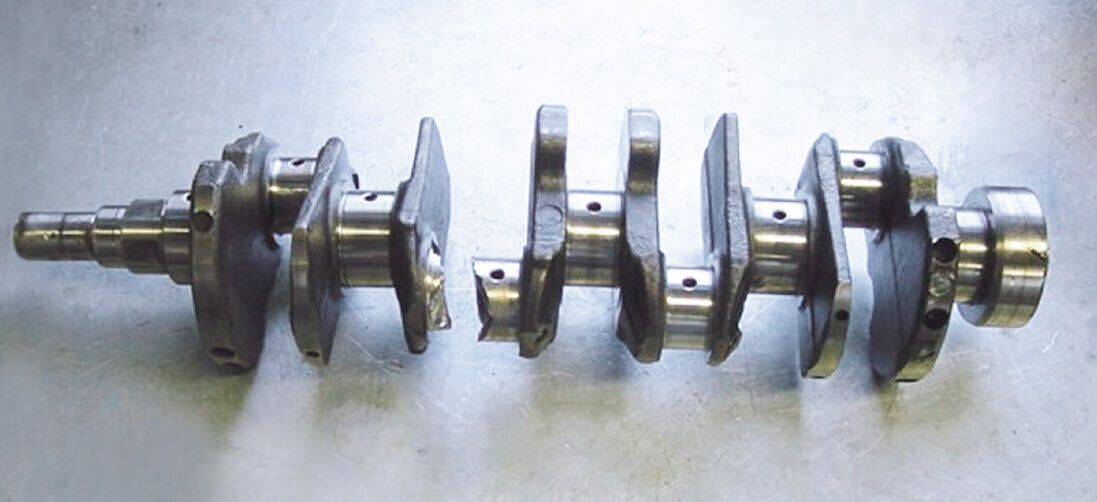
When it is missing or degraded, the parts lose their protective layer and begin to rub directly against each other, generating excessive heat and accelerated wear. In extreme cases, the car's crankshaft and bearings can melt or deform, compromising the entire system.
- How long can an engine run without oil?.
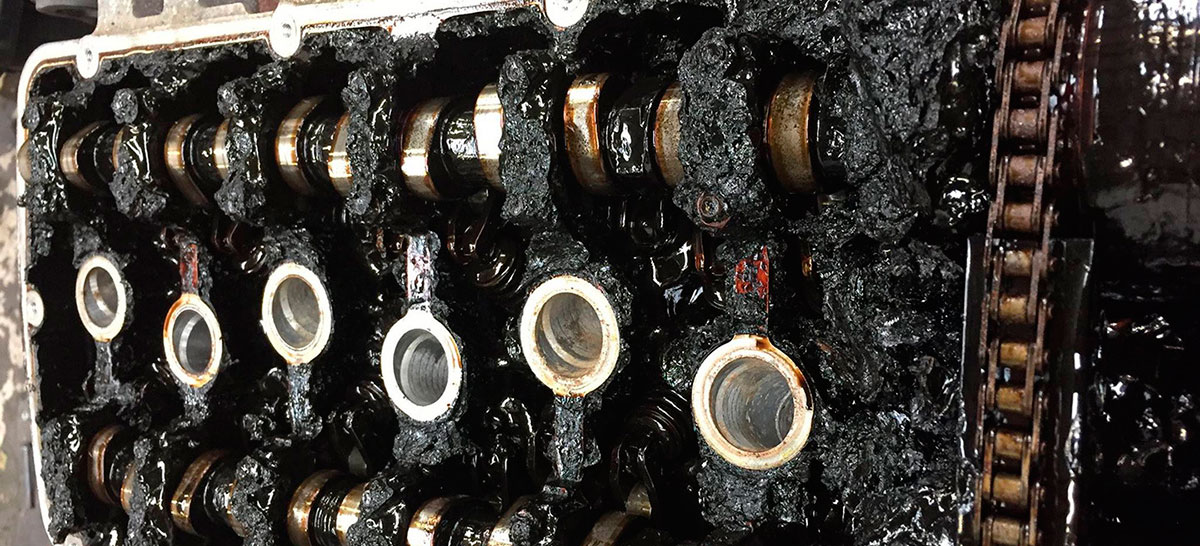
An engine without oil can only last between three and four minutes before suffering serious damage. During this time, friction reaches extreme temperatures and internal parts deteriorate rapidly.
There are isolated cases of engines that have traveled thousands of miles with degraded lubricant, but they were not completely dry. Driving without oil causes irreversible damage to the crankshaft, valves, and engine block.
- Symptoms of low oil in the engine.
Recognizing the signs of poor lubrication is key to taking timely action.
- Warning light on the instrument panel.
- Metallic noises or knocking when accelerating.
- Engine overheating.
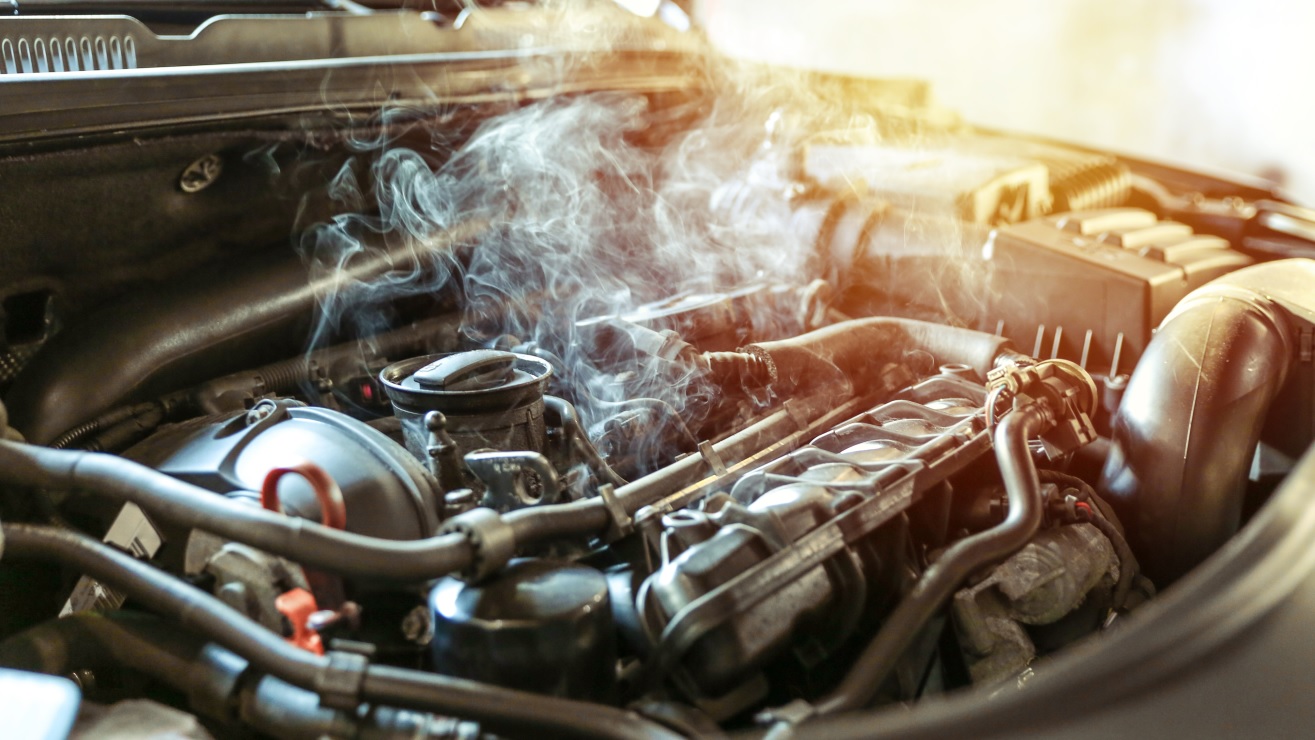
- Smoke or burning smell coming from the hood.
These symptoms can also occur in other systems, such as the transmission. For example, a lack of oil in the automatic transmission can cause jerking, noises when changing gears, or loss of vehicle response.
- Most common damage caused by driving without oil.
Driving without oil causes rapid and destructive wear. The most common types of damage include:
- Broken bearings and connecting rods.
- Damage to camshafts and valves.
- Deformation of the engine block due to excessive temperature.
- Total loss of compression, requiring replacement of the entire engine.
These problems often require repairs costing thousands of dollars, far exceeding the cost of a simple oil change or service.
- How to prevent damage caused by low oil levels.
Regular maintenance is the best way to avoid breakdowns. We recommend:
- Checking the oil level every 1,000 kilometers or before long trips.
- Changing the oil and filter every 15,000 or 20,000 kilometers, depending on the manufacturer's recommendations.Always use the viscosity grade specified in the vehicle manual.
- Immediately correct any leaks or abnormal oil consumption.
If you have questions about what oil your car needs, consult the manual or the manufacturer's specifications. There are mineral, synthetic, and semi-synthetic oils, each with different properties depending on the type of engine and conditions of use.
- Oil is the engine's life guarantee.
Without it, friction destroys the internal components in a matter of minutes.
Checking the levels, observing the change intervals, and choosing the right type of oil for your car are basic steps to extend the life of your vehicle. Simple maintenance can make the difference between a reliable car and an irreparable breakdown.
- Thank you for your time.
The class has developed how long an engine can run without lubricant, the damage it causes, and how to avoid it with proper maintenance, see you soon.