

Oil dipsticks are disappearing from cars
It was to be expected, and the moment has arrived: oil dipsticks are in serious danger of extinction. This should come as no surprise, given the technological evolution of modern vehicles; over time, many features and components have been phased out—becoming, in effect, collector’s items—and oil dipsticks are now headed down that same path.
One could list many such features—chokes, ashtrays, cigarette lighters, manual door locks, physical ignition keys, and car radios with detachable faceplates are just a few examples that have already become a thing of the past. Next in line—alongside the accessible radiator cap, which has been replaced by closed, pressurized systems featuring only a plastic expansion tank—is the oil dipstick. It is an undeniable fact.
Goodbye to oil dipsticks.
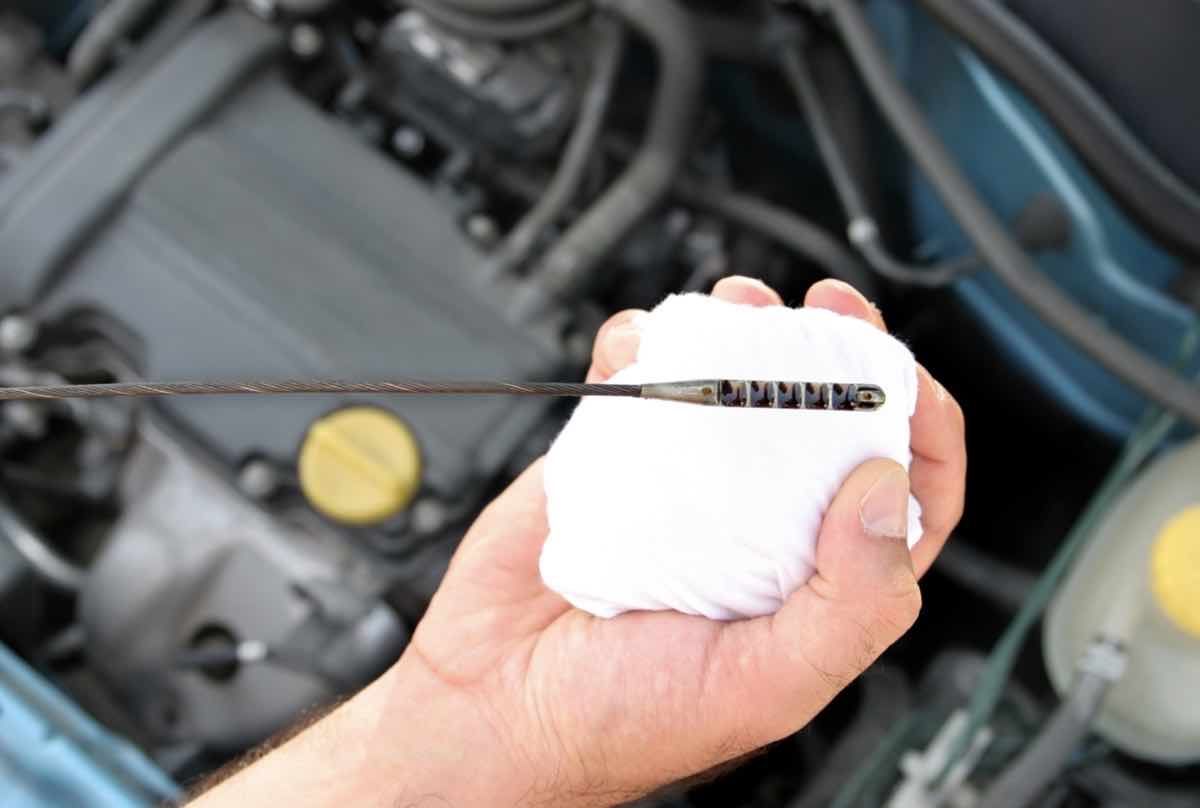
For decades, this tool was valued for its simplicity and utility; it was an essential instrument for drivers who wanted to keep their vehicles in optimal condition and ensure the oil level was correct. The dipstick allowed for a quick, objective check of the fluid level inside an engine or transmission, helping to ensure safe operation.
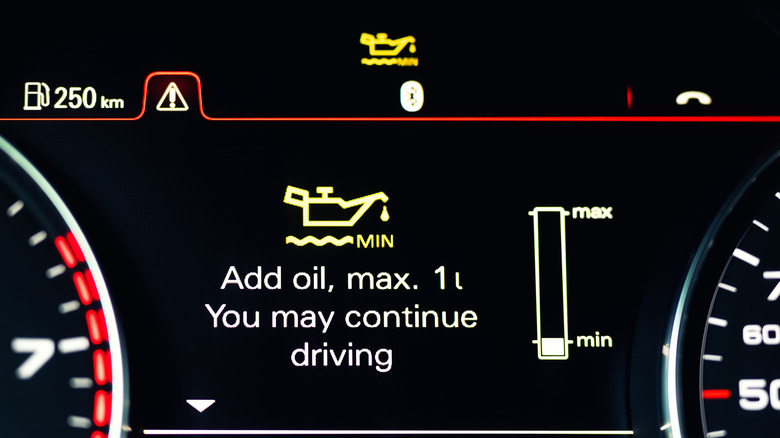
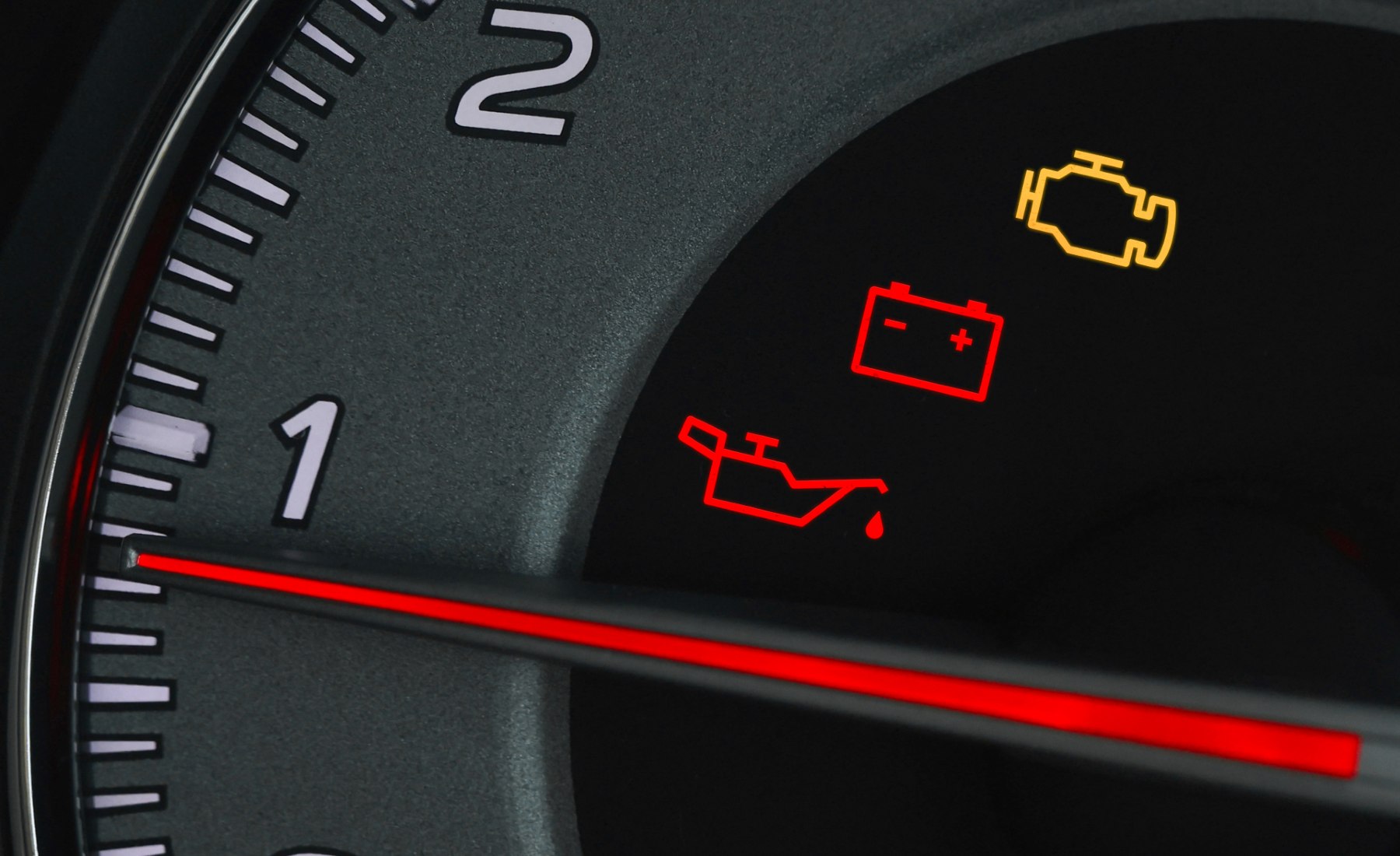
Today, many modern vehicles have done away with the dipstick, opting instead for sensors and level alerts displayed on digital screens—often tucked away within touchscreen menus. It is an indisputable fact that technology is constantly evolving, and this transformation is driven by one fundamental reason.
Customer-focused engineering.
As of 2024, automakers have begun to explain the reasons behind the removal of these dipsticks. "Today’s consumers don’t prioritize manually checking their oil level. With a built-in sensor, this information is presented to them systematically every time they turn on the ignition. This is customer-centric engineering," explained Dale Jewett, a spokesperson for Stellantis in the United States.
Months later, a spokesperson for Mercedes-Benz USA expressed a similar view: "Digital oil-level measurement allows customers to easily monitor this parameter on the driver’s display and receive timely alerts if the oil level falls outside the normal range. This proactive approach helps prevent potential engine damage," noted Andrew Brudnicki.
Behind the change: the difficulty of reading the dipstick.
A report from the United States indicates that the underlying reason for this shift is the difficulty many modern drivers have in reading a dipstick, despite the tool’s inherent simplicity. Dipsticks have undergone various improvements—such as the addition of specific markings, curves, and abbreviations, as well as a plastic tip featuring a scale that indicates optimal and recommended levels—yet they remain a challenge for some. If an owner is unfamiliar with this component, they could cause serious problems by adding the wrong amount of oil—either too much or too little.
The Mercedes representative confirmed that by using a digital system to measure fluid levels, "the accuracy of the oil measurement does not depend on an individual's experience. Digital measurement eliminates the risk of human error, as it is not subject to external factors that could lead to a misinterpretation of the oil level. For instance, if the vehicle is not on a level surface, if there are temperature-related differences (cold vs. hot engine), or if the dipstick is viewed from an angle other than the intended reference point, discrepancies in the results can occur."
Manufacturers prefer that customers do not open the hood.
The American automotive website Carscoops offers an additional justification for the removal of the oil dipstick, citing an explanation from Michael Crossen, a test project leader at Consumer Reports: “You also have the scenario where a customer checks the oil with the dipstick and finds it’s a bit low, so they decide to top it up. They might end up overfilling it, which is definitely not good. Furthermore, many cars require a very specific type of oil; manufacturers don’t want someone just pouring in whatever they happen to have on hand.”
In short, the new approach adopted by automakers reflects a lack of trust in vehicle owners—essentially, manufacturers would prefer that customers not open their hoods at all. Moreover, a significant number of today’s vehicles are hybrids that operate using high-voltage systems, which has led to heightened safety concerns.