
Download the audio
Slide 1. Introduction.
The class develops the mechanical causes, solutions, and implications for fleet management of low engine oil pressure.
Slide 2. Causes and solutions for low engine oil pressure.
- Normal oil pressure values.
It is very important for any driver to know how to address low engine oil pressure. This lubrication system, designed to protect internal parts from wear, ensures optimal temperature control. It is crucial to note that, in the event of a system failure, even a few seconds of operation can result in irreparable damage. Therefore, it is essential to identify the most common symptoms and causes and act quickly to prevent a serious breakdown.
Oil pressure in an engine fluctuates depending on the engine’s design, the temperature of the lubricant, and the condition of the system. However, manufacturers establish tolerance ranges to mitigate these changes.
- Lightweight gasoline and diesel passenger car engines.
As a general guideline, the standard pressure range for this type of vehicle is typically between 1.5 and 2.5 bar at idle, equivalent to approximately 20–35 PSI. However, it is important to note that, depending on the specific design, this pressure can increase significantly to levels of 4–6 bar or higher, particularly at high RPMs.
- Heavy-duty diesel engines.
They may exhibit slightly higher pressures, around 2–3 bar at idle, and up to 6–10 bar at high RPM, depending on the manufacturer.
If the pressure is lower than the manufacturer’s specified value—in many engines, around 1–1.5 bar at idle—the check engine light will come on, which is considered a critical condition.
The check is performed using an external pressure gauge, which is connected in place of the pressure sensor to confirm whether the drop is actual or the result of an electronic error.
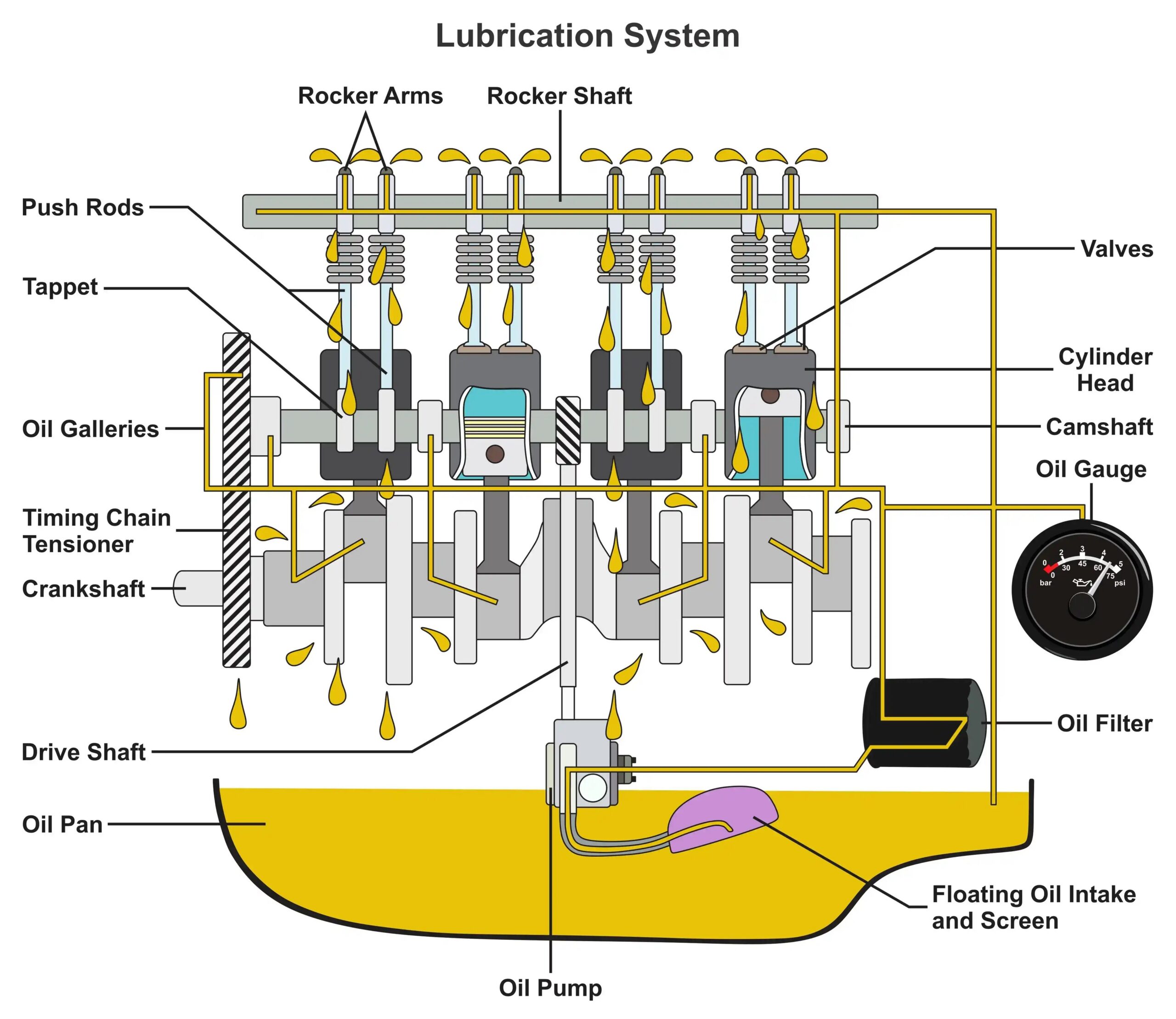
- Mechanical causes of low oil pressure.
- Low oil level.
Oil circulates in a closed circuit, which requires a minimum amount of fluid to ensure proper lubrication of all components. If the oil level is insufficient—whether due to consumption by the engine or a leak in the seals—the oil pump will operate under vacuum conditions. This will prevent the pump from delivering the required flow rate. Consequently, oil pressure will drop. The oil reservoir must be filled to the level recommended by the manufacturer.
-
- Incorrect oil viscosity.
The manufacturer provides the relevant information in the vehicle’s maintenance manual, which specifies the most suitable type of oil for each vehicle model. Filling the oil reservoir with oil of an inappropriate viscosity can compromise engine performance due to potentially insufficient oil pressure.
If the oil is excessively viscous, its density will be significantly higher, which will hinder the circulation of the oil—typically pumped by a pump located in the oil pan—through the system. If the oil has lower viscosity, its circulation speed will be too high compared to what is required, resulting in inadequate pressure. It is essential to use the oil recommended by the vehicle manufacturer to ensure optimal engine performance.
-
- Clogged or defective oil filter.
Every time the oil is changed—which occurs annually or after 15,000 kilometers in modern vehicles—it is also recommended to replace the filter, as impurities accumulate in it over time. If the oil is not changed, it will not circulate properly, leading to a drop in oil pressure. The approximate cost of replacing an oil filter with a new one can range from 10 to 30 euros.
-
- The oil pump is not working.
Due to internal wear and tear, this component is a mechanism that is in constant motion. Indeed, using low-quality oils that leave behind sediment can shorten the pump’s service life. If the pump suffers any type of damage, the cost of a new one can range from 30 to 600 euros, depending on the vehicle’s model and year. If the oil recommended by the manufacturer is used during the repair, it will not be necessary to replace the pump.
-
- Clearances in the oil pump.
Both gear-type and rotor-type pumps experience a decrease in operational efficiency due to wear on their internal components. This issue is evident when oil pressure falls below the manufacturer’s recommended levels, even when using new oil.
-
- Wear on connecting rod and main bearings.
Excessive clearance in the bearings causes oil to leak, which in turn reduces the pressure in the system. This is one of the most serious failures that can occur, so it is necessary to resurface or replace the crankshaft and bearings.
-
- Degraded or contaminated oil.
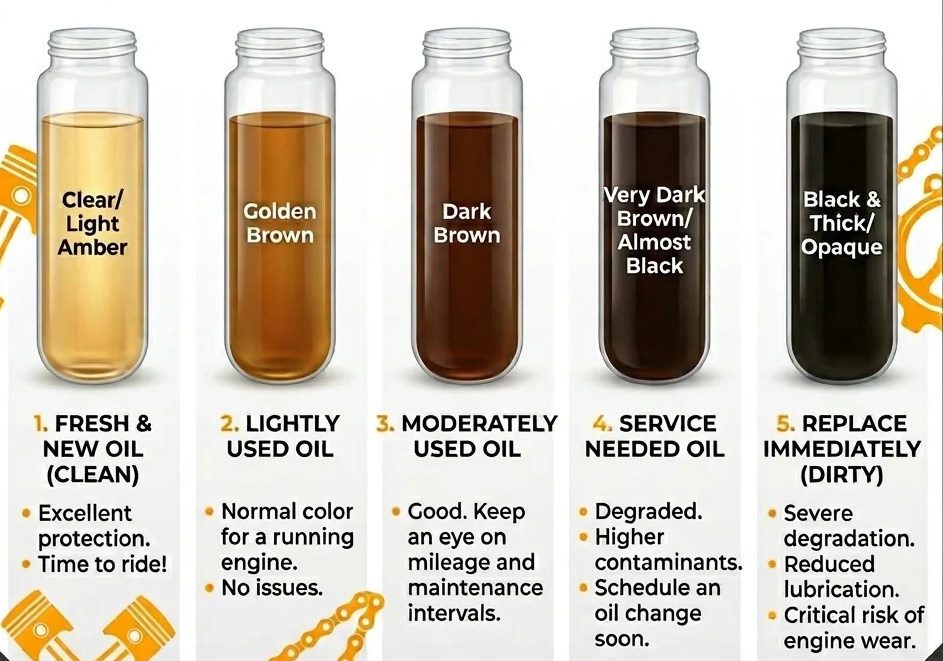
Oxidation, the presence of water, or metal particles alter the viscosity and reduce the lubricant’s lubricating capacity. In this context, it is crucial to adhere to oil change intervals and have oil analyses performed at accredited laboratories for vehicle fleets.
-
- Blockages in internal lines.
Carbon deposits or sludge can potentially clog lubrication lines. This situation can lead to a reduction in flow to critical components, such as the camshaft and turbocharger, which compromises the overall system pressure.
-
- Failure of the pressure relief valve.
Some pumps are equipped with a relief valve that activates in the event of excessive pressure, allowing for pressure regulation and preventing potential damage. If the valve becomes stuck, this will cause a continuous loss of pressure throughout the entire circuit.
-
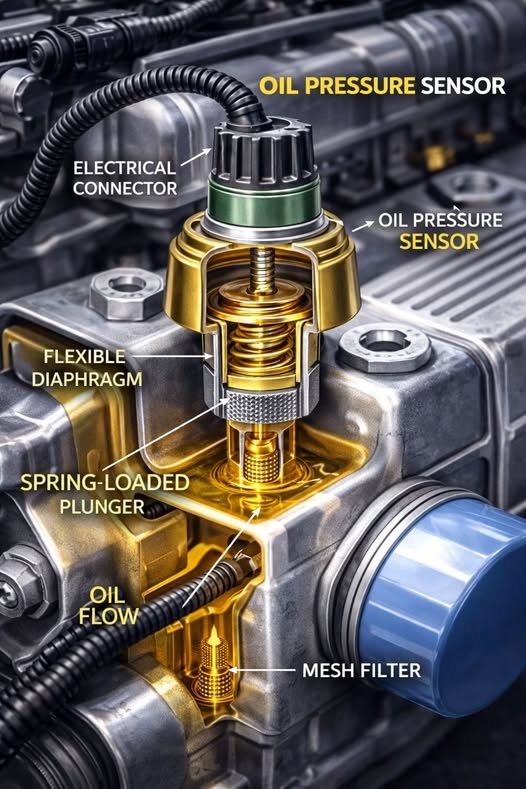
- Failure of the oil pressure sensor.
Modern vehicles are equipped with a pressure sensor that constantly monitors oil flow. Depending on the vehicle, this sensor may be located in a section of the circuit within the engine block or at the outlet of the oil filter. This sensor may provide inaccurate readings due to potential internal damage that may have developed over time. If the part is defective, it is usually replaced, as repairs are not typically performed. The typical cost of this service ranges from 30 to 200 euros, depending on the type of vehicle.
-
- Coolant contamination.
A problem in the heat exchanger or the cylinder head gasket can cause coolant to enter the oil. While this does not always lead to an immediate drop in pressure, it does degrade lubrication and can damage the bearings, which can subsequently lead to low pressure.
Contamination can cause changes in the viscosity of the lubricant, which can result in premature bearing wear and increased clearance, as well as a drop in pressure.
- Symptoms of low oil pressure.
1. The warning light on the car’s dashboard is the first obvious warning sign.
A red oil can-shaped light or the word “OIL” will illuminate on the dashboard, depending on the model.
2. Metallic noises or knocking sounds.
Insufficient lubrication pressure in the upper part of the engine can cause a constant ticking or knocking sound, especially during startup or while idling.
3. Poor performance.
The engine may feel sluggish, which can make acceleration difficult or cause interruptions in operation due to excessive friction and a possible malfunction in the valve system.
4. Engine overheating.
A lack of lubricant increases internal friction, causing the engine to reach higher-than-normal temperatures.
5. Smell of burnt oil.
If the low pressure is the result of a severe leak, oil may drip onto hot parts of the exhaust system and give off a characteristic odor.
- What to do if you notice these symptoms.
1. Stop the vehicle immediately.
Do not drive with low oil pressure. Pull over to a safe place and turn off the engine to prevent catastrophic damage.
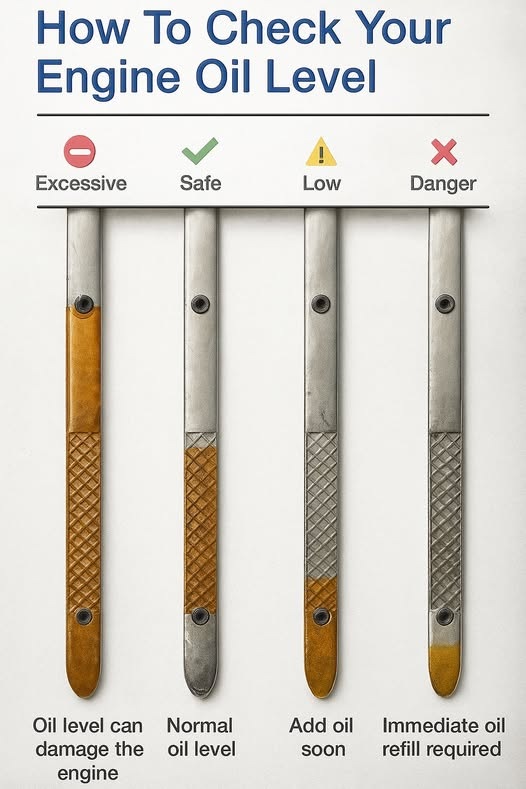
2. Check the oil level: Use the dipstick.
If it’s low, top it off with the type of oil recommended by the manufacturer for your model.
3. You need to take the car to a repair shop.
If the level is correct and the warning light is still on, the problem may be with the pump, a clogged filter, or internal wear; you need to go to a repair shop.
- Workshop diagnostic procedure.
- Visual inspection: Check for external leaks in the oil pan, seals, and gaskets.
- Measurement using an external pressure gauge, which must be installed at the location designated for the sensor.
- Compare the actual values with the specified ranges in the manufacturer’s manual.
- Inspect the oil filter to rule out possible blockages due to poor maintenance.
- Check the pump. If pressures remain low, it is recommended to partially or completely disassemble the pump.
- Inspect bearings and passages: if all of the above are in good condition, the issue is usually internal wear.
- Maintenance recommendations.
- Always use the SAE grade specified by the vehicle manufacturer, as using the wrong oil can alter oil pressures and compromise engine performance.
- It is recommended to change the oil in modern cars every 10,000–15,000 kilometers or once a year.
- The oil filter must be replaced with every oil change, as a clogged filter is one of the main causes of pressure loss.
- Check the oil level in the automatic transmission. It is important to pay attention to this, as some drivers may confuse symptoms of low transmission oil with low engine pressure.
- Perform an oil analysis on fleet vehicles to detect the presence of wear metals.
-
- Implications for fleet management.
The main consequence of low oil pressure is serious engine damage, which is costly and results in the vehicle being out of service.
Low oil pressure is one of the most critical failures in an internal combustion engine. Knowing the pressure values in bars, identifying the mechanical causes, and performing a systematic diagnosis are essential to avoiding costly and necessary repairs, which can range from replacing the oil pump to a complete engine overhaul.
Proper maintenance, knowledge of the correct type of oil to use, and periodic pressure checks ensure the engine’s reliability and extend its service life.
In many cases, low pressure is caused by an oil level below the manufacturer’s recommendation; simply topping off the oil above the recommended level is sufficient.
It is recommended to implement the following measures.
- Driver Training.
Drivers must be trained on the consequences of low oil pressure, how to respond, how to top off the engine oil, etc.
This training can be in-person, online, etc. It is also recommended to have a printed or PDF manual available for reference at any time.
It is very important that when the low-pressure warning light comes on on the car’s dashboard, the driver must immediately stop the vehicle and check the oil level.
In many cases, the low-pressure warning light comes on because the oil level is below the recommended level, so the driver must top off the engine oil.
It is recommended that the vehicle carry a one-liter bottle of oil for topping off in these cases.
If the cause is not the oil level, it is not recommended to drive the vehicle; therefore, a tow truck will be needed to transport the vehicle to our repair shop or an external repair shop.
- Engine and Turbo Maintenance.
Engine and turbo maintenance must be performed according to the vehicle manufacturer’s instructions and within the specified time frame.
Use the oil recommended by the vehicle manufacturer, as well as premium brands of oil.
- Telematics and Remote Diagnostics.
Modern vehicles are equipped with oil pressure sensors, and some also have oil level sensors. By using telematics and remote diagnostics, we can determine in real time whether the vehicle has low oil pressure.
If the vehicle has low oil pressure, the driver must be contacted to stop the vehicle immediately, check the oil level, and top off the oil if necessary.
- Vehicle inspection.
Before using the vehicle, the driver must check certain mechanical components such as the tires, seat belts, bodywork, etc. This checklist can be printed or accessed via an app on a smartphone or tablet.
A very important step before using the vehicle is to check the engine oil level. If the level is below the recommended level, the driver must top off the oil until the level is correct.
It is recommended that the vehicle carry a one-liter bottle of oil for topping off in such cases. If it does not have one, the driver must notify the head of our repair shop or the fleet manager that the oil level is below the recommended level.
- Older cars.
In an older car, internal engine repairs—such as replacing piston rings, pistons, bearings, the crankshaft, etc.—may not be worth the cost if they exceed the vehicle’s value.
In these cases, it is recommended to deregister the vehicle and purchase a new one.
Slide 3. Thank you for your time.
The class has developed the mechanical causes, solutions, and implications for fleet management of low engine oil pressure, see you soon.