
Download the audio
Slide 1. Introduction.
The class develops how many filters a vehicle has, what each one is for, when they should be changed to prevent breakdowns, keep the engine in good condition, and the implications for fleet management.
Slide 2. Car filters.
- How many filters a car has and why they are so important.
Knowing the number of filters, their function, and when they should be changed helps you avoid costly breakdowns, improve engine performance, and protect the health of the occupants.
In general, a modern car has between four and five main filters, although this number may vary depending on the type of engine and the technology used. They all serve an essential function: to prevent dirt, particles, or debris from damaging key components.
Keeping them in good condition directly affects fuel consumption, power, pollutant emissions, and interior comfort.
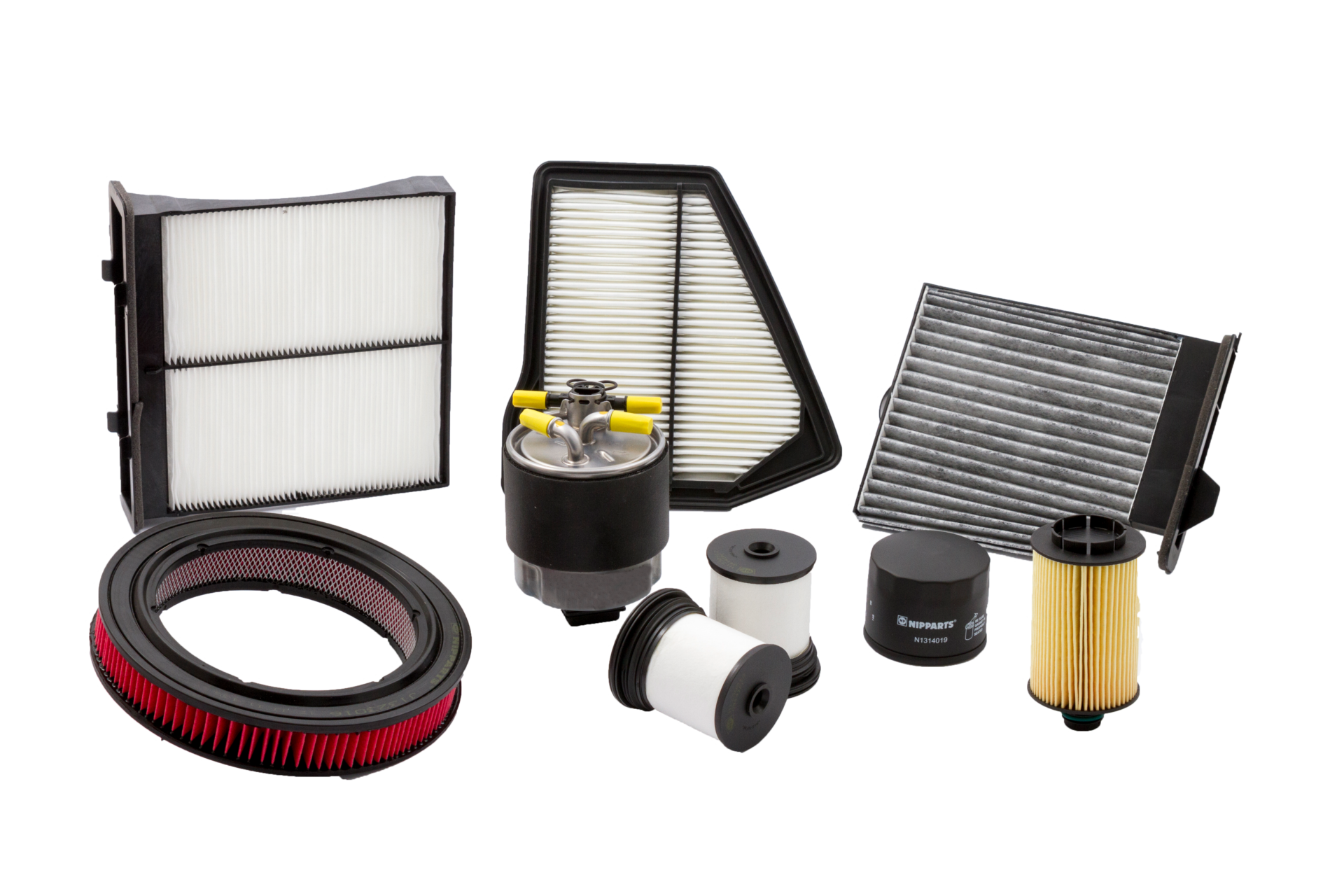
- Main filters in a car.
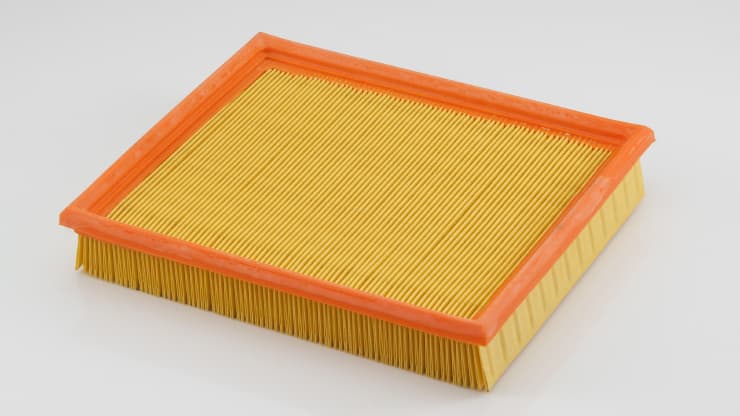
- Engine air filter.
Its function is to clean the air entering the engine before it mixes with the fuel. It traps dust, sand, and other particles that could cause internal wear.
When it is dirty, the engine loses performance, increases fuel consumption, and generates more polluting emissions. It is one of the most economical and easiest filters to replace.
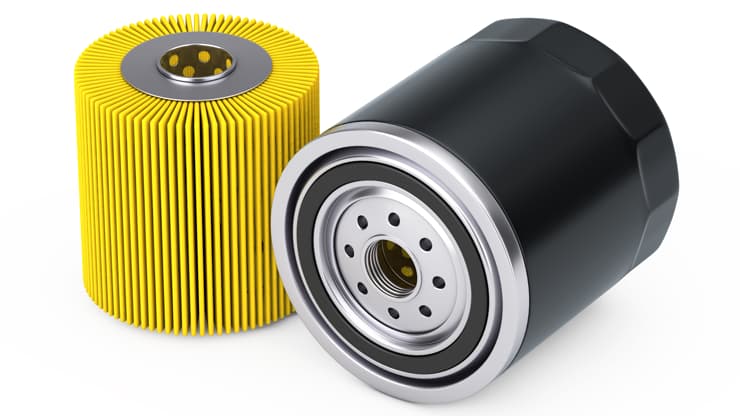
2. Oil filter.
It protects the engine by filtering out metal impurities and residues generated by internal friction. It works continuously while the engine is running.
A saturated oil filter reduces lubrication, increases temperature, and can cause serious damage. Therefore, it is always changed along with the oil.
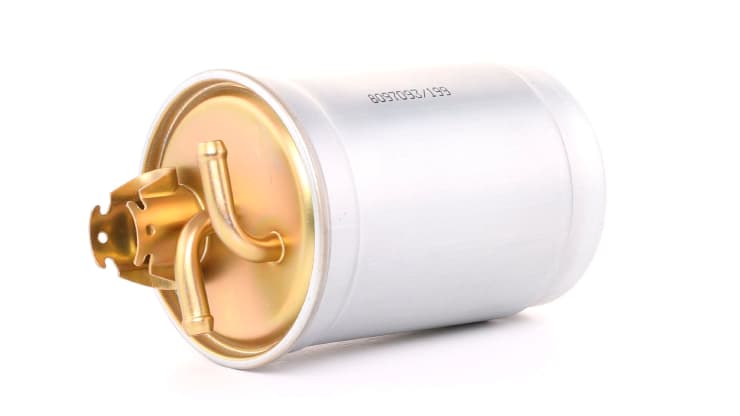
3. Fuel filter.
Its function is to prevent dirt, rust, or water from entering the injection system. It is especially important in diesel engines, as the injectors are very sensitive.
In some modern gasoline engines, it is integrated into the tank and does not need to be replaced frequently, although in others it is part of routine maintenance.
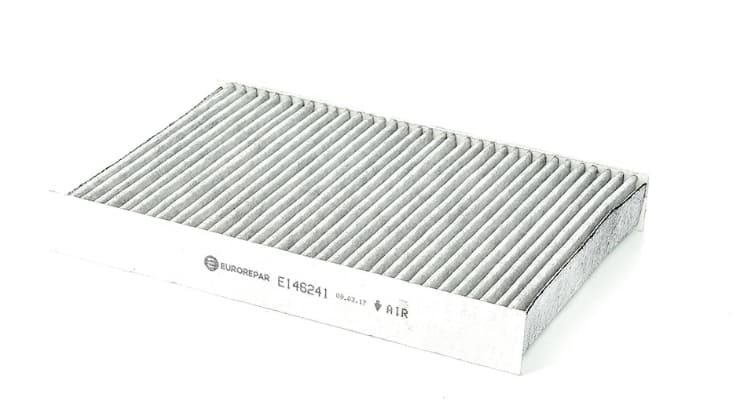
4. Cabin or interior air filter.
This filters the air that enters the car through the ventilation system. It traps dust, pollen, bacteria, and polluting particles.
A dirty air filter causes unpleasant odors, reduces the efficiency of the air conditioning, and can affect people with allergies or respiratory problems.
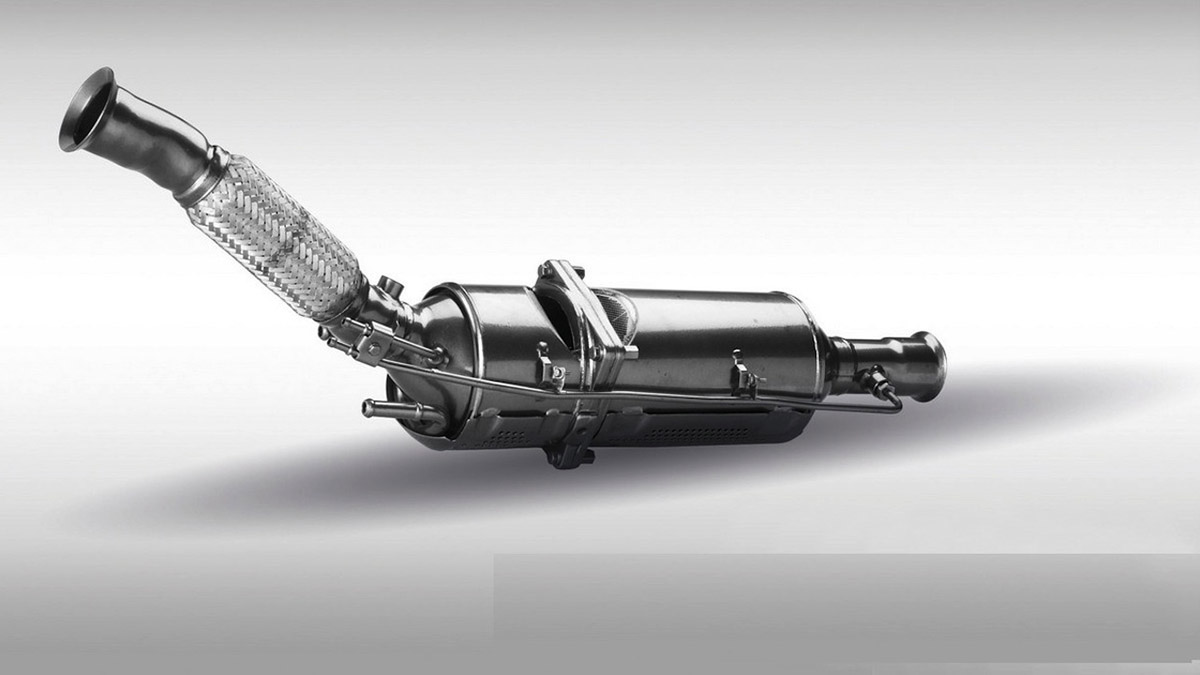
5. Particulate filter.
This is found in diesel engines and some modern gasoline engines and is responsible for retaining the solid particles generated during combustion to reduce pollution.
Unlike other filters, it is not replaced, but regenerates automatically when it reaches a certain temperature. Excessive urban use can cause blockages, so it is recommended that the particulate filter be cleaned.
6. Air conditioning circuit dehydrator filter.
This is probably the filter you are least familiar with. Its function is to prevent moisture or water from appearing in the air conditioning pipes. Manufacturers warn that it must be changed every time the gas is refilled or discharged, although this does not usually happen before 10 years. Otherwise, it does not need to be replaced, as this circuit remains sealed.
Electric vehicles do not pollute, so they do not need particle filters or fuel, air, or oil filters; the only filter they do have is the cabin filter.
- How often should filters be changed?.
There is no universal figure. It depends on the type of engine, the environment in which you drive, and your driving style. In areas with a lot of dust, heavy traffic, or short journeys, filters become clogged more quickly.
Following the manufacturer's recommendations and checking the filters at each service prevents breakdowns and improves the overall performance of the vehicle.
- What happens if the filters are not changed on time?.
Neglecting filter maintenance can lead to:
-
- Increased fuel consumption.
- Loss of power.
- Increased pollution.
- Injection system failures.
- Serious engine damage.
In many cases, a costly breakdown starts with an inexpensive filter that was not replaced on time.
- How much does it cost to replace the different filters in a car?.
- The fuel filter.
The price depends on the model and ranges from 20 euros to 40 euros.
-
- The air filter.
The price ranges from 7 euros to 40 euros. Cars with more powerful engines need a larger air filter, which can increase the cost. In addition, carbon filters, which are recognizable because they are black instead of yellow or white, are more expensive. The latter cannot be washed, but carbon filters can, so they can be reused.
-
- The oil or cabin filter.
Between 10 euros and 40 euros.
-
- The dehydrator filter.
Not sold separately, but comes with the air conditioning radiator. It costs around 30 euros.
§ Frequently asked questions.
-
- Do all cars have the same filters?.
No, the number and type of filters depends on the engine, anti-pollution regulations, and the manufacturer's design.
-
- Can I change the filters myself?.
Some yes, such as the air filter or the cabin filter. Others, however, require mechanical knowledge or specific tools.
-
- Does a dirty filter increase fuel consumption?.
Yes, especially air and fuel filters have a direct impact on fuel consumption.
-
- Is the particulate filter changed like the others?.
No, it regenerates automatically, although it may need to be cleaned or replaced if it becomes severely clogged.
-
- Which filter has the greatest impact on the health of the occupants?.
The cabin filter, as it determines the quality of the air breathed inside the car.
- Implications for fleet management.
The main consequence of not replacing filters or having dirty filters is that the car consumes more fuel and pollutes more, does not function properly, and can cause more serious breakdowns.
The following measures are recommended.
- Replacing filters.
It is recommended that filters be replaced at the mileage or time specified in the vehicle manufacturer's instructions.
Do not clean used filters and reuse them, as this is bad practice. Always use new filters.
- Replace them before the mileage or time limit.
If the filters are dirty, it is recommended that they be replaced even if they have not reached the mileage or time limit recommended by the vehicle manufacturer.
- Alternative replacement parts.
It is recommended to use filters from premium brand filter manufacturers to save costs. Vehicle manufacturers do not manufacture filters; all the filters they use in their vehicles are from filter manufacturers.
- Agreement for the purchase of filters.
It is recommended to reach an agreement with a filter brand or wholesale spare parts supplier that carries several filter brands to purchase filters in large volumes in order to obtain a large discount and save costs.
In summary, filters are essential for the life of the car, interior comfort, and mechanical safety. Checking and changing them when necessary is one of the best investments in maintenance.
A car with filters in good condition consumes less fuel, pollutes less, and offers a safer and more enjoyable driving experience.
Slide 3. Thank you for your time.
The class has developed how many filters a vehicle has, what each one is for, when to change them to avoid breakdowns, how to keep the engine in good condition, and the implications for fleet management, see you soon.