

Download the audio
Slide 1. Introduction.
The class develops how the gasoline injector works, the types of failures that occur, and how to detect symptoms of malfunction to avoid costly repairs.
Slide 2. The gasoline injector.
- How a gasoline injector works.
The gasoline injector is currently one of the most critical components of the engine. It allows for the precise delivery of fuel during each combustion cycle, ensuring optimal vehicle performance. If it fails to function correctly, starting the vehicle, driving normally, or even passing the mandatory vehicle inspection MOT becomes impossible.
Many drivers have questions regarding fuel consumption—such as how to calculate the amount of gasoline needed for a trip or whether it is safe to mix 95 and 98 octane gasoline in the tank. These concerns are closely linked to the condition of the injection system and the quality of the fuel reaching the cylinders.
The injector operates in synchronization with the ECU (Electronic Control Unit), precisely regulating the amount of gasoline entering the combustion chamber. It atomizes the fuel into a very fine mist so that it mixes evenly with the air.
This process must adapt to various conditions:
- Cold or hot starts.
- Altitude and atmospheric pressure.
- Quality of the fuel used.
The main benefits are fuel savings, improved vehicle performance, and reduced pollutant emissions—provided the injectors are maintained in optimal working condition.
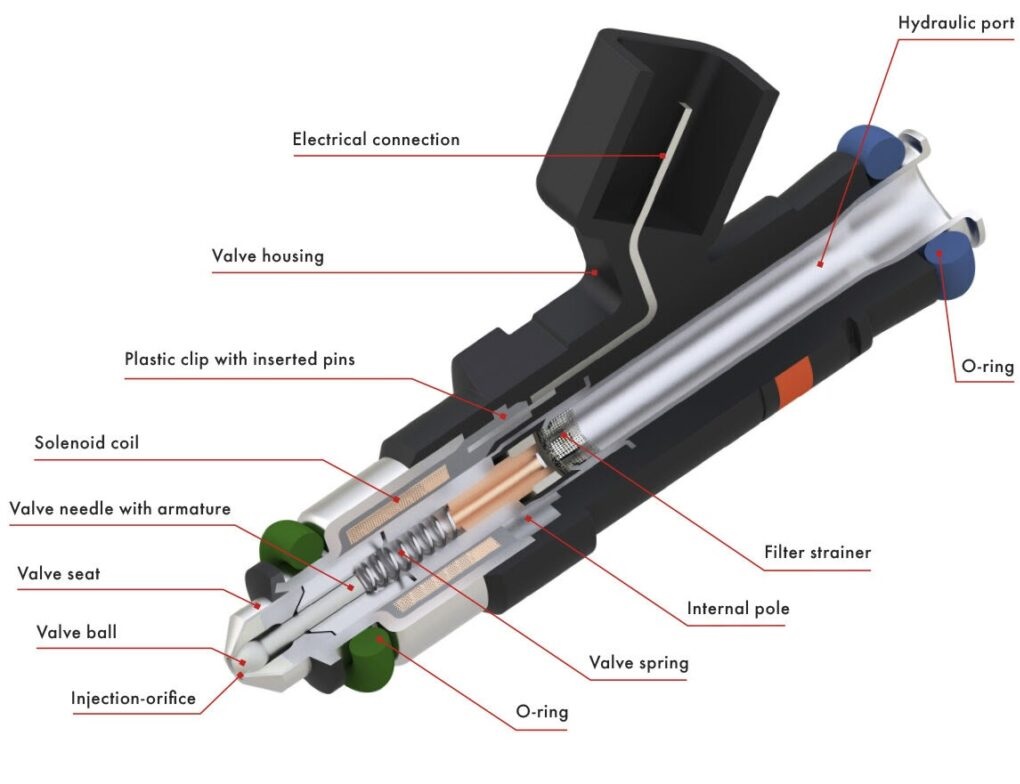
- Symptoms of a faulty gasoline injector.
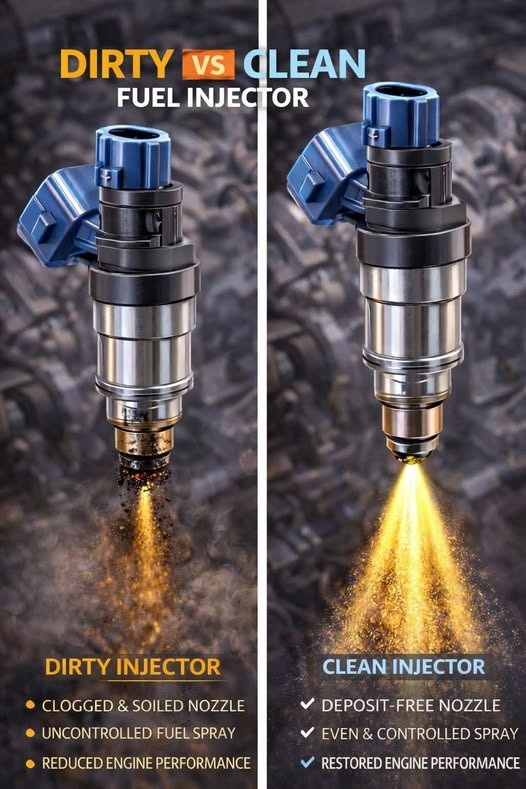
An injector may begin to fail due to residue buildup, constant pressure, or engine heat. Some signs include:
- Loss of power and jerking during acceleration.
- Increased fuel consumption for no apparent reason.
- Starting difficulties, especially when the engine is cold.
- Black exhaust smoke caused by an excess of fuel.
- Unstable idle and engine vibrations.
- Smell of gasoline in the cabin, which often raises questions among drivers: is the smell of gasoline inside the car dangerous?, the answer is yes, because it could indicate a leak or poor combustion, and it should be checked immediately.
- Injector maintenance and cleaning.
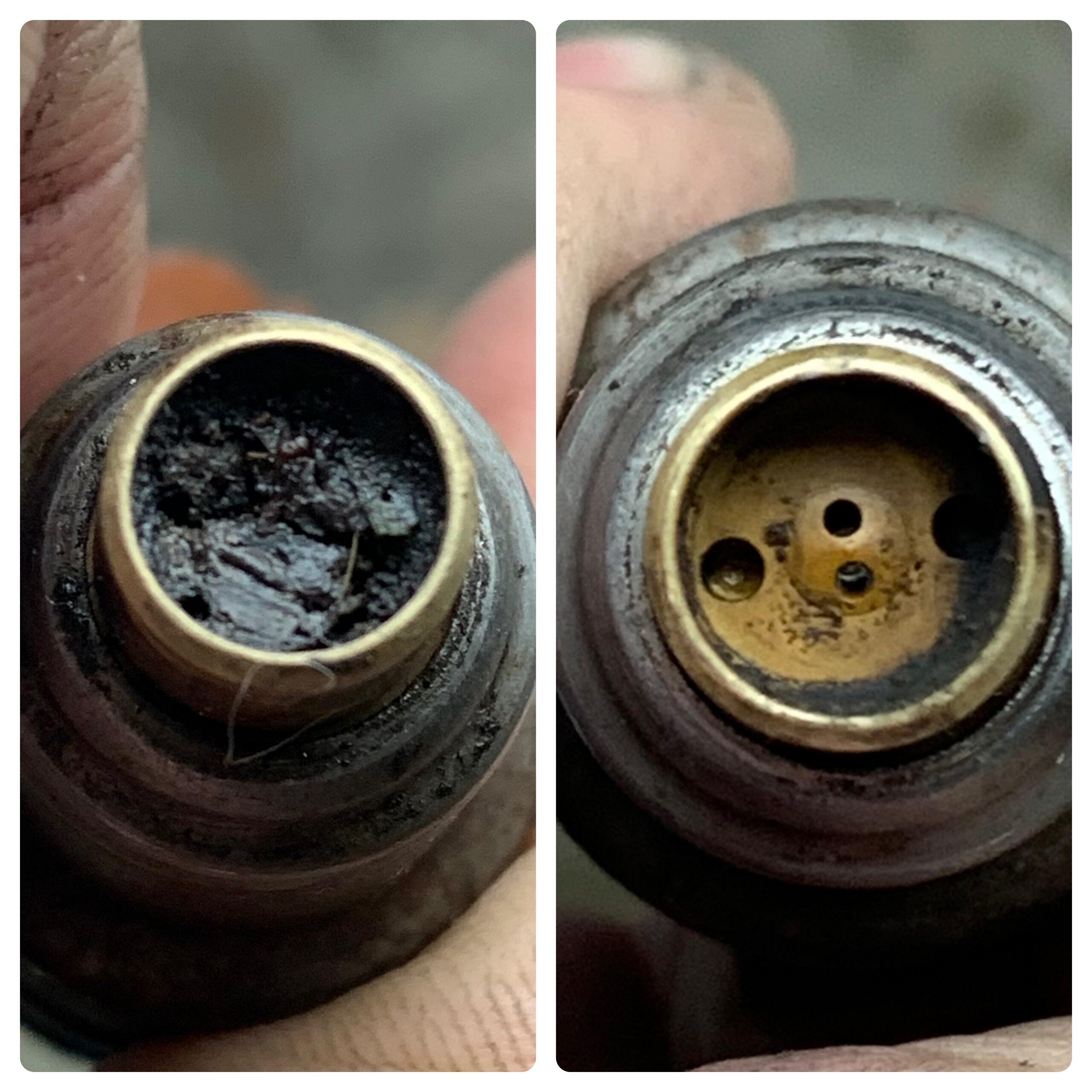
The service life of fuel injectors is directly linked to fuel quality and maintenance frequency. It is important to note that impurities can clog the nozzle and cause combustion issues. To prevent this:
- Check and replace the fuel filter at recommended intervals.
- Use cleaning additives occasionally, though they do not replace professional cleaning.
- Visit specialized workshops that use ultrasonic cleaning to remove accumulated deposits.
Proper cleaning is significantly more cost-effective than replacing components, as it allows the engine to regain its original performance.
- Cost of replacing a fuel injector.
The price of an injector ranges from 50 to 150 euros per unit, depending on the specific model. However, labor and removal costs can drive the total price up to 500 euros in some cases. Therefore, keeping injectors clean and functioning optimally is crucial.
- The key to good fuel injector performance.
The fuel injector—an essential engine component—is the system responsible for metering the energy that powers the vehicle. Keeping the vehicle in optimal condition is fundamental to avoiding serious breakdowns, improving performance, and extending the engine's lifespan. If symptoms such as engine hesitation (jerking), smoke, or a significant increase in fuel consumption are noticed, it is recommended to visit a mechanic for a full vehicle inspection.
Also, remember that fuel quality and preventive maintenance are just as important as knowing small, practical details.
Slide 3. Thank you for your time.
The class has developed how the fuel injector works, the faults it can develop, and how to detect signs of failure to avoid costly repairs. see you soon.