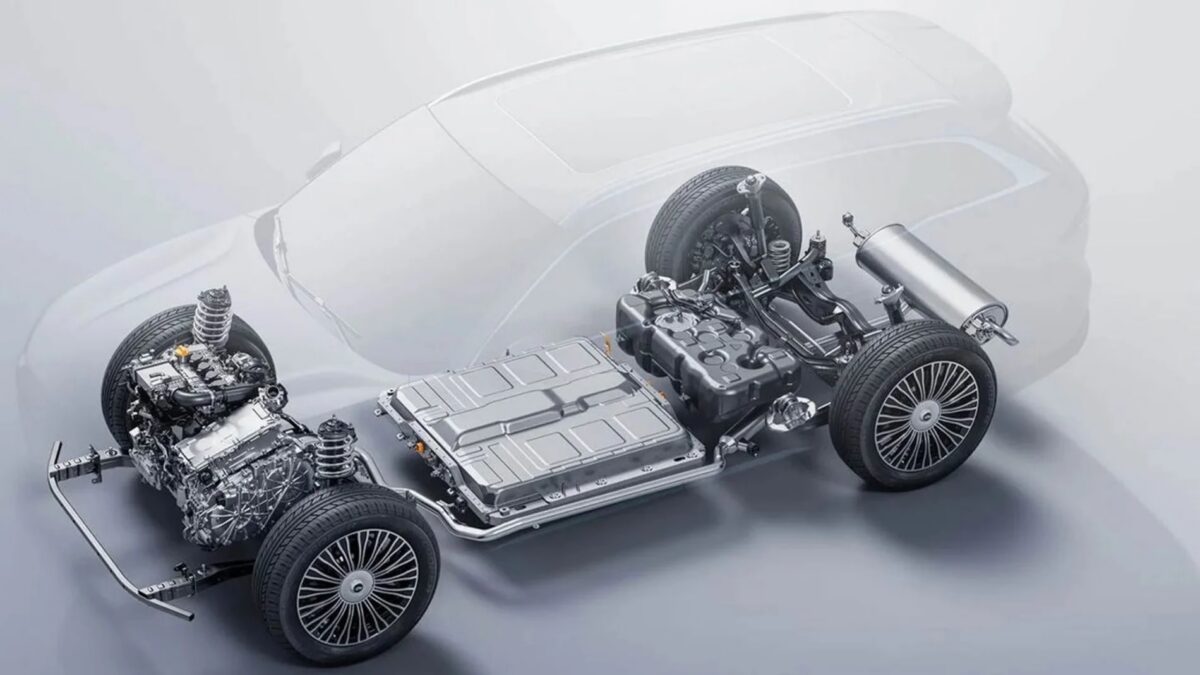


ChatGPT poses a significant threat to the electric vehicle sector
The continued expansion of artificial intelligence has ushered in a new digital era, with an impact that transcends the technological realm and directly affects the global energy system. The energy consumption of models like ChatGPT reaches levels comparable to the electricity usage of major metropolises—such as Madrid or New York—over extended periods.
This current reality raises concerns regarding the sustainability of AI growth and its impact on the stability of electrical grids, as well as on clean technologies like electric vehicles.

Artificial intelligence’s energy consumption.
According to a recent analysis by the portal BestBrokers, ChatGPT requires approximately 17.3 TWh of electricity annually to process user queries worldwide. This amount of energy is equivalent to the annual consumption of major cities. To illustrate the scale, the energy required for ChatGPT’s operations would be sufficient to power cities like Madrid or New York for roughly seven and a half months.
This magnitude of consumption places significant strain on electrical infrastructure. Data centers hosting artificial intelligence (AI) models consume energy directly for computing tasks, as well as for cooling and maintenance systems. This, in turn, significantly increases the load on the grid.
Currently, large data centers account for between 2% and 3% of total electricity consumption in countries like the United States. A portion of this consumption is attributed to AI models like ChatGPT, which use six to ten times more energy per query than a standard internet search.
The exponential growth of AI is also evident in medium-term projections: available data indicates that electricity consumption by data centers could double by 2030, reaching figures close to 945 TWh—an amount equivalent to the consumption of entire nations like Japan.
This growing appetite for energy has direct repercussions for the operation of the electrical system, which must maintain a constant balance between generation and demand to ensure frequency and voltage stability. An increase in energy demand, particularly during periods of peak activity, can strain the capacity of electrical grids.
This phenomenon has been documented in several U.S. states, where infrastructure operators have been forced to implement emergency measures to manage the stress caused by intense energy demands—including those from data centers.
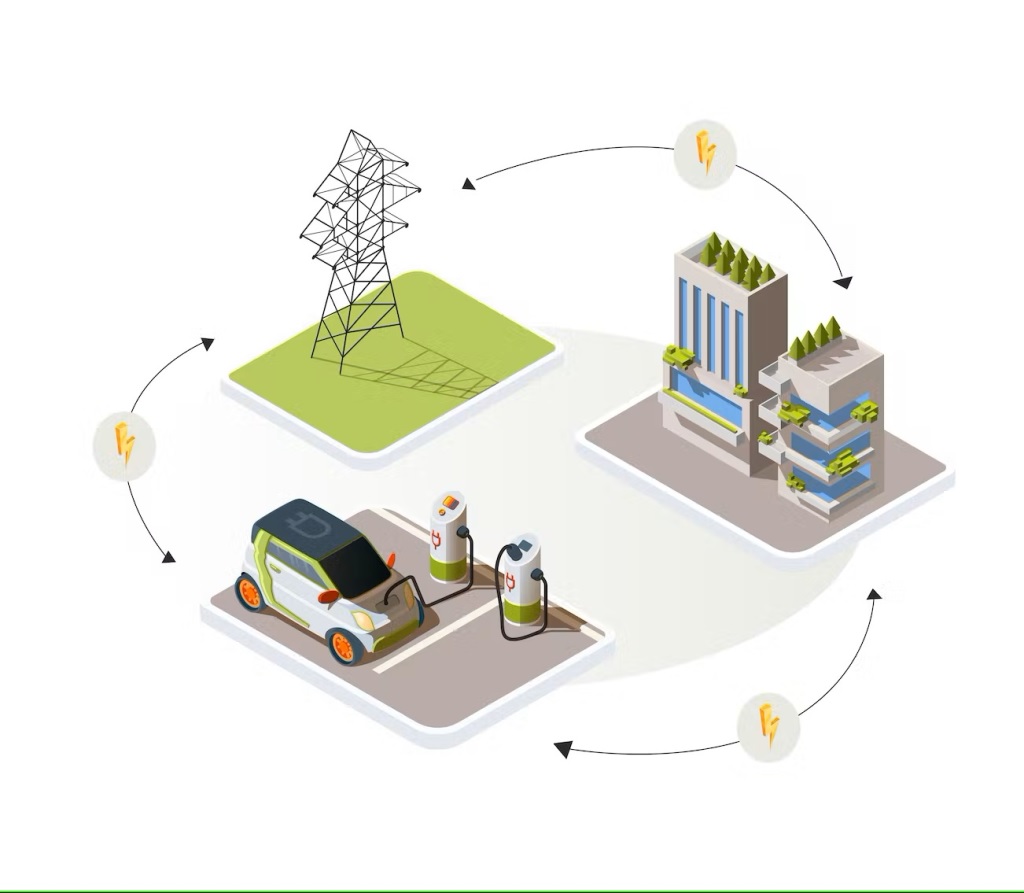
Electric Vehicles vs. Artificial Intelligence.
Faced with this pressure, a crucial debate has emerged among experts in the electric power sector. The central theme of this discussion is the role that grid-connected electric vehicles (vehicle-to-grid, or V2G) could play. These vehicles not only consume electricity for charging but can also contribute to energy system stability by feeding energy back into the grid during periods of high demand.
However, if energy consumption by artificial intelligence facilities continues to rise without the implementation of effective management and flexibility mechanisms, the role of electric vehicles could be compromised or rendered less valuable when weighed against the massive demands of major consumers, such as data centers.
The potential for electric vehicles to contribute to energy demand management is a proven reality. Smart charging and V2G technologies enable vehicles to charge during times of low demand while simultaneously supplying energy to the grid during periods of high demand.
In principle, this measure would strengthen the resilience and stability of the electrical system. However, it must be noted that deploying these capabilities requires significant investment in infrastructure, regulation, and coordination among grid operators, charging managers, and automakers.
In contrast, data centers supporting AI services like ChatGPT operate with intensive, continuous consumption patterns that do not always align with times of lower grid stress.
Technical studies indicate that fluctuations in energy demand from these centers can cause sudden variations in grid voltage and frequency unless appropriate management measures are implemented. This situation may force operators to rely on costly energy sources and ancillary services to restore system balance, potentially negatively impacting the efficiency and reliability of the electricity service.
The implications extend beyond technical aspects to encompass economic and regulatory considerations as well. The high energy cost associated with operating AI infrastructure puts upward pressure on electricity prices, driving investment in generation and transmission, as well as in the energy autonomy of towns and cities.
This pressure compounds the debate regarding the investments needed to scale up renewable energy sufficiently to meet both traditional consumption needs and the new demands imposed by AI.
Competition among emerging technologies for a finite resource like electricity reveals significant tensions within the current energy framework. The stabilizing role of electric vehicles—viewed as a key component of future smart grids—could be partially or entirely overshadowed unless policies for flexible demand, adequate infrastructure, and a balance between renewable generation and intensive digital consumption are implemented.
The analogy comparing ChatGPT’s energy consumption to that of entire cities is not merely a startling statistic; it is a clear indicator that the energy system must transform to simultaneously accommodate the digital revolution and the transition to sustainable mobility.