Electric Vehicle Battery Durability
One of the most debated topics regarding electric cars centers on the lifespan of their most expensive components. Since the dawn of modern electrification, chemical battery degradation has been the primary argument cited by many drivers for resisting the switch. However, data gathered from years of large-scale monitoring is decisively debunking this myth: cell durability far exceeds the industry's own projections, though it depends heavily on a critical operational factor that does not always receive adequate attention.
Analyzing battery chemistry behavior under real-world usage conditions provides insight into the evolution of this technology. Current architectures are designed to manage charge and discharge cycles more efficiently than those of a decade ago. Nevertheless, how users interact with charging infrastructure has a crucial impact on system durability, determining whether the battery experiences minimal degradation or accelerated wear.
Battery lifespan.
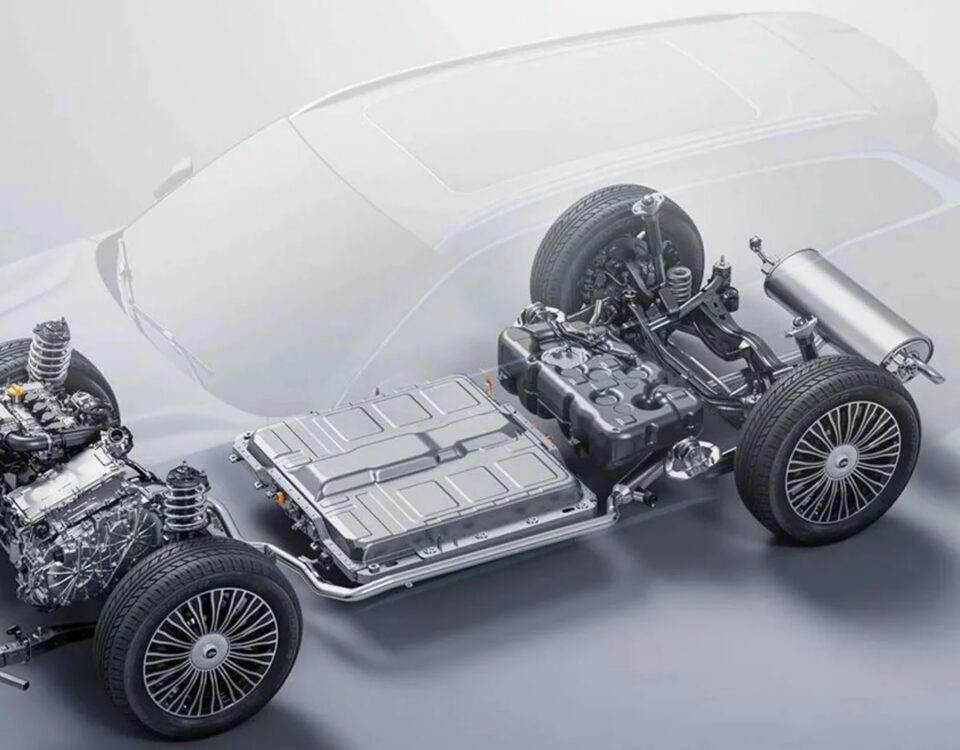
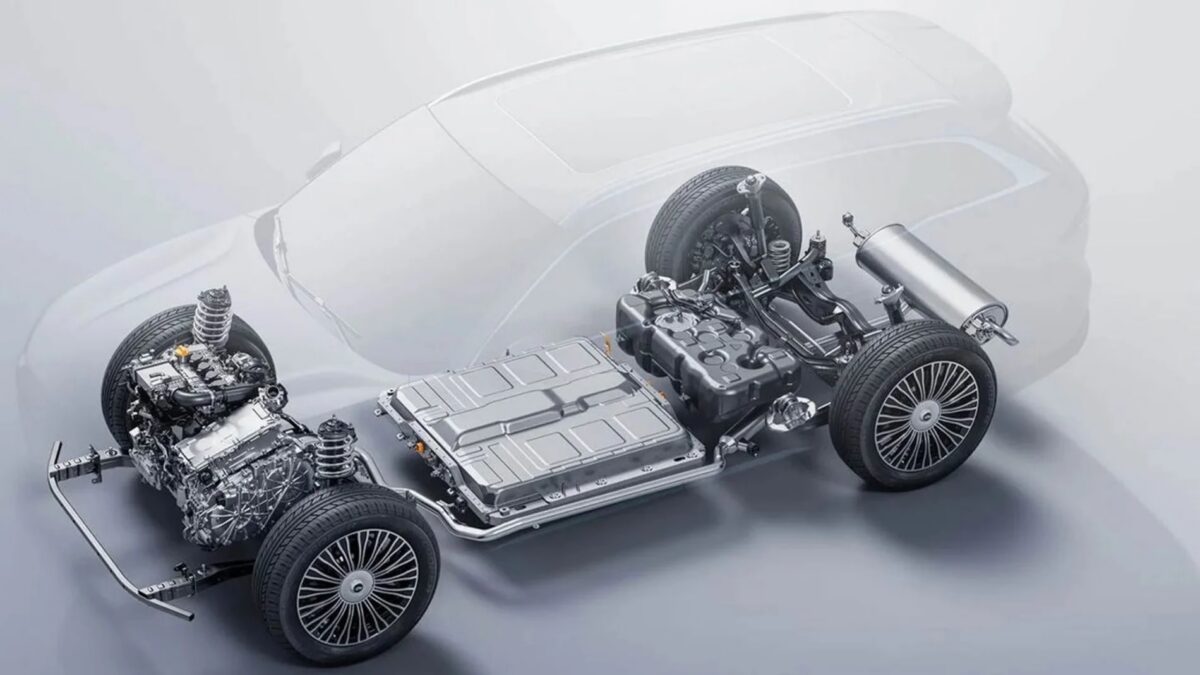
During the early years of electric vehicle expansion, it was predicted that batteries would suffer a significant loss of maximum capacity within a relatively short timeframe. However, a comprehensive study by the independent company AVILOO has shown that performance loss is considerably slower than initially estimated. Today, most battery packs on the market retain more than 80% of their capacity after covering distances exceeding 200,000 kilometers.
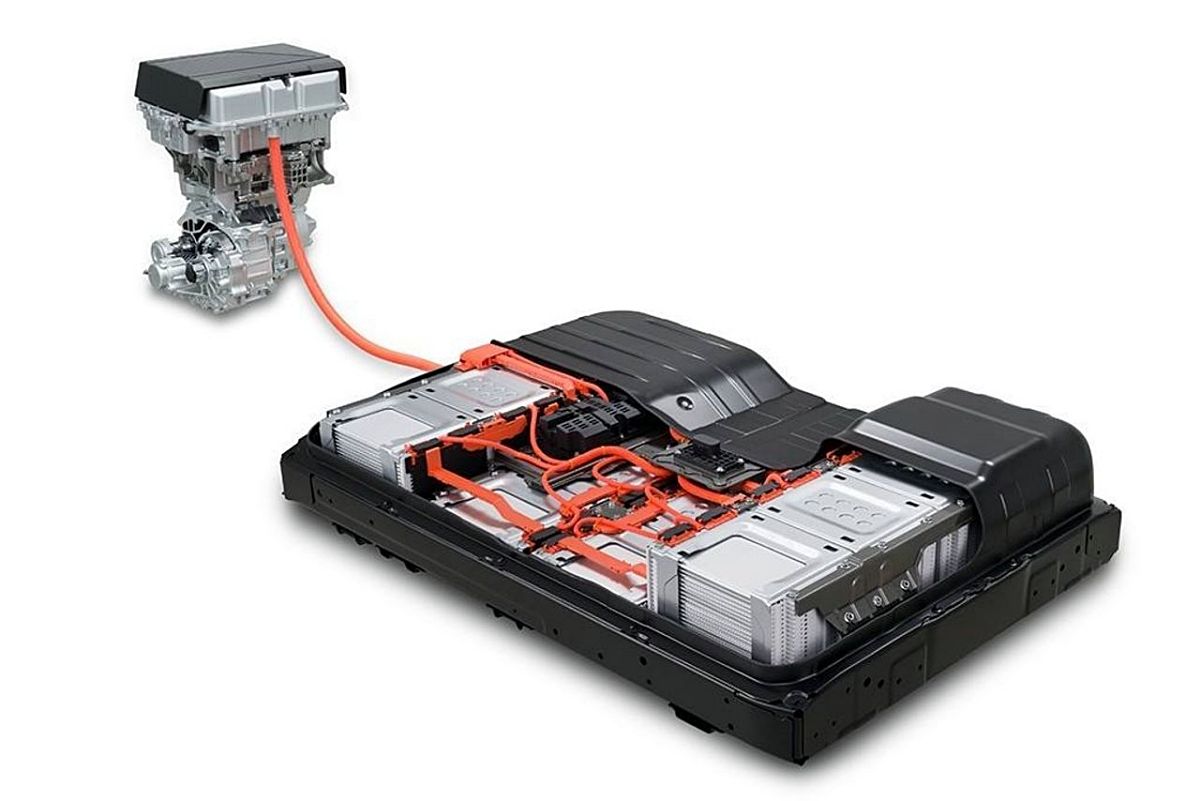
This remarkable progress is primarily attributed to the evolution of lithium-ion technologies and significant advancements in the development of more sophisticated thermal management systems. The cells are designed to withstand higher temperatures than those of previous generations, thanks to the implementation of liquid cooling circuits that keep the pack within its optimal operating range, regardless of ambient temperature or power demand on the drivetrain.
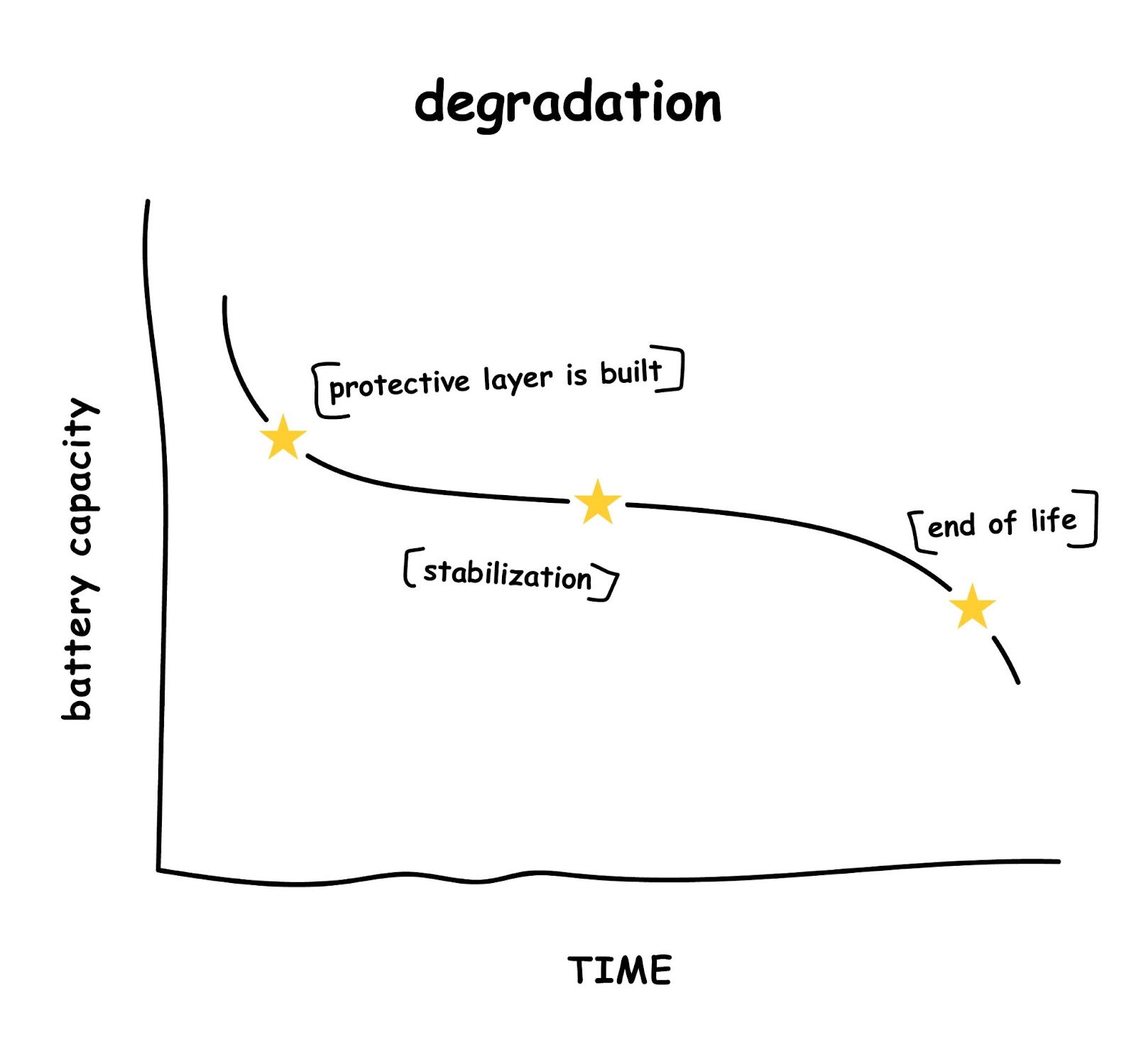
The concept of the full lifecycle has undergone a remarkable transformation. It is important to note that a battery's functionality remains consistent even as its energy density drops, although the driving range per charge progressively decreases. In practice, the rate of degradation tends to stabilize after a slight initial decline during the first few thousand kilometers, entering a plateau phase where capacity loss is almost imperceptible during daily use.
The critical factor that can have a real impact.
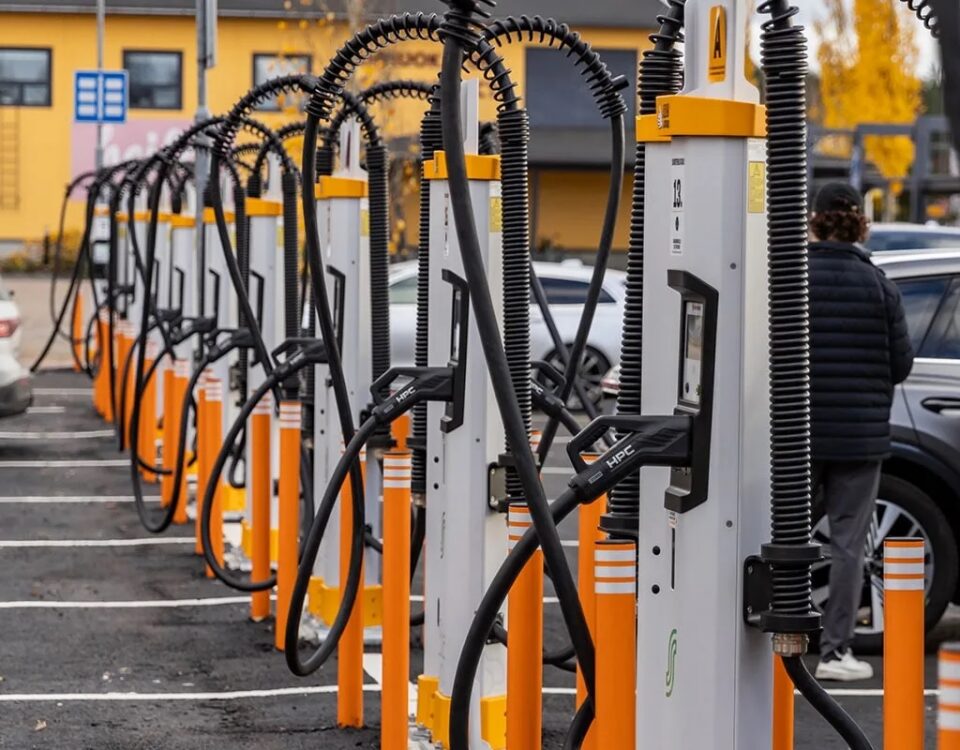
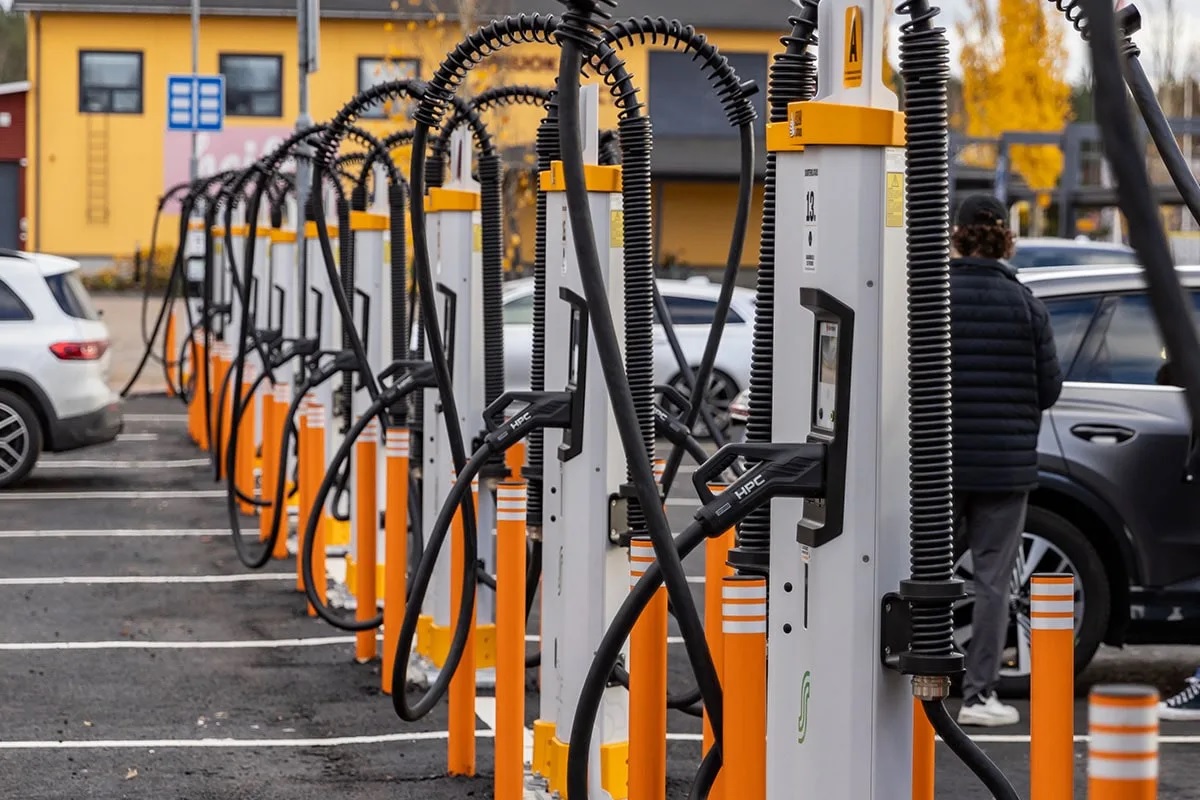
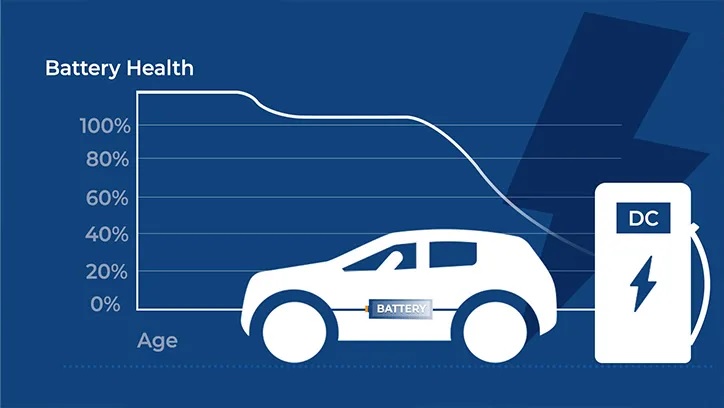
Despite the robustness of modern batteries, one crucial aspect directly influences their longevity: the stress caused by continuous fast charging and maintaining extreme states of charge. While the battery chemistry can handle high power levels, excessive use of high-intensity direct current generates internal heat that accelerates cell wear—a phenomenon known as "lithium plating."
The critical issue lies not in the occasional use of ultra-fast charging networks during long-distance trips, but in adopting this practice as part of a regular routine. When a battery is repeatedly exposed to high power levels unnecessarily, the internal resistance of the cells increases significantly. Similarly, leaving the vehicle parked for extended periods with the battery charged to 100% or below 5% places unnecessary stress on the electrodes.
Automakers have incorporated protective safeguards into vehicle software, yet ultimate responsibility rests with the driver and their driving habits. Limiting daily AC charging to the 20%–80% range significantly slows the rate of degradation. The real secret to ensuring the battery outlasts the vehicle's expected lifespan lies in striking a balance between thermal performance and current modulation.