
The downsides of plug-in hybrids
It is undeniable that plug-in hybrid vehicles have established themselves as a highly effective mobility solution. With impressive energy performance—exceeding 100 kilometers of electric range in most recent models—and the significant advantage of qualifying for the DGT’s "Zero Emissions" label at a more competitive price point than pure electric vehicles, they offer an exceptional blend of the best features of both electric and internal combustion vehicles. But do they also bring the worst of both worlds?.
With sales growing at a monthly rate of 25% and a market share reaching nearly 13% of total registrations in August—closing the gap with diesel and gasoline technologies for the first time—it is safe to conclude that PHEVs have been a resounding success. Furthermore, the range of available models continues to expand, particularly following the arrival of numerous options from Chinese manufacturers. However, as previously mentioned, not all plug-in hybrids are as advantageous as they appear.
Plug-in hybrids emit six times more CO2 in real-world conditions.
According to a recent report by Transport & Environment (T&E), the average CO2 emissions of these vehicles in real-world driving conditions are six times higher than the levels recorded during official type-approval tests. This discrepancy is based on the latest data provided by the European Environment Agency (EEA). The analysis confirms that data for vehicles registered in 2024—recently published by the European Union—places the average real-world emissions of plug-in hybrids at 145 grams of CO2 per kilometer, compared to the 24 grams per kilometer recorded in official tests. T&E reports that "the gap between real-world and type-approved emissions has been widening since the European Union began collecting real-world emissions data in 2021," noting that in just one year, "real-world emissions rose by 5%, while type-approved figures fell by 15%."
According to T&E, a recent study shows that plug-in hybrid electric vehicles (PHEVs) emit 145 grams of CO2 per kilometer in real-world conditions—only 14% less than conventional combustion-engine vehicles, which average 169 grams per kilometer. These findings confirm an ongoing trend: plug-in hybrid emissions are increasingly resembling those of conventional gasoline and diesel models.
Consequently, the future of this technology is closely tied to the debate over European passenger car emissions regulations and the future of sales for combustion-engine and hybrid vehicles beyond 2035. T&E has formally urged the EU to proceed with the planned update to "utility factors"—metrics used to calculate PHEV CO2 emissions and align official figures more closely with real-world performance.
Plug-in hybrids: the least reliable option.
However, the current discussion extends beyond PHEV emissions. These models also raise market concerns regarding reliability, as they frequently perform poorly in various studies and breakdown reports. Over time, they tend to experience more frequent failures than either pure electric vehicles or traditional combustion-engine cars.
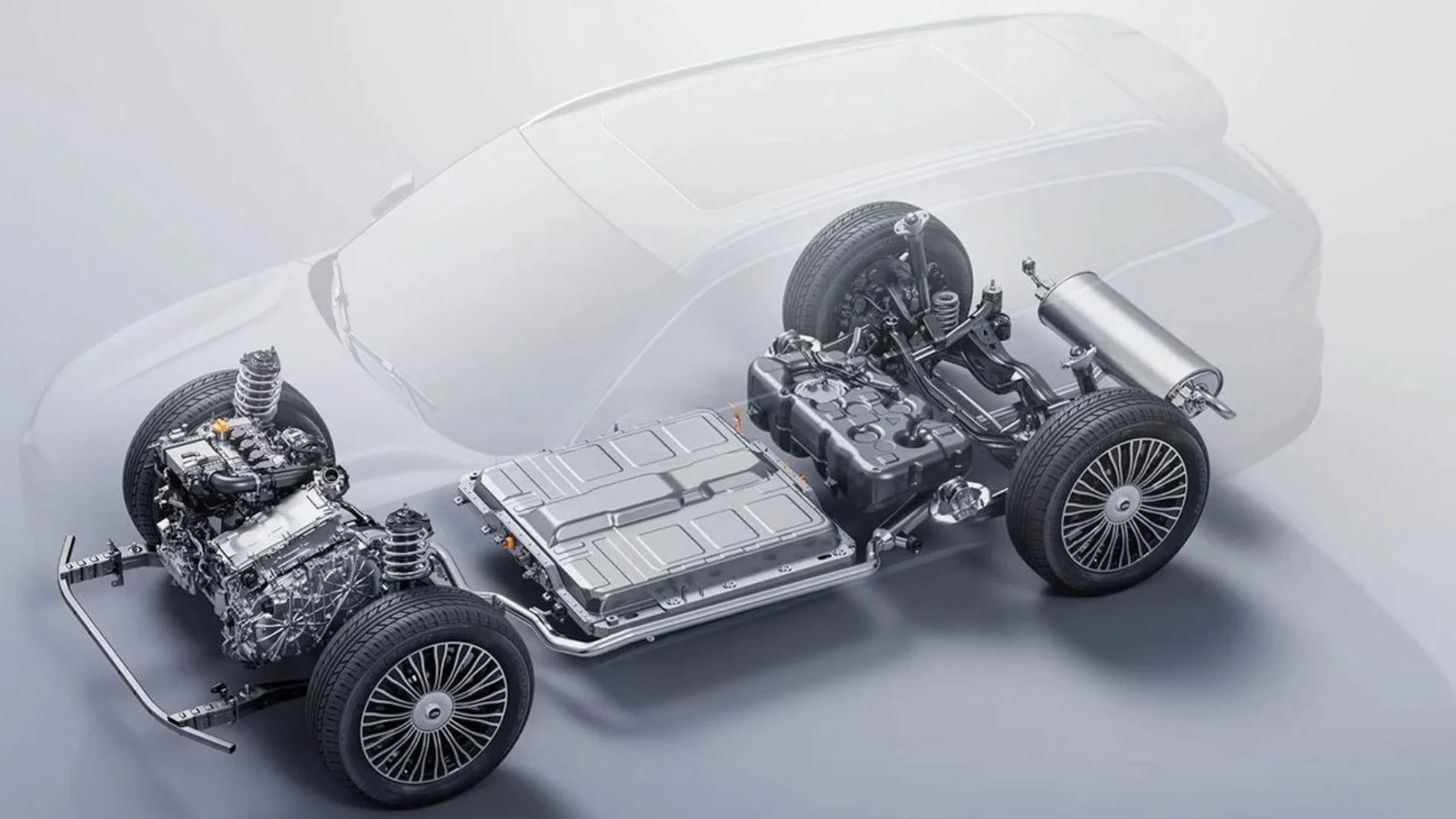
Indeed, when considering the integration of cutting-edge components—whether in electric or combustion vehicles—it is essential to acknowledge the limitations inherent in such high technical complexity. This situation can lead to various breakdowns—such as those involving the turbo and batteries—due to the presence of a large number of components that, consequently, are susceptible to potential failures and issues.
Why plug-in hybrids are less reliable today.
Below, we outline the main problems and defects facing plug-in hybrid cars, according to the latest reliability studies published in Europe.
- Dual mechanical system.
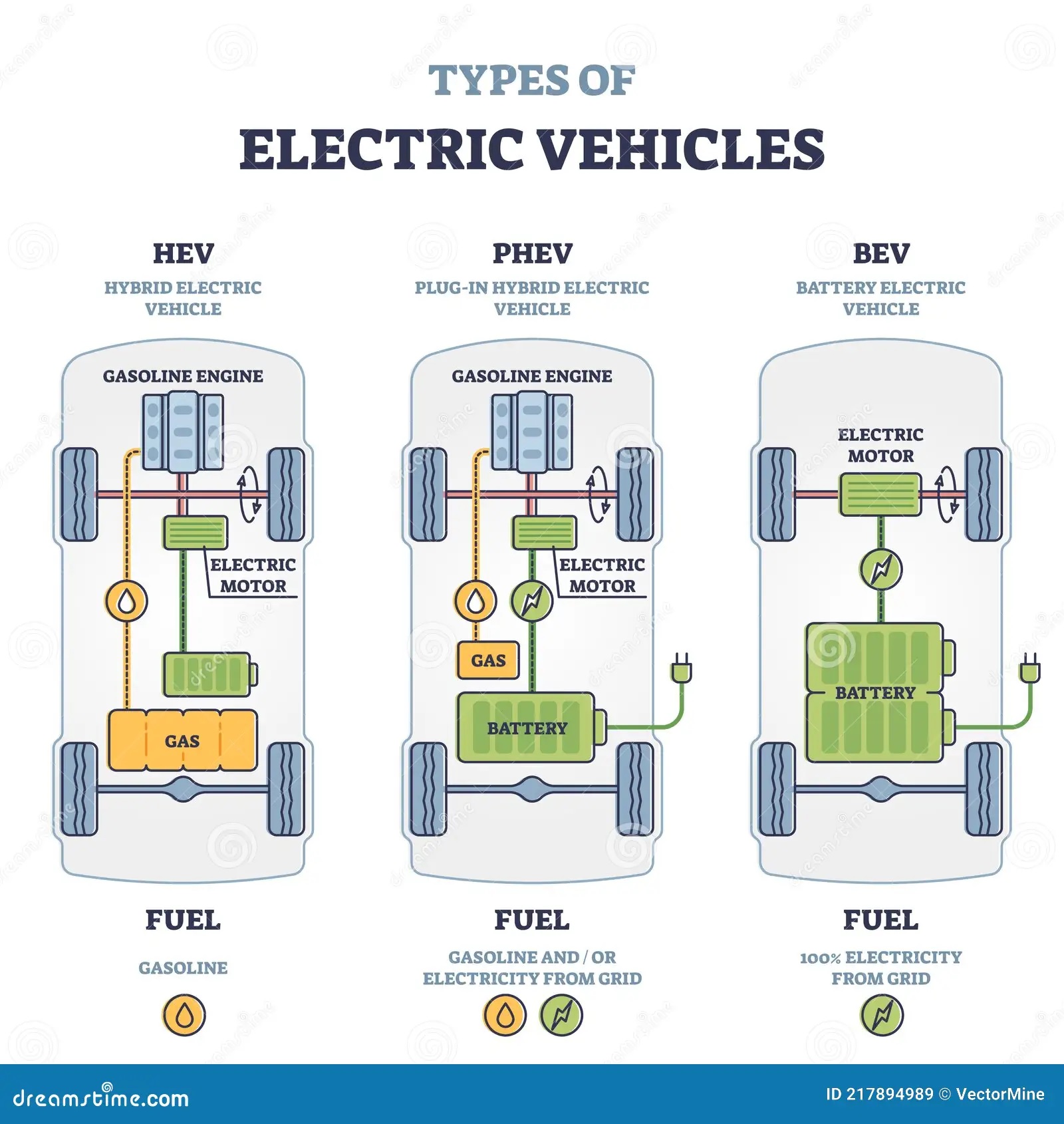
These cars combine an internal combustion engine with one or more electric motors and a large battery, effectively doubling the potential points of failure.
- Increased complexity.
These PHEV vehicles require sophisticated electronic management systems to switch between or combine both power sources, which increases the likelihood of long-term breakdowns.
- Quality statistics.
Reputable industry reports, such as those from J.D. Power, indicate that plug-in hybrids exhibit more initial problems per 100 vehicles (PP100) compared to pure electric vehicles (BEVs).
- Greater wear and maintenance needs.
Furthermore, these models are susceptible to both typical combustion-related issues (belts, injectors, exhaust systems) and failures involving high-voltage electrical components and battery degradation.
Frequently asked questions about plug-in hybrid cars.
- Are plug-in hybrid cars reliable?.
Yes, plug-in hybrid vehicles may have a higher number of reliability issues compared to pure electric vehicles. This is attributed to its greater mechanical and electronic complexity. PHEVs combine a combustion engine with one or more electric motors, a high-capacity battery and different energy management systems, which means a greater number of components susceptible to failure.
- How much does a plug-in hybrid car really pollute?.
It is important to keep in mind that the actual emissions of a plug-in hybrid vehicle may differ significantly from the results obtained in official approval tests. According to data released by T&E, PHEVs registered in 2024 exhibited real average emissions of 145 g of CO2 per kilometer, in contrast to the 24 g/km reported in official tests.
- What breakdowns are most common in a plug-in hybrid?.
A plug-in hybrid vehicle can experience both the typical breakdowns of a combustion engine car and problems related to its electrical components. Possible failures include turbo breakdowns, problems with high-voltage electrical components and battery degradation, as well as mechanical elements such as belts, injectors or exhaust systems.
- Is it worth buying a plug-in hybrid car?.
A plug-in hybrid vehicle can be an interesting alternative for those looking to combine electric driving with the autonomy of a combustion engine. The most recent models offer electric ranges that exceed 100 kilometers in many cases and may have the 0 Emissions label from the General Directorate of Traffic (DGT). However, before purchasing one, it is advisable to evaluate its greater mechanical complexity and the discrepancies between its approved and actual consumption and emissions.
- Why can plug-in hybrids have more breakdowns than electric cars?.
The main reason for this lies in its greater technical complexity. The PHEV system integrates the components of a combustion vehicle with those of an electric vehicle, resulting in greater mechanical complexity and a greater maintenance and repair requirement. This combination can include everything from traditional mechanical elements to high-voltage electrical components and a high-capacity battery.