

Download the audio
- Introduction.
The class develops how changes in CO2 emission measurement standards will affect the subsidies currently received by plug-in hybrid vehicles in several European countries, or governments will act, or their sales will plummet.
- Plug-in hybrid vehicles.
Ironically, it could be said that, since the first models appeared on the market, these vehicles have always been driven more by tax incentives than by their technical merits or low fuel consumption.
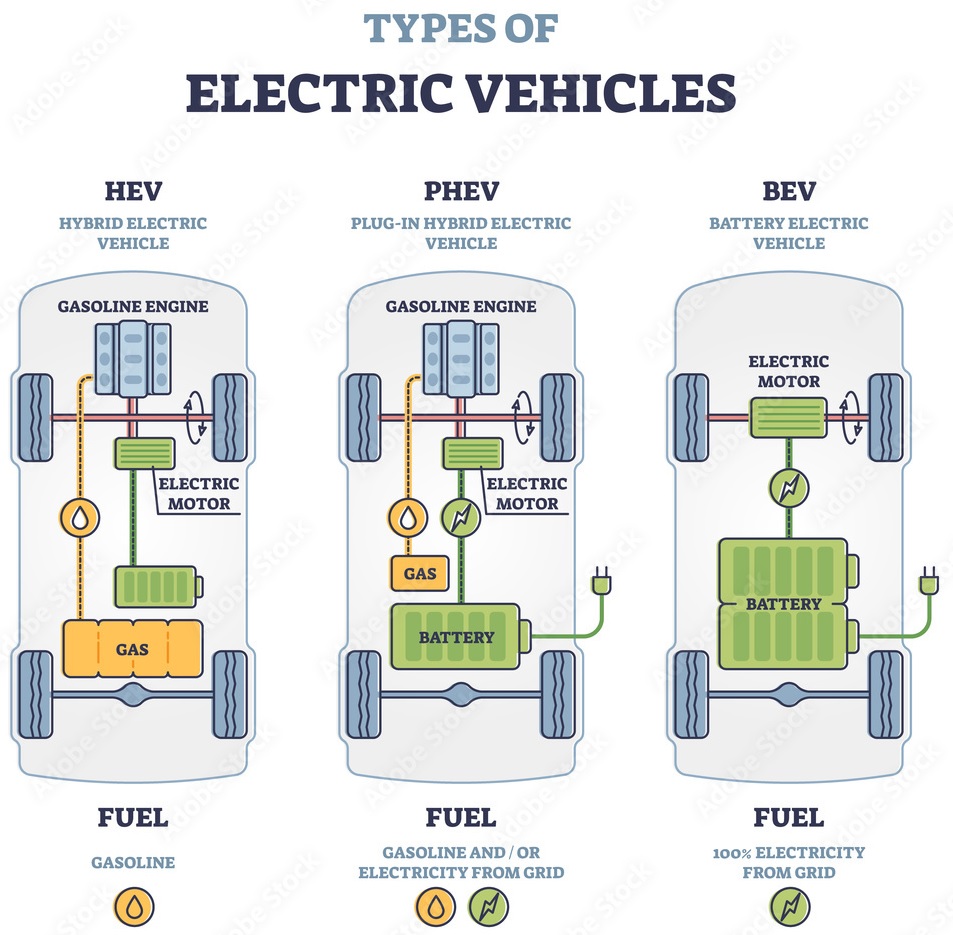
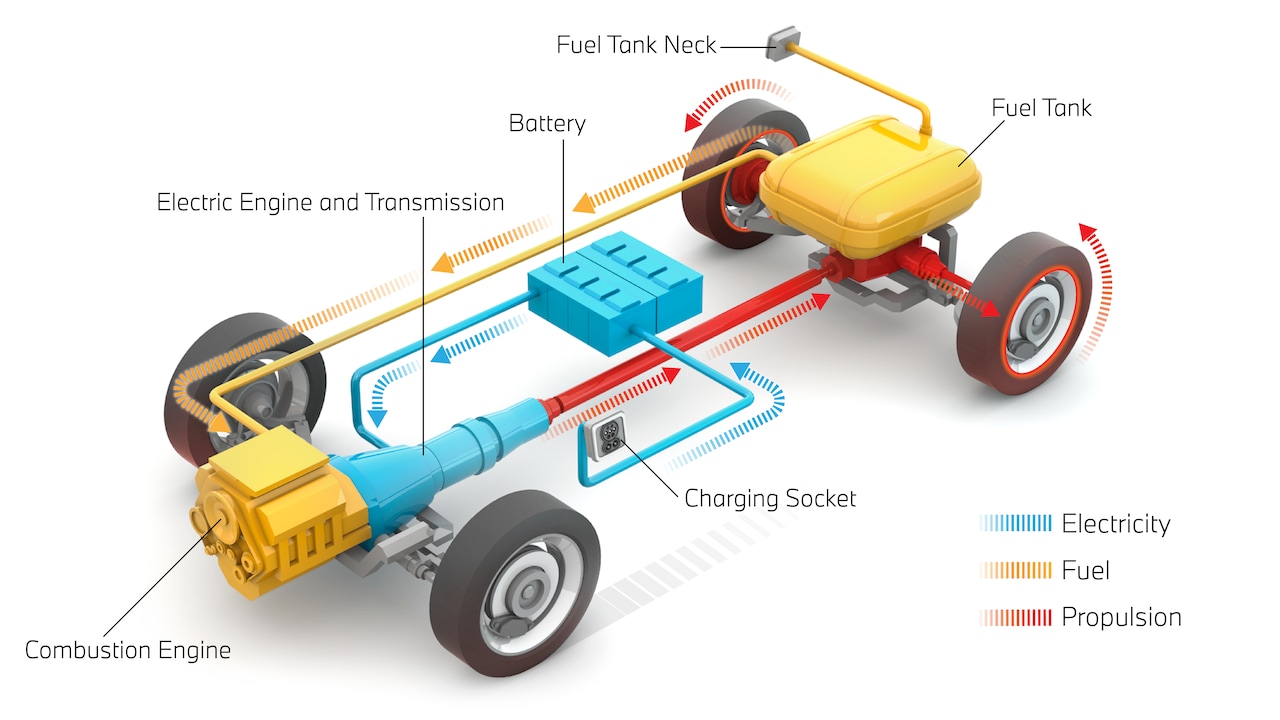
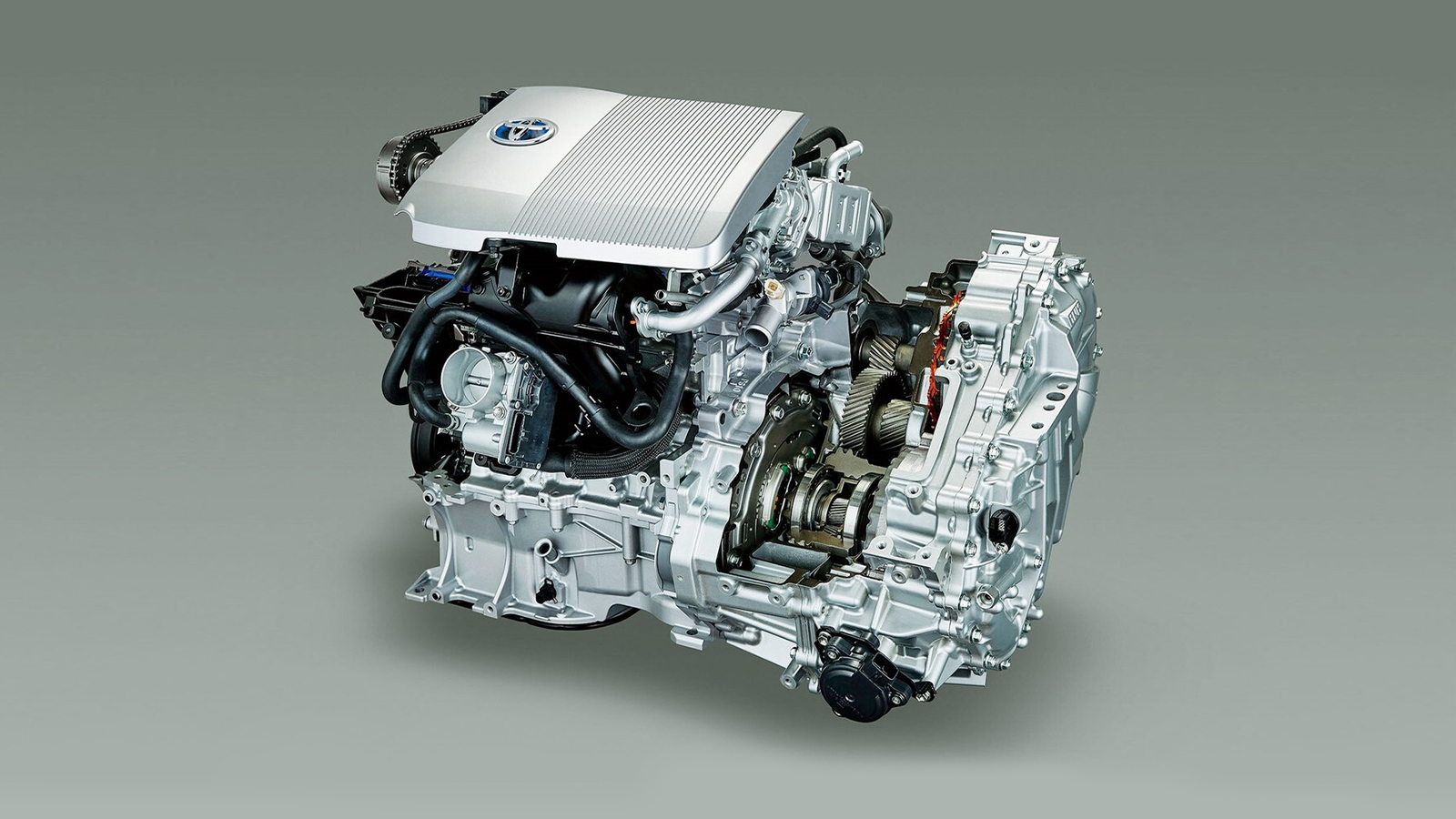
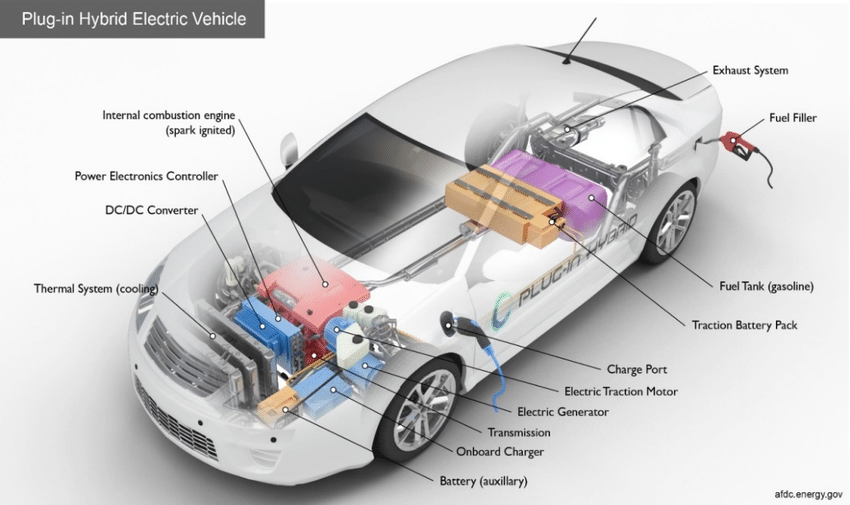
It is precisely these tax incentives that have kept buyers interested in these types of models, which have two types of engines, one internal combustion and one electric, as well as a gas tank and a battery whose capacity and weight have increased over the years.
The current success of plug-in hybrid vehicles lies in their ability to run using only the electric motor, only the gas engine, or both simultaneously. And, of course, in their DGT 0 emissions label. In theory, they are a good solution, as they allow the electric motor to be used in the city and the combustion engine on the highway. However, the efficiency of a plug-in hybrid depends largely on the driver's habits, i.e., whether or not they charge the battery often enough to be able to drive in electric mode most of the time.
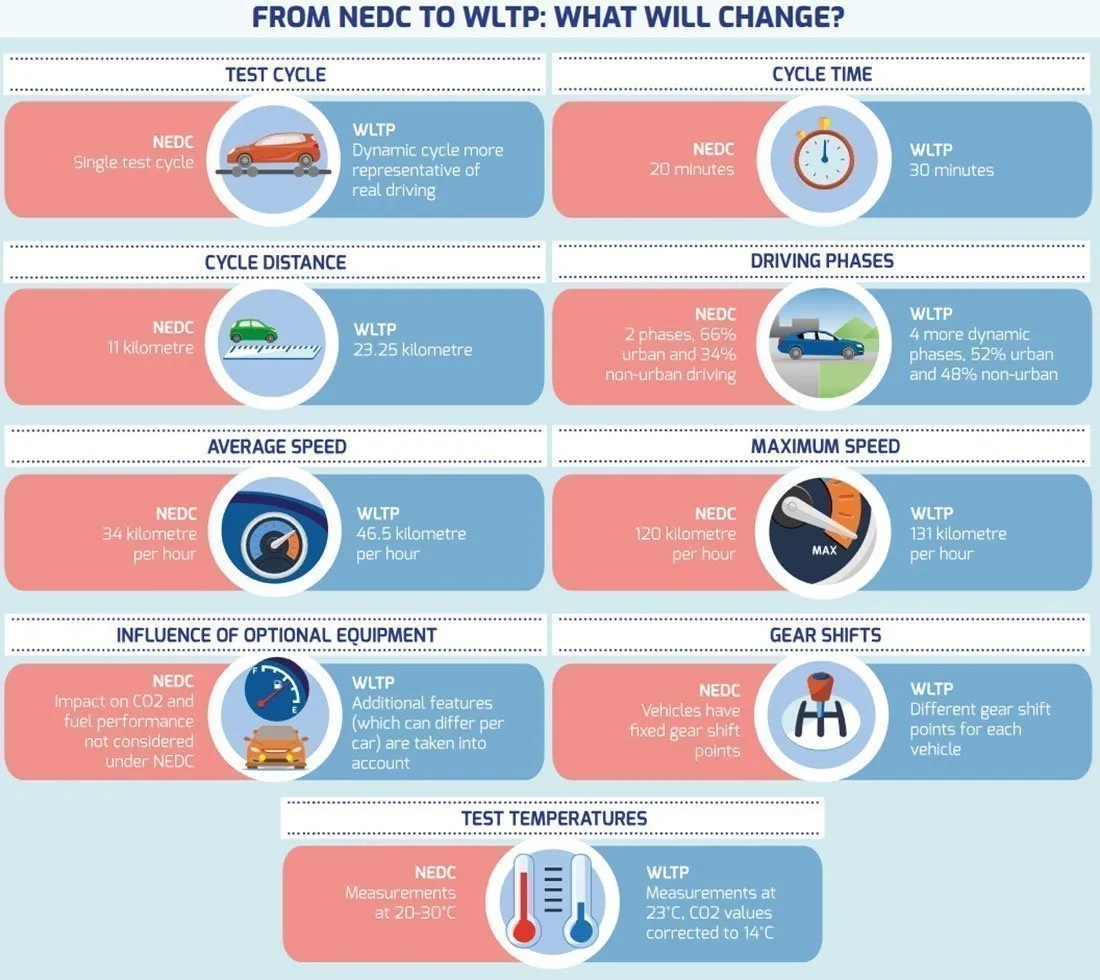
The second premise, related to the first, is the method used to measure CO2 emissions in the laboratory, known as the WLTP standard. Until now, the measurement began with the battery charged to 100%, meaning that a significant part of the test was carried out without starting the combustion engine. When starting, the system continues to benefit from the hybrid effect for the rest of the test.
The problem is that the test distance is short, so increasingly lower fuel consumption and emission figures are obtained, as a significant part of the test is performed with only the electric motor running. In addition, the capacity of plug-in hybrid vehicle batteries has continued to increase in recent months. If this method accurately reproduced reality, it would be excellent, but it does not.
- The reality of plug-in hybrids is different.
Most plug-in hybrid vehicles are sold to company fleets, as they are the main beneficiaries of tax breaks. The problem is that many drivers use their company fuel card for convenience and rarely bother to disconnect the cables and charge the battery, which causes fuel consumption and actual CO2 emissions to increase significantly compared to theoretical values.
This conclusion was reached by a recent study by the European Commission, which found that the actual CO2 emissions of plug-in hybrids are 350% higher than those theoretically predicted by the Euro 6e standard, an alarming result that is believed to have accelerated the modification of the Euro 6e standard to Euro 6e-bis with regard to plug-in hybrids.
In fact, it is hard to believe that politicians or anyone else were surprised by this result. Since the inception of plug-in hybrid technology in Europe, the use of such vehicles has been surrounded by doubt, if not outright falsehood. It is not that car manufacturers developed this technology with the intention of deceiving customers or the government. In fact, from the outset, it was the way drivers used this technology that distorted the concept.
By not recharging the battery, either out of laziness or because there are not enough charging points, drivers are not taking advantage of their cars' CO2 emission reduction potential. In cases where governments offer significant tax incentives for plug-in hybrids, the decision to purchase one of these vehicles is based solely on those incentives. This has already been proven in markets that stopped offering these incentives, as they were considered irrelevant when making the purchase decision. The next day, sales of plug-in hybrids plummeted.
- The moral issue and the problem of controlling the use of these cars.
The behavior of plug-in hybrid vehicle drivers is also morally questionable, as they reap benefits that are unavailable to those who can only afford much cheaper cars. Furthermore, they do not even comply with minimum standards of civility, which would consist of charging the battery as much as possible to use the plug-in hybrid's electric mode and reduce CO2 emissions.
However, controlling how each plug-in hybrid operates on the road is an impossible task, despite Stellantis suggesting a solution with a light placed in front of the rearview mirror, clearly visible from the outside, which only illuminates when the plug-in hybrid is operating in electric mode.
- The European Union will raise taxes and requirements for plug-in hybrids.
As control is impossible, the European Commission has given up on maximizing the plug-in hybrid concept and has stopped relying on theoretical values in favor of values closer to actual use, even though this is considered incorrect. Instead of launching a campaign to explain and encourage the correct use of plug-in hybrids, both those who do not use them and those who do are penalized. And so taxes are raised, which is the usual strategy of those who govern us.
The first change introduced in the Euro 6e standard was to increase the duration of the test from 800 kilometers to 2,200 kilometers, and the second was to reduce the utilization factor in 100% electric mode. All this was done in order to better align it with the reality of the new 6e-bis standard.
- Prices for plug-in hybrid cars are set to rise.
The results are as expected: calculated CO2 emissions values double for some models and increase for all. For larger, heavier models, precisely those that most frequently use plug-in hybrid technology, this redefinition of the measurement standard leads to a considerable increase in CO2 emissions for each model, which means a reduction in tax incentives in some countries. This causes an increase in the price of plug-in hybrids and a decrease in sales.
All markets where plug-in hybrid sales are significant have had to revise tax incentives for this type of vehicle to prevent them from ceasing to be a purchase option for administrative rather than technological reasons. Some models may still experience price increases in markets where the final tax value takes CO2 emissions into account.
However, it will mainly be the larger, more powerful, and more polluting models that will become more expensive. On the other hand, it is also possible that this redefinition of the standard will lead to fairer rates for smaller plug-in hybrids, which actually emit less CO2.
- Merits and demerits of plug-in hybrids.
Of course, the debate over the advantages and disadvantages of plug-in hybrid vehicles remains open. For some, they are a good way to convince drivers of traditional combustion cars to adopt electrification. A plug-in hybrid vehicle still has a combustion engine that is the main one. It is this engine that the driver can rely on when they need to make a long highway trip or reach places where there is no easy way to recharge the battery. Even without a fully charged external battery, a plug-in hybrid is still a hybrid vehicle and uses the energy regenerated during deceleration to help the gasoline engine run with relatively low fuel consumption.
However, some people view plug-in hybrids differently and consider them inefficient cars that need two engines, one electric and one combustion, in addition to the fuel tank and battery. In 100% electric mode, some of the energy is used to move the weight of the combustion engine. In addition, the battery of a plug-in hybrid is rarely charged quickly with direct current, taking about three hours to reach 100% at an alternating current charging point.
This load limits the maximum electric range to 120 kilometers. Those who defend this position advocate a direct transition from combustion cars to electric cars, but they do not address the issue of long-distance travel and suggest renting a combustion car for such journeys.
- Conclusion: the future will be 100% electric.
For manufacturers, even those who had already announced that they would only produce 100% electric models in the future, changing course and keeping plug-in hybrids in production significantly increases profit margins, as they do not need to continue developing combustion engines and can thus keep in production a technology whose investment has long since paid for itself. In other words: less investment, more profits, which can be allocated to the development of electric vehicles.
Perhaps this boom in plug-in hybrid vehicles will contribute to a more equitable distribution of tax advantages, which would focus on smaller, more fuel-efficient, and more economical models. However, it will always be a short-term measure.
This is because, although the 6e-bis regulation came into force on January 1, 2026, progressively more restrictive measures are already planned for the following years, starting with the 6e-bis FCM regulation, in which the reference range increases from 2,200 kilometers to 4,260 kilometers, and subsequently, in 2027, the dreaded Euro 7 regulation.
Amidst all this, the European Commission has already admitted that plug-in hybrid vehicles could continue to be sold beyond 2035, contrary to initial plans; however, they would have to be an improved version with greater electric range than the current models. And only during a transition period. One thing seems certain: the European Commission's intention has not changed, the future will be 100% electric.
- Thank you for your time.
The class has developed how changes in CO2 emission measurement standards will affect the subsidies currently received by plug-in hybrid vehicles in several European countries. Either governments take action, or sales will plummet, see you soon.