
Download the audio
- Introduction.
The class develops the failed electrification initiative of the Austrian police force, its reasons, and its causes.
- “Project Tron.”
Following a two-year evaluation known as “Project Tron,” Austria has determined that electric vehicles are not suitable for use as patrol cars.
Police vehicles are a topic that always attracts attention. In recent years, numerous European governments have begun experimenting with the introduction of zero-emission models into their security officers’ vehicle fleets. The Government of the Republic of Austria has launched a pilot project with the aim of evaluating the feasibility of using electric vehicles in the police patrol fleet. After several months of rigorous testing under real-world conditions, it has been concluded that the results have not met expectations.
Austrian authorities have determined that this type of vehicle is only suitable to a limited extent for police duties, and therefore the decision has been made to take them out of service.
- A two-year pilot program.
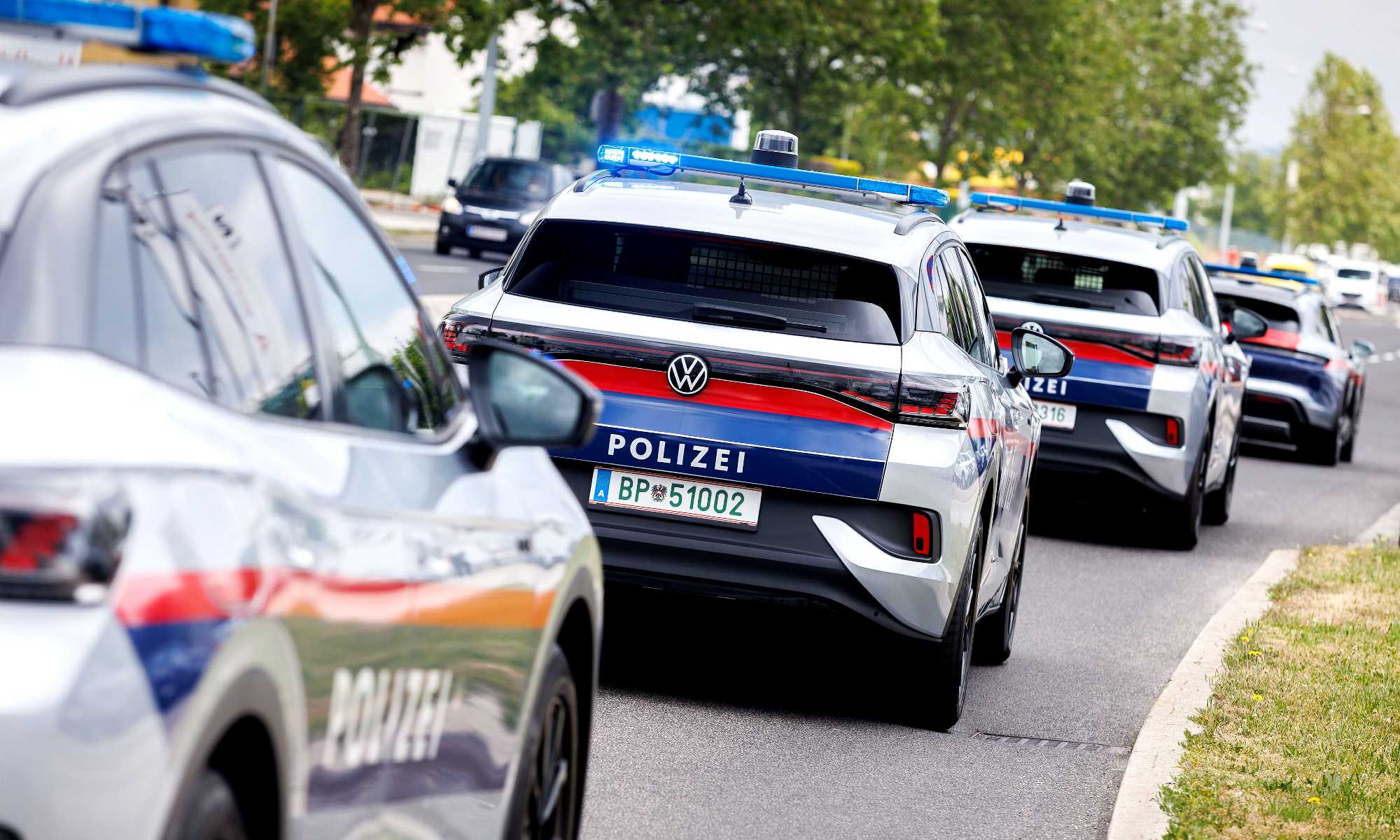
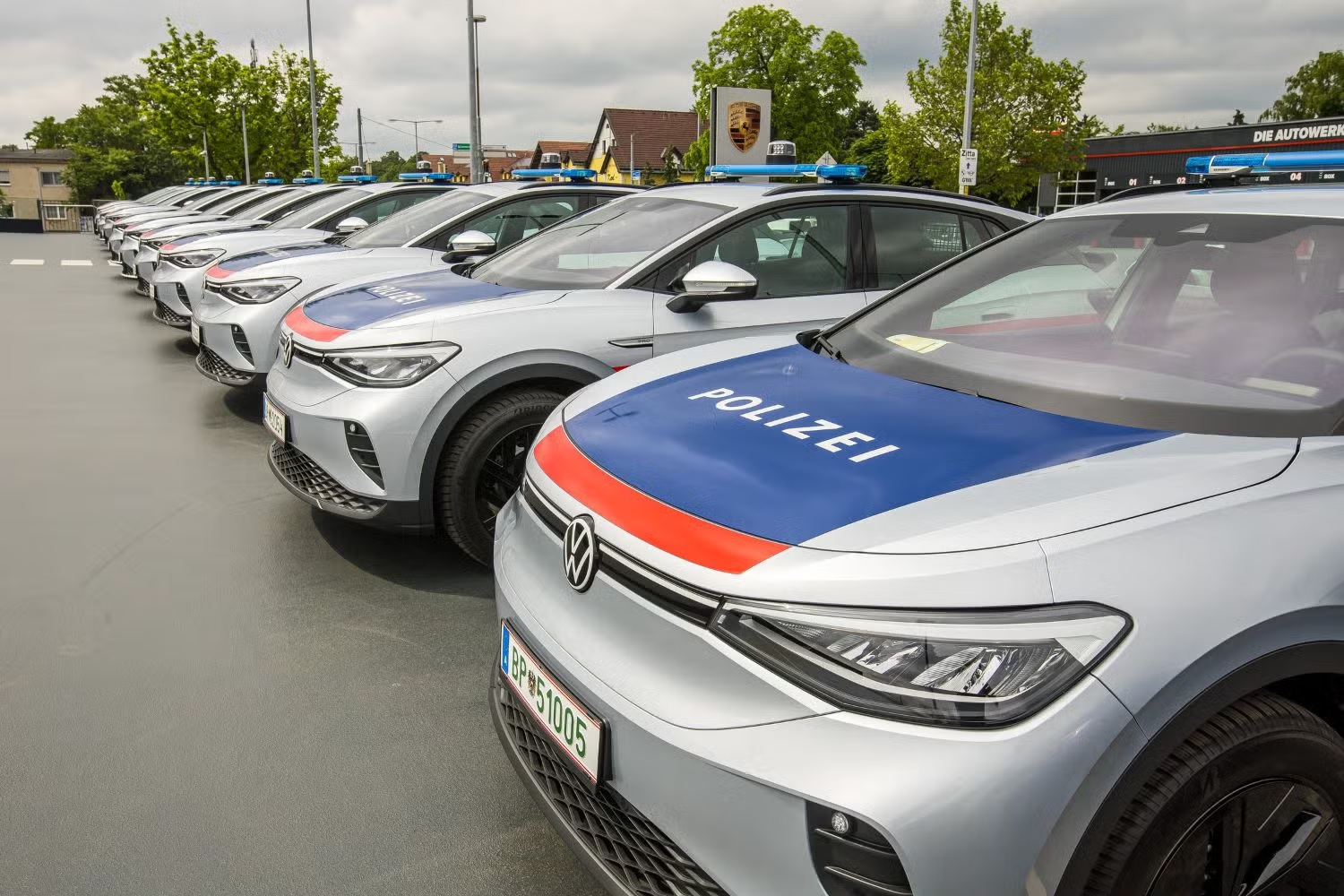
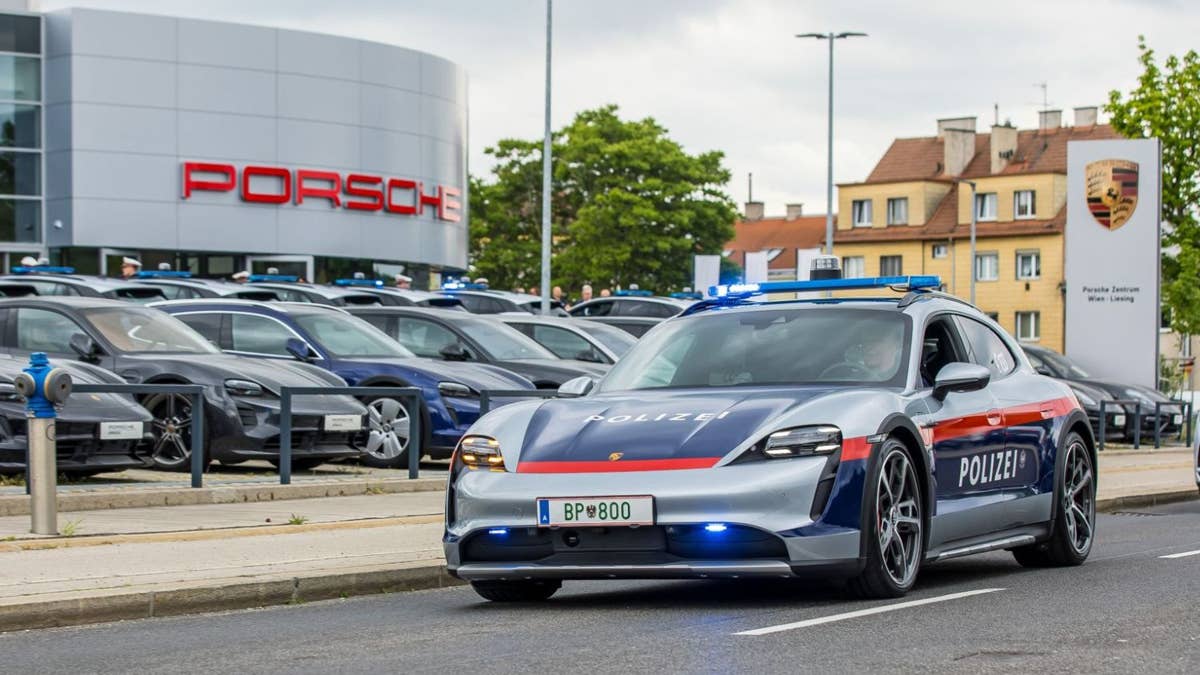
The pilot program, known as “Project Tron,” was launched in January 2024 under the coordination of the Austrian Ministry of the Interior. The initiative involved adding a fleet of 24 electric vehicles to the federal police’s vehicle fleet. Among the models used were several Volkswagen ID.3 and Volkswagen ID.4 vehicles intended for general patrol duties, as well as a Porsche Taycan used for highway surveillance.
The Director General of Public Safety stated at the start of the project that “by testing vehicles with alternative propulsion systems, we can gain the necessary experience to determine whether trouble-free operation can be guaranteed at all times and what special safety requirements are necessary for their use by the police.”
The main objective of this study was to verify the feasibility of these cars being able to, at least in part, replace the combustion-engine vehicles used by the police in their daily work. Therefore, throughout the entire program, the electric vehicles were used under standard operational conditions, that is, for routine patrols, emergency responses, and highway police presence. This allowed project managers to evaluate the vehicles’ performance in realistic scenarios and compare it with that of diesel or gasoline-powered cars.
- The challenges of electric police cars.
After approximately two years of testing, the Ministry of the Interior has concluded that electric vehicles are not suitable for general patrol duty. Among the main issues identified are limited range and difficulties in managing recharging within the unpredictable nature of police work. Unlike other institutional uses of automobiles, police patrols do not follow fixed routes or schedules, which complicates planning breaks to recharge batteries. Furthermore, it is imperative that officers be continuously available to respond to emergencies, which requires that vehicles be operational at all times.
Another factor highlighted by authorities is the additional weight of police equipment. Patrol vehicles are typically equipped with a variety of devices, such as radios, computers, signaling systems, cameras, and protective gear. The extra weight of this equipment significantly affects vehicle performance, especially in the case of electric vehicles, where it directly impacts energy consumption and available range. Consequently, the actual distance they can travel before needing to recharge is significantly reduced compared to the theoretical range advertised by manufacturers.
In addition, project leaders have pointed out that the logistical limitations of the charging system pose a significant obstacle. Although the charging infrastructure for electric vehicles is growing in Europe, it still does not meet the needs of emergency services, which require immediate availability and continuous operational time. This is considered a decisive factor, as it has been determined to be incompatible with police operations.
As a result of these findings, the Austrian government has decided to phase out electric cars from patrol duty by the end of 2026. However, this does not mean they will disappear completely from the police fleet; they will continue to be used for less demanding tasks, such as administrative travel, internal transport, or non-urgent interventions, provided that charging can be reliably scheduled.
- Thank you for your time.
The class develops the failed electrification initiative of the Austrian police force, its reasons, and its causes, see you soon.