

Download the audio
- Introduction.
The class develops why electric vehicles are better protected against thieves, who tend to avoid them for some very interesting reasons.
- Electric cars are less likely to be stolen.
Electric vehicles are no longer considered merely an alternative. It is an indisputable fact that the number of electric vehicles on our roads is on the rise. The range of vehicles spans from motorcycles to trucks, including passenger cars. Over time, the advantages and disadvantages of these vehicles have been widely discussed; however, it had not previously been mentioned that electric cars are immune to theft. According to a recent study, electric vehicles are less likely to be stolen compared to other types of vehicles.
While public statistics show a modest increase in the number of stolen vehicles, it is important to note that the same reports emphasize that criminals show no interest in battery-powered cars. This phenomenon has sparked a debate among owners about the effectiveness of electric vehicle technology as an anti-theft system.

- According to the figures, there has been an uptick in conventional vehicle theft.
According to the latest crime report published by Spain’s Ministry of the Interior, a total of 33,032 vehicle thefts were reported in 2025. This figure represents a 0.2% increase over the previous year, marking a slight rise. This number represents the daily average of stolen vehicles. The problem remains a reality, despite technological advancements implemented in vehicles, such as increasingly sophisticated security systems. In Germany, the data is also unfavorable.
According to the most recent study published by Germany’s top traffic authority, the BKA, in 2024 more than 16,000 passenger cars remained at large after being stolen. This figure represents an increase compared to previous periods, with a rise of 1.3%. However, it is important to note that the contrast with electric models is significant. While SUVs and luxury sedans with combustion engines remain the primary targets of criminal organizations, electric vehicles rarely appear on the list of most-wanted vehicles.
International logistics plays a crucial role in this imbalance. In fact, a significant proportion of the cars stolen in Germany and Spain are destined for secondary markets in Eastern Europe, North Africa, and the Middle East. In these regions, electric charging infrastructure remains underdeveloped, which hinders mobility, charging, and, in particular, the resale of stolen electric vehicles at a price that justifies the risk of the crime.
- Technology acts as a barrier to entry.
The problem is not limited to the availability of power outlets; it is also influenced by the digital architecture of the electrical systems themselves, which further complicates the situation. These vehicles are equipped with greater connectivity, enabling more persistent remote tracking, a feature that is a major deterrent to traditional thieves. However, criminals are updating their methods and employing advanced techniques to bypass the security of many current models.
It is increasingly common for criminals to use signal boosters to trick the vehicle’s system into believing the key is nearby, thereby allowing them to unlock and start the car without having to force any parts. It is worth noting that electric cars do not require the key to be removed to unlock them, which is a security and convenience feature.
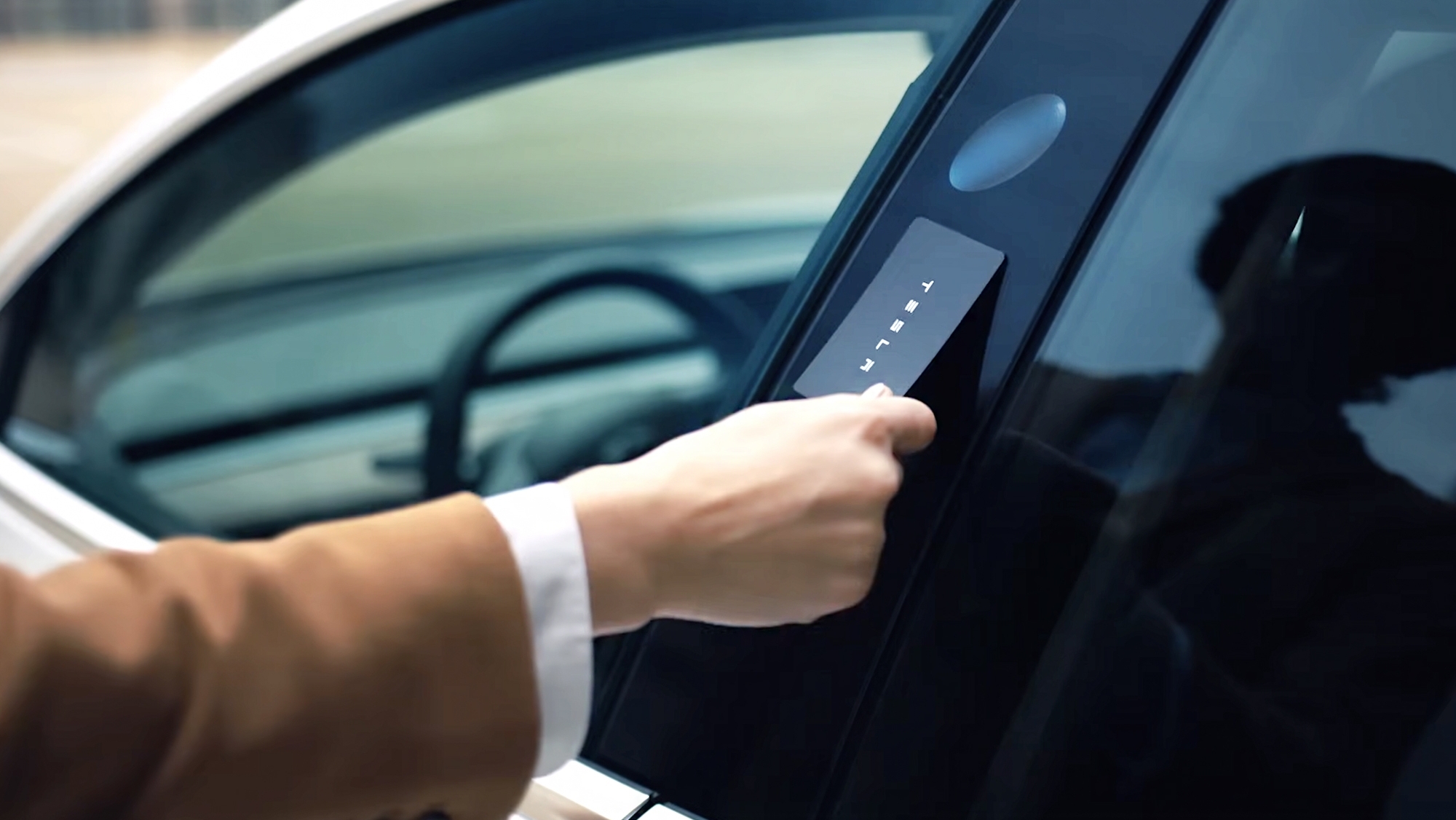
In certain cases, such as with Tesla, physical control is replaced by a card. Once the theft has been committed, GPS signal jammers are used to prevent the vehicle’s location from being tracked by the owner or law enforcement. Faced with difficulties in selling the entire vehicle, some criminal gangs are opting to steal specific parts instead of trying to sell the car as a whole.
- The black market and the thief’s “range anxiety.”
It is worth noting that so-called “range anxiety” affects criminals as well, which presents an almost poetic irony. Stealing an electric vehicle requires meticulous planning that includes the strategic selection of charging stations along the getaway route. It is important to note that these stations are typically equipped with surveillance and access control systems, such as cameras and digital identification processes, which are essential for safely and efficiently initiating the charging process. For a criminal seeking to remain unnoticed, stopping for 30 minutes at a charger represents an exposure they may not be willing to take.
Likewise, the black market’s interest in regions such as Southeast Europe or Western Asia is currently focused on combustion engine components. Electric motors and large-format batteries are more difficult to dispose of anonymously and require specialized technical knowledge to handle after theft, which significantly reduces the profit margin for organized crime groups.
- Lower risk for insurers and vehicle owners.
This trend has a direct impact on consumers’ wallets, specifically when it comes to insurance policies. If a model is less prone to theft, the risk for the insurer is reduced, which in the long term should translate into lower premiums for electric vehicles compared to their high-end gasoline or diesel counterparts.
In conclusion, while vehicle theft is a growing problem in Germany, Spain, and much of Europe, electric mobility currently offers an additional layer of security due to the lack of criminal interest. Until the global charging infrastructure reaches the same level as that for fossil fuels, electric vehicles will continue to be perceived as a less attractive option for criminals and, at the same time, will establish themselves as a valuable tool for those seeking to improve their sleep quality.
- Thank you for your time.
The class develops why electric vehicles are better protected against thieves, who tend to avoid them for some very interesting reasons, see you soon.