

Download the audio
- Introduction.
The class develops why hydrogen-powered vehicles are not viable due to the high cost of green hydrogen.
- Green hydrogen: the nearly perfect clean energy source, if not for its price.
This energy source is presented as a promising option for the future of energy. For more than four decades, hydrogen has been touted as the panacea, the future solution to our energy independence problems, and a measure to mitigate climate change. In principle, hydrogen offers nothing but advantages. It is the most abundant chemical element on Earth, and its combustion emits only water vapor as a byproduct.
The only aspect that could be considered an area for improvement is that, while there are projects for natural hydrogen wells, hydrogen essentially has to be produced. For a fuel to be considered eco-friendly, specifically green hydrogen, it must be produced using renewable energy. The drawback is that the product remains excessively expensive. Even oil companies, which initially showed a favorable interest in the project, have begun to reduce their investments in the sector due to a lack of profitability.
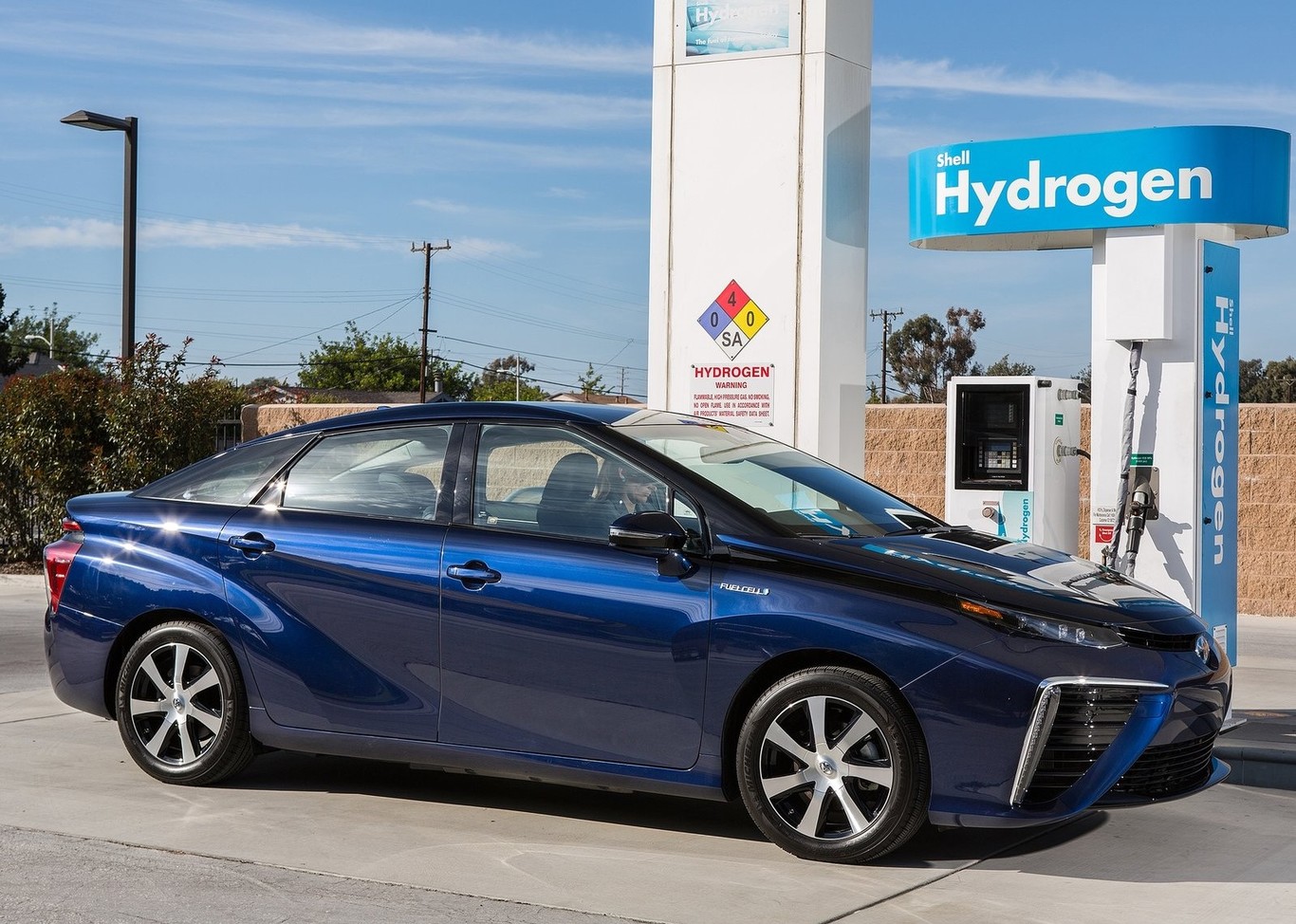
Energy companies, and in particular oil companies, are the main investors in hydrogen projects, especially in Spain, with Enagás and Moeve leading the way. First, because currently, more than 98% of the hydrogen produced in Europe is generated using fossil fuels. The production of green hydrogen, derived from renewable or low-emission energy sources with carbon capture, accounted for less than 1% of the total.
Hydrogen production is advantageous for major oil companies, as they can leverage their experience with megaprojects and their investment capacity to develop green hydrogen. This model aligns with their strengths, which include managing large budgets, overseeing complex projects, and having access to a skilled workforce.
Despite green hydrogen projects, such as those in Bilbao and Tarragona, Spain, and the HyDeal project, the world’s largest renewable hydrogen production facility, the financial viability of hydrogen remains a challenge.
According to forecasts made by various studies a few years ago, the economic viability of green hydrogen in Spain will not materialize until at least 2030. However, recent statements by top executives of energy and oil companies in Spain suggest that this possibility will not materialize.
Repsol CEO Josu Jon Imaz has stated that “green hydrogen will only be profitable if the cost of the electricity needed to power hydrogen-producing electrolysers falls below 15 euros per megawatt-hour.” In 2025, the average price in Spain ranged between 65 and €69 per MWh, well above that threshold, and there are no forecasts that it will drop to those levels in the short term, despite the European Union’s desire to reduce costs by limiting electricity taxes.
Imaz emphasizes that there is no market willing to pay the current price of over €60/MWh to produce green hydrogen. This position aligns with that of other energy experts, such as Naturgy’s chairman, Francisco Reynés, who stated during an energy conference that hydrogen is not yet competitive and that, while its time will come, there is currently no electrolysis process that justifies major investments.
Indeed, Repsol has revised its green hydrogen production targets, reducing them significantly. The projected capacity has been scaled back from 1.9 GW by 2030 to a maximum of 700 MW. Of this capacity, it is estimated that between 200 and 250 MW would come from biogas. The company justifies this adjustment by citing the need to rationalize investments and prioritize profitability, avoiding the allocation of resources to technologies that are still immature.
Oil companies currently agree with advocacy groups, such as the respected International Council on Clean Transportation, that the production costs of green hydrogen will remain high in the medium term. Unless significant measures are implemented to reduce costs, green hydrogen will continue to be viewed as a promising energy source, but not a definitive solution.
- Thank you for your time.
The class has developed why hydrogen-powered vehicles are not viable due to the high cost of green hydrogen, see you soon.