
The number of connectors influences station usage more than total installed power
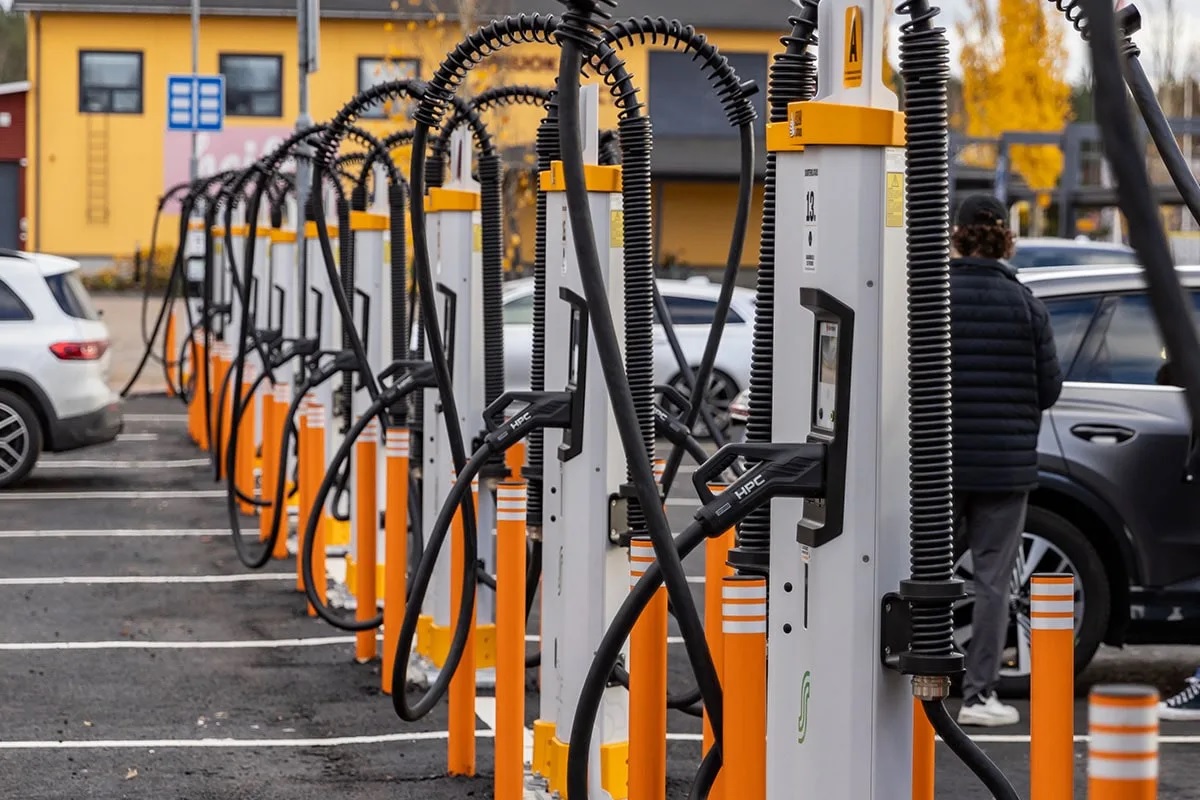
Implementing fast-charging infrastructure does not always yield the desired results simply by installing chargers with higher power ratings. According to data published by Kempower, the ability to charge more vehicles simultaneously at a public station can have a significant impact on utilization—far more than merely increasing the maximum available kilowatts.
The Finnish company reached this conclusion after an exhaustive analysis of public stations in North America connected to ChargEye, its specialized charging management and analytics platform. The results show that the number of connectors correlates with station utilization at a ratio of approximately three-to-one compared to total installed power.
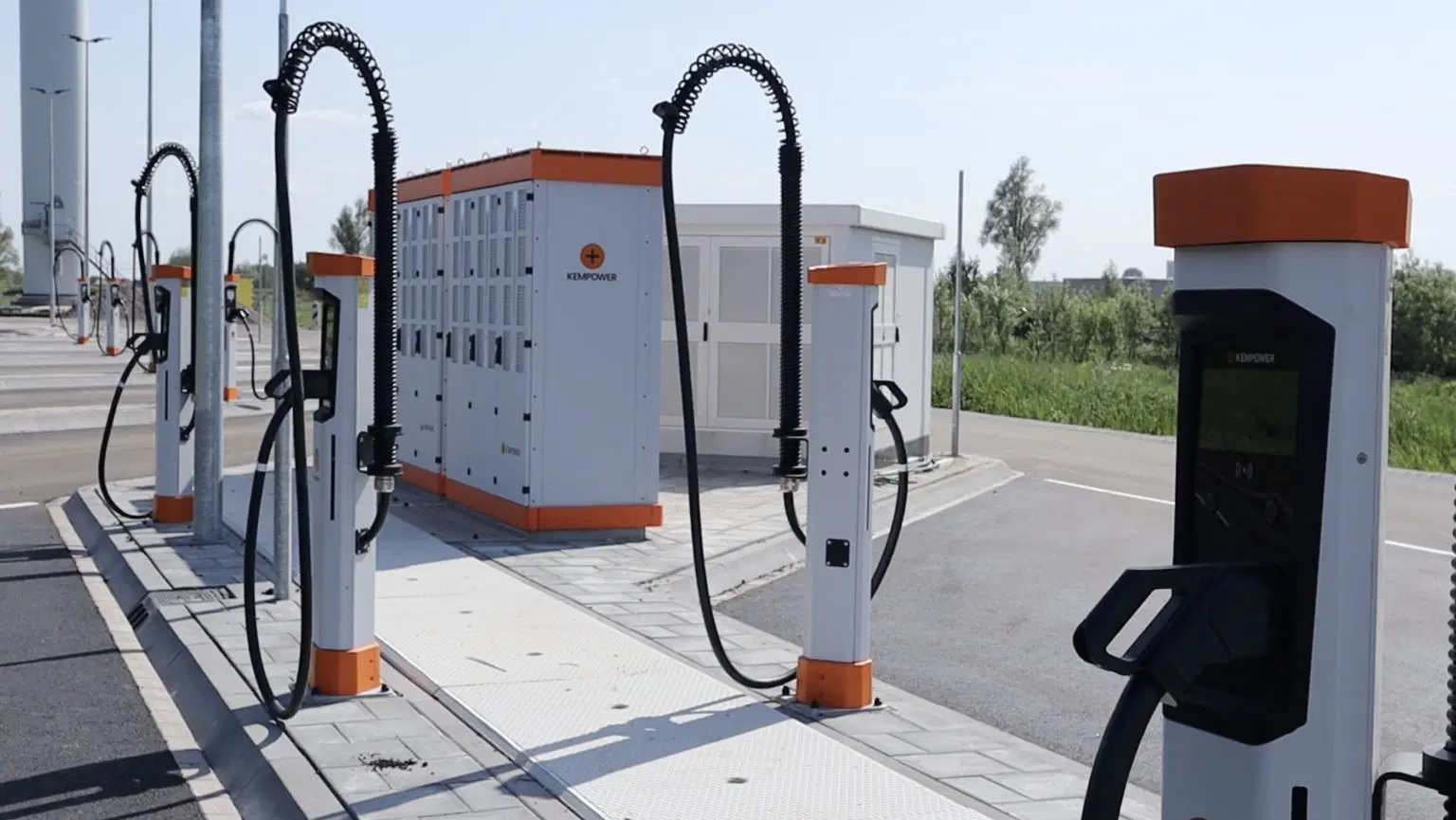
Eight charging points can completely transform a station's performance.
One of the most significant comparisons arises when contrasting small installations with higher-capacity ones. Sites equipped with two connectors showed utilization rates of nearly 2%, whereas those with eight approached 10%. This difference is far more substantial than the impact of simply increasing available power.
As previously mentioned, this effect is also reflected in the energy delivered. According to Kempower’s data, stations equipped with eight connectors delivered an average of 128,342 kWh—more than double the 61,453 kWh recorded at stations with four connection points. The company estimates that enabling simultaneous charging for multiple vehicles contributes significantly to efficient facility usage and revenue potential.
Conversely, it is important to note that increasing maximum power results in a much smaller difference in utilization. The analysis places utilization at around 3% for installations of approximately 100 kW and slightly above 5% for those reaching 400 kW. This is partly explained by the fact that the power ratings advertised by automakers typically refer to a peak level maintained for only a portion of the charging session.
A car's peak power rating is not the power level maintained throughout the entire charging process.
An electric vehicle capable of handling 250 or 300 kW may reach that figure for a few minutes, but the power output gradually decreases as the battery's state of charge rises. For this reason, Kempower targets an average of around 100 kW per vehicle—one of the most efficient levels—when all connectors at a station are in use.
Furthermore, the company is committed to implementing advanced systems capable of dynamically distributing available power. Instead of allocating a fixed amount to each charger, the system distributes energy based on each vehicle's real-time needs. An analysis of North American stations determined that facilities using distributed charging see 83% higher utilization rates compared to fixed-power configurations.
This type of architecture allows for an increase in the number of charging points without the need to oversize the installation from the outset. Kempower currently uses modular systems capable of sharing power across multiple connectors, asserting that this configuration makes better use of a single grid connection.
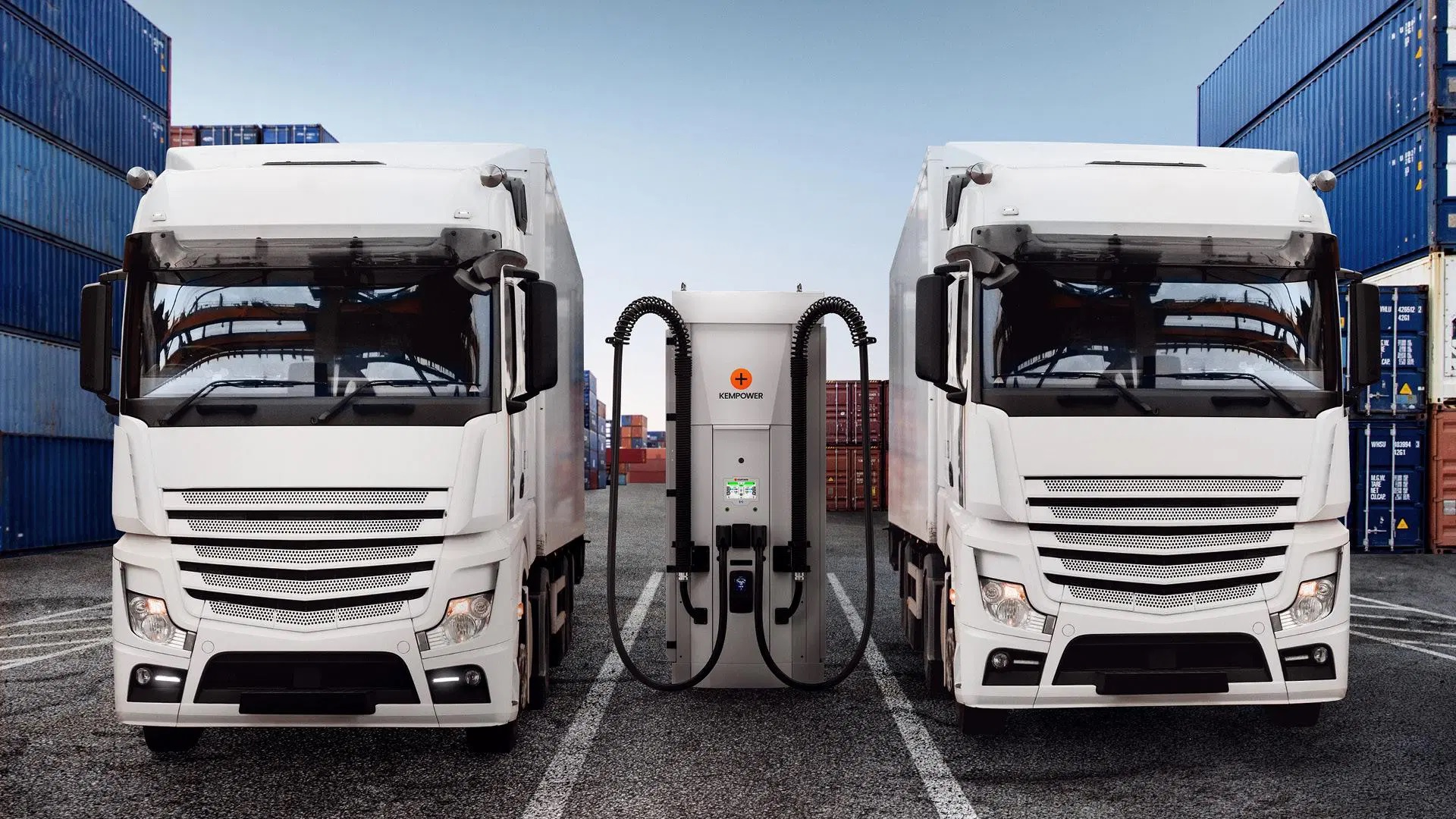
The data comes from the company selling this technology itself.
However, it is important to note that the results mentioned require further analysis and consideration of various contextual factors. The study was conducted by Kempower—a manufacturer specializing in distributed charging systems and dynamic power management—and relies solely on North American stations connected to its own platform. Consequently, while the data shows a correlation between the number of charging points and their utilization, it does not prove that adding connectors is the sole cause of that increase.
Despite this limitation, the analysis addresses another significant variable in the rollout of public charging infrastructure. In contrast to a strategy focused exclusively on installing increasingly powerful chargers, Kempower's data suggests that increasing the number of vehicles that can charge simultaneously may have a greater impact on the total energy delivered and the station's economic efficiency.