
Download the audio
- Introduction.
The class develops the requirements of the new European regulation on charging infrastructure, how payment methods at public charging stations are changing, and why this could accelerate the expansion of electric vehicles on the road.
- What is the AFIR Regulation?.
The AFIR-Alternative Fuels Infrastructure Regulation is the new European regulation that sets mandatory targets for deploying more charging and refueling infrastructure for alternative fuels in the European Union. In the case of electric vehicles, this regulation is very important, as it not only requires the installation of more charging points but also mandates improvements to the user experience through requirements related to payment, price transparency, connectivity, and user information. In short, the goal of AFIR is to make charging an electric vehicle in Europe easier, more consistent, and less confusing.
Until now, one of the major obstacles for many drivers has been not only the car’s range but also the charging network itself: a lack of charging stations along certain routes, different apps depending on the operator, unclear pricing, and too much variation between countries. AFIR steps in right there. And it does so with a very practical approach for the end user, as it addresses both the deployment of chargers and how to pay and check information before plugging in the car.
The AFIR Regulation is the European legislation on infrastructure for alternative fuels. It replaces the previous framework, which was based on a directive, and unlike that directive, it applies directly in the Member States. Its goal is for the European charging and refueling network to meet the growth of electric vehicles and other low-emission technologies.
The European Commission summarizes AFIR in three main goals: ensuring a sufficient minimum infrastructure, ensuring interoperability, and improving information and payment options for users. In the case of public charging for passenger cars and vans, the regulation also sets targets linked to the vehicle fleet: at least 1.3 kW of public power per battery electric vehicle and 0.8 kW per plug-in hybrid. This shifts the focus, as it takes into account not only the number of charging points but also the available power relative to the number of electrified vehicles.
- Electric vehicle charging.
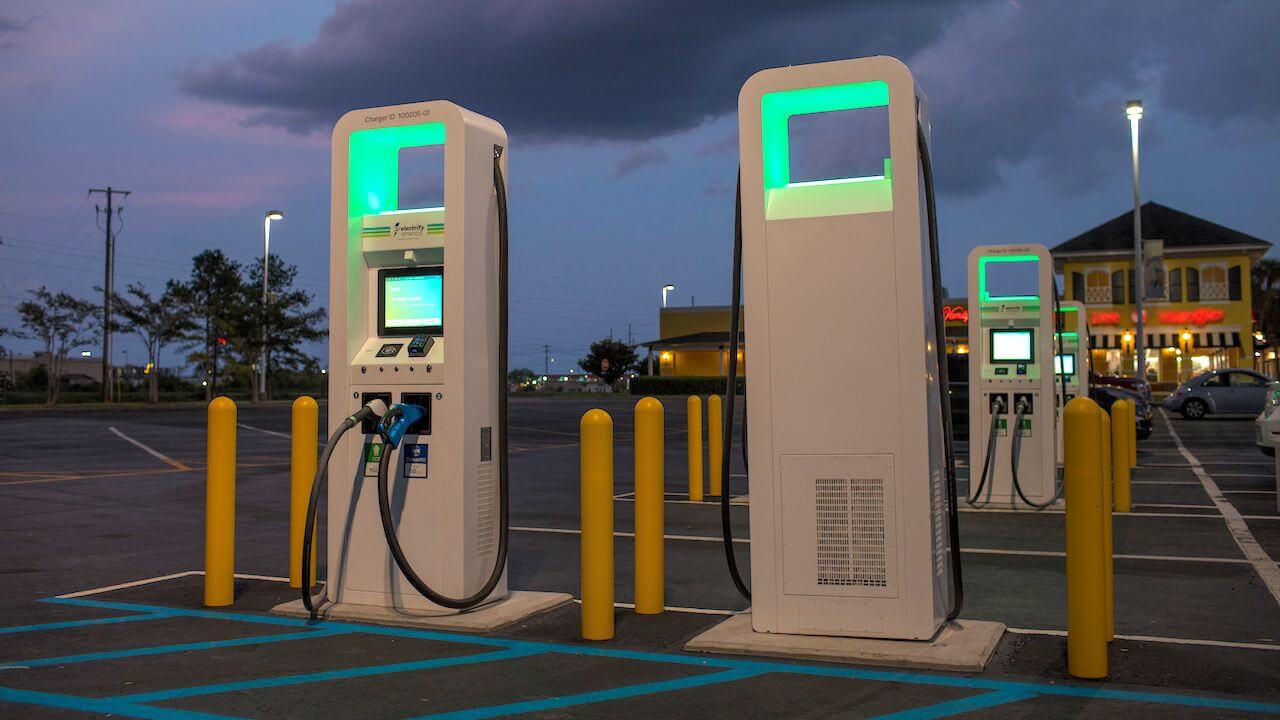
For drivers, the most visible change is that public charging must be made as accessible as possible. AFIR mandates the availability of on-demand payment options that do not require a prior contract with an operator. Additionally, it requires transparency regarding pricing and the various components that make up the cost, an aspect that has not always been clear in many networks until now.
In practice, this means that public charging stations must accept widely accepted cards, contactless devices, or electronic payment methods, depending on the charger’s power rating. Likewise, it is considered essential to allow users to check the actual cost of each session before it begins, including any possible surcharges or additional fees. For the average user, this change is almost as important as having more chargers, as it significantly reduces one of the main barriers to adopting electric vehicles.
Another important aspect to consider is digitalization. AFIR requires that publicly accessible charging points be digitally connected, which facilitates data exchange, visibility into the status of the charging point, and better integration with mobility apps and services. This section has been significantly strengthened by the Implementing Regulation adopted by the European Commission in 2025, with the aim of standardizing the availability and accessibility of infrastructure data.
- More chargers on the road.
The regulation is not limited to the payment experience. It also sets specific deployment targets for the Trans-European Transport Network TEN-T. With regard to passenger cars and vans, the European framework stipulates that, starting in 2025, fast-charging stations of at least 150 kW must be available every 60 kilometers along the main corridors of that network.
The regulation sets specific targets for heavy-duty vehicles, urban nodes, and other energy infrastructure. However, for the passenger car driver, the most important thing is that electric travel becomes increasingly independent of poorly covered sections and more akin to a continuous network along Europe’s main routes. This does not mean that all roads will be covered instantly or that differences between countries will disappear, but it does establish a significantly higher regulatory standard.
- Changes in regulations.
AFIR is pushing for change on two fronts. First, it is imperative to accelerate deployment in strategic corridors and improve the quality of the public network. Second, the goal is to promote a more consistent and transparent user experience across operators and government agencies. It is important to note that the implementation of the European regulation is not the only determining factor, as other aspects such as permits, network connectivity, private investment, and aid programs also play a role. However, AFIR establishes a more rigorous minimum standard.
In the current context, this situation may translate, in the long term, into less reliance on a single app, greater certainty when making payments, and greater ease of travel along European corridors following a similar pattern. At the same time, home charging will remain relevant, especially for those who park in garages. If this applies to you, you will find below a guide on the regulations for installing an electric vehicle charger in a communal garage.
- Frequently Asked Questions About the AFIR Regulation.
- What does AFIR stand for?.
The term refers to the Alternative Fuels Infrastructure Regulation, the European regulation that sets targets and requirements for deploying alternative fuels infrastructure, including electric vehicle charging.
- Does AFIR require card payments at charging stations?.
It requires that ad hoc payment and appropriate electronic means be available for public charging, without relying on a prior contract with an operator. In practice, this significantly simplifies the user experience.
- Does AFIR increase the number of charging points on all roads?.
It is important to note that this process is neither automatic nor immediate. The main objective of the initiative is to establish mandatory targets, particularly within the TEN-T network, in order to improve coverage and available power capacity along major European corridors.
- How does AFIR affect electric car users in Spain?.
It affects them primarily in three ways: increased pressure to deploy fast chargers, greater price transparency, and public charging that should be easier to use and compare across operators.
- Thank you for your time.
The class has developed the requirements of the new European regulation on charging infrastructure, how payment methods at public charging stations are changing, and why this could accelerate the expansion of electric vehicles on the road, see you soon.