

Download the audio
- Introduction.
The class develops BYD's ultra-fast charging, which allows an electric vehicle to be fully recharged in minutes.
- BYD's ultra-fast charging.
With the arrival of Blade Battery 2.0, BYD claims that peaks of 1,500 kW and ranges of over 1,000 km can be achieved, and electric cars can be charged to 97% in just 9 minutes.
The development of electric car battery technology is fascinating, and best of all, we are only at the beginning of this new era. The latest announcement has been made by BYD and has surely reverberated throughout the offices of major car manufacturers: the Blade 2.0 battery and 1,500 kW charging are coming.
- What is Blade Battery 2.0?.
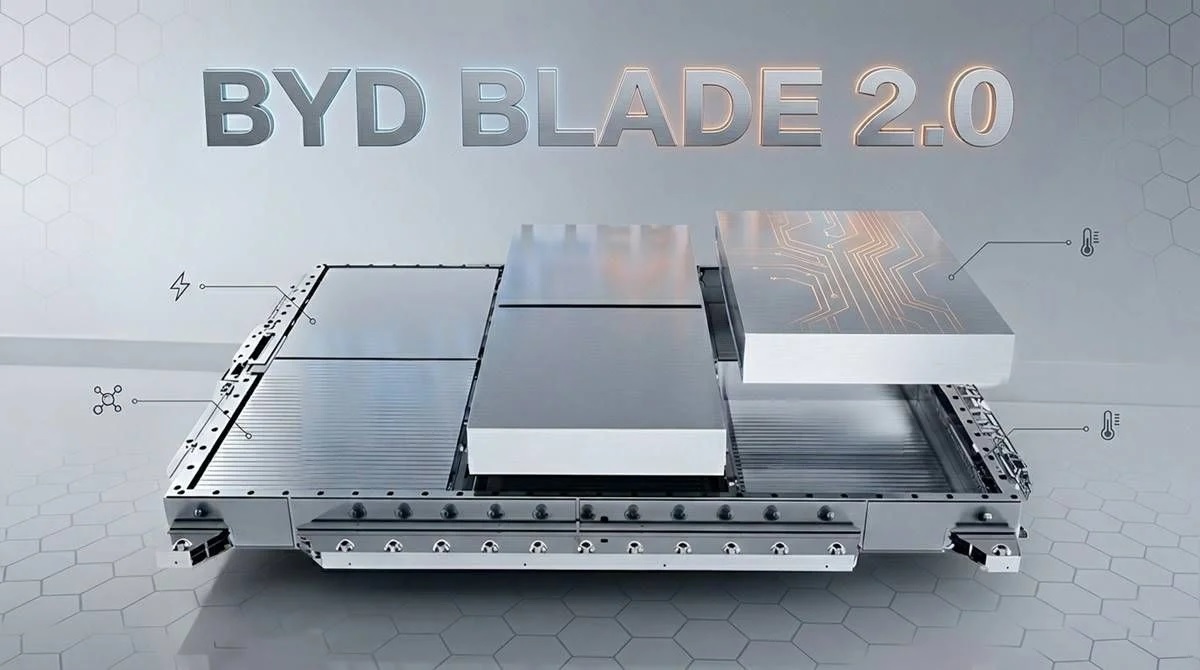
BYD introduced the Blade Battery concept and highlighted that, in addition to being less affected by environmental differences, it was significantly reduced in height, allowing it to form part of the car's structure itself and avoiding the need for excessively high bodywork to make room in the passenger compartment, with the consequent loss of aerodynamics.
After six years of research, they now have what will become their second generation ready, featuring a new technology called FLASH Charging. They have managed to increase energy density by 5% compared to current batteries, while also significantly increasing charging speed.
To achieve this, BYD engineers have developed the “FlashPass” ion transport system to increase the performance of lithium iron phosphate (LFP) batteries. This system is based on three technological innovations:
Ø The Flash-Release cathode has a multi-level particle size architecture and a directional design that allows for dense packing and rapid ion deintercalation.
Ø The Flash-Flow electrolyte uses a high-precision optimization process powered by artificial intelligence (AI) to provide high ionic conductivity and streamline ion mobility.
Ø The Flash-Intercalate anode incorporates a multidimensional lithium insertion structure that enables high-speed three-dimensional intercalation of lithium ions.
All these technologies reduce internal resistance, generating less heat and improving battery condition when energy is introduced. Other innovations include an anode with a high-performance electrode structure and graphite particles aligned perpendicular to the electrode plane, a solid electrolyte interface (SEI) layer, and dynamic self-regeneration.
BYD has made it quite clear that all these improvements will not affect its safety or durability. According to the company, the Blade Battery 2.0 passed rigorous tests, such as a nail penetration assessment, without thermal runaway, smoke, or combustion, even after undergoing 500 fast-charge cycles. Furthermore, according to their studies, the total capacity degradation is reduced by 2.5% compared to current batteries.
- The 1,500 kW charger.
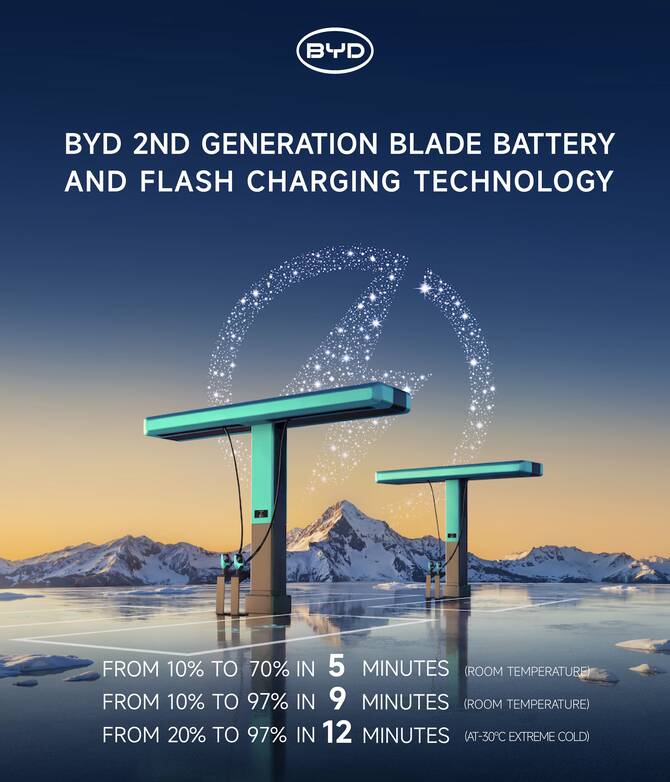
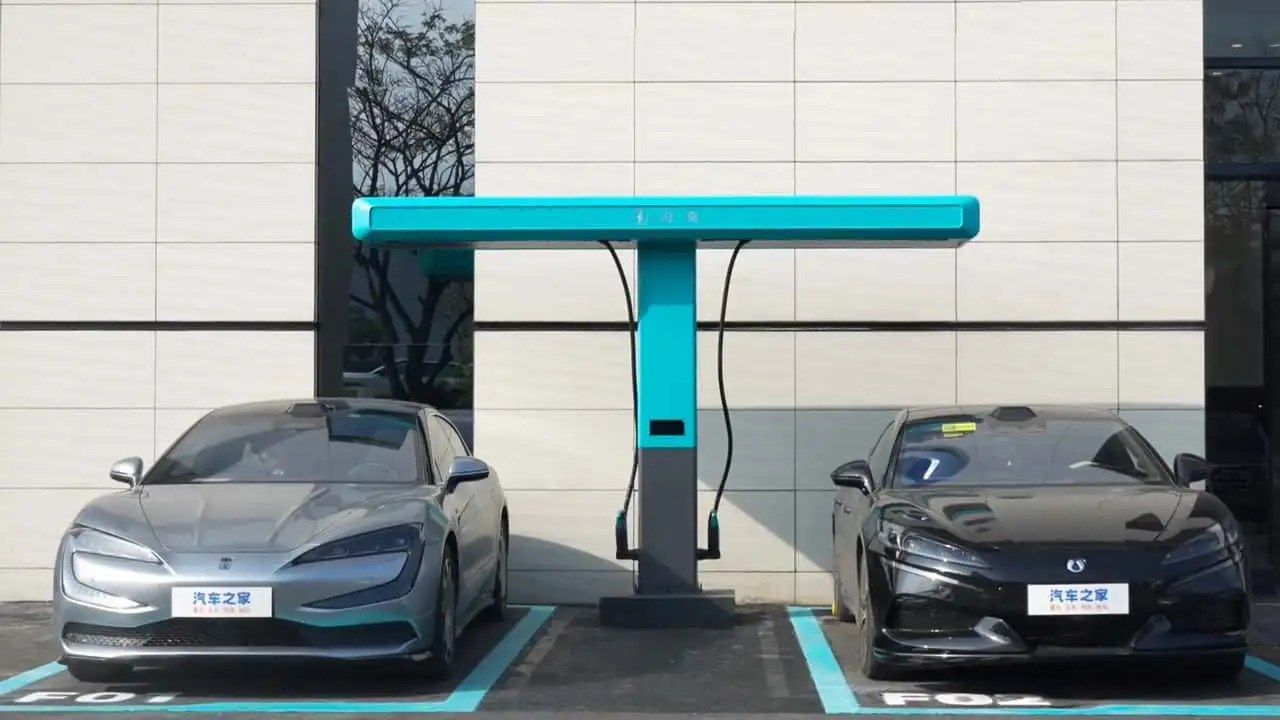
However, BYD specialists have not only focused on improving the battery, but have also developed the so-called FLASH Charger, a charging point that can supply 1,500 kW of power through a single connector. For now, it is only available in China, where 4,239 stations have already been installed, with 20,000 expected by the end of 2026.
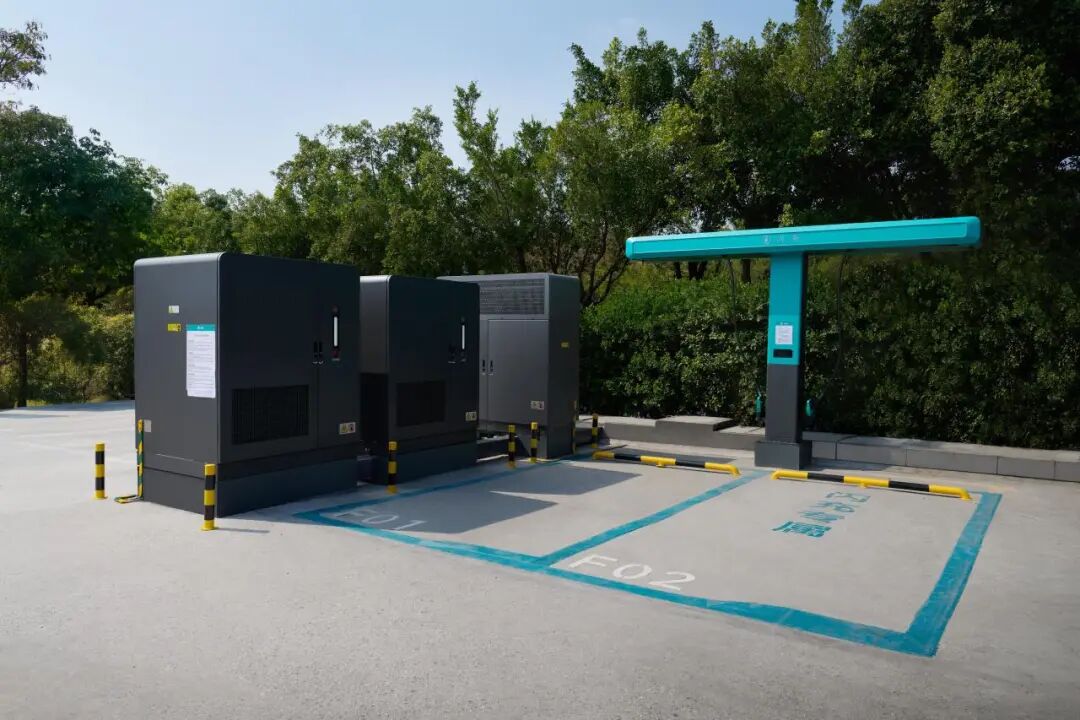
In addition to its high power, another of its unique features is its T-shaped design, which prevents the cables from touching the ground and therefore getting dirty from inclement weather or dust. They also promise that, regardless of the location of the charging point, it will be very convenient and easy to plug in with minimal effort.
They are accompanied by large black blocks which, according to the company, can guarantee rapid deployment in many locations. In reality, these are ultra-fast discharge energy storage systems that help to overcome potential limitations in the electricity grid. To do this, they use a battery that recharges at lower speeds and can act to prevent overloads or amplify power.
- Car almost fully charged in 9 minutes.
Once we have a clear understanding of the theory, we move on to practice. By combining the Blade Battery 2.0 with the FLASH Charger, you could go from 10% to 70% battery charge in just five minutes, and it would only take four more minutes to reach 97%, which would be highly recommended to preserve the health of the battery for a long time.
BYD also wanted to test how this combination performs at temperatures of -30°C, where batteries suffer the most. Well, the new Blade Battery 2.0 managed to go from 20% to 97% in just 12 minutes, which is still a short time.
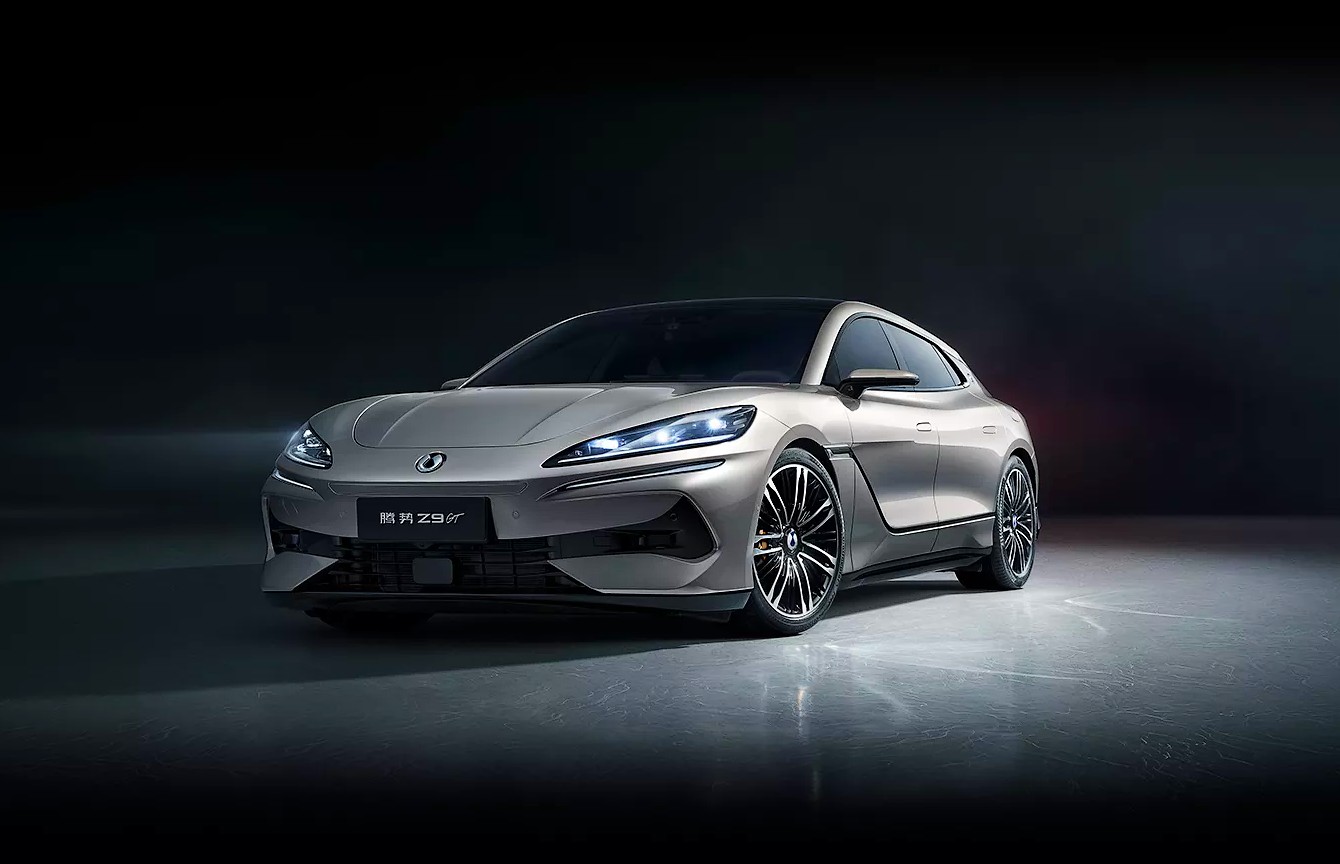
Lest you think that all these innovations are just a laboratory project, BYD has announced that the first car to feature them will be the Denza Z9GT, the European specifications for which will be announced in the coming weeks. At the same time, they have committed to bringing FLASH Charging stations outside of China.
- Thank you for your time.
The class has developed BYD's ultra-fast charging, which allows a fully electric vehicle to be recharged in minutes, see you soon.