

Download the audio
Slide 1. Introduction.
The class develops how medications affect driving, which drugs can impair driving, how to read the pictogram on the packaging, when it is advisable not to drive, and the implications for fleet management.
Slide 2. How medications affect driving.
- Medications and driving.
The belief that all medications have negative effects on driving is a myth. It is important to note that not all medications have the same effect on every patient, and that the response can vary significantly from one individual to another. However, some treatments can cause side effects such as decreased attention, reduced reflexes, lack of coordination, or reduced ability to make quick decisions while driving.
The risk arises mainly when starting a treatment, changing the dose, combining several medications, or mixing them with alcohol. In Spain, the Directorate General of Traffic-DGT recommends always reviewing the package insert, especially the section titled “Driving and Operating Machinery,” which lists precautions related to potential effects while driving.
The relationship between medications and driving cannot be reduced to a simple yes-or-no answer. Determining the appropriate dosage depends on a number of factors, including the active ingredient, the time of administration, the duration of treatment, the driver’s age, their health status, and individual sensitivity.
It is important to note that the effects of a medication can vary significantly from one person to another, causing drowsiness or dizziness in some and not in others. Likewise, a medication may have little effect after several days of use but may cause these effects during the first few doses.
The DGT strongly recommends paying special attention at the start of treatment or when there are changes in dosage. Caution is also advised when combining multiple medications, as this can increase the risk of adverse effects and interactions. The following section discusses the situation in Spain, which is the same or similar in many countries.
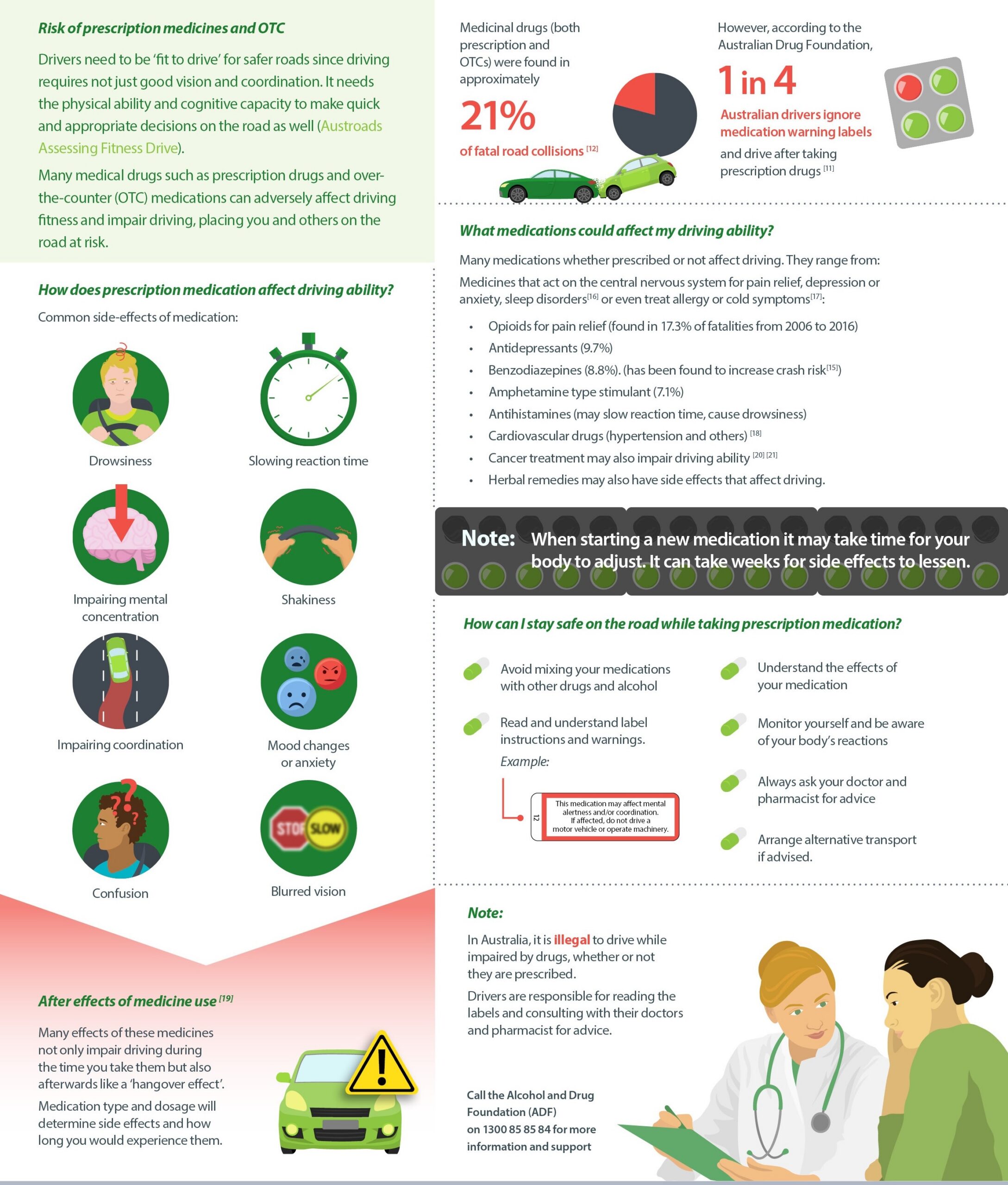
- Types of medications that can affect driving.
It is essential to exercise caution with certain classes of medications, as they can affect the central nervous system or interfere with functions essential for driving.
These include anxiolytics, hypnotics, antidepressants, antipsychotics, antiepileptics, some strong pain relievers, muscle relaxants, sedating antihistamines, motion sickness medications, cold and flu medications, and certain migraine treatments.
These effects include: drowsiness, slowed reaction time, blurred vision, dizziness, disorientation, lack of coordination, and reduced ability to concentrate.
It should be noted that this does not imply a blanket ban on driving in all circumstances. Therefore, it is essential to review the package insert, consult a healthcare professional, and assess your body’s response before driving.
- Medications with mild or variable effects.
It is important to note that not all medications cause drowsiness or impair driving ability. It is important to note that many conventional treatments do not have adverse effects if administered at the recommended doses and the patient tolerates them well.
It is also important to note that certain commonly used medications are highly dependent on their specific formulation. Antihistamines provide a good example: older ones tend to cause more drowsiness, while some newer ones have a less pronounced sedative effect. However, they are not risk-free in all cases.
A similar phenomenon occurs with flu medications and common cold treatments. Sometimes, a combination of various active ingredients—such as decongestants, antihistamines, or cough suppressants—is used, which can result in effects stronger than anticipated. Therefore, before driving, it is essential to check whether the packaging contains the warning pictogram and to read the package insert.
The Spanish Agency for Medicines and Health Products has announced that the driving pictogram will be added to the packaging of medications containing active ingredients that may affect the ability to drive. This symbol does not imply an automatic ban on driving, but rather suggests the need to consult the information provided in the package insert.
- Factors that influence the effects of medications.
The effect of a medication on a driver is not determined solely by the name of the drug in question. Dosage is one of the most significant factors, as a higher dose can increase drowsiness, dizziness, or impaired reflexes.
Likewise, the time of administration is relevant in this context. It is important to note that certain medications may have a more pronounced effect in the first few hours, while others may cause drowsiness the following day, especially if taken at night.
It is important to note that combining medication with alcohol can have harmful health consequences. It is important to note that even minimal amounts can enhance the sedative effects of certain medications and increase the risk of accidents. Furthermore, it is imperative to exercise caution when combining different medications, even if all have been prescribed.
Certain factors, such as age, fatigue, lack of sleep, certain medical conditions, and night driving, can exacerbate the problem. It is important to note the difference between taking a medication and consuming it before driving.
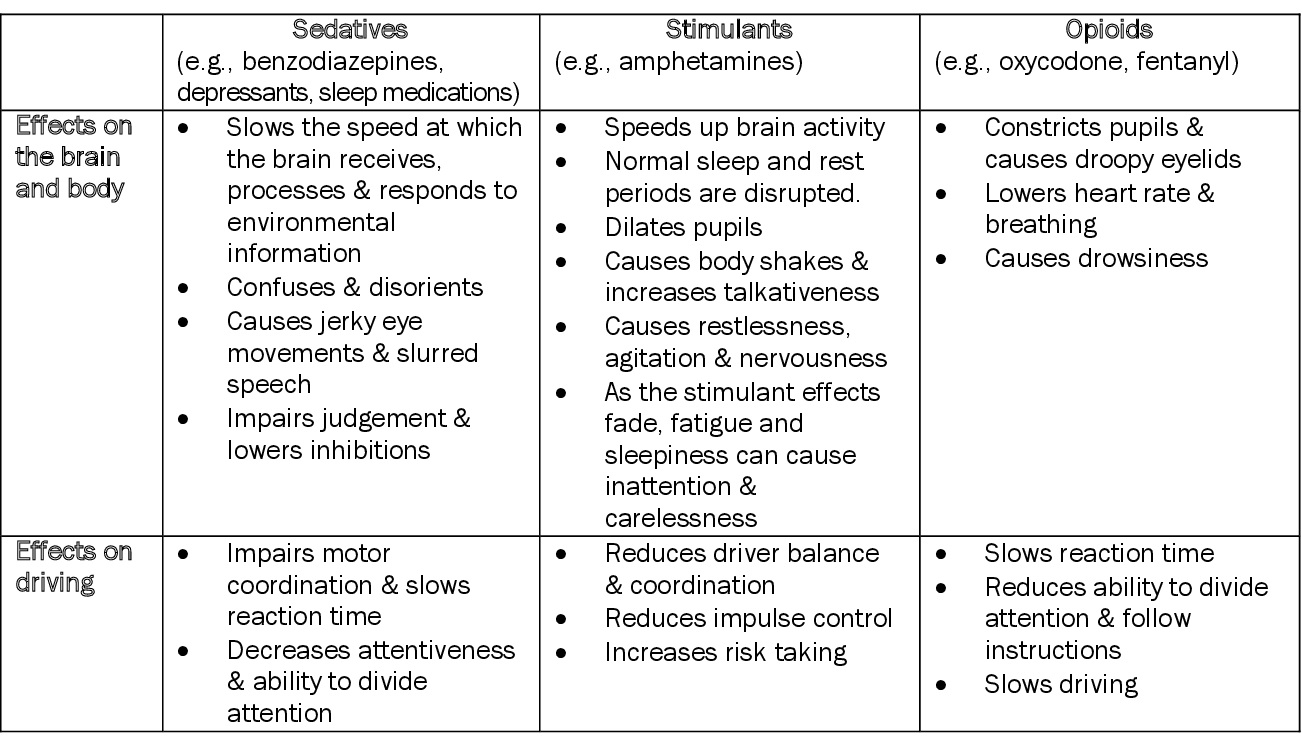
- The most common effects that can affect driving.
The effects that cause the most concern among drivers are those that compromise their ability to react in a timely manner. Drowsiness is one of the most well-known signs, but it is not the only one.
Additionally, symptoms such as dizziness, blurred vision, double vision, a sensation of vertigo, confusion, euphoria, nervousness, loss of coordination, difficulty concentrating, or slower reflexes have been observed.
These symptoms may seem mild when at rest, but on the road the consequences can be significant. The ability to react just a tenth of a second sooner can have a significant impact in critical situations, such as braking, encountering a pedestrian, traffic congestion, or a sudden lane change.
The DGT has issued warnings in various campaigns about common medications that can cause drowsiness, dizziness, or slowed reflexes.
- How to tell if a medication affects driving.
There are currently four categories of medications based on their effect on driving:
- Category 0.
Has no negative effect and does not impair driving ability. The packaging does not include a warning pictogram.
- Category I.
Has a mild effect on driving ability. The risk is low, but the patient should read the package insert and pay attention to how they feel.
- Category II.
Has a moderate effect. The drug may impair reflexes or attention, so it is recommended to assess your condition before getting behind the wheel.
- Category III.
Has a very significant effect on driving. In the vast majority of cases, driving is strongly discouraged while under the influence of these drugs, as is the case with certain sleeping pills or anti-anxiety medications.
The list of medications authorized in Spain that feature a pictogram is reviewed periodically and can be found on the Spanish Medicines Agency’s website.
- The first step is on the packaging.
In Spain, medications that may affect driving may feature a pictogram: a red triangle with a black car inside and a note to consult the package insert.
The Spanish Medicines Agency states that the purpose of this pictogram is to catch the patient’s attention and direct them to the package insert, which details the specific risks related to driving and operating machinery.
- The second step.
Read the section titled “Driving and Operating Machinery.” This section indicates whether the medication may cause drowsiness, dizziness, blurred vision, or other relevant effects.
- The third step.
Ask your doctor or pharmacist. It is very important to do so if you drive regularly, work with vehicles, are taking multiple medications, or have experienced unusual symptoms.
- List of medications not recommended for driving.
Taking the aforementioned point into consideration, we will now examine the types of medications that are not recommended for use while driving, as well as the adverse effects they may cause in people.
· Hypnotics: These are often prescribed for sleep disorders and therefore cause drowsiness, decreased attention, and impaired reaction time. Examples include zolpidem, eszopiclone, and temazepam.
· Antipsychotics: This group causes drowsiness while driving, dizziness, agitation, and fatigue. These include aripiprazole (Abilify), chlorpromazine, and haloperidol.
· Parkinson’s medications: In this case, they also cause drowsiness, sudden episodes of sleep, spasms, blurred vision, or confusion. Examples include selegiline (Zelapar), rasagiline (Azilect), and safinamide (Xadago).
· Migraine medications: once again, drowsiness occurs, along with dizziness and weakness. Examples include sumatriptan (Imitrex, Tosymra) or rizatriptan (Maxalt).
· Antiepileptic drugs: side effects may include drowsiness, dizziness, blurred vision, fatigue, or a feeling of weakness. These include valproic acid, carbamazepine, or clobazam.
· For diabetes: in this case, the only side effect is hypoglycemia—low blood glucose levels—which can significantly affect the driver. Examples include glimepiride (Amaryl), glipizide (Glucotrol), or glyburide (Diabeta).
· Anxiolytics: These types of medications cause drowsiness, decreased attention, and impaired reaction time. Examples include diazepam, lorazepam, alprazolam, and bromazepam.
· Antihistamines: Prescribed for allergies, these often cause drowsiness, impaired reaction time, and blurred vision. Some of the most well-known include Zyrtec, Clarinex, and Allegra.
· Cold and flu medications: In this case, the side effect is drowsiness, which, as you can see, is the most common of all. Many of these are advertised, such as Frenadol, Couldina, or Bisogrip.
· Antidepressants: These can cause various side effects, including nervousness, anxiety, drowsiness, impaired coordination, or blurred vision. Examples include Norpramin, Doxepin, or Tofranil.
· Eye medications: When applied to the eyes, they can cause blurred vision. One such medication is OcuSoft.
· Pain relievers: This is the final group that can cause drowsiness, reduced concentration and reaction time, as well as dizziness. The most well-known include ibuprofen, naproxen, and dexketoprofen.
In addition, the DGT recommends paying special attention in the following cases: starting a new treatment, changes in dosage, simultaneous use of multiple medications, situations of fatigue, and in older adults. If in doubt, it is recommended to consult a doctor or pharmacist.
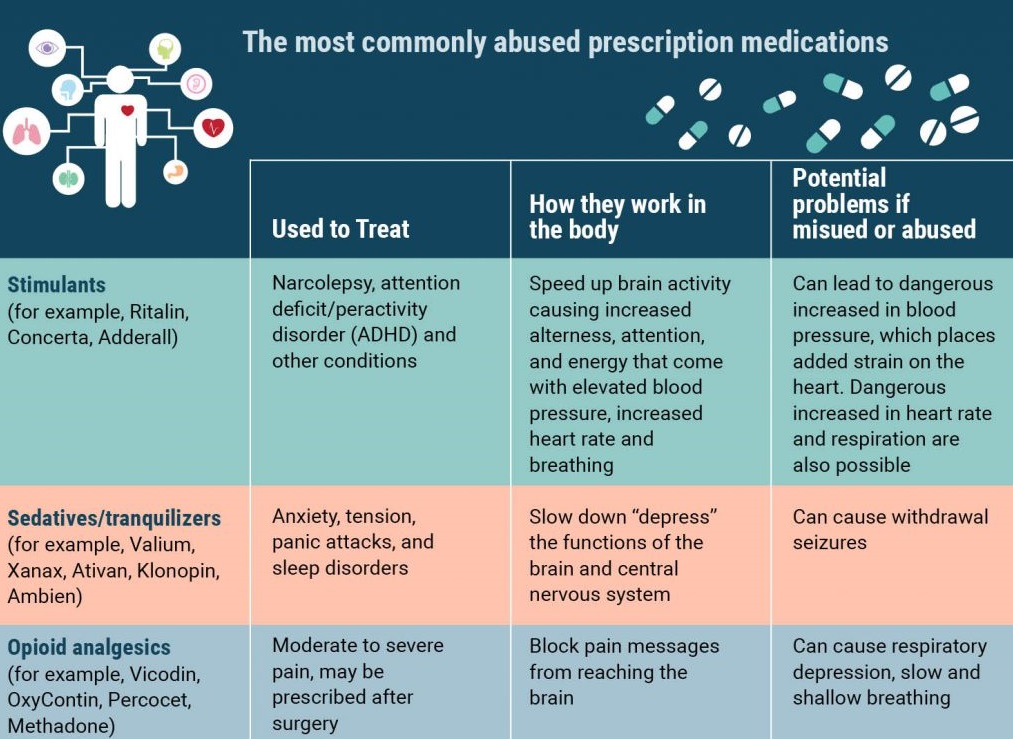
- Not all medications affect driving in the same way.
The generalization that all medications negatively affect driving oversimplifies the issue. Some medications do not interfere with driving or do so only to a very limited extent, while others can significantly reduce safety.
It is essential to avoid making assumptions. It is important to note that certain medications can affect the ability to drive safely and that not all over-the-counter medications are necessarily harmless. It is important to note that certain over-the-counter medications can cause drowsiness or dizziness.
Likewise, it is not recommended to discontinue treatment out of fear of driving. It is crucial to emphasize that discontinuing medical treatment without proper consultation can have more harmful consequences than the proper administration of medications. It is recommended to seek professional guidance and, when appropriate, adjust schedules, dosages, or treatment options.
- Tips before driving if you are taking medication.
Before driving, it is essential to check whether the medication includes a driving warning symbol, read the package insert, and monitor how your body reacts during the first few doses.
If you experience symptoms such as drowsiness, dizziness, blurred vision, or clumsiness, you are strongly advised to refrain from driving. Likewise, you are strongly advised to completely abstain from alcohol consumption during treatment, as it can exacerbate adverse effects.
When traveling long distances, it is imperative to exercise extreme caution. It is important to note that fatigue can intensify the effects of the medication and, therefore, increase the risk. In such circumstances, planning breaks, staying properly hydrated, and avoiding driving at night can be beneficial measures. However, the use of treatments that induce drowsiness is not recommended.
Patient safety depends both on the medication and on the driver’s responsibility in assessing their own symptoms. When it comes to driving, it is imperative to approach any uncertainty with the utmost caution.
- Frequently Asked Questions about medications and driving.
· Do all medications negatively affect driving?.
No. Not all medications have the same impact on driving, nor do they affect it in the same way. Some of these medications do not interfere with driving, while others may cause drowsiness, dizziness, blurred vision, or slowed reaction times.
· What does the car pictogram on a medication box mean?.
It is important to note that this medication may affect your ability to drive or operate machinery. This warning does not imply an automatic prohibition, but it does require reading the package insert and taking additional precautions.
· Can I drive if I take antihistamines?.
The answer to this question depends on the type of antihistamine and its effect on the patient. Some of these products can cause drowsiness, especially older ones. It is recommended to consult a healthcare professional or pharmacist and review the package insert before driving.
· What should I do if a medication makes me drowsy?.
Do not drive if you experience drowsiness, dizziness, impaired attention, or slow reflexes. It is recommended that you consult your doctor or pharmacist to evaluate your dosing schedule, adjust your treatment, or consider alternatives.
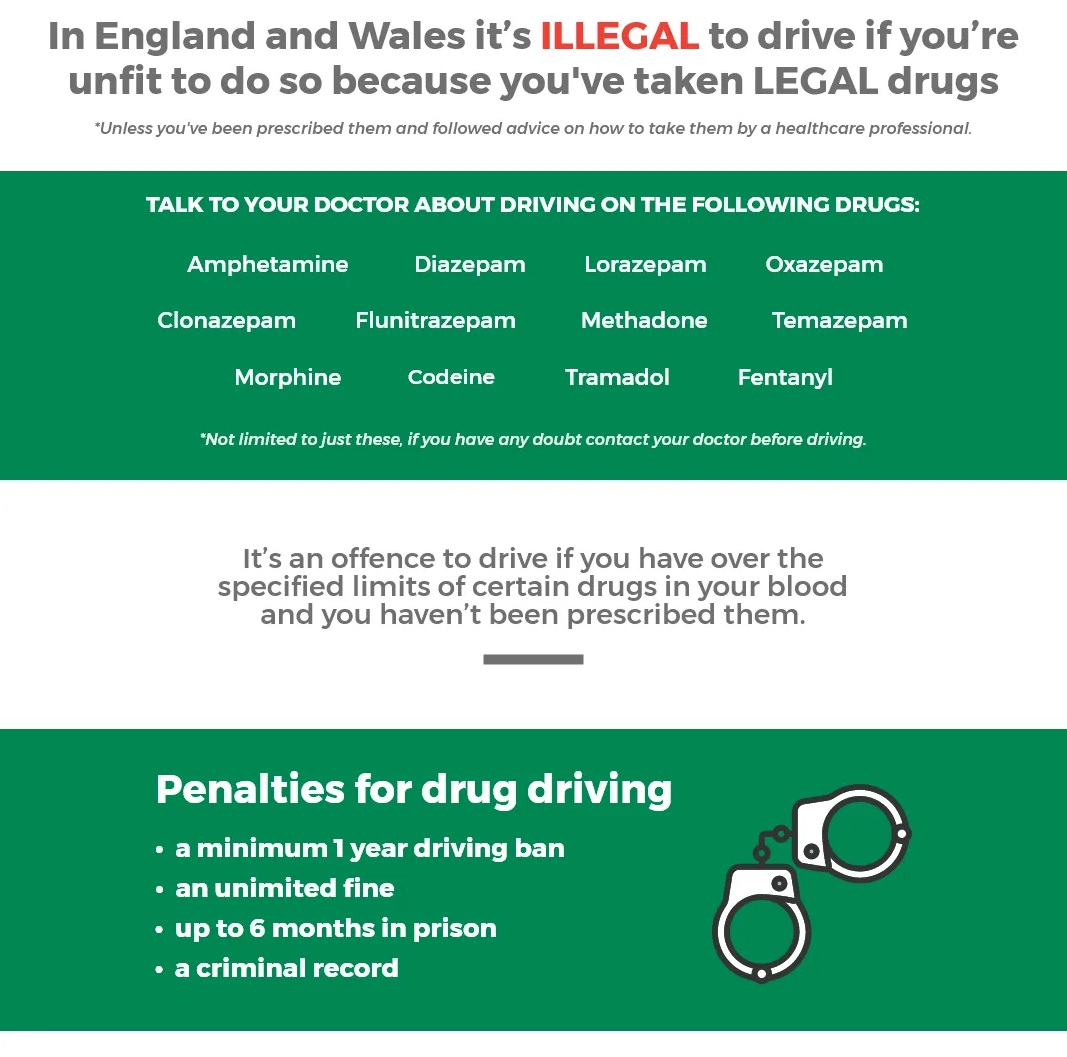
Slide 3. Legality of driving and medications.
- Do I have to tell my employer that I am taking medication?.
In Spain, drivers are not required to inform their employer about the medication they are taking, as this is a private and personal matter. It is important to note that medical information is strictly confidential. The company is not authorized to require you to disclose details of your medical treatment.
However, it is important to note that there is a legal obligation not to drive if the medication affects your ability to drive safely, whether due to drowsiness, dizziness, or impaired reflexes.
If the treatment affects your reaction time, you may be required to provide a favorable medical report or have your driver’s license modified to comply with legal regulations.
Your employer must be aware that you are taking medication. If your treatment requires adjustments to your workday or schedule, or if you need a medical leave of absence, you must provide the relevant official medical reports to your employer to address these work-related matters.
- Is it illegal to drive if I’m taking medication?.
Generally speaking, no. However, you must have a doctor’s prescription to purchase such medications, which must be for therapeutic purposes and must not have any adverse effects on your ability to drive.
- Can I be penalized for this?.
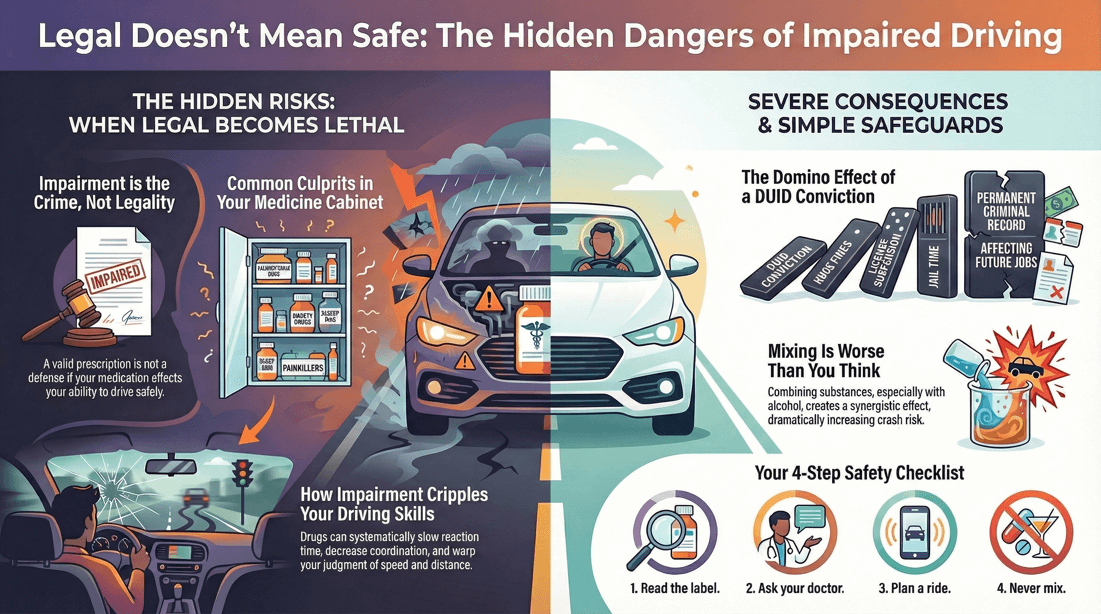
In Spain, driving under the influence of medications that impair driving ability is considered a serious offense, punishable by fines of up to 1,000 Euros and the loss of 6 points.
If the presence of such a substance is detected during a roadside check, you must present the prescription for the psychotropic medication, as well as the medical report supporting the prescription, to justify the circumstances.
Certainly, prosecuting this type of behavior proves to be a difficult task due to the lack of diagnostic tests for psychotropic drugs, which results in few penalties being imposed. Detection would be carried out through a blood test, after which the driver would be required to provide proof of the prescription for the aforementioned drugs.
- Driver’s license renewal.
In Spain, when applying for or renewing a driver’s license, it is recommended to disclose any ongoing medical treatment that does not affect your ability to drive. This measure will ensure that, in the event of an accident, the insurance company does not dispute the insurance coverage.
The DGT stipulates that, starting in 2025, drivers taking certain medications must submit a favorable medical report before renewing their driver’s license. Without such certification, renewal will not be considered. This requirement applies to treatments such as insulin, psychiatric medication, and medication for sleep apnea.
Currently, 35 medical conditions are considered incompatible with driving if the corresponding medical documents are not provided. In cases of dementia or epilepsy, renewal may be denied outright. However, even when control treatments are available, it will be necessary to consider a license with a reduced validity period or conduct an additional review.
If the patient is taking any of the following medications—such as insulin, psychiatric medications, or medications for sleep apnea—it is crucial to plan ahead and request the appropriate medical clearance. It is also imperative to adhere to the established minimum waiting periods. In situations such as transplants or critical treatments, it will be necessary to wait a mandatory period before renewing, as well as to be prepared for shorter validity periods. It is important to note that, for certain medical conditions, renewals are only possible for a period of one or two years.
Slide 4. Implications for fleet management.
The main consequence of taking medication is that it can cause a traffic accident due to its side effects, potentially resulting in injuries to the driver, vehicle passengers, cyclists, or pedestrians, in addition to repair costs and the time the vehicle is out of service.
The following measures are recommended.
- Driver training.
In Spain, drivers are not required to report the medications they are taking; therefore, they must be trained to understand the effects of these medications and, if possible, report them to the company so that appropriate measures can be taken, such as adjustments to the workday, schedules, or leave of absence.
For example, they must know that they need a prescription, not to mix medication with alcohol, not to drive if they feel dizzy or drowsy, and to check the package insert or the triangular warning symbol on the medication box, etc.
Some drivers are reluctant to disclose that they are taking medication for various reasons, such as fear of losing their jobs. It is important to note that if the company wants to know, it is to take the necessary steps to protect the driver and prevent traffic accidents.
Drivers should be aware that in Spain, driving under the influence of medications that impair their ability is considered a serious offense, punishable by fines of up to 1,000 euros and the loss of 6 points.
- Establish a protocol for action.
A protocol for action must be established in case the driver experiences dizziness, blurred vision, etc.
If these symptoms occur before driving, the driver is advised to notify the fleet manager and refrain from driving.
If they occur while driving, the driver must pull over as soon as possible to the shoulder of the road and notify the fleet manager.
After some time, they may feel better and be able to continue driving; if they do not improve, they must be transported to the emergency room, the hospital, or their home.
- Be aware of which medications have adverse effects.
The fleet manager must be aware of which medications have adverse effects on driving in order to take appropriate measures with drivers.
In Spain, you can check the website of the Spanish Agency for Medicines and Health Products.
- Car insurance.
If the accident occurs because the driver is under the influence of medications that impair their ability to drive, we may encounter problems with the insurance payout. The insurance company may deny the claim for this reason.
Slide 5. Thank you for your time.
The class has developed how medications affect driving, which drugs can impair driving, how to read the pictogram on the packaging, when it is advisable not to drive, and the implications for fleet management, see you soon.