
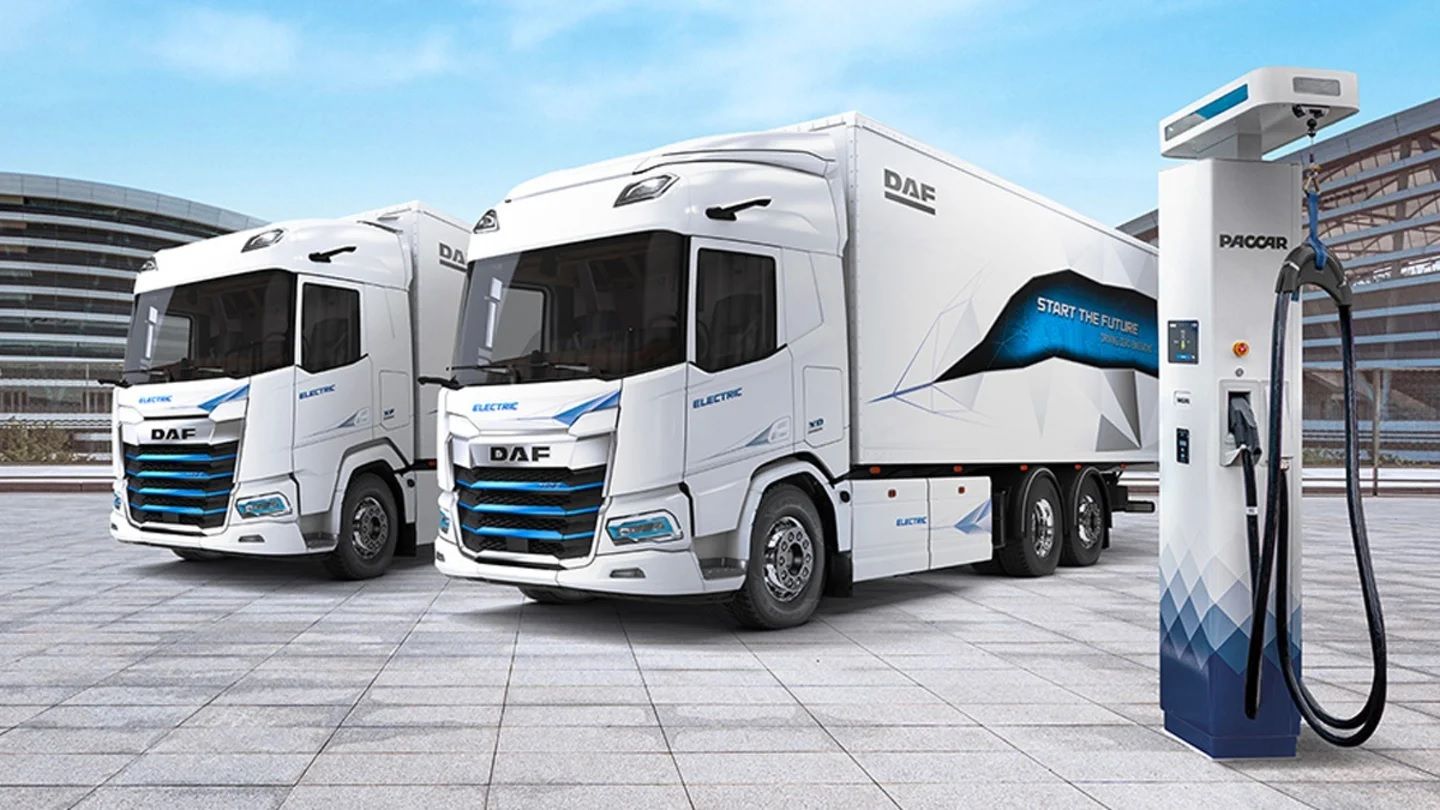
The Turning Point for Electric Trucks.
The electrification of the automotive industry has traditionally been associated with passenger cars, city buses, and personal mobility. However, the next major challenge of the energy transition lies in freight transport.
Although trucks account for less than 10% of the global commercial fleet, they generate approximately one-quarter of transportation-related CO₂ emissions. Their role in the economy is essential, as they ensure the supply of food, industrial products, construction materials, and e-commerce goods.
Furthermore, international forecasts indicate that global demand for freight transport could double by 2050, making the decarbonization of the sector both a climate and an economic priority.
The tipping point is approaching.
An analysis conducted by C40 Cities, the University of Exeter, and Arup indicates that electric trucks may be approaching a “tipping point” in the market.
This concept describes the moment when a technology ceases to rely on public subsidies or incentives and begins to expand on its own merits—based on its economic and operational advantages.
China’s experience is particularly significant. The country accounts for nearly 80% of global electric truck sales and has already achieved total cost of ownership parity between electric and diesel vehicles in certain segments.
When the total cost of ownership of an electric truck is equal to or lower than that of a conventional truck over its entire lifespan, adoption tends to accelerate significantly.
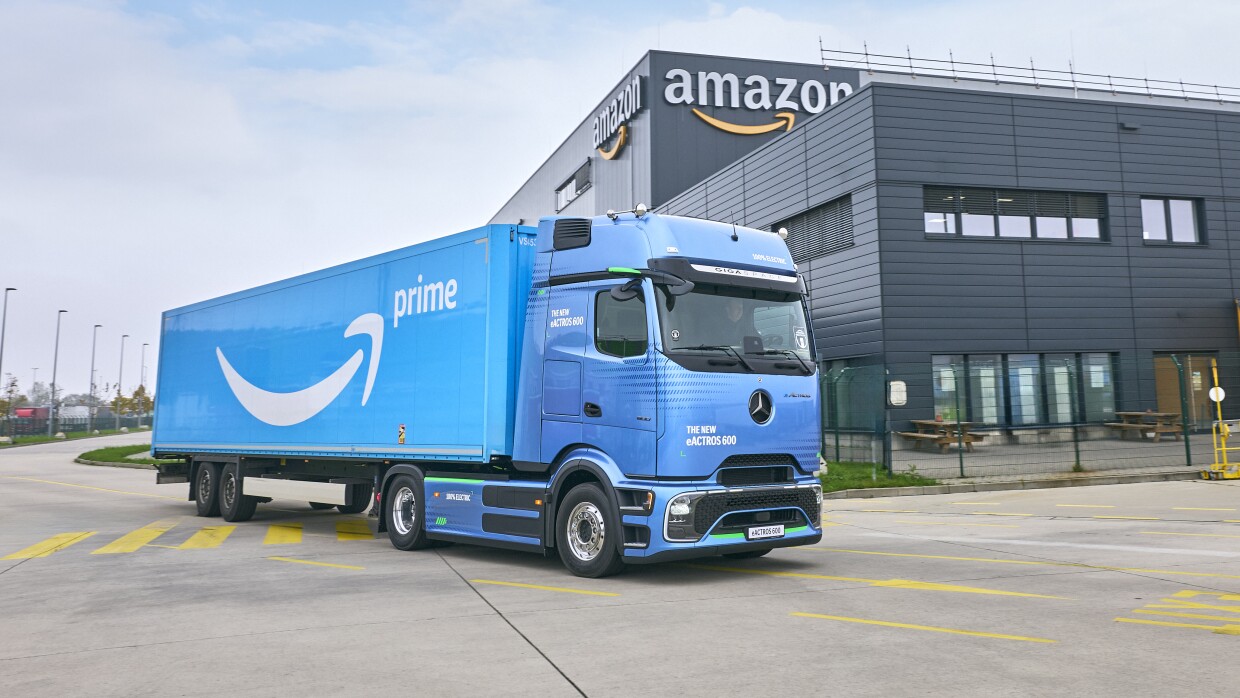
The price of diesel could accelerate the transition.
The report highlights that rising fossil fuel prices could further increase the competitiveness of heavy-duty electric vehicles.
According to simulations conducted by the researchers, a 30% increase in the price of diesel could bring forward the economic parity between the two technologies by five to seven years.
This situation makes energy volatility a factor that favors electrification. While oil remains dependent on international markets and geopolitical tensions, electricity can be generated locally using renewable energy.
Reducing dependence on imported oil increases countries’ energy security and reduces their exposure to future supply crises.
Cities can drive change.
One of the most significant aspects of the study is the role that local governments can play.
They have tools at their disposal to accelerate the adoption of electric trucks, such as creating low-emission zones, establishing electrified logistics corridors, and deploying fast-charging infrastructure.
Some major cities have already begun to implement these strategies. Shenzhen (China) has restricted the use of certain diesel vehicles, while other cities have rolled out charging networks for heavy-duty vehicles even before national policies were enacted.
Infrastructure and technology: the keys to the future.
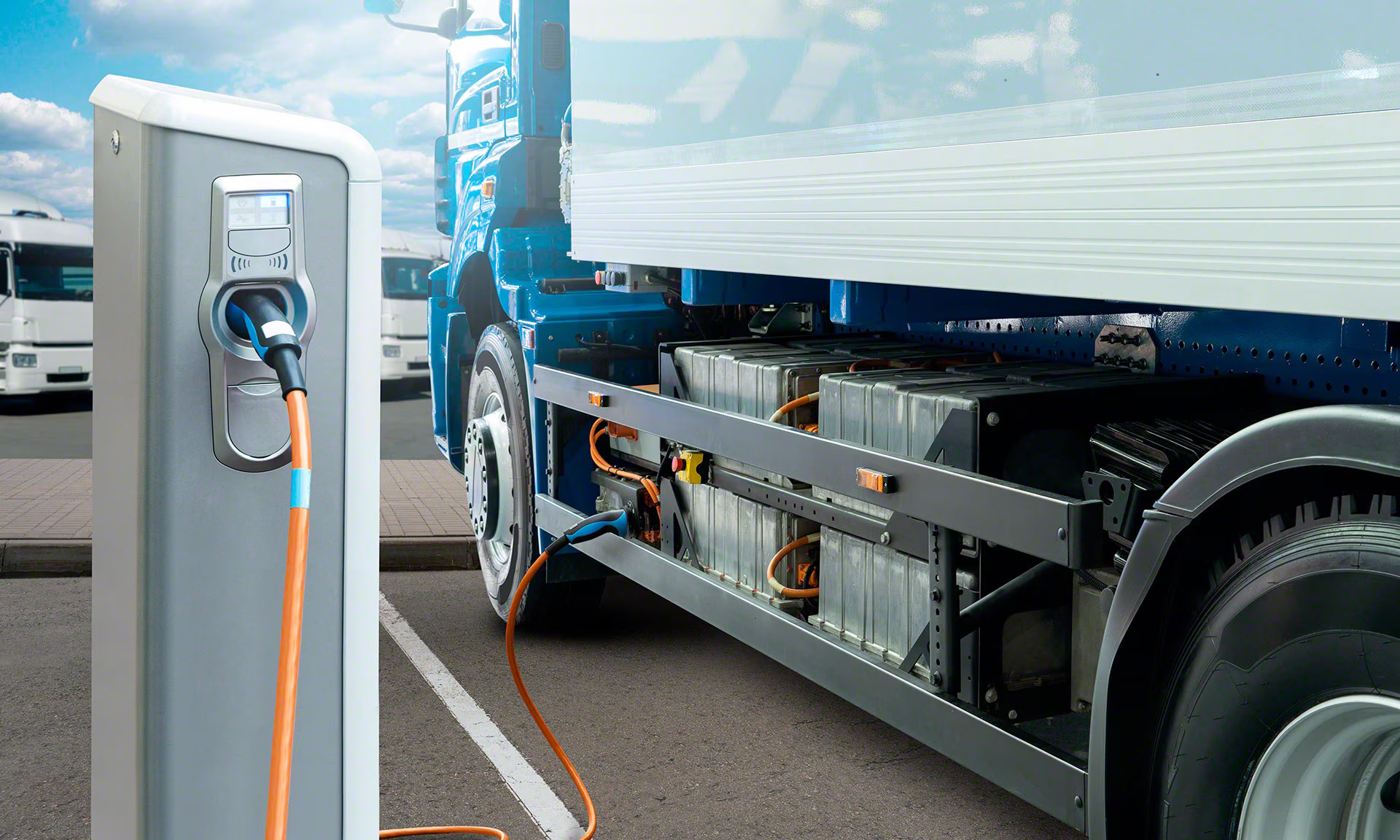
The development of electrified transportation corridors is emerging as one of the most important factors for the sector’s expansion.
Europe is already working on installing charging stations for heavy-duty vehicles along major transportation routes, while manufacturers continue to improve batteries by increasing their energy density and reducing charging times.
Electric trucks also offer operational advantages to companies, as they have lower maintenance costs, fewer mechanical breakdowns, and are quieter.
Fewer emissions and cleaner air.
The electrification of heavy-duty transportation can yield significant environmental benefits. Reducing greenhouse gas emissions helps improve air quality in urban areas, where diesel vehicles are a major source of particulate matter and nitrogen oxides.
In addition, reducing noise associated with heavy traffic can improve quality of life in residential and logistics areas.
The report’s authors estimate that if electric trucks were adopted on a massive scale, global oil consumption could be reduced by up to five million barrels per day, which would accelerate the energy transition and transform global logistics over the coming decades.