

Download the audio
Slide 1. Introduction.
The class develops the main challenges and solutions for electrifying the fleet’s trucks.
Slide 2. The range of an electric truck.
- A difficult balance to achieve.
The electrification of heavy-duty transport is emerging as a direct solution to reduce pollutant emissions from road transport. However, the transition process will not be as simple as replacing combustion-engine trucks and vans with electric vehicles.
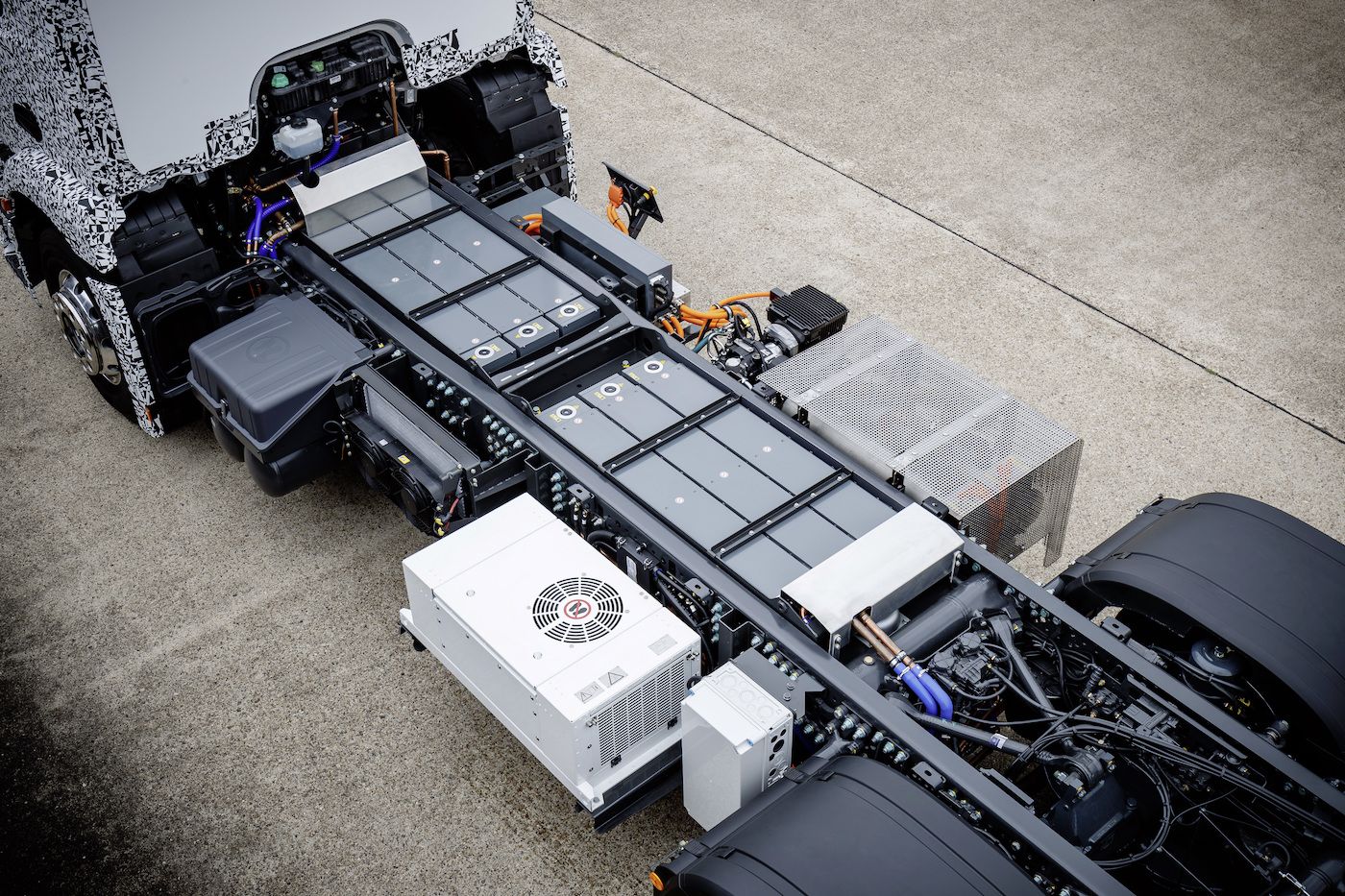
Heavy-duty road transport faces one of the greatest challenges of electrification: balancing battery weight against payload capacity. Unlike diesel trucks, where fuel has little significant impact on total mass, in an electric truck the energy storage system can add more than a ton.
A battery pack of approximately 600 kWh, necessary to achieve a range of around 500 kilometers, can weigh over 1,200 kilograms, which directly reduces the load that can be transported within established legal limits. This constraint leads to clear and precise operational decisions, as moving light products is not the same as moving dense cargo.
- Real-world range tests.
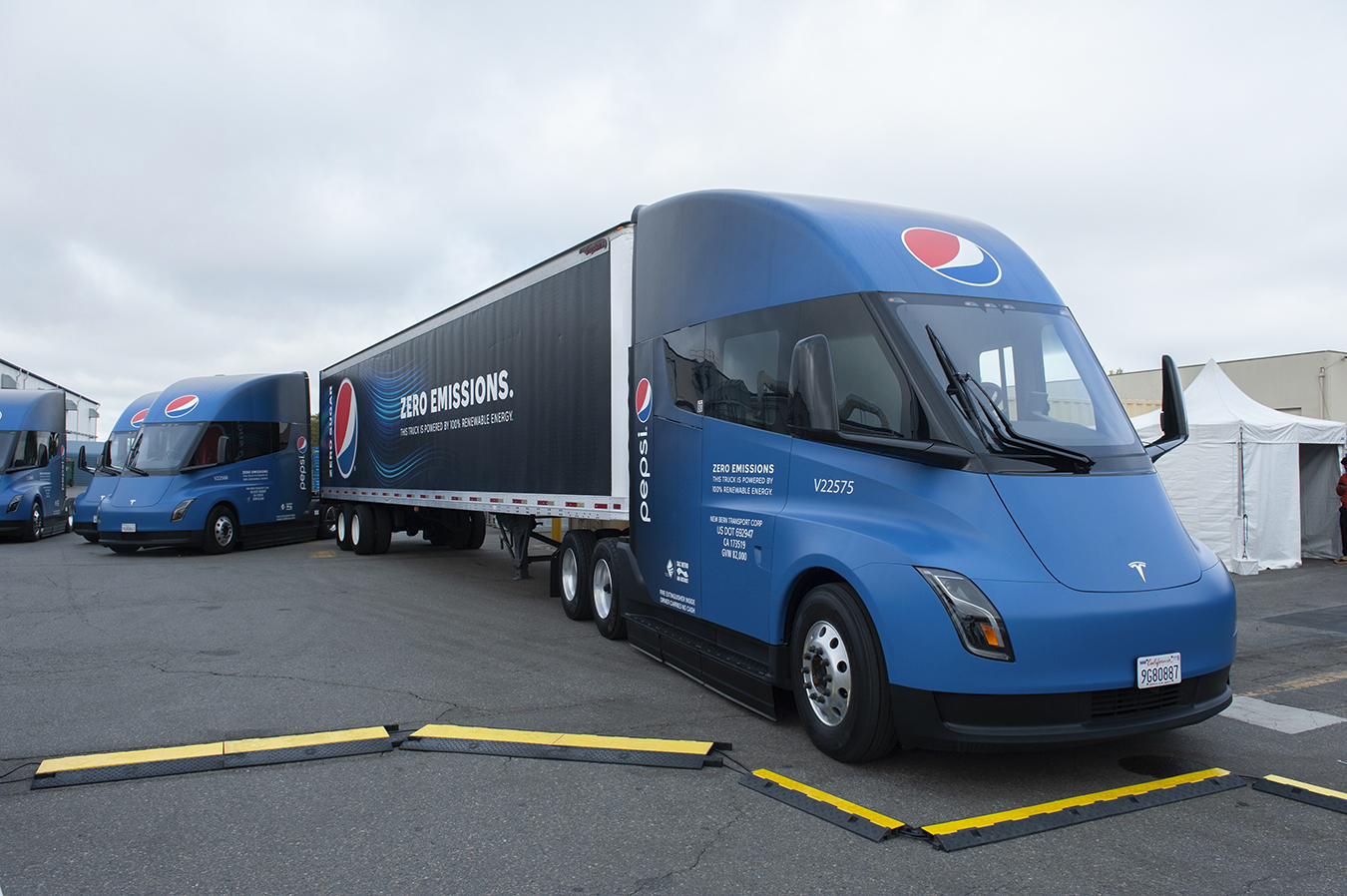
In practical tests, the difference is noticeable, with ranges varying significantly depending on the weight carried, which requires route optimization and cargo sorting. The main challenge facing heavy-duty electric mobility lies in achieving an optimal balance between battery weight and payload capacity. It is imperative that electric trucks allocate part of their gross vehicle weight to batteries, which results in reduced transport capacity.
For example, field tests conducted with the Tesla Semi in PepsiCo’s fleets showed that a truck loaded with potato chips (light load) traveled up to 684 kilometers, while a truck equipped with a trailer full of soft drinks (heavy load) reached only 160 kilometers. This significant difference highlights how the increased weight of the batteries and the electric load reduce the range of heavy-duty vehicles.
The data confirms the relationship between weight and energy consumption, such that the heavier the vehicle, the higher the consumption. According to the European Environment Agency, a 40-ton truck consumes approximately 210 kWh/100 km, while an 18-ton truck consumes around 160 kWh/100 km.
This variation is attributed, in part, to the additional weight of the batteries, which is necessary to achieve greater range. For example, achieving a range of 500 kilometers requires approximately 600 kWh of battery capacity, which, at a ratio of 2 kg/kWh, equates to approximately 1.2 tons of battery weight. Every additional 100 kWh adds nearly 200 kilograms of mass.
- Battery type.
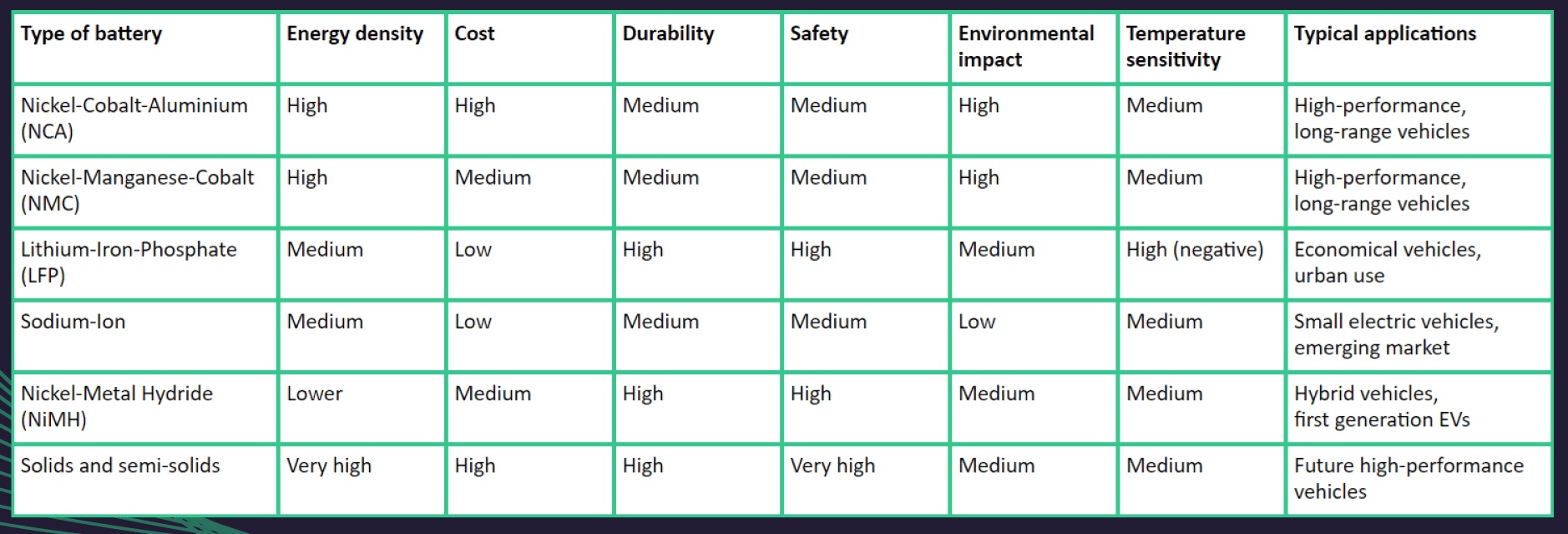
The type of battery also influences weight: denser Nickel-Manganese-Cobalt (NMC) batteries weigh between 1.2 and 1.8 kg/kWh, while Lithium Phosphate (LFP) batteries, although safer, weigh around 1.8 to 2.0 kg/kWh. Ultimately, determining how much extra range per truck is worth sacrificing in terms of payload capacity comes down to a careful assessment of the business’s specific needs and goals.
The impact on payload is significant. According to reputable comparative studies, for typical ranges of 300 to 500 kilometers, electric trucks offer approximately 95% of the payload of an equivalent diesel truck, making them an extremely efficient and competitive option in today’s market. Over longer distances, the difference widens significantly. For example, a Tesla Semi with a range of 800 kilometers has 90% of the payload of a diesel truck.
There is no simple solution to this technical challenge, but there is room for gradual improvement. However, European regulations have begun to address this disadvantage. The European Union has implemented new regulations allowing for the addition of up to four additional tons to the maximum permitted weight for electric vehicle combinations. This measure raises the standard limit from 40 to 44 tons for electric trucks, reflecting a significant increase in cargo-carrying capacity.
- Maximum authorized mass.
For example, in Spain, the provisions of the European directive are being followed. Likewise, the General Directorate of Traffic has authorized an increase in the maximum authorized mass of up to 1 ton through the use of alternative technologies, including batteries. These changes help recover some of the payload that was reduced due to the weight of the battery.
However, the drawback persists in long-distance operations, where each additional kilowatt-hour results in greater weight and reduced payload. In this context, manufacturers are developing batteries with higher energy density, capable of providing greater range without significantly increasing total weight.
- Industry strategy.
At the same time, the industry’s strategy focuses on adapting usage patterns, prioritizing medium-distance routes, optimized loads, and more frequent recharging. Therefore, the balance is not only technological but also logistical, and it will set the actual pace of electric truck adoption in heavy-duty transport.
In practice, these factors already influence logistics operations. Companies plan routes and loads based on the vehicles’ actual range. It is common for electric trucks to be used for light cargo or short trips.
However, the pilot program has yielded positive results in other areas: electric fleets achieve high utilization rates, around 95%, and operating costs are 20–50% lower than those of equivalent diesel trucks.
According to certain manufacturers, battery life can reach up to one million kilometers. In the medium term, there is a possibility that improvements in battery density will lead to a reduction in the trade-off between weight and range. Likewise, it is anticipated that the development of expanded charging infrastructure, including ultra-fast charging, will contribute to improved operational efficiency.
The main challenge for long-haul electric trucks lies in striking an optimal balance between battery weight and payload capacity. While the technology continues to advance, it faces inherent limitations: every additional kilogram of battery weight reduces the amount of cargo that can be transported. The goal of regulations is to alleviate this tension by allowing for heavier weights in electric vehicles. However, striking the optimal balance between range and payload remains a crucial decision for transportation companies.
Slide 3. Charging electric trucks.
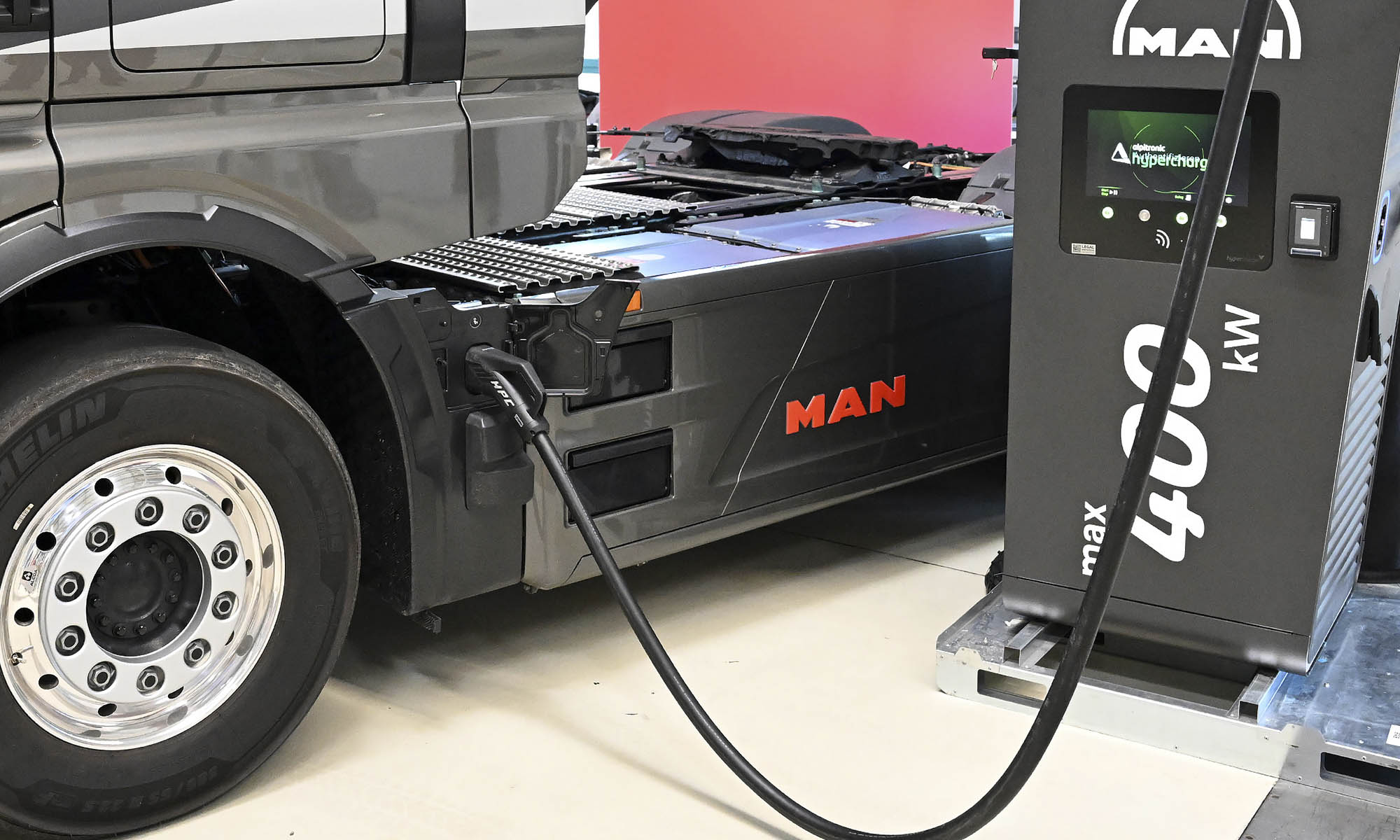
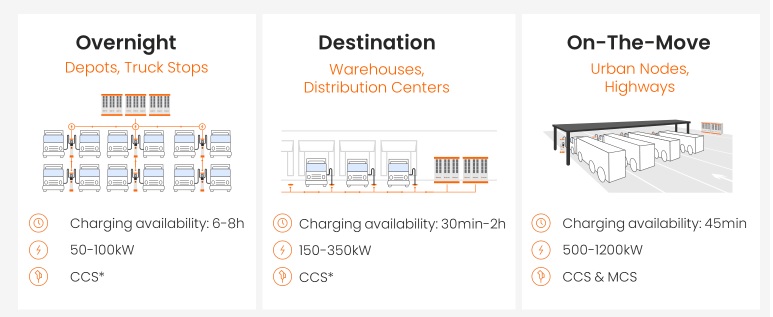
When it comes to charging heavy-duty trucks, charging strategies typically vary depending on various factors, such as overnight charging, charging at the destination, and charging while on the road. The charging time for an electric truck can also vary depending on the specific charging situation.
- Overnight charging.
This charging configuration is the most common. Vehicle fleets are charged overnight using a low-power direct current supply, ranging from 50 to 100 kW. This method is effective because, generally, there is a 6 to 8 hour window during the night available for charging vehicles. Intelligent charging software optimizes energy consumption through features such as peak shaving and load balancing.
- Charging at the destination.
This measure is of vital importance for vehicles traveling distances shorter than their daily average. Destination charging can be carried out at logistics centers or warehouses. During these sessions, power ranging from 150 to 400 kW is used to recharge electric trucks in a period of 30 minutes to 2 hours, during loading and unloading processes.
- Loading during transit.
This is necessary in urban areas and on major transportation routes to facilitate daily long-distance transport by heavy-duty vehicles. In order to efficiently utilize the mandatory rest breaks regulated by the European Union for truck drivers, which last between 30 and 45 minutes, high power levels of up to 1.2 MW will be required to recharge the vehicle in time.
In summary, electric trucks are typically charged using a DC fast charger overnight, either at a warehouse at the destination or while on the road. The charging time for a truck can range from 30 minutes to 8 hours, depending on the specific load.
Slide 4. Number of vehicles in the fleet.
- Increase the total number of vehicles to maintain the same level of logistics activity.
A study has highlighted the possibility that the electrification of heavy-duty fleets may require an increase in the number of vehicles in use.
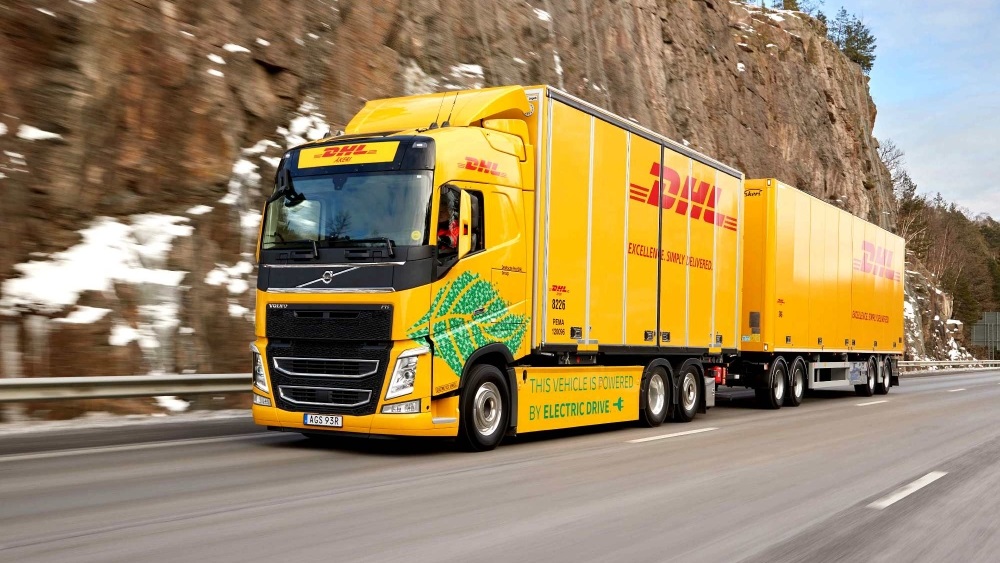
In the United Kingdom, research based on data from DHL has shown that the potential shift to electric trucks could necessitate an increase in the total number of vehicles to maintain the same level of logistics activity.
The study, conducted by Heriot-Watt University, uses real fleet data to simulate operations on a key corridor: the route between London and East Midlands Airport. The main objective of this study is to assess the impact of various variables specific to electric trucks, such as battery weight and charging times, on their operational efficiency compared to conventional diesel vehicles. Although the study was conducted in a specific context, its findings are applicable to any other market.
- Less available payload and longer stops for recharging.
One of the key aspects of the analysis is that electric trucks have a reduced payload capacity, due to the additional weight of the batteries. Since these components already take up part of the maximum allowable weight, the available payload is reduced. Added to this is the need for recharging stops, which are significantly longer than conventional refueling stops. The combination of these two factors has a significant consequence: it could lead to a reduction in the productivity of each individual vehicle. Consequently, transport companies would be forced to compensate for this decline by increasing the size of their fleets to maintain the same volume of goods transported.
To assess the potential impact of the measure, researchers have developed various time-based scenarios. In the first phase, a scenario is simulated in which, by 2030, 10% of the trucks operating on that route would be electric. Subsequently, the model will evolve to 50% by 2040 and 100% by 2050, gradually incorporating new vehicles and the necessary charging infrastructure. This analysis will help identify changes in operational requirements as the level of electrification increases.
Despite the challenges inherent in the project, the study’s authors emphasize that the goal is not to question the viability of electric trucks, but rather to better understand their implementation. Indeed, one of the primary objectives is to demonstrate that long-distance transport using electric vehicles could become feasible sooner than expected, provided that aspects such as infrastructure and operational planning are optimized.
- Simulations to understand the challenges ahead.
To create these future scenarios, a computer simulation technique called agent-based modeling-ABM is being used. This technique simulates how drivers and vehicles interact with each other and their environment, as well as the impact these interactions can have on the transportation system as a whole.
They are developing a simulation that will show how a truck fleet can transition from having no electric heavy-duty vehicles to having 100% electric heavy-duty vehicles by 2050. Using data from DHL, we are beginning to incorporate electric trucks into the fleet to understand the impact of this change, based on the frequency and volume of goods they transport.
Slide 5. Implications for fleet management.
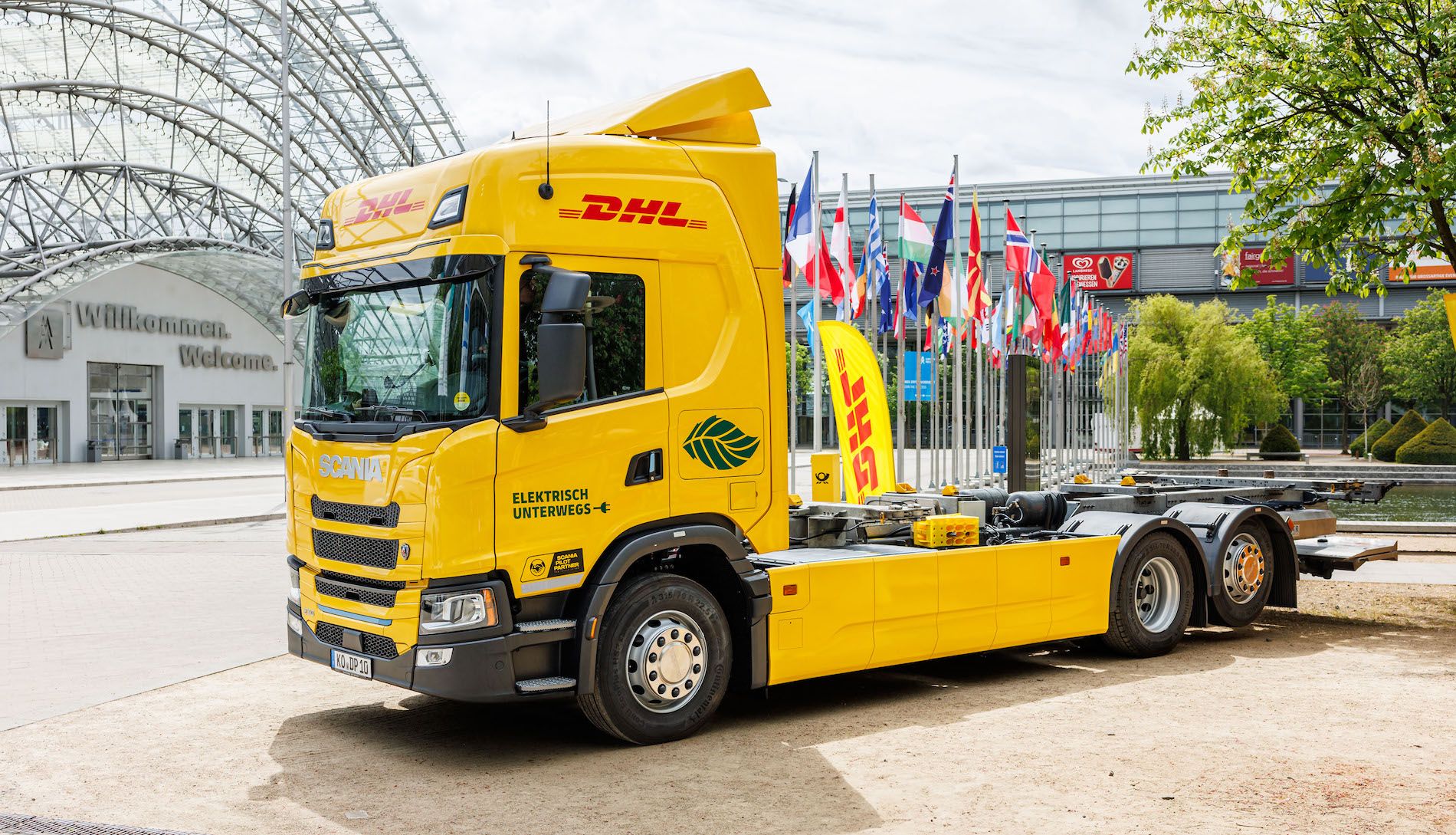
The main consequence of electrifying the fleet’s trucks is achieving zero emissions, which involves a change in fleet operations and, depending on the circumstances, may result in increased costs.
- Actual range of electric trucks.
Depending on the type of load being transported, electric trucks will have greater or lesser range; the heavier the load, the shorter the range and the higher the energy consumption.
It is very important to know the actual kWh/100 km consumption for the transport we are going to carry out, in order to determine the actual range we will have.
The technical specifications or brochure for the electric truck show a theoretical consumption that is always much lower than the actual figure.
It is recommended to conduct a real-world test with a fully loaded truck on a route we typically drive to determine actual energy consumption and range.
Ideally, the manufacturer should lend us an electric truck for the test.
It is recommended that the electric truck have sufficient range to cover the entire trip from the time it leaves our facilities until it returns.
Keep in mind that public charging stations, those at our customers’ locations, etc., may be occupied or out of service, increasing the downtime for our electric truck.
Whenever you need to use a public or third-party charging station, be sure to reserve a charging slot and verify that it is operational.
- Fleet operations.
Electrifying the fleet’s trucks isn’t simply a matter of replacing a diesel truck with an electric one: it involves a complete overhaul of our operations, and planning a new fleet operation is a complex and time-consuming process.
When planning fleet operations, factors such as the range of electric trucks, delivery or pickup time windows, payload, the location of charging stations, charging time, charging schedules, drivers’ legal driving hours, etc., must be taken into account.
Battery degradation is a critical factor; over time and with use, the electric truck loses range. It is recommended to use 80% of the actual range value in operational planning so that the electric truck can be used for 8–10 years.
If the electric truck has a range of 500 kilometers in real-world testing, we will use 400 kilometers in our calculations.
- Fleet electrification.
The fleet should be electrified gradually, starting with a single route or service, gaining knowledge and experience, and continuing to electrify the fleet.
It is not advisable to electrify the entire fleet at once because it is a major risk; certain routes or services may have to be discontinued.
If the electric trucks we need are not available on the market, it is better to wait until they become available than to proceed with an inappropriate electrification plan.
- Number of vehicles.
Due to range and charging time, we may need more electric trucks and drivers to transport the same cargo as we would with diesel trucks.
Electric trucks have lower energy and maintenance costs than diesel trucks, but they are more expensive to purchase, in addition to the cost of charging stations at our facilities.
If we need more electric trucks and drivers to provide the same service, costs may increase.
- Competitive advantage.
Electrifying the fleet to achieve zero emissions is a competitive advantage for our company over our competitors who use diesel vehicles.
We must publicize to our customers, the public, shareholders, etc., that we use electric vehicles and the CO2 emissions we have avoided.
Above all, we must communicate to our customers and potential customers that our transportation has zero emissions.
- Zero emissions.
To achieve zero emissions, renewable energy sources such as wind or solar power must be used.
- Charging infrastructure.
For a fleet, it is recommended to charge the trucks overnight at our facilities using the slowest possible charging rate to prevent battery degradation and take advantage of the lowest electricity rates.
The power required per charging point for an electric truck ranges from 50 to 100 kW.
We will likely need to contract more power for our facilities than we currently have, and we may also need to make modifications or install a new electrical system to handle this charging power.
- The dilemma of zero emissions at a higher cost.
Most companies and organizations state in their policies that they are committed to addressing climate change, achieving zero emissions, reducing CO2, and so on.
Electrifying the fleet may increase costs but result in zero emissions, which is when the following dilemma arises:
Having a zero-emission fleet at a higher cost versus a fleet of diesel trucks at a lower cost.
This is a strategic decision that company management must make; the fleet manager must conduct an analysis of electrification and present it to company management for a decision.
Slide 6. Thank you for your time.
The class has developed the main challenges and solutions for electrifying the fleet’s trucks, see you soon.