
Download the audio
- Introduction.
The class develops the types of battery technology used in mining, construction, and agriculture, as each type of machinery has specific requirements.
- Heavy industry uses all kinds of machinery, so not all of them require the same type of battery.
Electrification is not limited to transportation. It is present in a multitude of sectors, some of which do not typically attract the attention of the average person, such as heavy machinery. Progress in this industry is rapid, but not all batteries are suitable for all uses. The batteries that power these machines cannot be directly compared to those in electric cars, as differences in size, use, and operational demands make it necessary to develop specific solutions for each function.
The IDTechEx report “Batteries for Construction, Agriculture, and Mining Machinery 2026–2036: Technologies, Players, Forecasts” analyzes the global market and details current and future trends and applications for the coming decade.
- Rising demand for electricity.
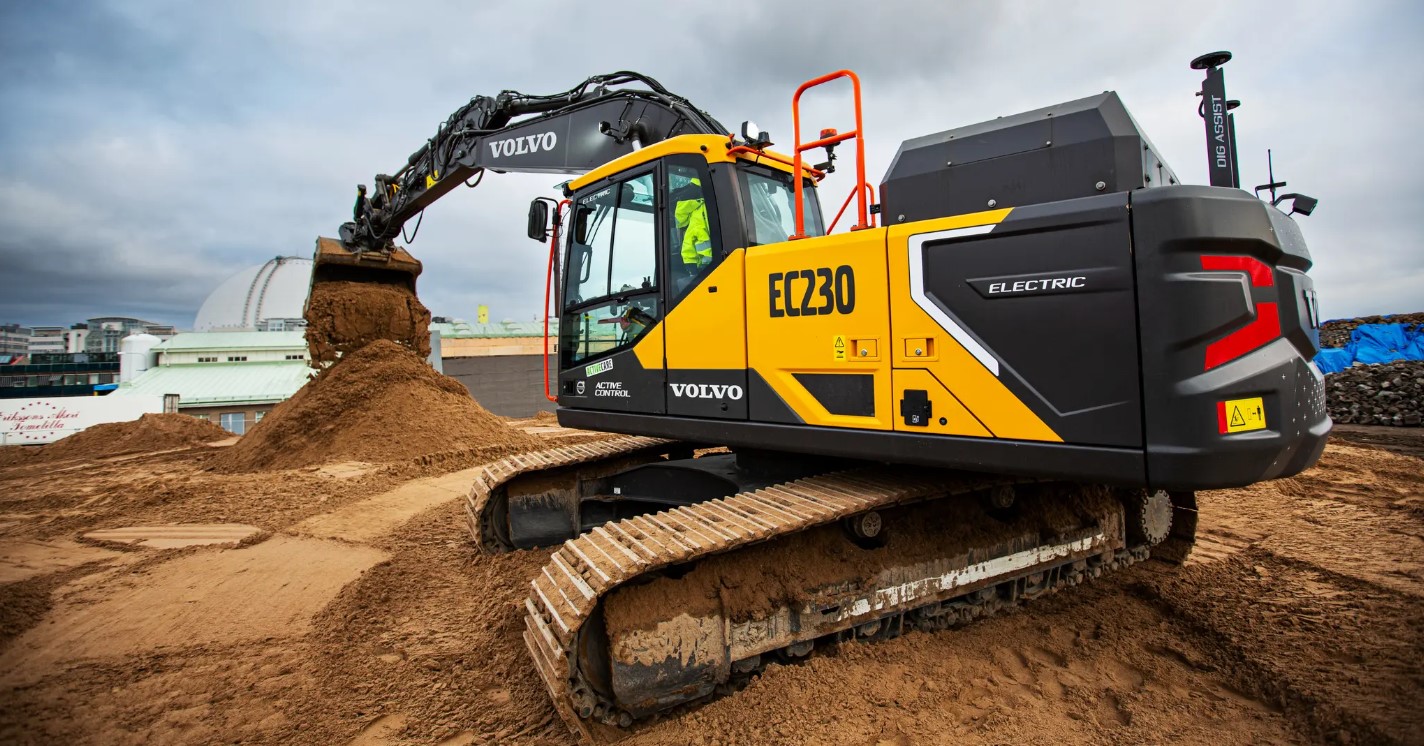
According to the study, global demand for batteries for heavy machinery will increase significantly, reaching 45 GWh by 2036. This growth is driven by several factors: the need to reduce emissions, savings in operating costs, and improved working conditions. Compared to diesel engines, electric machines eliminate local emissions of polluting gases, reduce noise, vibration, and heat, and enable a safer and more efficient work environment. In addition to benefiting workers, using electricity instead of fossil fuels means lower energy and maintenance costs, which reduces the total cost of ownership, a key consideration for owners.
This shift has prompted major manufacturers such as Caterpillar, Komatsu, John Deere, and XCMG to invest in the development of electric models. Among the various sectors, construction is leading the way in electrification, largely due to regulatory pressure in urban environments, while mining and agriculture are advancing at a more gradual pace.
- A huge and diverse market.
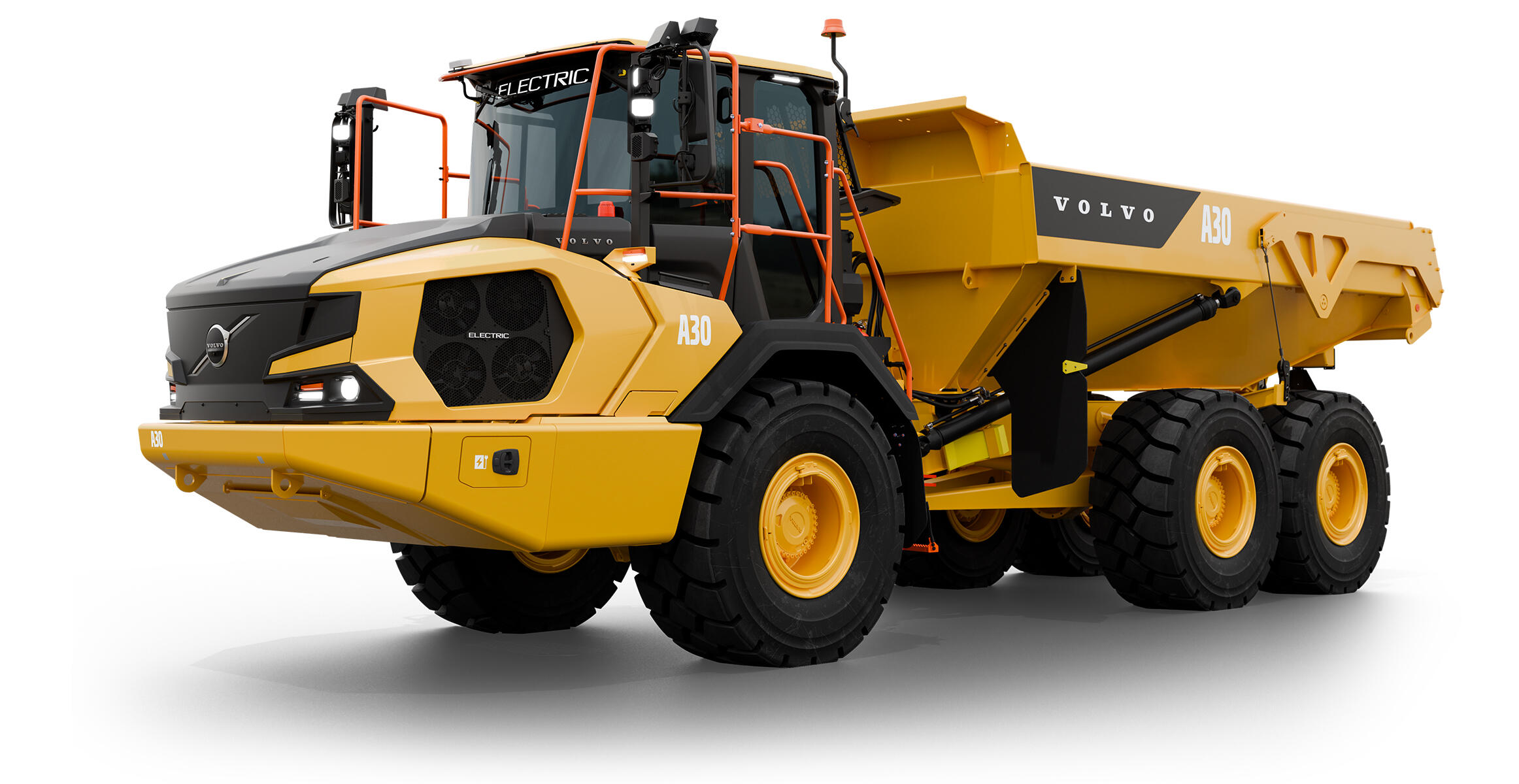
One of the main challenges facing the sector is the enormous diversity of machines. Electrifying a mini-excavator weighing less than six tons that operates for just a few hours a day is not the same as electrifying a mining truck weighing over 200 tons that runs practically nonstop. This variability requires designing batteries with capacities ranging from 10 kWh to 2 MWh, figures unthinkable in the passenger car sector, as well as optimizing a wide range of parameters, such as energy density, power, charging speed, service life, and cost.
Until now, the industry has largely followed the automotive sector’s lead and has used lithium-ion batteries with chemistries such as nickel-manganese-cobalt NMC and lithium iron phosphate LFP. While these technologies are now mature, readily available, and meet many current needs, they are not a one-size-fits-all solution. Each application requires a different balance between performance, cost, and durability, making it necessary to use a specific type in each case.
In mining, the priority is typically to maximize service life and minimize downtime. In this context, according to the report, technologies such as lithium titanate oxide-LTO take on particular importance. Although they have lower energy density and are more expensive, they stand out for their ultra-fast charging capability and a service life that can reach 20,000 cycles.
In the construction sector, where power peaks are combined with a certain degree of operational flexibility, NMC and LFP batteries remain predominant. Their balance of energy density, cost, and performance allows them to be adapted to equipment of various sizes, ranging from light machinery to heavier equipment.
For its part, agriculture has specific needs shaped by seasonality and long working hours. In this context, factors such as reliability, low maintenance, and cost become more important, favoring the use of robust and cost-effective technologies, such as LFP batteries.
Looking ahead, the report notes that new technologies will begin to gain prominence over the next decade. Among them, silicon-anode batteries, solid-state batteries, and sodium-ion batteries stand out. The former promise higher energy density, while sodium-ion batteries could offer a more economical alternative with performance similar to that of LFP batteries.
- Thank you for your time.
The class has developed the types of battery technology used in mining, construction, and agriculture, as each type of machinery has specific requirements. see you soon.