Electric vehicles lose range while parked
If you own an electric vehicle, you may have experienced this phenomenon; if you are considering purchasing one, it is crucial to keep it in mind. Although it may seem counterintuitive, electric vehicles can lose energy—and consequently, see their range reduced—even when parked and not in motion.
They lose range, but only a little: why?.
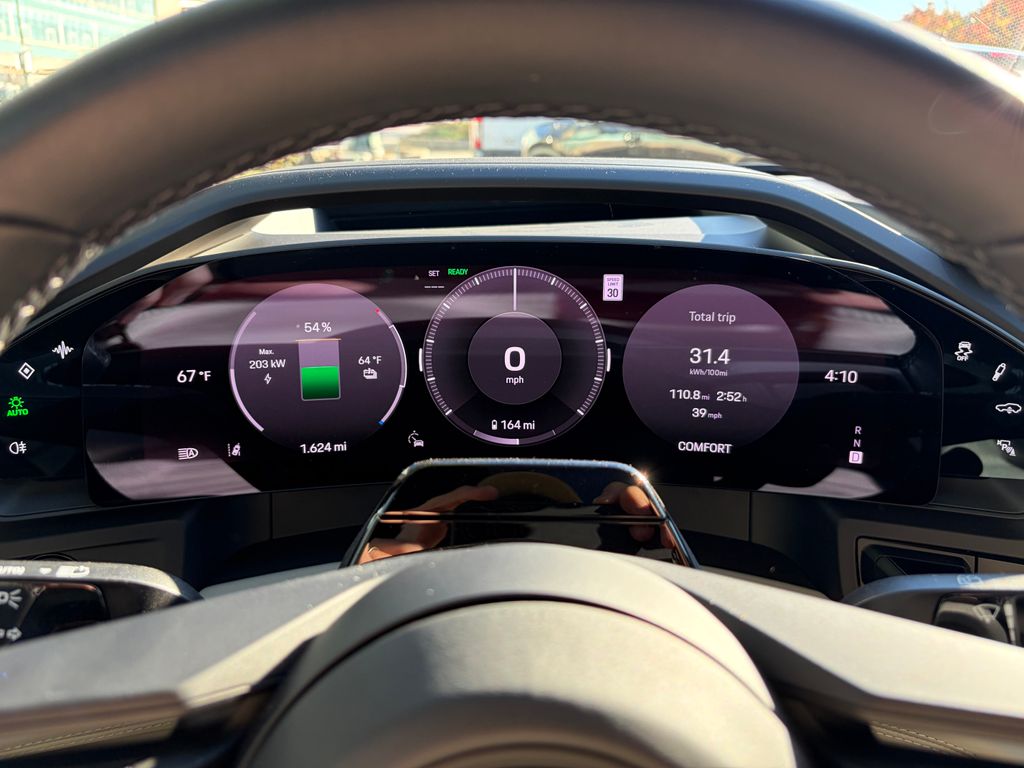
First, it is important to note that electric vehicles experience a slight loss of range while parked. However, this reduction is minimal—around 1% per night, according to Tesla. It is worth noting that these losses do not vary significantly between different manufacturers. In fact, the specialized outlet InsideEVs documented a real-world example: their editor-in-chief’s Kia EV6 remained parked in a garage during cold weather for nearly a month, and its charge level dropped only from 80% to 78%. That said, it is important to note that this loss could be greater in older electric vehicle models.
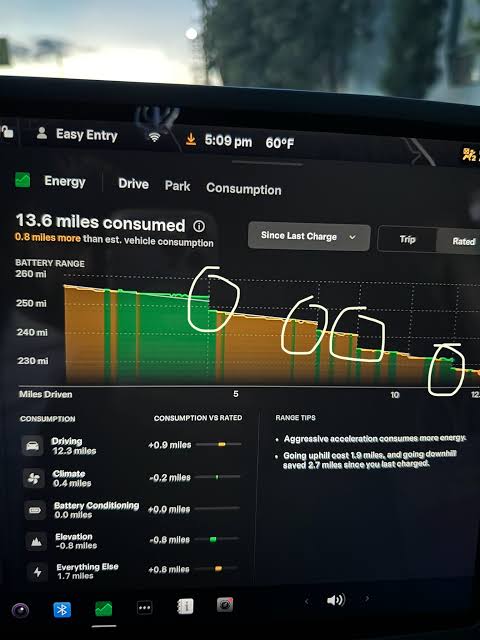
Given this, one might ask: why do electric vehicles lose range while parked?.
In response to low external temperatures, the cause can be traced to the vehicles' battery protection systems.
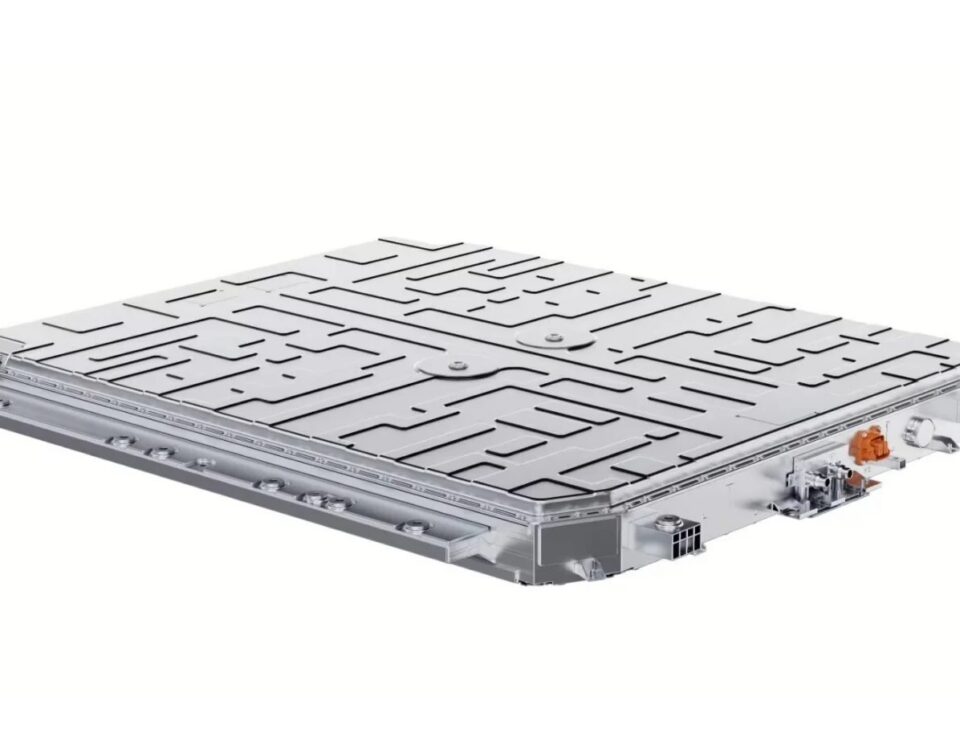
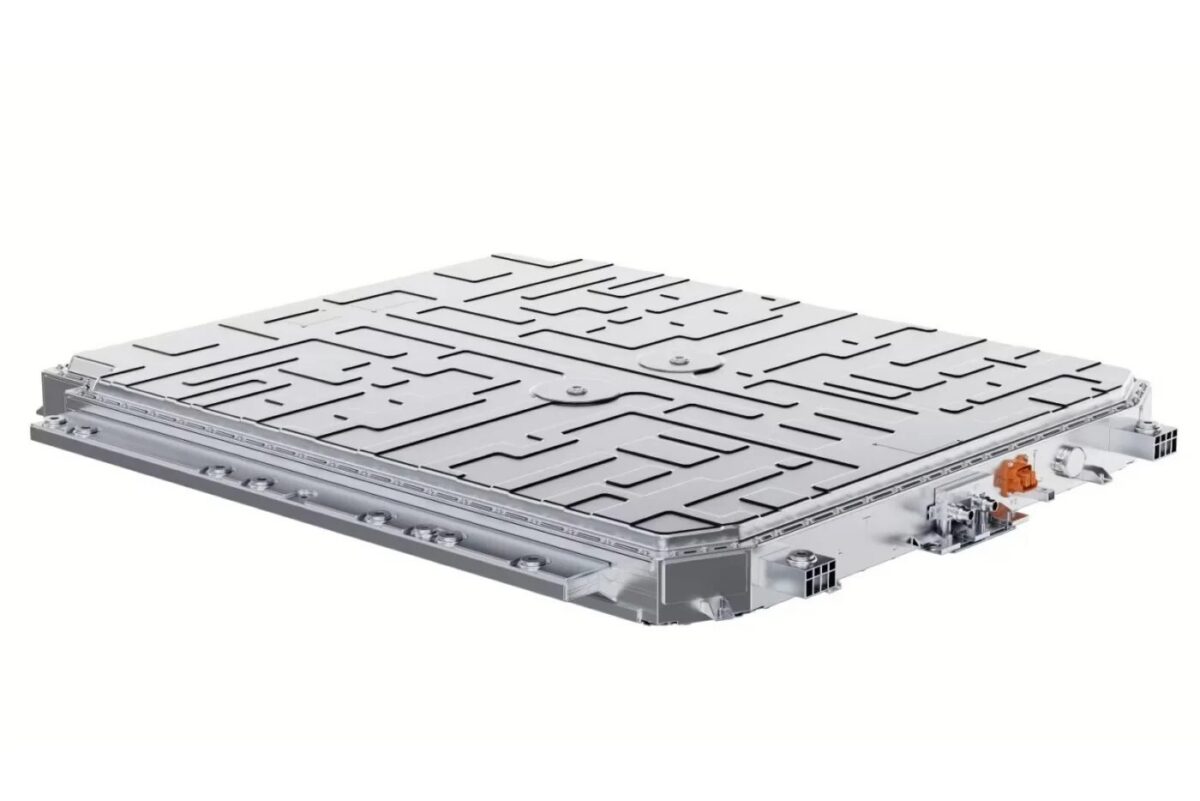
Most manufacturers use a Battery Management System (BMS) to keep battery cells within a temperature range that ensures optimal performance. Just as electric vehicles can use fans or a compressor to cool their batteries in high-temperature conditions, modern electric vehicles are equipped with thermal management systems that prevent the battery from becoming too cold. It is important to understand that this process consumes energy, which in turn affects the vehicle's range.
In fact, some range-prediction systems for electric vehicles—such as those developed by Ford—even incorporate weather forecasts to estimate available range, as they account for the likelihood of increased heating usage. While it may seem surprising, this is simply a reflection of highly advanced technology.
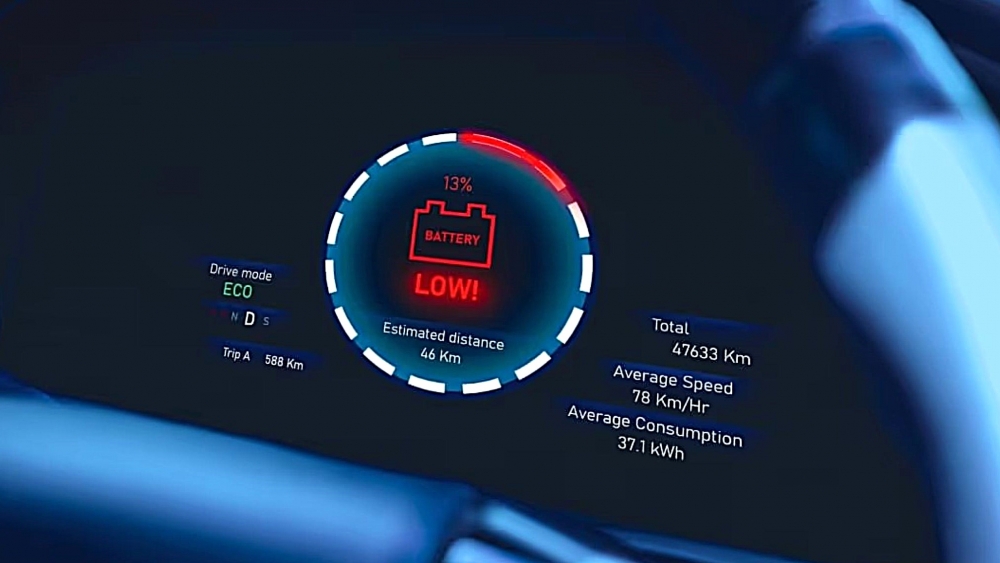
How can you prevent electric vehicles from losing range while parked?.
Given the above—and although the energy lost is never excessive—what are the best strategies to mitigate such a decline? First, if you own a Tesla, you should disable Sentry Mode. It is also advisable to avoid checking the vehicle’s status via the app too frequently. Furthermore, if you intend to leave the vehicle parked for an extended period, in addition to following the tips provided by a well-known Spanish mechanic, it is essential to ensure the battery has enough charge to start the vehicle without any issues—Tesla recommends maintaining at least a 1% charge.
In this regard, the most significant advice on how to prevent range loss in an electric vehicle—even while parked—comes directly from Tesla. The Tesla Model 3 owner’s manual clearly states that the most effective way to preserve the high-voltage battery is to keep the vehicle plugged in during periods of inactivity. This is particularly relevant if you do not plan to drive your Model 3 for an extended period.