
SVOLT Begins Production of Its Semi-Solid-State Battery
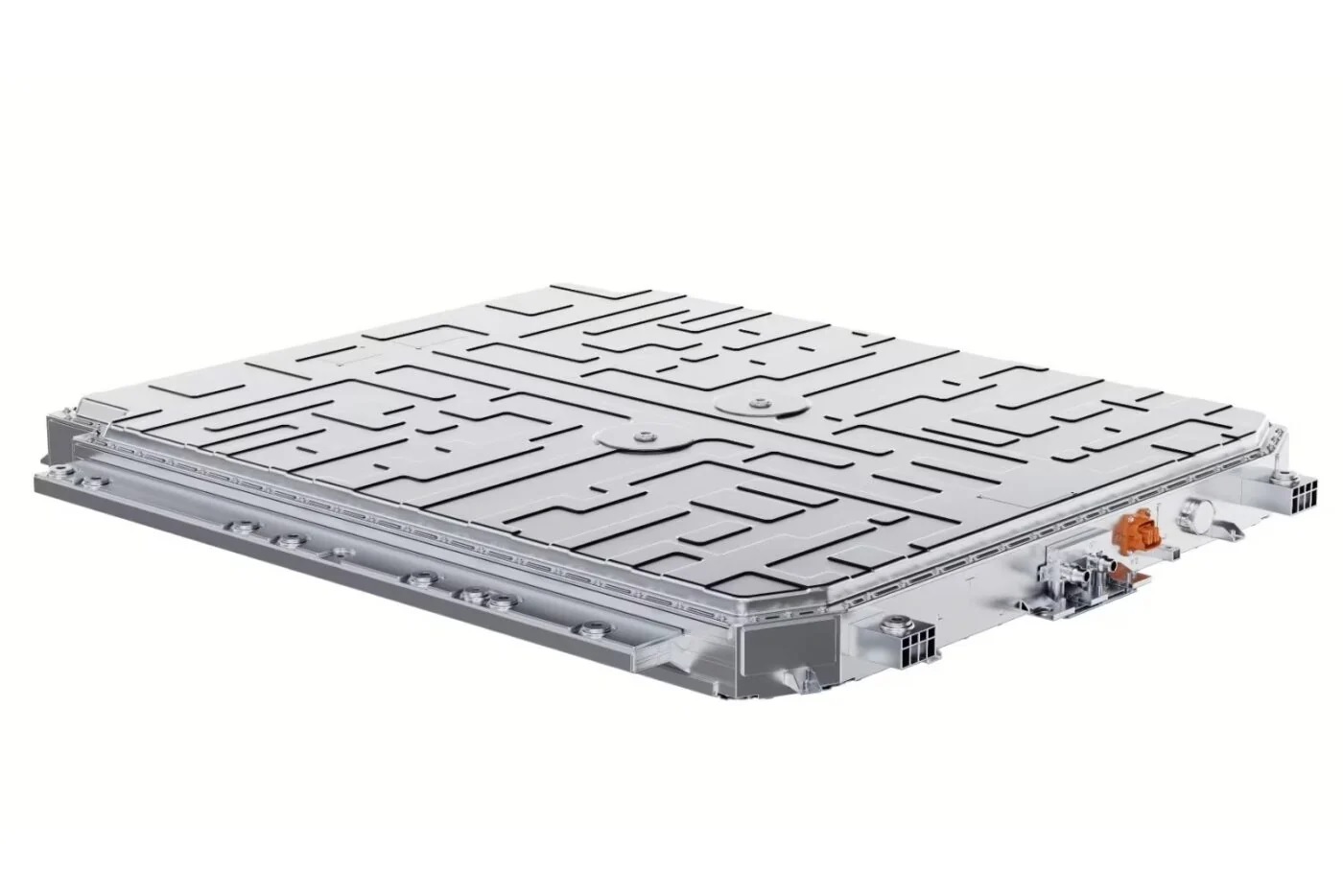
SVOLT President Yang Hongxin announced the start of mass production in a video posted on Weibo. According to the statement, SVOLT has manufactured the first batch of its battery—dubbed "Dragon Armor"—using mass-production methods. Hongxin indicated that several customers are currently evaluating the acquisition of this 100 kWh battery pack. Further details regarding the vehicles in which it will be used will be provided soon.
For context, the "Dragon Armor" battery is an energy storage system based on cells that utilize a semi-solid-state electrolyte. These semi-solid-state batteries represent a category that sits between traditional lithium-ion batteries (which use liquid electrolytes) and solid-state batteries (which use entirely solid electrolytes). The electrolyte incorporates a combination of liquid and solid materials—often referred to as "solid-liquid hybrids." Battery manufacturers believe this technology will offer improved safety, higher energy density, and a longer lifespan compared to conventional lithium-ion batteries.
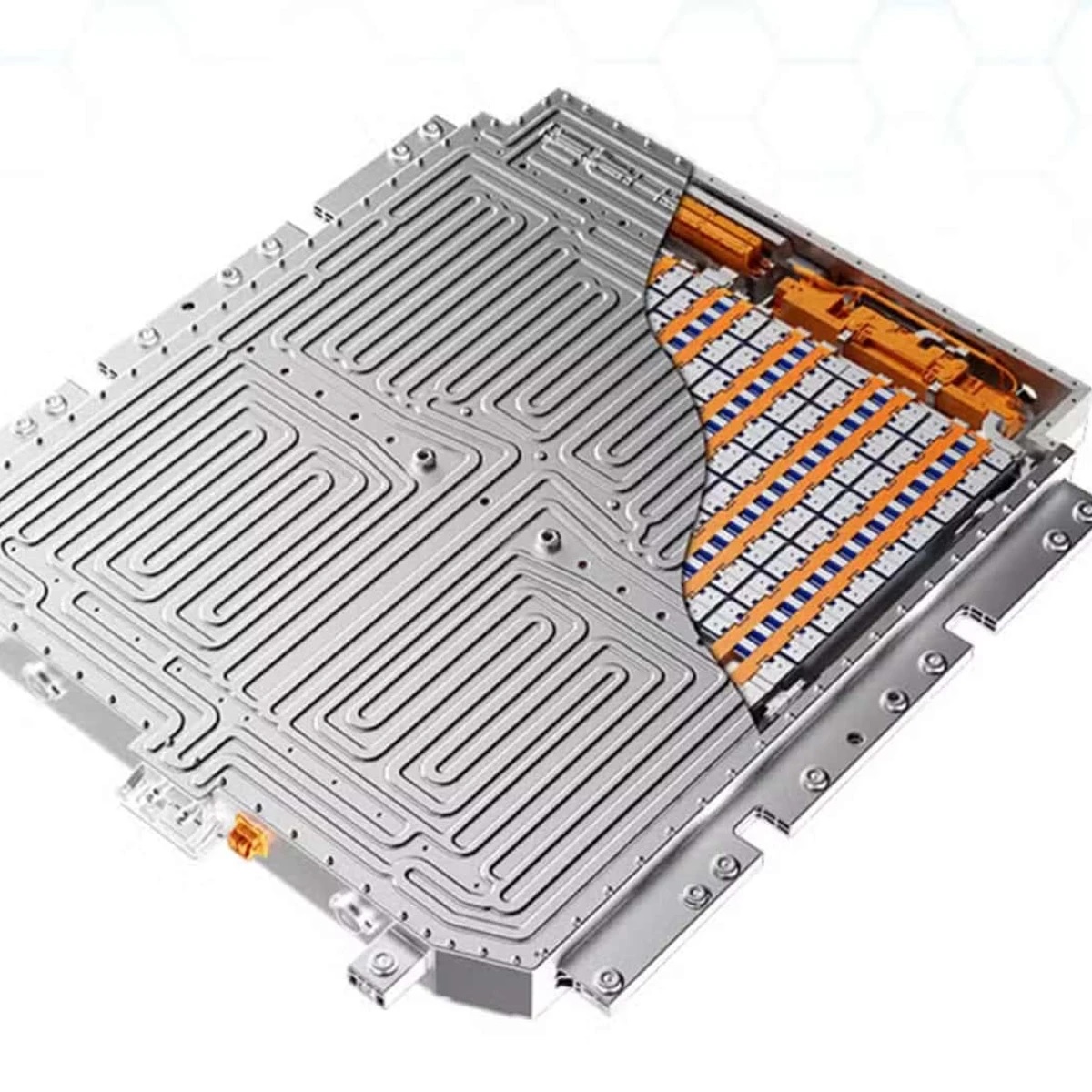
Regarding SVOLT’s new battery, the company reports that it features a liquid-cooling system on both the top and bottom, and is compatible with a maximum voltage of 900 volts. The manufacturer specifies a 6C charging rate, which, according to the technical specifications, allows for adding approximately 500 kilometers of range in just twelve minutes. The product is guaranteed to have a lifespan exceeding 3,000 cycles.
However, the specific testing conditions and the scale of the initial production batch have not been disclosed. Hongxin did not reveal the identities of the specific customers. Currently, the market for semi-solid-state batteries is limited, and even more so for solid-state batteries. This situation has spurred significant competition among battery manufacturers, all seeking to position themselves at the forefront of these emerging technologies. SVOLT, currently the tenth-largest battery manufacturer in China, is advancing its growth and expansion strategy. According to SVOLT CEO Yang Hongxin, 2026 will mark the first year in which hybrid solid-liquid-state batteries gain widespread acceptance and the technology enters the market on a large scale.
By mid-2025, the company’s leadership had already announced plans for trial production in the fourth quarter of that year, with mass production slated for 2027. According to the latest information, the start of mass production actually took place this past autumn. Previous statements indicated that SVOLT’s first-generation semi-solid-state batteries would achieve an energy density of 300 Wh/kg. For the second generation—which is reportedly already in the preparation phase—the company has set a target of 360 Wh/kg.
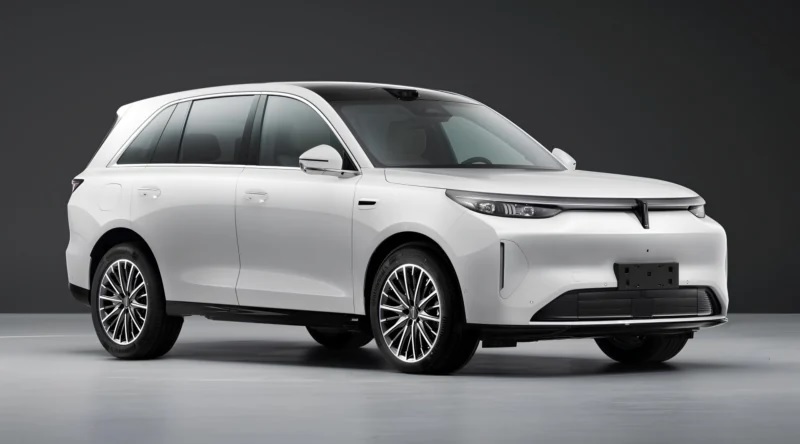
According to an earlier report by CN EV Post, SVOLT is set to supply semi-solid-state batteries—along with other components—for the next generation of vehicles from BMW’s Mini brand. A potential link here is that SVOLT was spun off in 2018 from the Chinese automotive group Great Wall Motor (GWM), which, through a joint venture with BMW, manufactures the Mini Cooper Electric and the Mini Aceman. In 2023, rumors emerged regarding a potential billion-dollar deal between BMW and SVOLT. As previously mentioned, it has not yet been officially confirmed that Mini will be one of the first customers for SVOLT’s semi-solid-state batteries.
According to the information provided, SVOLT is currently developing all-solid-state batteries. However, in May, Yang Hongxin stated that the commercialization process would require a considerable amount of time. Semi-solid-state batteries are expected to serve as a common technological pathway until such technology reaches large-scale mass production—primarily because the production costs for semi-solid-state batteries are projected to be comparable to those of conventional lithium-ion batteries that use liquid electrolytes.