

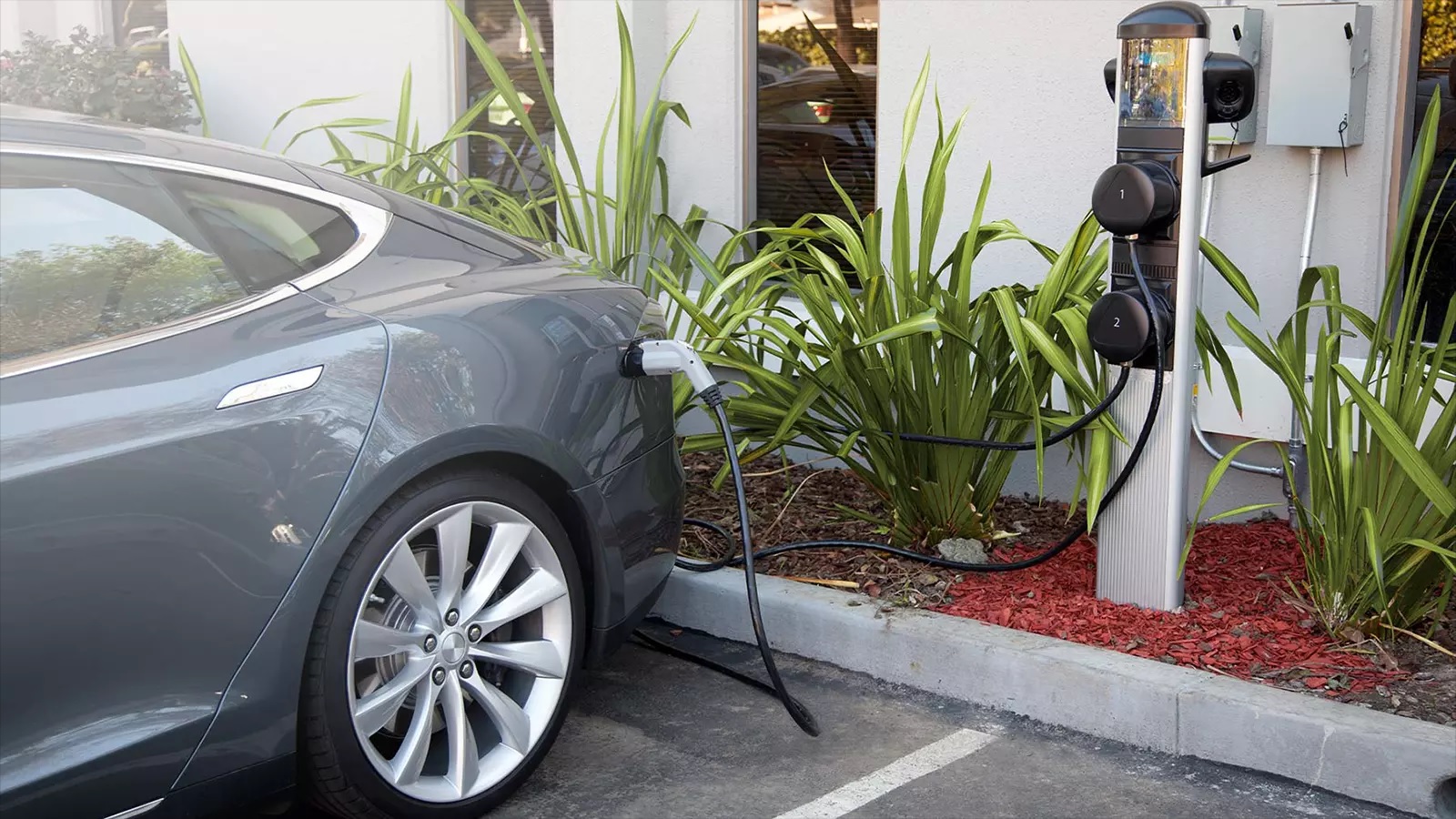
New obligations for public electric vehicle charging stations in Europe
Public charging infrastructure in Europe requires significant expansion in both quantity and coverage. Brussels has expressed its willingness to address one of the most pressing issues: the lack of uniformity in payment methods and the lack of transparency regarding the actual cost of a charging session before starting to charge a vehicle.
This is one of the fundamental pillars of Regulation (EU) 2023/1804, also known as AFIR, which establishes common standards for alternative fuel infrastructure. The regulation is already in force and affects the deployment of chargers, the information provided to users, payment systems, and the minimum coverage required on major European roads.
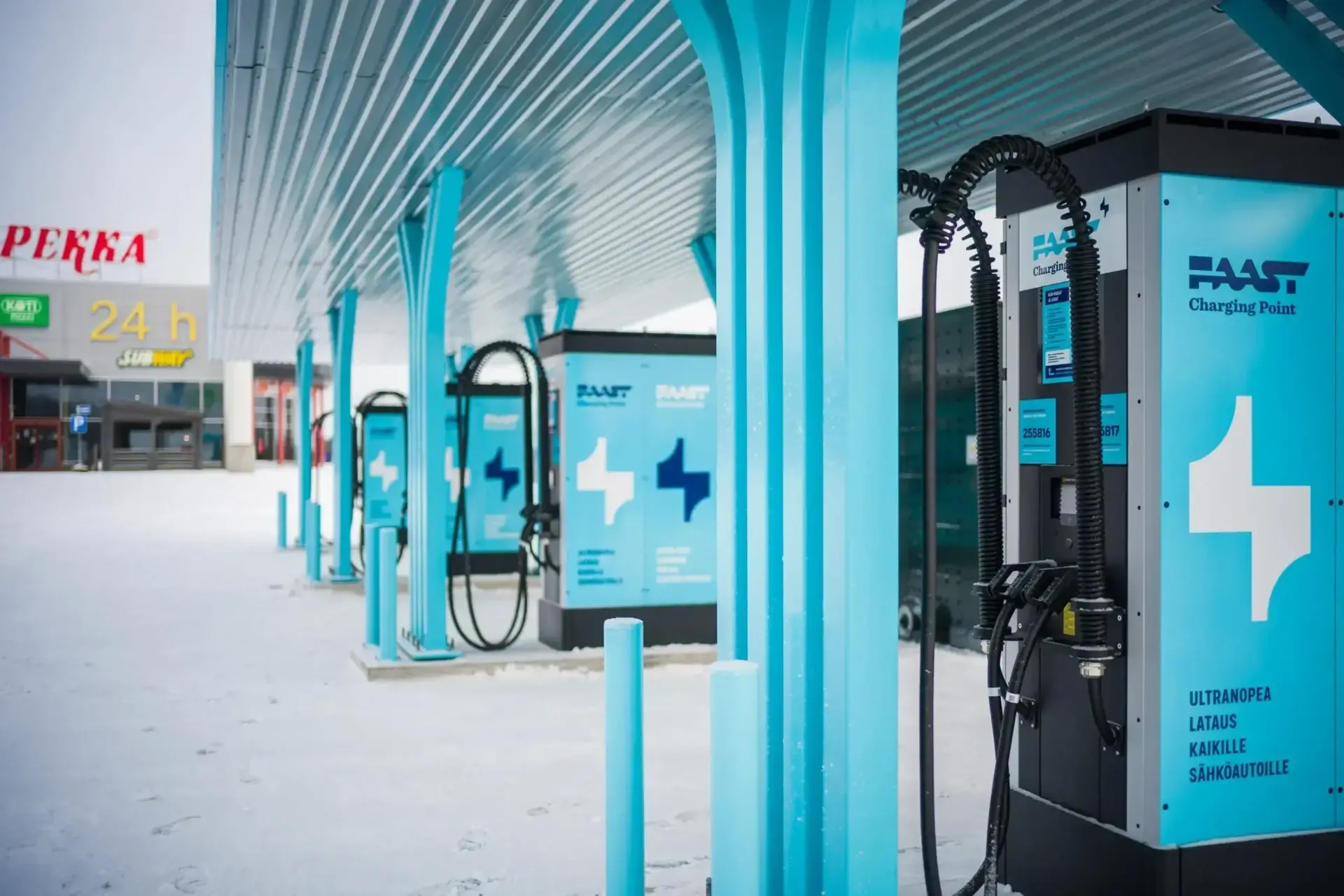
The price must be clearly displayed before charging begins.
AFIR establishes transparency, comparability, and non-discrimination as fundamental principles in defining the rates for public charging points. For chargers of 50 kW or more, the price of a single charge must be expressed based on the cost per kWh, with the possibility of adding a per-minute charge if used to penalize excessive use of the charging station.
Furthermore, it is imperative that this information be available to the user before the start of the charging session. For chargers under 50 kW, all applicable charges must also be detailed, including the price per kWh, per minute, per session, or any other additional charges. These obligations apply to charging points deployed from April 13, 2024, onwards.
The regulation's main objective is to reduce dependence on apps, user accounts, or pre-existing contracts with each operator. New public charging points must allow for single-charge charging. From April 2024, the acceptance of an electronic payment system widely used in the European Union will be required for all installed charging points.
For installations of 50 kW or more, a card reader or a contactless system compatible with cards is required. For lower power levels, alternatives that allow secure online payments, such as certain QR codes, are permitted. Furthermore, from 1 January 2027, this requirement will also apply to charging points of at least 50 kW located on the TEN-T network and in certain secure parking zones, even if they predate April 2024.
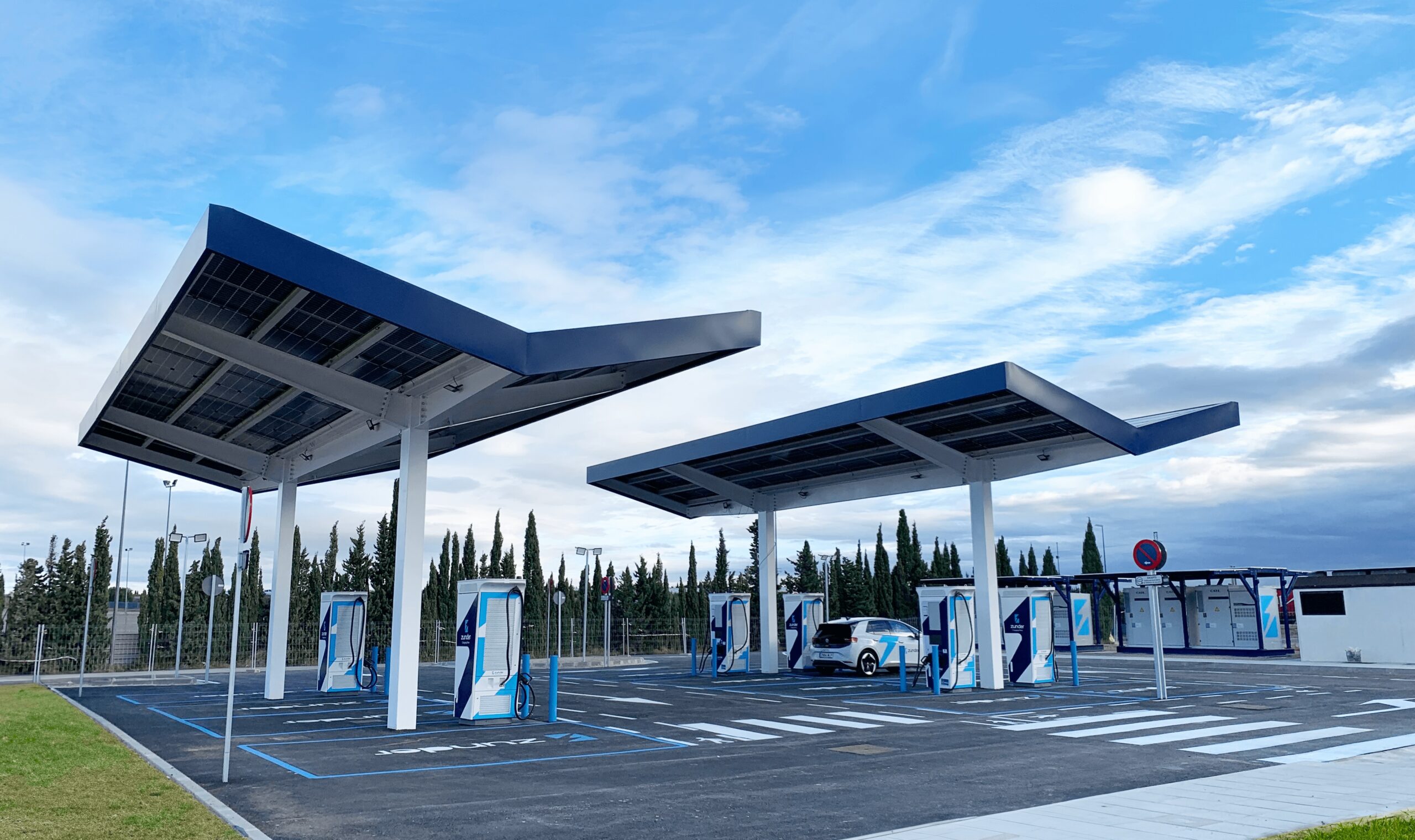
There will also be stricter requirements for road travel.
AFIR is not limited to the individual operation of charging stations. The regulation establishes minimum targets for expanding the infrastructure on the Trans-European Transport Network (TEN-T), with the aim of reducing long stretches without charging points on the main corridors of the European Union.
Regarding passenger cars and light commercial vehicles, the regulation progressively establishes the separation of charging stations by a maximum of 60 kilometers on certain sections of the Trans-European Transport Network (TEN-T), in addition to minimum requirements for combined power and high-power individual chargers. Heavy goods vehicles have their own coverage and power targets, which will become increasingly stringent in the coming years.
It is imperative that infrastructure connectivity be established immediately. From October 14, 2024, all operated public charging points must be digitally interconnected, which will facilitate the exchange of information on aspects such as their availability, operation, and characteristics.
The change proposed by AFIR involves a transformation that goes beyond simply installing charging stations. The regulations stipulate the implementation of a common framework for the entire European Union, requiring transparency in the disclosure of prices before charging, the availability of payment options without the need for prior contracting with each operator, and the development of a network that ensures greater consistency in large-scale transport.