
Electric Vehicle Roof That Integrates Solar Cells into the Glass
The automotive industry has been exploring ways to increase the range of electric vehicles without increasing the size of their batteries. Various approaches have been explored, such as improving aerodynamics and reducing weight. However, one of the world's leading automotive glass companies has decided to expand its current strategy by incorporating a new component: converting the vehicle's roof into an electricity-generating surface.
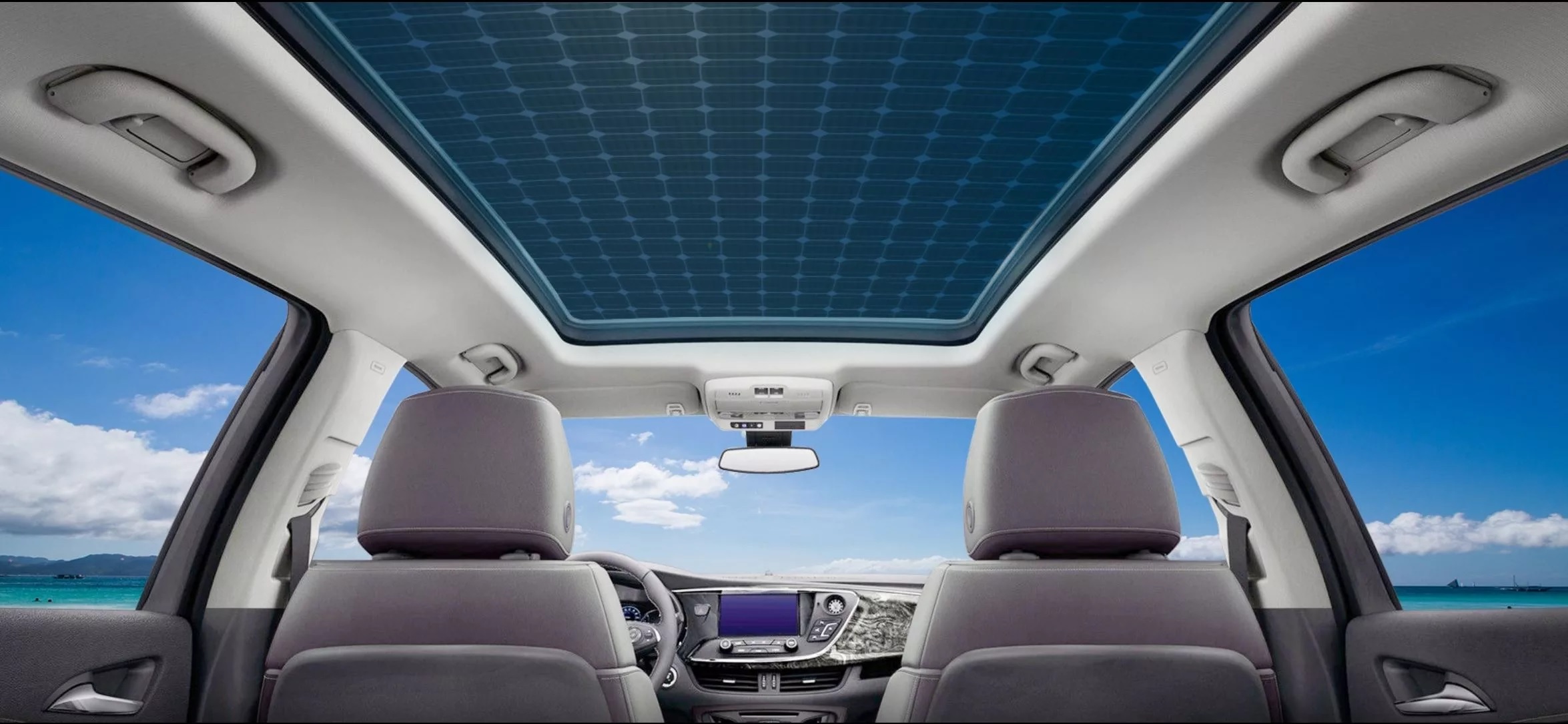
Fuyao Glass, the world's largest manufacturer of automotive glass, has confirmed that it has the capacity to mass-produce a solar roof with photovoltaic cells integrated directly into the laminated glass.
It's not simply a matter of placing solar cells.
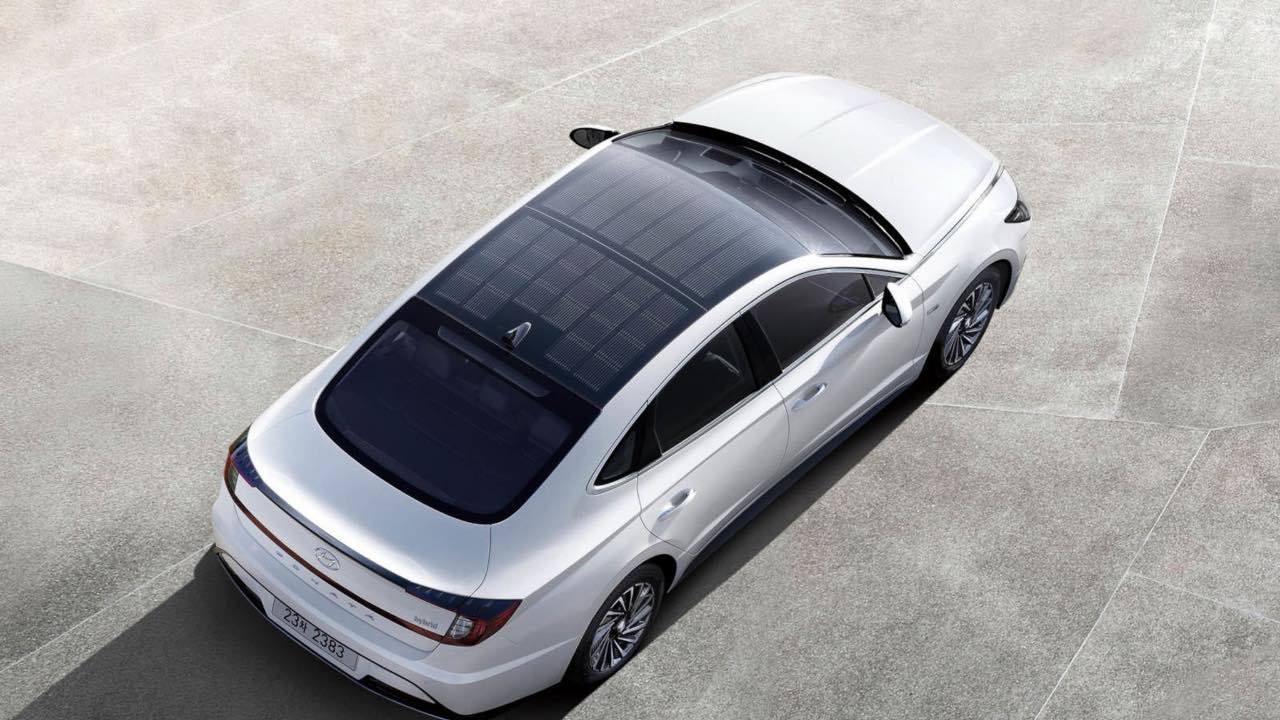
The proposal is particularly interesting due to its innovative nature, as it goes beyond simply placing solar panels on the body, as other manufacturers like Toyota have done, albeit on a small scale. Fuyao's design integrates the photovoltaic cells within the roof glass itself, so the assembly maintains the function of a conventional glazing element while simultaneously transforming sunlight into electricity. According to the company, this energy can be used to power the car's auxiliary electrical equipment, such as systems that operate when the vehicle is parked. It's important to note that this feature is not intended to directly extend the vehicle's range. However, the captured energy will be used to power auxiliary systems, allowing them to operate independently of the main battery. Consequently, with each charge, the vehicle will be able to travel greater distances.
According to multiple sources within the Chinese automotive industry, this technology could be implemented imminently in BYD vehicles, specifically in the Han and Tang models. It is estimated that the system could be offered as an option for approximately 8,000 yuan, equivalent to around €1,018, and is said to have a maximum power output of 720 watts with an efficiency of 23.18% using heterojunction cells, known as HJTs. However, these figures have not been officially confirmed by either Fuyao or BYD, and the glass company has not publicly identified its customers or revealed pricing.
The technology in question is not a recent development, as Fuyao had informed its investors in May 2024 of its capacity for mass production of glass for sunroofs and its willingness to supply this type of product to automakers upon request. The recent announcement suggests that the company has made the strategic decision to move toward commercialization and larger-scale manufacturing.
A technology with certain drawbacks.
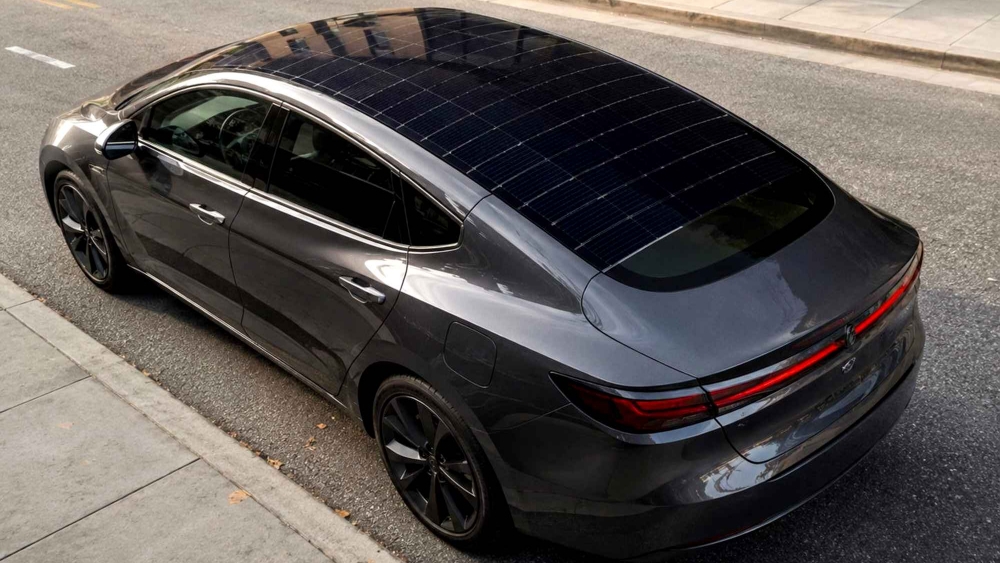
The main challenge facing the implementation of solar panels on vehicles lies in the limited surface area available, since a car generally has significantly less usable square footage compared to a house. Furthermore, roof orientation is not always optimal due to variations in the sun's tilt and orientation. Therefore, a photovoltaic roof cannot replace conventional charging of an electric vehicle nor transform the car into a self-sufficient energy source. Its main benefit lies in providing small amounts of energy continuously, especially while the vehicle is parked, resulting in reduced battery consumption for auxiliary functions.
The experience of other manufacturers adequately illustrates both the potential and limitations of this technology, with numerous previous attempts, the most recent being Nissan's experiment with an Ariya equipped with solar cells distributed across the roof, tailgate, and hood. According to data provided by the brand, under optimal conditions, the system could provide up to 23 kilometers of additional range per day. However, during a two-hour, 80-kilometer driving test, the energy obtained was approximately 0.5 kWh, which is equivalent to an additional three kilometers.