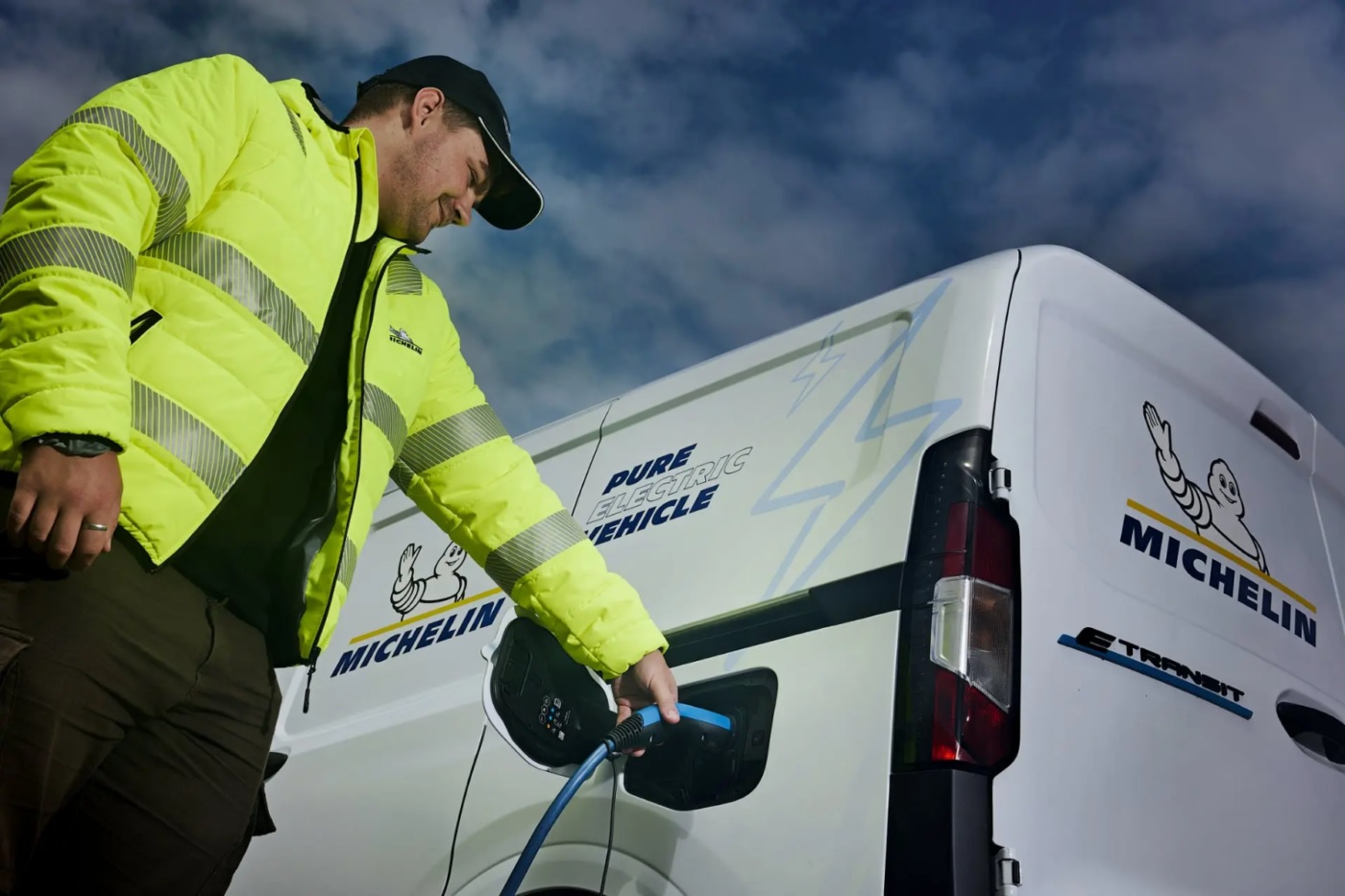
Michelin Launches "EV Charge" for European Fleets
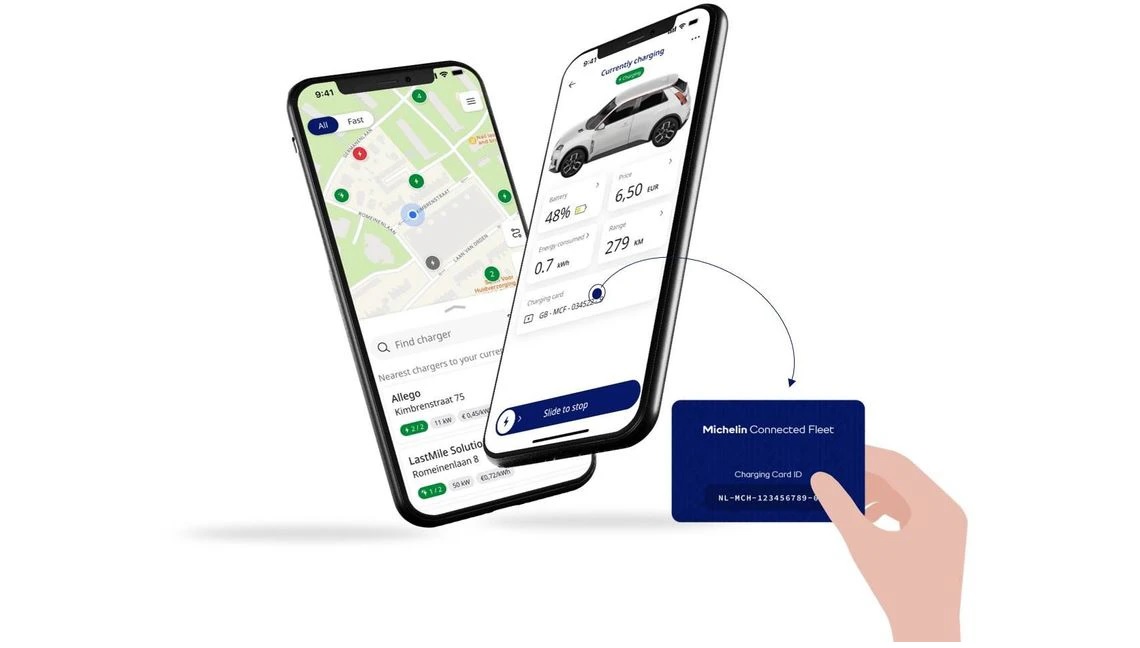
Drivers who use Michelin’s electric vehicle charging service, known as "EV Charge," gain access to over 1.2 million public charging points across Europe, accessible via a dedicated charging card or a specialized mobile app. The app allows electric vehicle drivers to locate available charging stations, plan their journeys, and select the most suitable charging options. Fleet managers, meanwhile, have access to an even broader range of features.
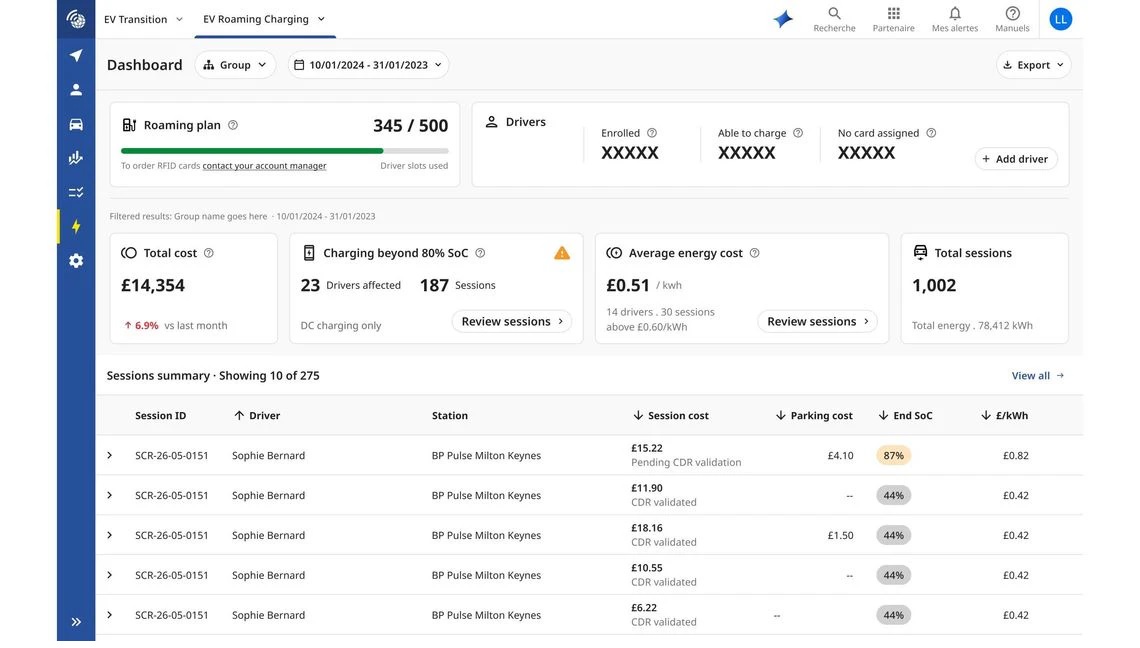
For fleet managers, the priority is simplifying cost control. Michelin maintains a transparent pricing policy—with no additional network-usage fees—and, in certain cases, offers negotiated rates. This functionality enables companies to maintain centralized records and manage public charging costs more efficiently across various networks.
However, the system’s scope extends beyond standard charging interoperability. Michelin EV Charge automatically links charging data with vehicle and telematics data previously collected via *MyConnectedFleet*. This allows fleet managers to gain a unified overview of journeys, energy consumption, charging status, and charging habits, while also identifying charging sessions that are particularly costly or inefficient. The application then provides recommendations for implementing more cost-effective charging practices. Michelin’s goal is to make energy costs—and, consequently, the total cost of ownership for electric fleets—easier to manage.
Sophie Foucque, General Manager of Michelin Connected Fleet, explains that Michelin EV Charge is a comprehensive charging solution that integrates charging data with vehicle fleet data, providing companies with a detailed view of vehicle usage and practical solutions to reduce energy costs. “This new solution provides us with a greater capacity to support fleet managers at every stage of their transition toward a more sustainable form of mobility, balancing operational performance with cost control.”
The technical foundation of the Michelin EV Charge electric charging system is built upon the MSP-2.0 platform developed by Deftpower. This Dutch company offers its technology as a white-label solution for mobility service providers, enabling the initiation, billing, and analysis of charging sessions.
Deftpower provides the technical platform.
Deftpower also specializes in smart, controlled charging. The platform is designed to anticipate a vehicle’s energy needs and optimize charging sessions based on electricity costs and grid demand. The company has stated that, by 2025, up to two-thirds of the energy used in a charging session could be shifted to off-peak hours.
In August 2025, Deftpower secured €12.5 million in funding from investors. The capital has been allocated, among other purposes, to the development and expansion of the charging platform. At that time, the company reported that it was already working with more than forty clients across ten European countries.
"The electrification of fleets should lead to reduced costs and complexity—not create more work for drivers and fleet managers," says Jacob van Zonneveld, CEO of Deftpower. With the addition of Michelin Connected Fleet, the platform is expanding its range of services for corporate fleets.
Michelin highlights the growing electrification of commercial fleets. According to the 2026 Arval Mobility Observatory Barometer, 57% of fleets surveyed in Germany, for example, already include electric vehicles, and another 19% plan to transition to electric vehicles within the next three years. However, as the proportion of electric vehicles increases, so does the demand for public charging infrastructure. The diversity of charging networks, pricing structures, and access systems not only complicates the driving experience but also makes it difficult for companies to centrally manage costs. The "EV Charge" feature within MyConnectedFleet has been designed to address precisely this aspect of fleet electrification.
This offering complements the services Michelin already provides for electrified fleets. Through MyConnectedFleet, companies can analyze which vehicles are suitable for electrification based on actual usage profiles, as well as monitor battery health, driving range, and other key parameters.
Beyond Michelin Connected Fleet, the group has a well-established track record in the fleet sector. Since 2021, Michelin has offered comprehensive solutions for the electrification of passenger cars and light commercial vehicles through its product, Watèa. While initially focused on battery-electric vehicles, the subscription-based offering was later expanded to include hydrogen fuel-cell vehicles, along with the associated infrastructure and service solutions.
With the introduction of Michelin EV Charge, the group is broadening its operations to adopt a more data-driven approach to public charging. Meanwhile, Deftpower aims to continue developing its MSP-2.0 platform and to support an increasing number of fleet and mobility providers in the future.