
Rhenus acquires 51 Mercedes eSprinter vans for last-mile delivery
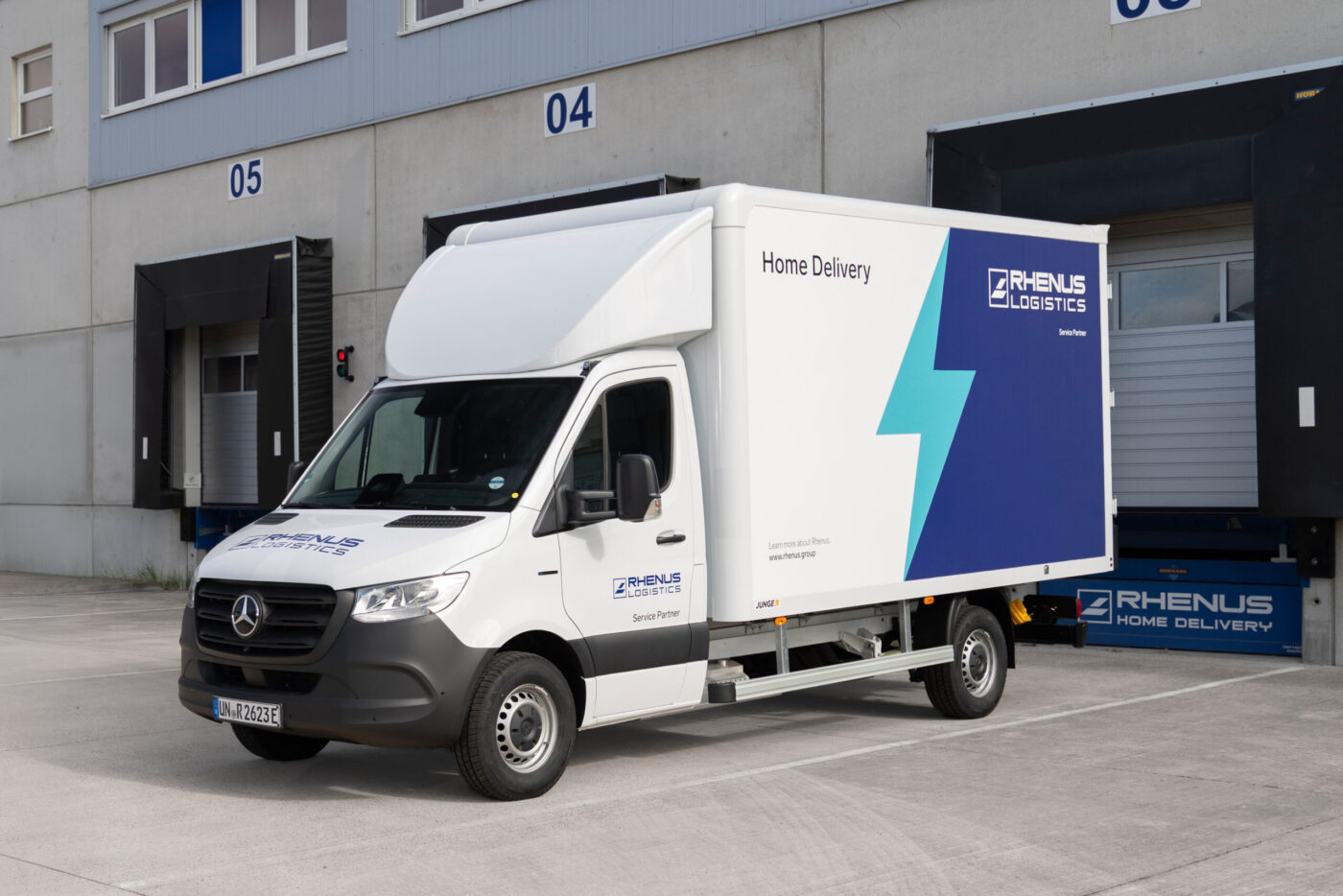
Rhenus is rolling out a new fleet of fully electric vans nationwide for last-mile deliveries to customers, covering items such as furniture, large household appliances, and consumer electronics.
The vehicles are based on the eSprinter chassis and feature rear-wheel drive, an 81 kWh battery, and an electric motor that generates 100 kW of power. These electric vehicles support AC charging at a maximum power of 11 kW and DC charging at up to 115 kW. It is worth noting that Mercedes-Benz did not provide specific information regarding the range of this configuration in its announcement.
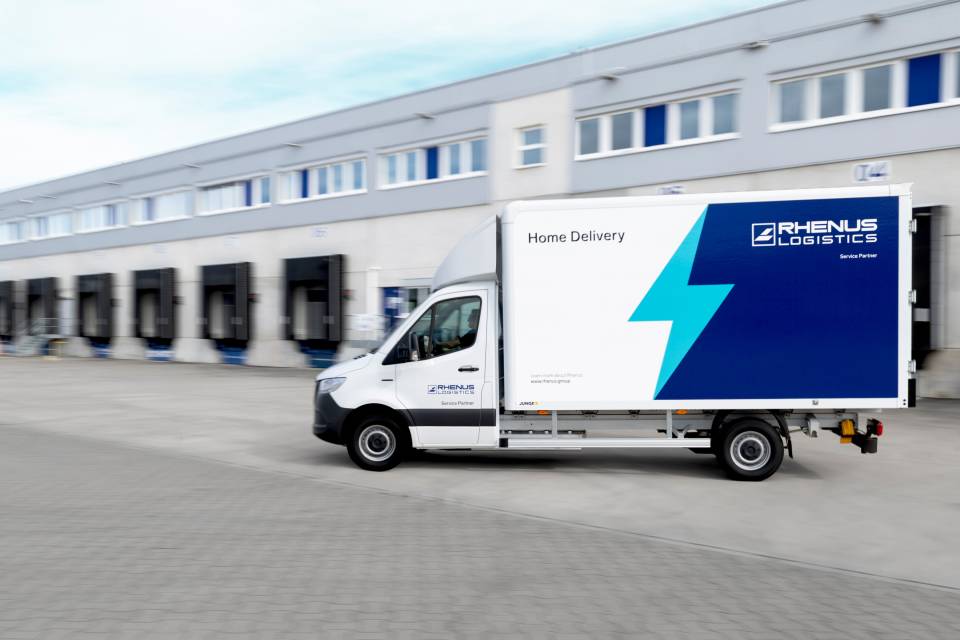
The box-style bodies are supplied by the German vehicle body manufacturer Junge Fahrzeugbau. The eSprinter vans were produced at the Mercedes-Benz plant in Ludwigsfelde. Standard equipment includes the MBUX multimedia system, remote and navigation services, and driver-assistance systems such as Active Brake Assist, Distance Assist, Blind-Spot Assist, and Lane-Keeping Assist.
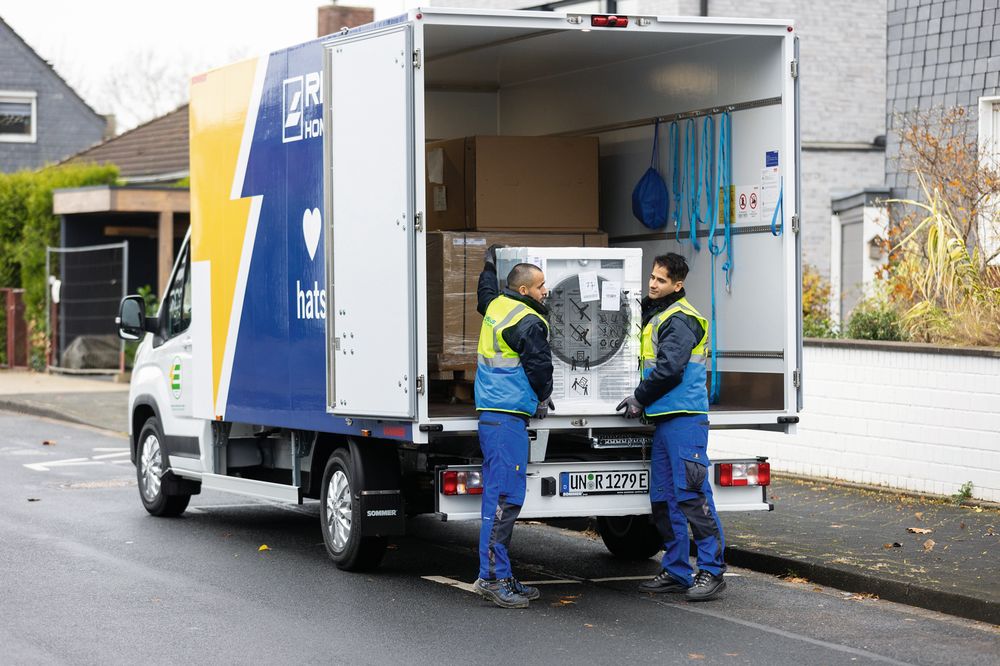
Rhenus has deployed a new fleet of vehicles for its home-delivery division. In addition to warehousing and regional distribution, this operation focuses primarily on the direct delivery of bulky goods to a location specified by the customer. Battery-electric vans are particularly well-suited for last-mile delivery, as routes are generally predictable and the vehicles regularly return to fixed locations.
Rhenus expands its electric fleet internationally.
Furthermore, the logistics company is expanding its electric fleets beyond Germany. Rhenus has grown its fleet in Poland by adding nine vehicles, bringing the total to thirty-three electric vans. These are primarily used for last-mile deliveries in urban areas and regions with restricted access.
At the same time, Rhenus is testing other low-emission propulsion systems for heavy-duty transport. At its Duisburg facility, a Mercedes-Benz GenH2 truck has been in regular logistics service since the beginning of 2026. Furthermore, Mercedes-Benz highlights the attractive total cost of ownership for the 51 new eSprinter vans, though it does not provide specific figures. The economic performance of these vehicles in daily operations depends on various factors, such as mileage, energy prices, charging infrastructure, and utilization rates.
The recently delivered vehicles are based on the current generation of the eSprinter. Mercedes is currently developing its successor, which is expected to feature significant technical advancements. Future electric commercial vehicles will incorporate 800-volt technology, more efficient charging times, the MB.OS operating system, and extensive over-the-air (OTA) update capabilities. Looking ahead, external fleet management applications will be more deeply integrated into the vehicles.
Written by José Miguel Fernández Gómez.