Mechanics specializing in hybrid and electric vehicles require specialized training
The automotive sector is undergoing significant changes in its operational processes. The growing popularity of hybrid and electric vehicles has generated a demand that, until recently, was practically nonexistent: professionals specializing in the diagnosis, maintenance, and repair of electrified propulsion systems. It is imperative to emphasize that, in particular, trained personnel are needed to safely work on high-voltage components.
This transformation can represent a job opportunity for mechanics who are currently expanding their training. Spain already has specific qualifications for these vehicles, and the official curriculum itself recognizes the growing demand for skilled labor in the sector, given the anticipated increase in this type of work.
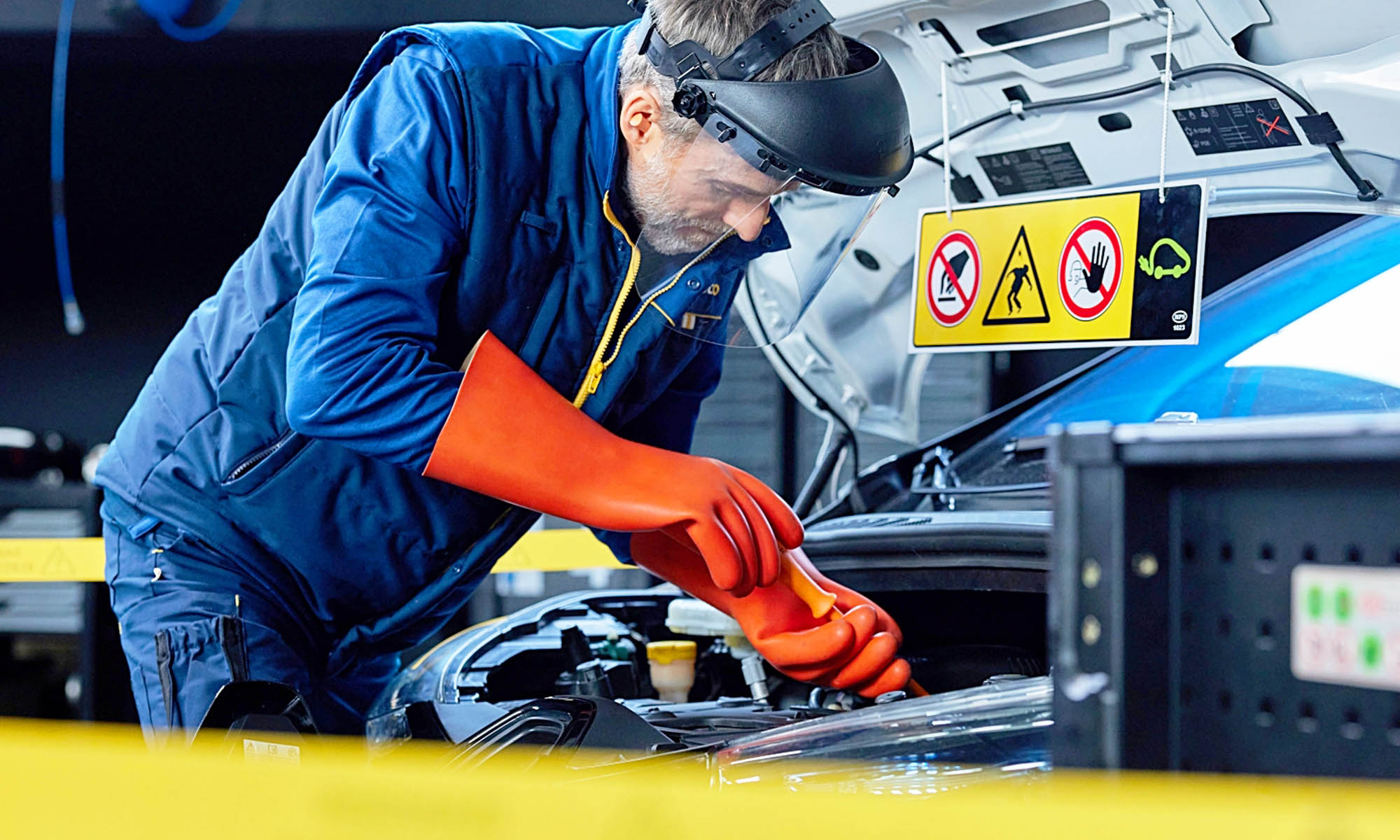
Electric vehicles are creating a new type of mechanic.
The required specialization goes beyond simply learning how to replace a battery. An electric or plug-in hybrid vehicle incorporates a series of advanced electronic components, such as inverters, charging systems, thermal management systems, and high-voltage circuits. These components require different procedures than those typically used in an internal combustion engine vehicle. Since 2021, an official vocational training (FP) specialization course in the maintenance of hybrid and electric vehicles has been available in Spain. The 650-hour course covers specialized training in critical areas such as electric propulsion, batteries, charging, diagnostics, and risk prevention associated with handling high-voltage circuits.
This program is complemented by a higher-level specialization specifically focused on maintenance and safety. Regulations governing these vehicles indicate that their increasing complexity demands trained specialists and anticipate a greater demand for professionals capable of working with these technologies.
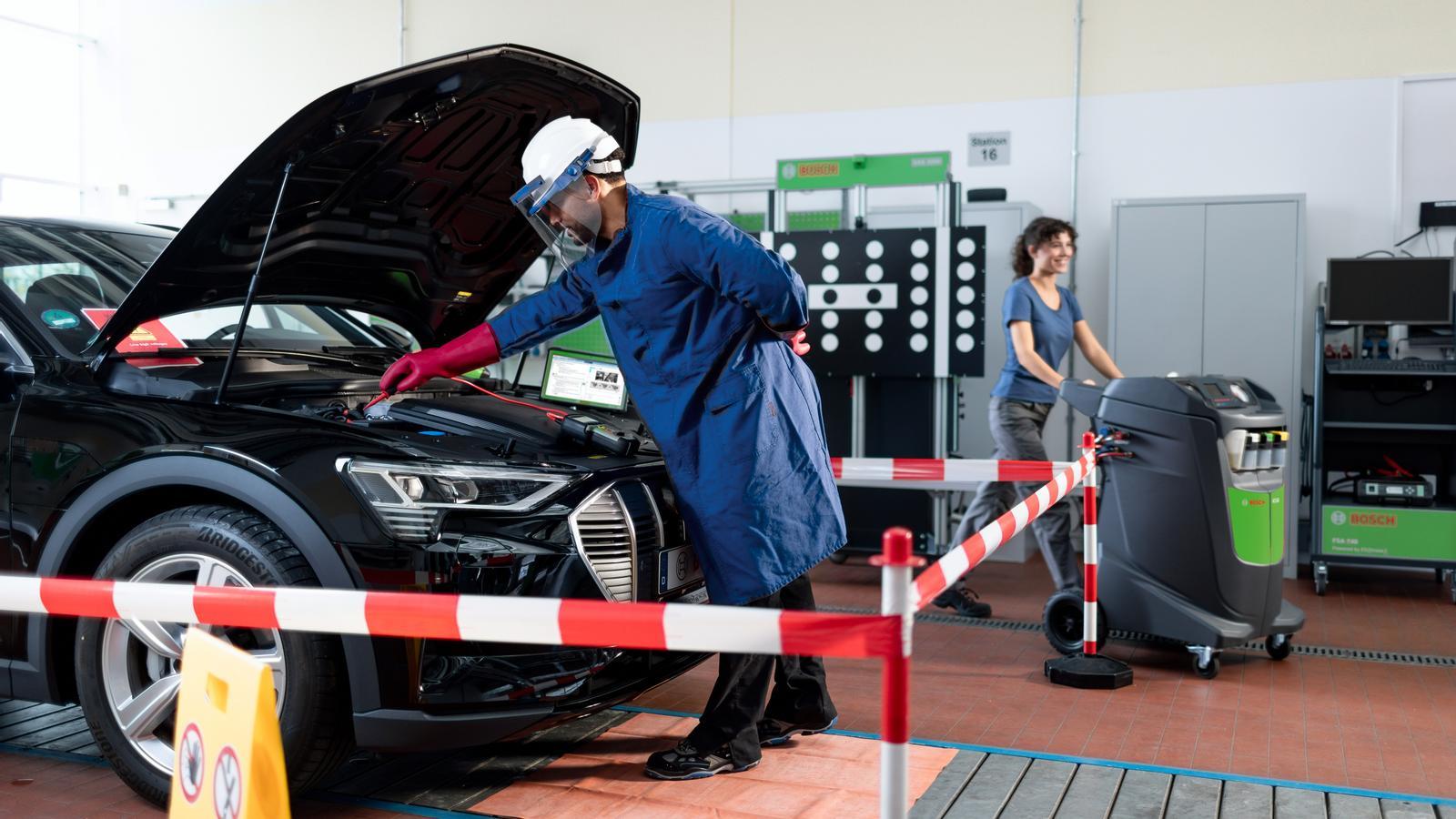
High voltage also necessitates a change in working methods.
The purpose of this additional training is primarily to ensure safety. It is crucial to emphasize that certain components of an electrified vehicle operate at voltages high enough to cause serious accidents. Therefore, any work on these components must be carried out rigorously, following procedures that eliminate or reduce electrical risk before proceeding. Royal Decree 614/2001 establishes as a general principle that tasks involving electrical risks must be carried out with the power off whenever possible.
Among other measures, it includes disconnecting the power supply, preventing possible reconnections, and verifying the absence of voltage before beginning work. Furthermore, it recommends the use of appropriate personal protective equipment (PPE) and authorized or qualified personnel, depending on the task.
In the case of hybrid and electric vehicles, these protocols translate into specific procedures for isolating the high-voltage system, marking the work area, and using appropriate tools and PPE. Official vocational training programs include modules dedicated exclusively to safety, PPE, and signage within the workshop.
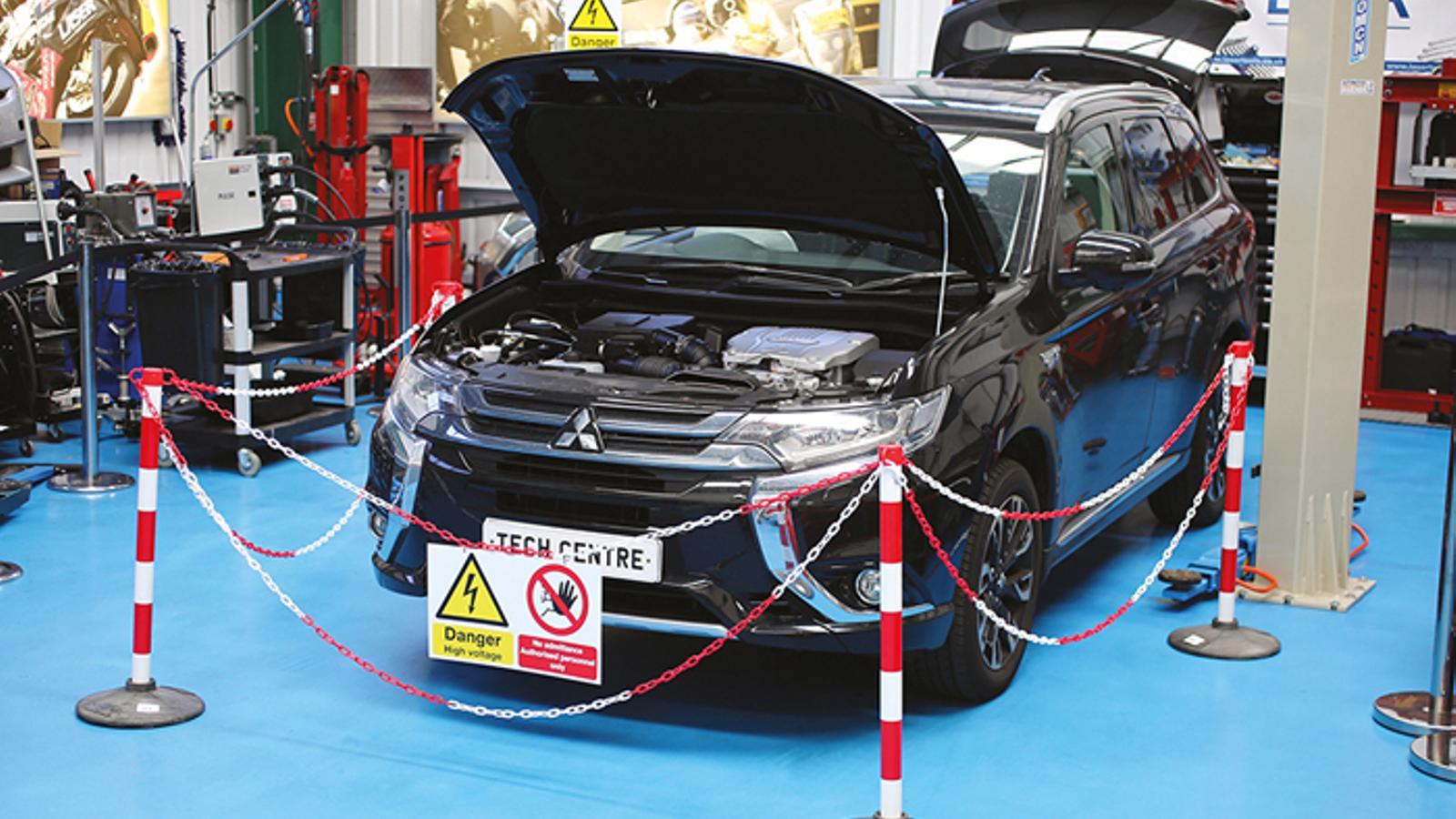
Training now can open doors to employment.
The challenge arises primarily in independent workshops that don't yet have trained personnel to carry out these types of interventions. As the number of electrified vehicles increases, however, the number of cars requiring maintenance and repairs outside of official dealerships is also expected to grow.
Electrification represents a transformation that transcends mere technological evolution for workshops. For those already working in the field of electromechanics, specialization in batteries, power electronics, and high-voltage systems offers an opportunity to broaden the range of vehicles they can work on and access a professional profile that educational regulations themselves recognize as increasingly necessary within the sector.