
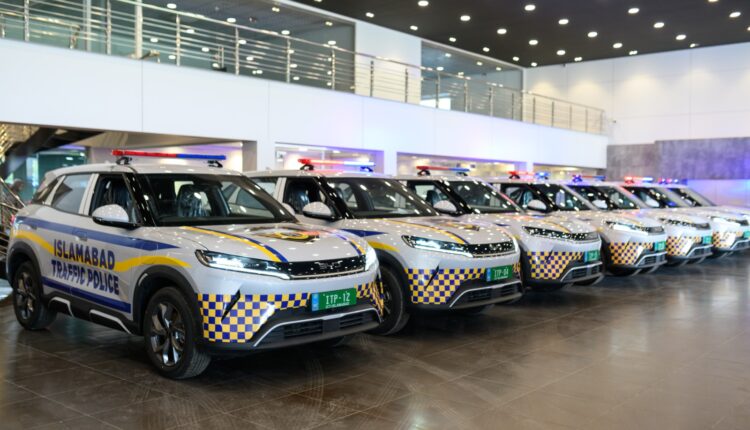
Islamabad Police Acquire 50 Electric Cars
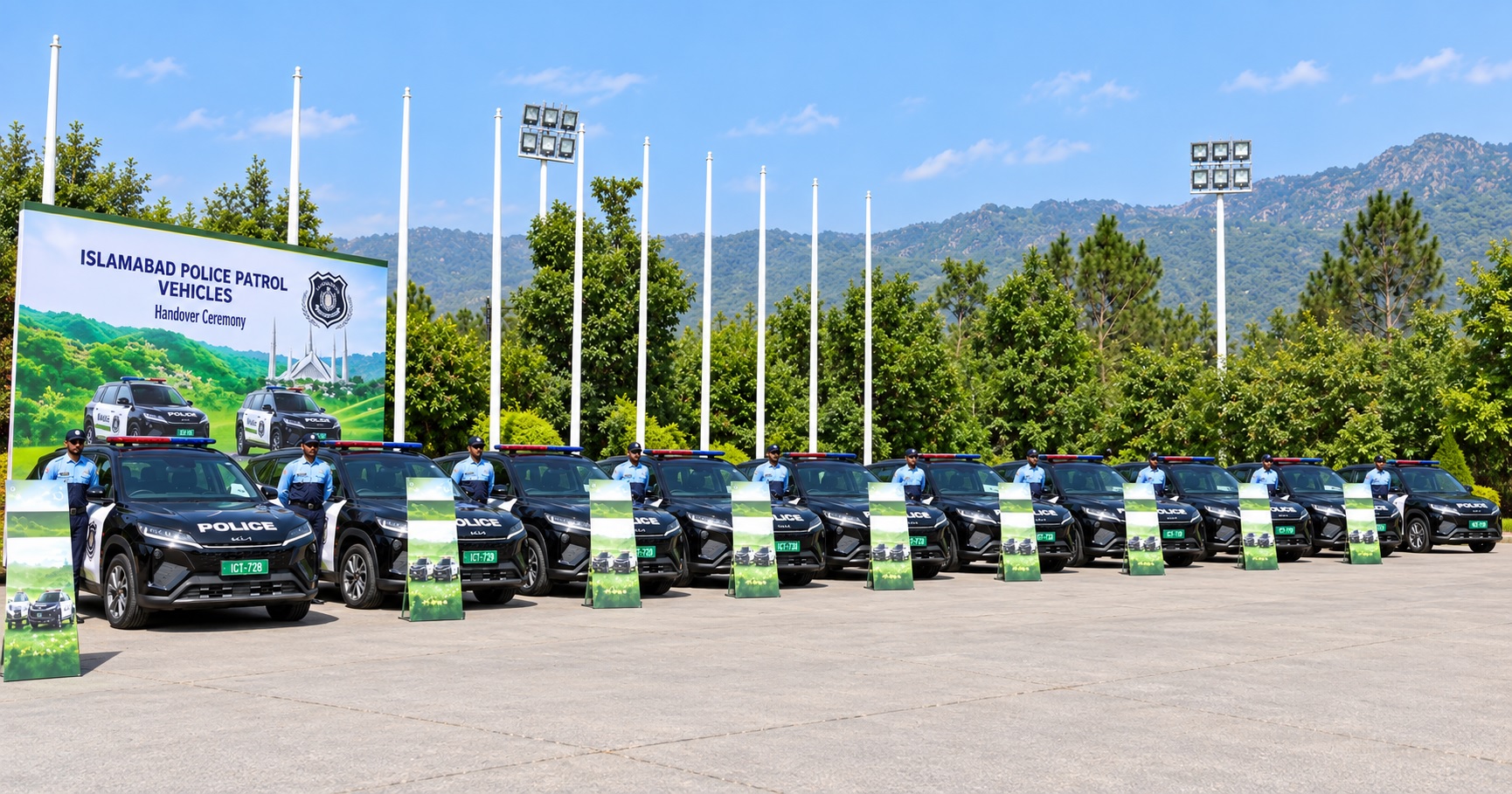
At an event, the Prime Minister of Pakistan, Shehbaz Sharif, handed over the keys to the new electric police vehicles to Mohsin Naqvi, Federal Minister for Interior, and Syed Ali Nasir Rizvi, Inspector General of the Islamabad Police. Other high-ranking government officials also attended the ceremony.
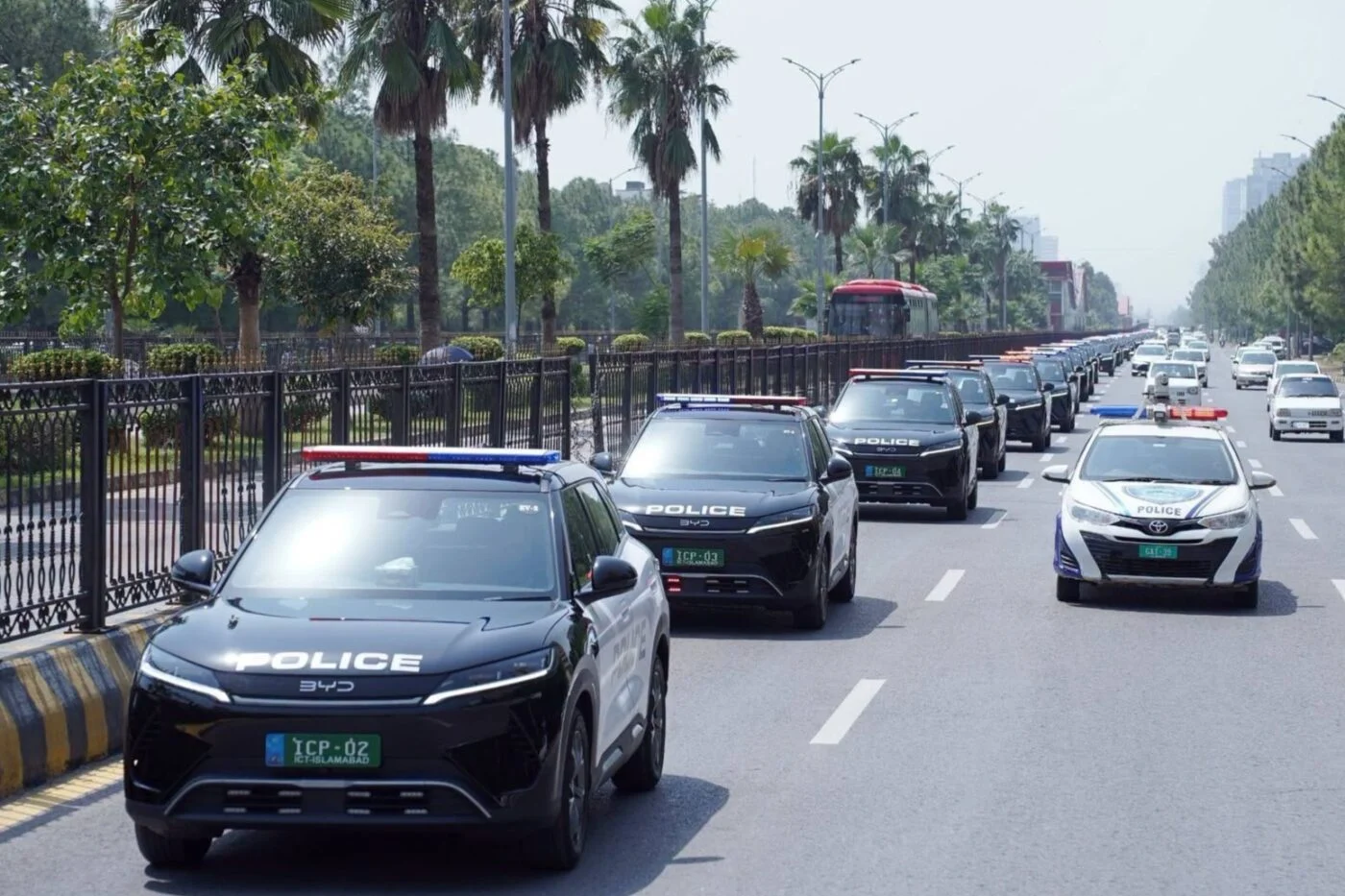
In his address to the Prime Minister and other distinguished guests present at the ceremony, Rizvi stated that the acquisition of 50 electric patrol cars would result in monthly fuel cost savings of approximately 34 million Pakistani rupees (equivalent to 107,000 euros). These savings will allow the cost of each vehicle to be recouped in about ten and a half months. The new fleet of electric vehicles will serve the Islamabad Police’s recently established "Capital Patrol" unit, which consists of 200 officers.
The Islamabad Police expect that the addition of electric vehicles to their fleet will help reduce response times and optimize the efficiency of field operations. The newly acquired fleet of fifty vehicles includes BYD Atto 2 subcompact SUVs. The Chinese manufacturer offers the Atto 2 model in the country in a single configuration, priced at 7.29 million Pakistani rupees (approximately 22,900 euros).
The permanent-magnet synchronous motor, strategically positioned at the front, generates 130 kW of power and 290 Nm of torque. The vehicle is powered by a 45.12 kWh LFP battery pack, capable of charging from 30% to 80% state of charge (SoC) in 30 minutes. This configuration allows the Atto 2 to accelerate from 0 to 100 km/h in 7.9 seconds and travel up to 380 km on a single charge, according to the NEDC cycle.
Mega Motor Company—BYD’s official partner in Pakistan and an affiliate of the local power generation firm Hub Power Company—is building a local assembly plant for the Chinese manufacturer’s new energy vehicles. The factory, located in Gharo in the province of Sindh, is set to begin operations by the end of 2026. As BYD’s most accessible model in the country, the Atto 2 is a strong candidate for local production from the outset.