


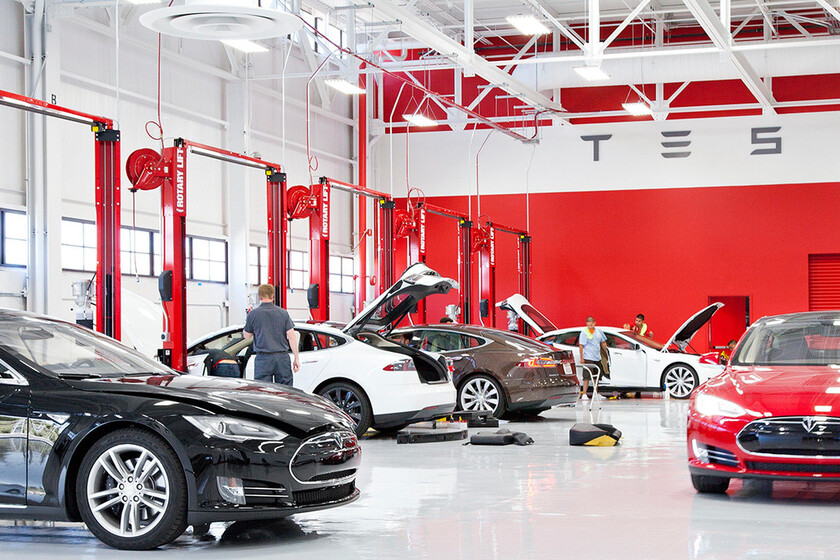
Repairing an electric car costs 23% more than repairing a gasoline-powered car.
Although an electric vehicle has lower maintenance costs compared to one equipped with an internal combustion engine—and is therefore cheaper to buy—the cost of repairing an electric car is significantly higher than that of a car with an internal combustion engine. However, in practice, repairing a battery-powered vehicle currently costs 23% more than repairing a car equipped with a gasoline or diesel engine.
This statement is not a personal opinion, but rather the result of a comprehensive analysis conducted by experts in the field. According to the latest study by BCA Expertise—a consulting firm affiliated with Europe’s leading group in the field of used-car sales and auctions—which analyzed a total of 2.7 million claims and repairs, there are unexpected reasons why repairing an electric vehicle (EV) entails significantly higher costs.
It’s not the battery’s fault.
In numerous cases and previous studies, the battery has been identified as the main factor contributing to the higher cost of repairing an electric vehicle. However, given the significant reduction in battery costs today, it can no longer be considered the primary cause. The battery, which accounts for between 30% and 40% of the total cost of an electric vehicle (EV), is just one of the factors explaining why the cost of repairing an electric vehicle is 23% higher.
Let’s analyze the study’s data: according to data from BCA Expertise, over a three-year period, the proportion of accidents involving electric and electrified vehicles—the study groups all battery-powered vehicles into a single category—has increased significantly, reaching 12.5% in 2025. It is worth noting that, alongside this, there has been a notable increase in the first of the unusual findings: the difference in repair costs between an electric vehicle and a combustion-engine vehicle has risen significantly, from 13.7% to 23.2%.
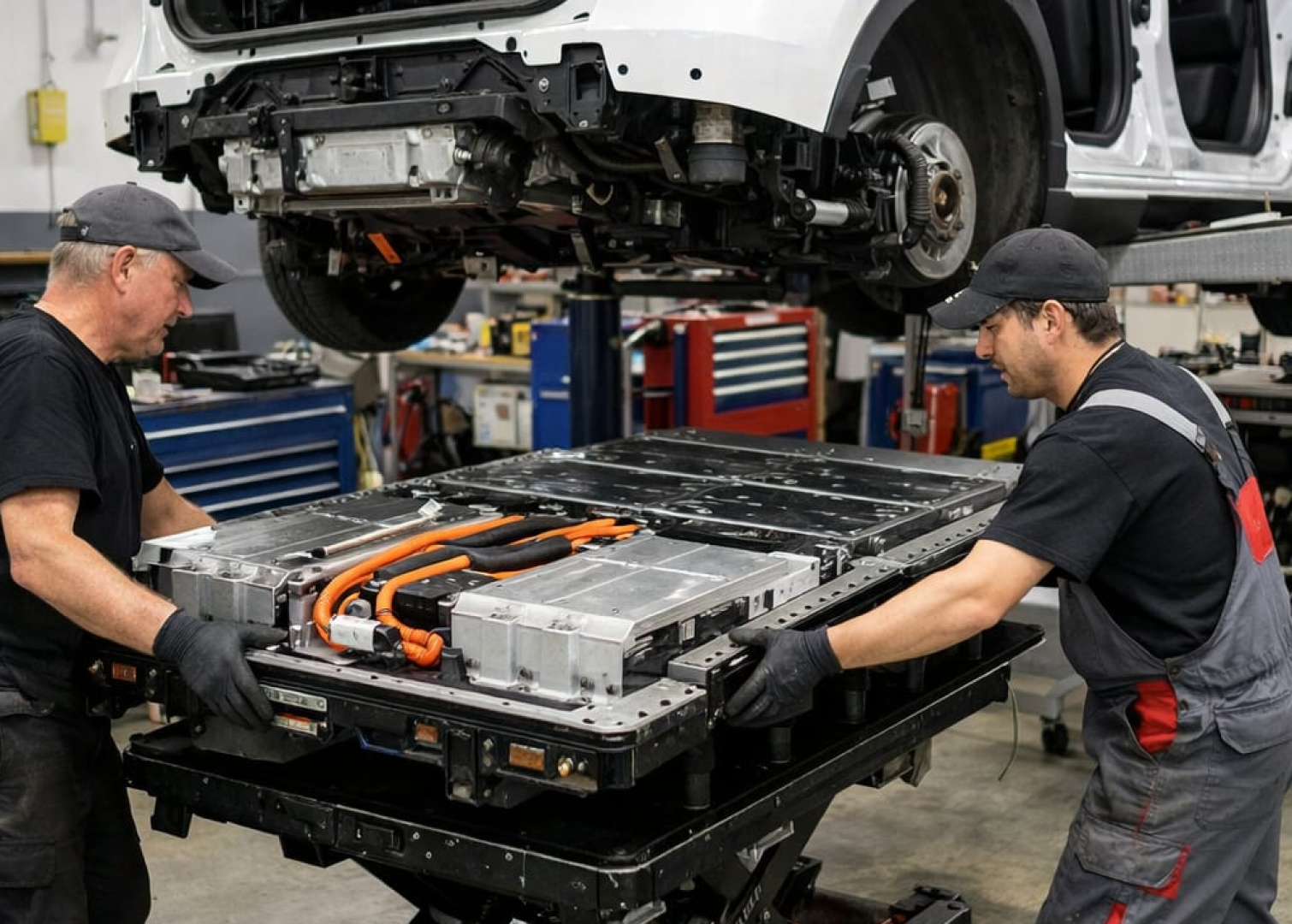
The reasons are unusual.
Given this data, the consulting firm approached the study from three perspectives: the characteristics of the vehicles—including, of course, the role of the battery—the repair process, and the nature of the accident.
Here, we present the unusual reasons behind this 23% increase. According to the aforementioned report, in most cases, electric or electrified vehicles are newer than internal combustion engine vehicles and generally belong to a higher segment, or even a luxury brand. This service is paid for directly at the repair shop.
However, it is worth noting an additional, unusual factor: accidents involving electric vehicles tend to occur in areas with higher population density, unlike internal-combustion-engine vehicles, which exhibit a more even distribution in terms of accident rates. Therefore, accidents involving electric vehicles tend to occur in areas with higher purchasing power, resulting in higher repair costs due to the need for specialized labor.
In this regard, it is important to note that electric vehicle owners tend to use specialized repair shops or their manufacturer’s authorized service centers due to the advanced technology and the recent introduction of these vehicles to the market. In contrast, owners of internal combustion engine vehicles often choose general repair shops. This increase in labor costs has been estimated at 13.2 euros per hour, according to the data collected in this study.
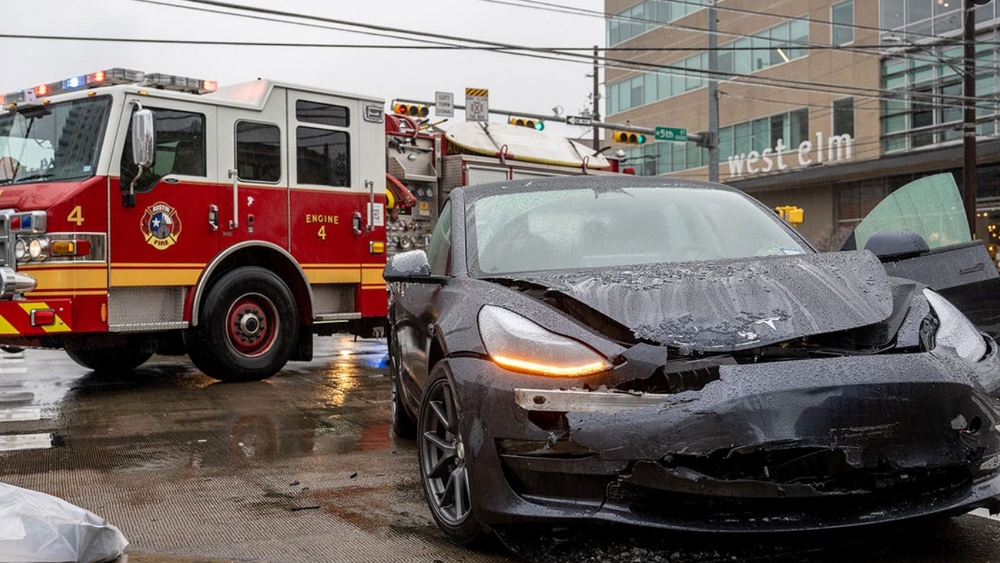
Let’s continue listing unusual reasons, several of which still hold true today. Another important factor is the greater weight of an electric vehicle, which is mainly due to the battery. This factor often exacerbates the consequences of accidents and leads to more expensive repairs.
And, undoubtedly, the last of these unusual factors is the one we consider least often. This aspect is related to the higher value of an electric vehicle.
We have observed that the average value of an electric vehicle is higher than that of a gasoline-powered vehicle, which generally tends to be older as well. According to BCA Expertise, the average estimated value of an electric vehicle is 15,000 euros, which means the likelihood that an insurer will classify it as a total loss is significantly lower compared to a gasoline-powered vehicle, whose average value is 5,200 euros, as confirmed by this study.
Ultimately, this means that electric vehicles tend to be involved in the same number of accidents, with a similar incidence rate, regardless of the cost of repairs. Consequently, the cost can be up to 23% higher.