


More than half of Europe's truck drivers drive while fatigued.
Driver fatigue is one of the most insidious risks associated with road transport. It is important to note that, while there may be no visible warning signs prior to an accident, there are observable reductions in reflexes and impaired attention, as well as the risk of a long shift escalating into a critical situation.
The European Transport Workers' Federation, which represents transport unions across Europe, has once again quantified the issue. According to the data collected, 60% of truck drivers and 66% of bus and coach drivers admit to regularly driving while fatigued.
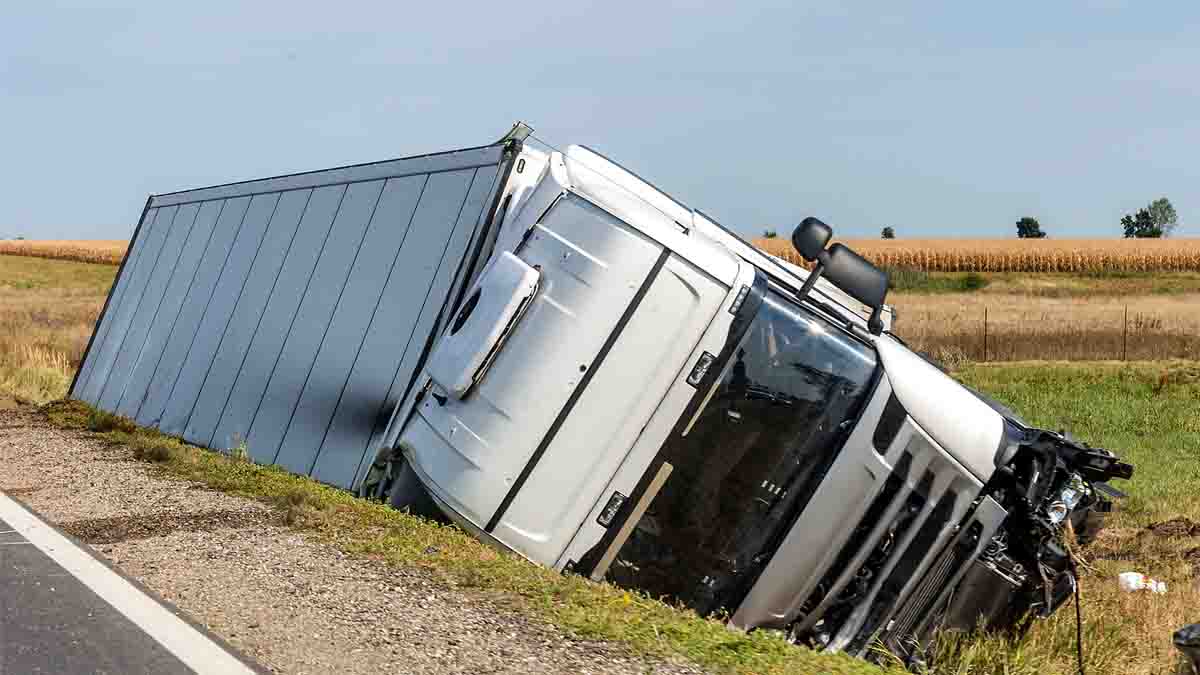
The most alarming statistic is that nearly a third of truck drivers and one in four coach drivers report having fallen asleep at the wheel at some point.
When stopping is not always an option.
Fatigue stems from more than just insufficient rest. It has also been linked to factors such as irregular schedules, delivery-related pressure, waiting times, a lack of adequate rest areas, and working conditions that—according to labor unions—push many professionals to their limits.
More than half of the drivers surveyed state that they would like to stop and rest when they feel tired but are unable to do so due to work-related constraints. Among truck drivers, this figure reaches 52%.
This finding shifts the perspective on the issue. It is essential to recognize that demanding greater responsibility from drivers is not the only measure required; a comprehensive review of transport organization and the pressures exerted by logistics chains is also imperative.
Wages, pressure, and a shortage of drivers.
The ETF points to a safety crisis stemming from low wages, poor enforcement of regulations, and a supply chain that prioritizes the lowest price.
The sector has been warning for years about a structural shortage of drivers. In Spain, employers' associations have identified a deficit affecting tens of thousands of professionals. Across Europe, this challenge threatens to intensify, driven by an aging workforce and a lack of generational renewal.
This situation creates a vicious cycle: a shortage of available drivers, pressure on those who remain active, and difficulty in ensuring genuine rest periods.
There is a potential risk for all road users.
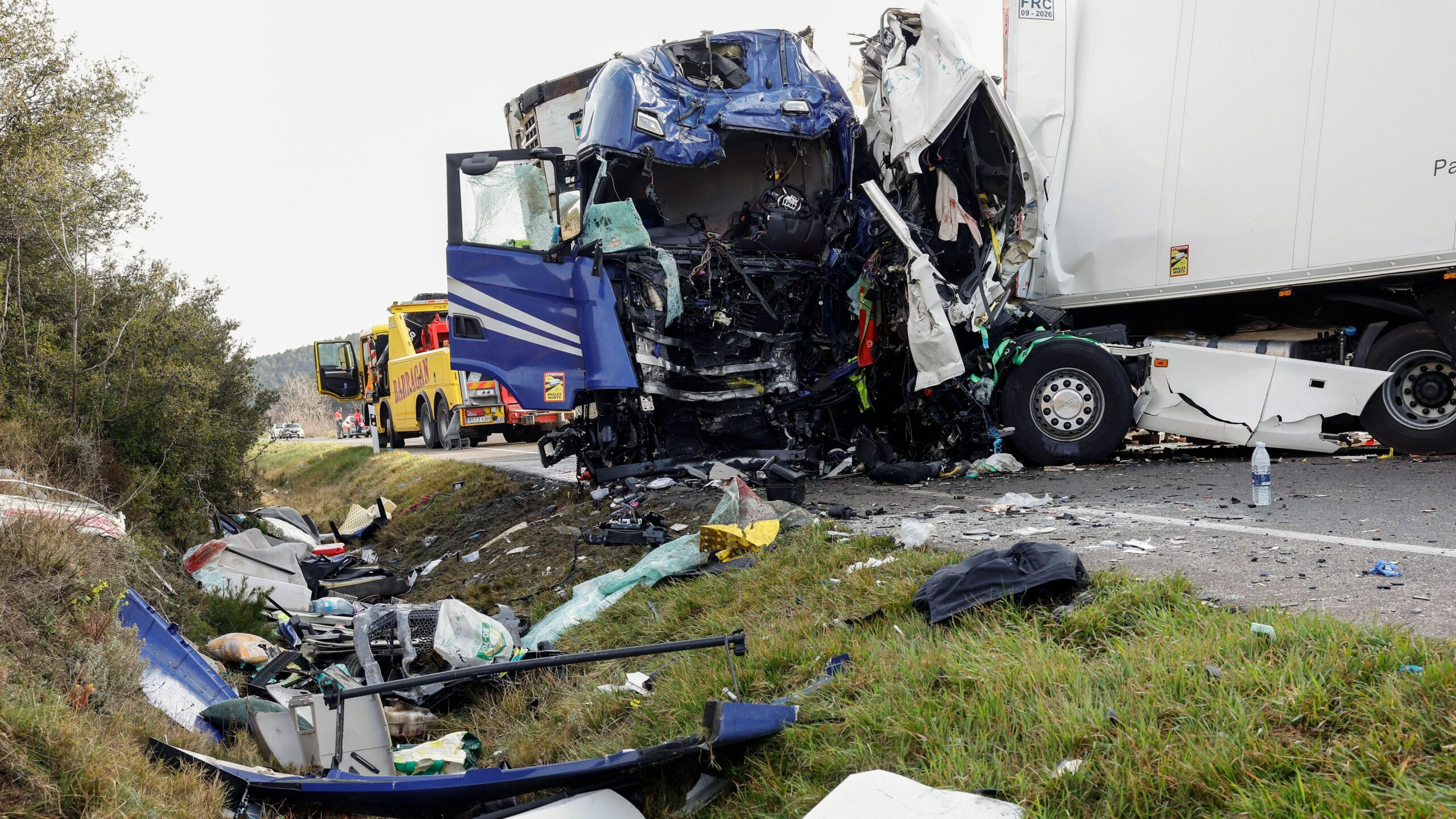
Professional driver fatigue not only affects the driver's personal well-being but can also impact safety and work efficiency. Any error in operating a truck or bus can have serious consequences for other road users.
For this reason, unions are calling for increased monitoring, the creation of adequate rest areas, strict compliance with driving and rest time regulations, and working conditions that prevent fatigue from becoming part of the daily work routine.
Technology can provide support, but it does not replace the need for more robust organization within the transport sector. Implementing drowsiness detection devices, tachographs, and assistance systems is beneficial. However, the fundamental challenge lies in managing work schedules and the associated pressure.
The transport sector requires a competent and healthy workforce to operate efficiently.
Therefore, it is crucial to take measures to ensure the well-being of drivers.
Europe relies heavily on road transport to distribute a significant portion of its goods. Spain is also affected by this situation. However, according to a report by the European Transport Workers' Federation, this reliance cannot be sustained at the cost of normalizing chronic driver fatigue.
The concern expressed by trade unions is unequivocal: if fatigue becomes routine, road safety is compromised for everyone involved. The solution to this problem is not limited merely to attracting new drivers; it is imperative to implement measures that ensure the sustainability and well-being of the profession, as well as its compatibility with effective road safety.