

Download the audio
Slide 1. Introduction.
The class develops how to prevent fatigue and drowsiness while driving to avoid traffic accidents, as well as the implications for fleet management.
Slide 2. Measures to Prevent Fatigue and Drowsiness.
- Fatigue and drowsiness while driving.
Fatigue is linked to 20–30% of traffic accidents and is responsible for 20% of incidents involving professional drivers. Its main cause is driving for an extended period without adequate rest. Furthermore, it is important to note that multiple variables related to the environment, the vehicle, and, especially, the driver can contribute to its onset or exacerbate its effects.
It is imperative that combating fatigue be one of our top priorities when driving. This measure will ensure that drivers enjoy a pleasant and safe trip, in addition to preventing traffic accidents. In order to establish the necessary measures to combat fatigue, we must first define this concept.
This condition, classified as one of the main risk factors in driving, leads to a significant reduction in the driver’s performance. both physically, due to tiredness, and mentally, manifesting as a decline in perception and concentration.
Most drivers have difficulty identifying the symptoms of fatigue early on. In fact, most people only realize they are fatigued when they experience drowsiness, which is the final and most dangerous stage of fatigue.
We must not confuse fatigue with drowsiness. The latter is simply the likelihood of falling asleep, whereas the former is a gradual process that builds up over time and leads to a loss of efficiency, including diminished reflexes and other impairments.
Traffic accidents caused by fatigue usually involve only one vehicle. Furthermore, they typically leave no skid or brake marks, indicating that the driver did not attempt to avoid the accident. These accidents occur most frequently early in the morning and in the mid-afternoon, after lunch.
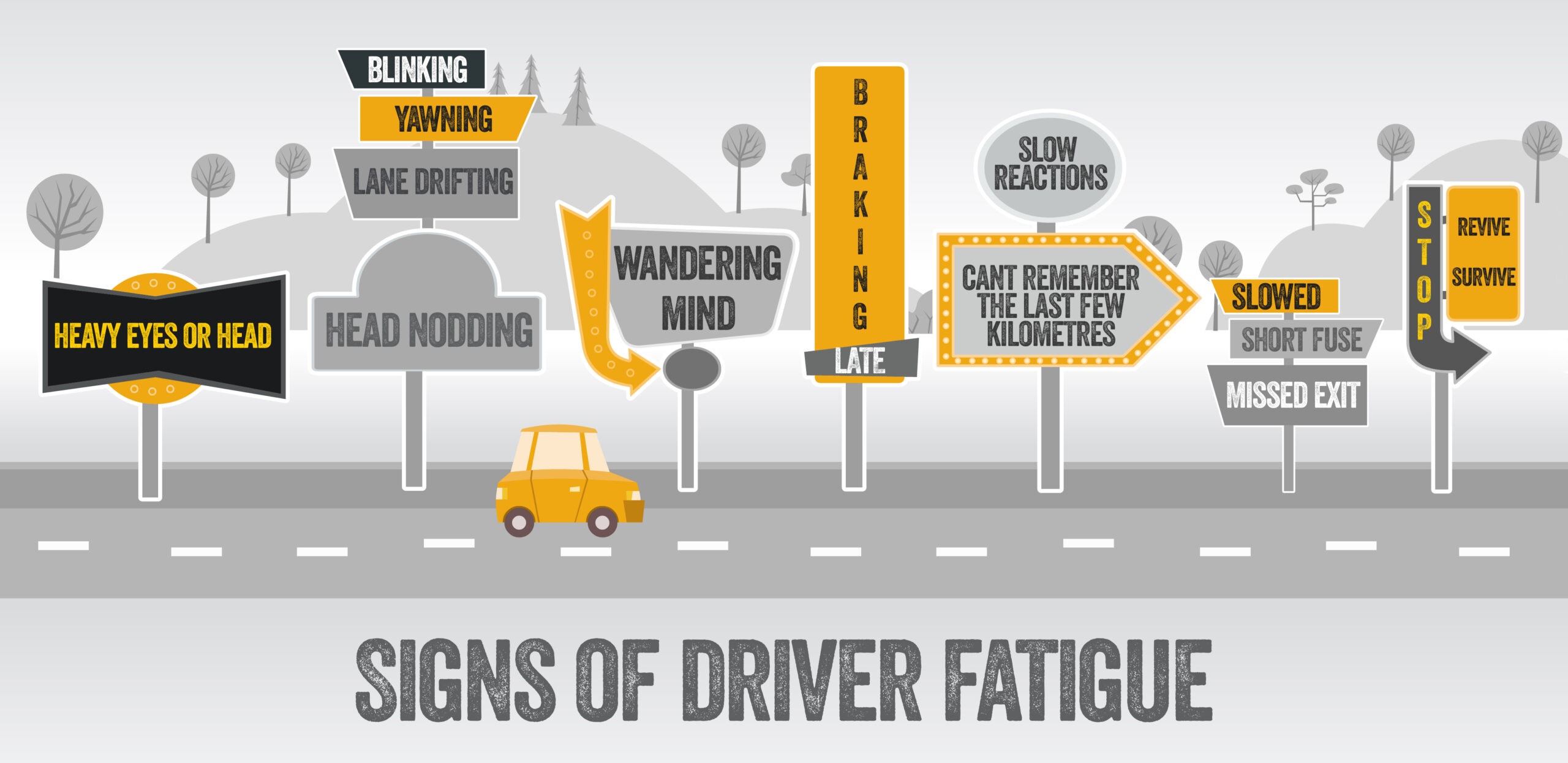
- Symptoms of fatigue.
When you are fatigued, your ability to drive safely can be significantly impaired. This is because fatigue causes changes in your vision, hearing, bodily sensations, movements, behavior, and decision-making ability.
Recognizing all these signs and symptoms of fatigue will greatly help you achieve two goals:
-
- Understand that fatigue is a significant and potentially dangerous risk factor.
- Recognize the symptoms early so you can combat fatigue before an accident occurs. This requires specialized training, as it is not as simple as many drivers might think.
The symptoms of fatigue are described below:
-
- It affects decision-making.
- There is a decrease in the quantity and quality of information gathered from the environment. This decline is attributed to changes in vision and hearing, as well as a decrease in the ability to concentrate over time. In addition, drivers regularly experience distractions.
- The driver may easily misinterpret traffic situations or the behavior of others, which could lead to decisions that do not reflect reality and put their safety at risk.
- It is important to note that if the driver is fatigued, their reasoning ability will be severely impaired. Consequently, the decisions they make may not be the most appropriate.
- To ensure effective and safe handling of risky situations, it is essential to note that reaction time will be significantly increased. Therefore, it is recommended to consider this increase in reaction time as a determining factor in managing hazardous situations.
-
- It alters behavior.
1. A lack of interest or enthusiasm while driving becomes apparent, leading to more automatic and less active driving. For example, less attention is paid to the road.
2. You may take greater risks behind the wheel. The driver may not be as critical of their own driving behavior and may engage in certain behaviors that could be considered dangerous.
3. Fatigued drivers frequently experience anxiety and irritability, which can increase hostile or aggressive behavior.
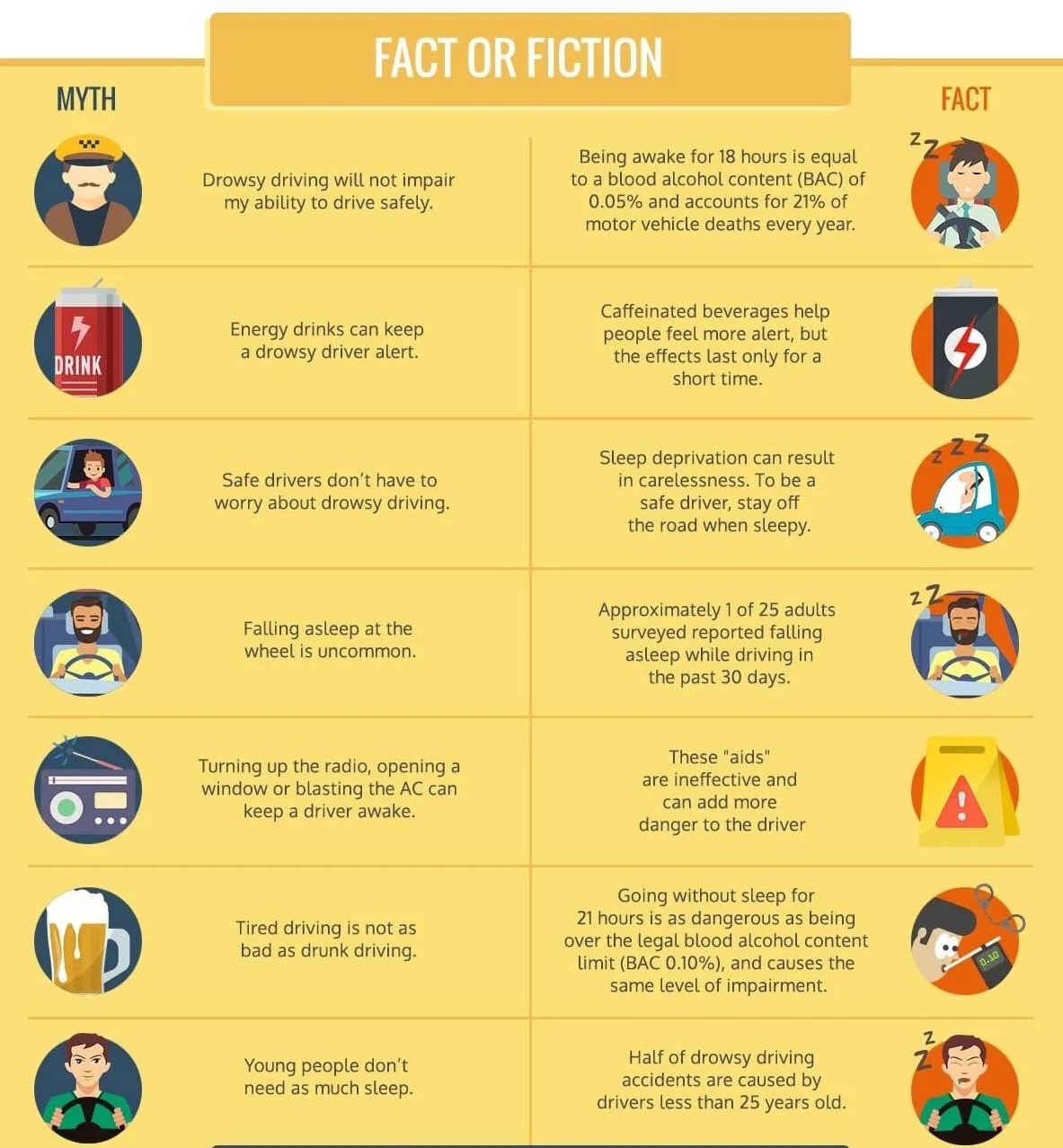
4. It has been shown that reflexes and reaction times begin to decline, potentially by as much as 75%, which is comparable to driving under the influence of alcohol.
-
- It alters bodily sensations.
1. Feelings of heaviness in the body are common.
2. People often experience mild migraines and a sensation of pressure in the head, especially in the temples.
3. Neck and back pain are very common and make driving uncomfortable, which often leads to frequent and dangerous changes in posture.
4. Tingling, itching, and cramps in the arms and legs are also common.
-
- It affects your movements.
When there are a large number of the following types of impaired movements, the driver may experience fatigue. Therefore, every prudent driver and every responsible co-driver should be able to identify them and assess whether to continue driving or, on the contrary, to stop and rest.
1. Your movements will be slower, less precise, and less effective, which can easily expose you to risky situations.
2. As a general rule, there is a decrease in the number of maneuvers performed. For example, there is less steering correction.
3. Signs of fatigue are observed, such as movements indicative of this condition.
Ø Frequent changes in posture.
Ø Stretching.
Ø Yawning.
Ø Adjusting one’s position in the seat.
Ø Hand movements, such as scratching or placing a hand on one’s leg.
Ø So-called playful behaviors, such as singing, whistling, or certain rhythmic and repetitive movements, such as tapping one’s fingers on the steering wheel or leg.
-
- It affects vision.
- Vision may be impaired, resulting in a reduced ability to focus clearly on objects within the visual field.
- There is an increase in the frequency and duration of blinking, resulting in prolonged eye closure.
- The eyes tend to remain partially closed, which, in addition to reducing the field of vision, is an indicator of the level of drowsiness.
- If you experience a high level of fatigue, you may see optical illusions, such as flashes of light, lights, shadows, or distortions on the road.
- The body automatically combats fatigue by sleeping. You cannot control when you fall asleep.
-
- It affects hearing.
- You may experience unexpected and intense reactions to certain unexpected sound stimuli, such as a car horn.
- Hearing ability may be compromised, which can lead to a decrease in the perception of certain sounds, such as traffic and the vehicle itself.
- Causes of Fatigue While Driving.
Various factors can contribute to the onset of fatigue. Among them are factors related to the driver, such as lack of rest, dehydration, poor eating habits, alcohol consumption, or medications that cause drowsiness.
The vehicle itself is a key factor, especially when the cabin lacks adequate ventilation, there is excessive engine noise, or the heating is too high.
Finally, external conditions, such as adverse weather, traffic jams, or monotonous road conditions, can also influence the driver’s level of fatigue.
-
- Human factor: The driver.
-
- Lack of rest is the leading cause of fatigue.
According to a study conducted by Royal Automobile Club of Spain-RACE on “Driving and Fatigue,” driving for four hours results in a 75% reduction in the driver’s reaction time. The study’s findings show that eight out of ten drivers admit to having experienced drowsiness while driving at least once. As mentioned earlier, the onset of sleep is the culmination of fatigue. This situation can cause a driver to fall asleep for up to six minutes without realizing it.
Driving while fatigued, after engaging in various activities before getting behind the wheel, means not having rested adequately and impairs the ability to drive safely.
-
- Dehydration also significantly impairs our physical abilities.
Dehydration can lead to a decline in physical and mental performance, manifesting in symptoms such as dizziness, headache, fatigue, or lack of concentration. It is important to drink water regularly while driving, as feeling thirsty may not be enough to maintain proper hydration. It is recommended to drink refreshing beverages, excluding alcohol, to ensure optimal hydration.
-
- Eating can increase drowsiness.
If you’re in the middle of a trip, you should avoid heavy meals; the solution is to eat light, vitamin-rich foods. Also, remember that the opposite, eating poorly or skipping meals, can be just as dangerous for your body.
-
- Consuming alcohol, narcotics, or certain medications.
A decrease in reaction time is observed, and a reduction in the speed of response to stimuli is evident. Driving while intoxicated or under the influence of drugs is a criminal offense punishable by law, which can result in a prison sentence. However, if you are undergoing medical treatment and experience a decrease in your reaction time, we recommend that you refrain from driving.
-
- Inappropriate speed.
Maintaining excessive speed for an extended period requires constant tension and greater mental effort to react to unexpected events.
-
- Changes in normal driving habits.
Driving at night when one is not accustomed to doing so requires greater effort on the part of the driver.
-
- Novice drivers.
Since many of the processes involved in driving have not yet become second nature, these drivers need to pay closer attention and tire more easily.
-
- Vehicle-related factors.
1. Conditions inside the vehicle.
These are just as important as the driver’s physical condition; an improper seat position or poor ventilation in the vehicle can negatively affect the driver’s physical or emotional well-being. During the winter, excessive use of the heater at high temperatures can increase feelings of fatigue. In contrast, during the summer, using the air conditioning can dry out the respiratory tract and cause headaches.
2. Poor vehicle condition.
Excessive engine noise or vibrations caused by steering or suspension defects can affect driving, making it uncomfortable and difficult.
3. Climate control and air conditioning.
Driving in extremely cold or hot temperatures causes discomfort, loss of concentration, headaches, etc., so the vehicle must be equipped with heating and air conditioning to maintain a comfortable temperature.
- External factors.
1. Weather and road conditions.
Adverse weather conditions such as rain, fog, or glare from the sun may require greater visual concentration. Poor road surfaces can increase vibrations and the effort required.
2. Heavy traffic.
Driving during rush hour or in heavy traffic requires constant switching between braking and accelerating, which can lead to increased stress and tension.
3. Night driving.
The absence of natural light and driving during hours of lower biological activity contribute to a state of drowsiness.
4. Highway hypnosis.
This phenomenon occurs when a driver is on the road without paying attention to driving, usually because they “are thinking about something else.” This problem can occur on any type of road, although it is more common on expressways and highways due to their monotonous nature.
5. Driving on an unfamiliar road.
This requires you to pay close attention to your surroundings throughout the entire trip.
6. Certain types of road surfaces, or surfaces that are poorly maintained.
Excessive vehicle vibrations can compromise driving comfort and safety by making it harder to drive and increasing driver fatigue.
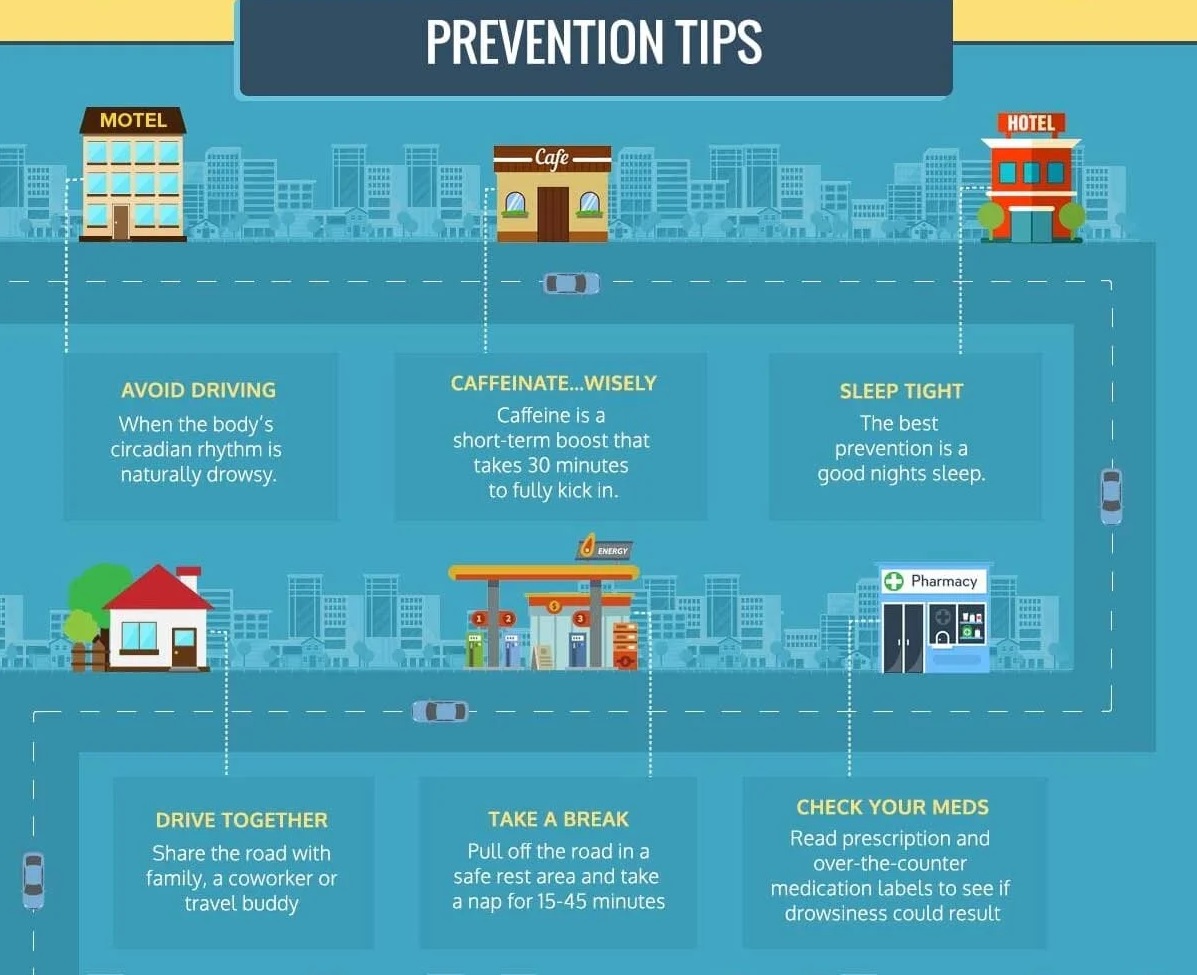
- Measures to prevent fatigue.
· Rest.
It is essential to consider adequate rest as a key aspect of trip planning. It is recommended to sleep at least seven hours the night before to ensure optimal performance during the day. Once the trip begins, it is recommended to take breaks every two hours or after driving 200 kilometers, and even sooner if symptoms similar to those described appear.
Breaks should last at least 15 minutes. During these breaks, it is recommended to get out of the vehicle to splash cold water on your face or the back of your neck. In addition, it is strongly recommended to drink sugary beverages, eat light snacks, and stretch your back, legs, and arms.
According to a study on driving fatigue conducted by RACE, half of all drivers do not take enough breaks, and 10 percent never rest or go more than four hours without resting.
· Drink regularly.
Drinking helps keep us calm while driving. Drivers are advised to stay properly hydrated while driving by drinking water or soft drinks. It’s important to keep in mind that air conditioning helps remove heat but does not prevent dehydration.
· Eat light meals.
It’s important to note that, before or during the trip, you should avoid eating heavy, high-fat meals or large portions. In this regard, salads, fruit, or pasta are good options.
· Keep the cabin comfortable.
Comfort is essential for ensuring a pleasant trip. Please adjust your seat to the position that is most comfortable for you and wear comfortable or athletic clothing. To ensure a suitable environment inside the vehicle, we recommend ventilating it regularly and setting the climate control to 21°C, which is considered the optimal temperature.
· Do not take pain relievers or stimulants while driving.
Excessive consumption of alcohol, drugs, and stimulants can pose a serious health risk. For example, excessive coffee consumption can have a counterproductive effect, as it not only interferes with your ability to stay alert but can also cause anxiety and significantly affect the nervous system.
· Stop sooner in case of adverse weather conditions.
Driving in adverse weather conditions, such as heavy rain or snow, even when the road is in good condition for traffic, requires significantly more effort from the driver compared to normal weather conditions. Therefore, it is recommended that you stop before two hours have passed or after traveling 200 kilometers.
· Drive at a safe and steady speed.
Driving faster also requires greater concentration. Remember that any time you save on the road will be lost when you stop: you’ll be more tired and will need to spend more time when you stop.
- Use of Advanced Driver Assistance Systems-ADAS.
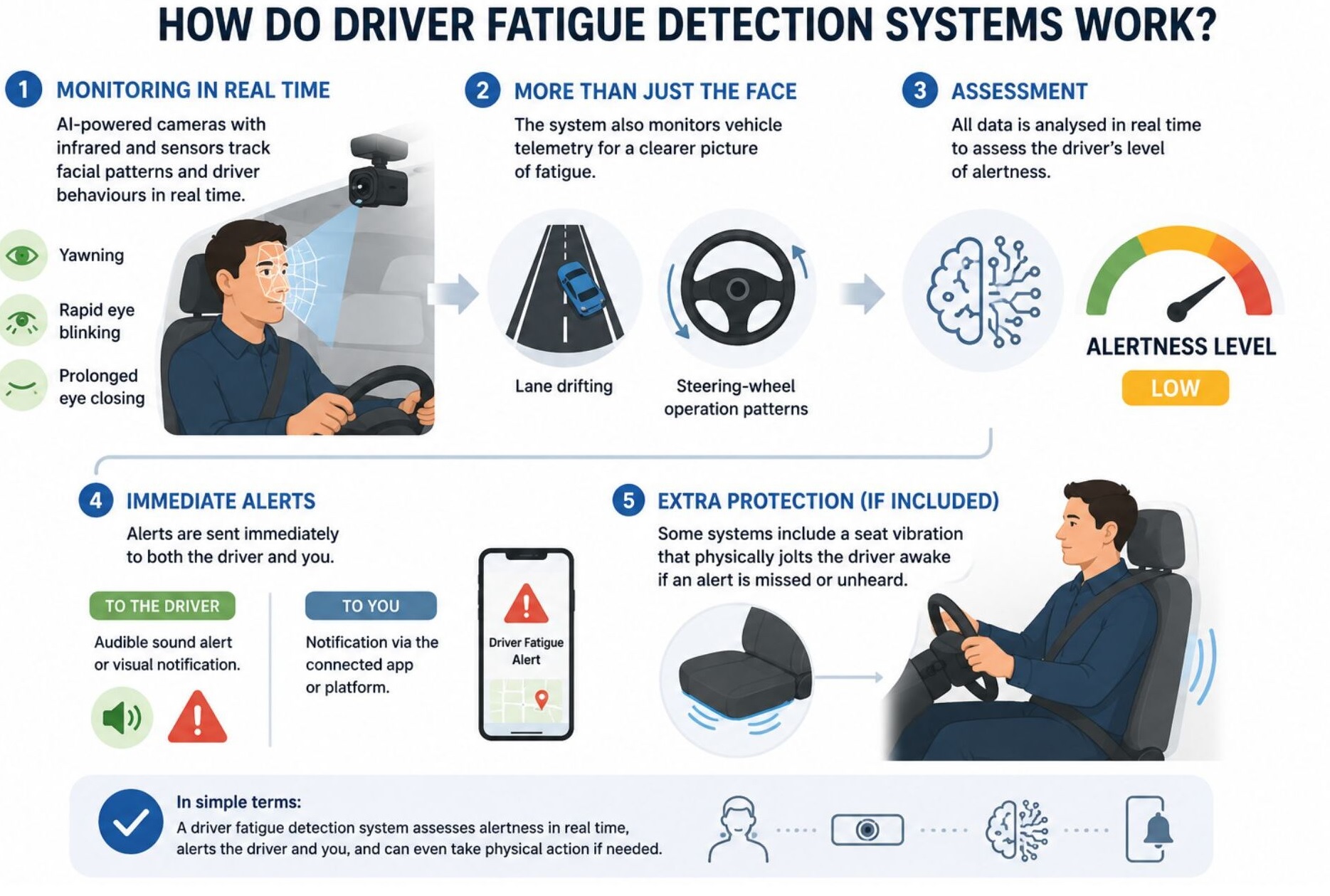
ADAS systems for detecting fatigue or drowsiness, also known "Driver Distraction and Drowsiness Recognition" as DDR, are primarily designed to monitor the driver’s alertness in order to prevent accidents. The system conducts a comprehensive analysis of the driver’s driving patterns and biometric characteristics, issuing visual and audible alerts that prompt the driver to take a break.
In accordance with European Union regulations, starting in July 2024, this requirement will apply to all new vehicles sold, making it mandatory for them to incorporate a DDR system. The European Union, in its ongoing efforts to improve road safety, has implemented a series of measures aimed at preventing fatigue and drowsiness while driving. Among these measures, the updating and incorporation of new ADAS features in vehicles stand out.
· How do they detect fatigue?.
Vehicles incorporate various technologies, often integrated with one another, to identify moments of distraction while driving.
1. Driving behavior analysis.
They monitor steering wheel use, the vehicle’s path such as slight zigzagging, reaction times, the force applied to the controls, and sudden acceleration or braking.
2. Facial biometric monitoring.
The monitoring system is equipped with infrared cameras installed on the dashboard and instrument panel. These cameras analyze various parameters related to the driver’s eye activity, such as blink rate and duration, head movements, nodding, and gaze direction.
3. Pressure and posture sensors.
Some more sophisticated versions include sensors in the seat and steering wheel that detect changes in the driver’s pressure and posture. A slumped posture or unnatural movements can be signs of fatigue.
4. Driving time.
They continuously monitor how long you’ve been driving without a break.
· Types of alerts.
When the system determines that your abilities have been impaired by fatigue or distraction, it responds as follows:
1. Visual alerts.
A message appears on the onboard computer screen or an icon, usually a steaming cup of coffee, indicates that it’s time to take a break.
2. Audible alerts.
An audible signal warns you of the danger.
3. Physical alerts.
In some models, the system generates a slight vibration in the steering wheel or tightens the seat belt to get the driver’s attention.
- Implications for fleet management.
The main consequence of fatigue and drowsiness while driving is that it can cause a traffic accident, potentially resulting in injuries to the driver, vehicle passengers, cyclists, or pedestrians, in addition to repair costs and the time the vehicle is out of service.
It is recommended to implement the following measures.
· Driver training.
The main actions to prevent fatigue and drowsiness must be carried out with the drivers.
Training should be provided on the symptoms, the consequences, what to do if feeling fatigued, how to adjust the driver’s compartment, what to eat, driving and rest times, etc., as covered in this class.
Training can be in-person or online, and it is recommended to provide drivers with a printed manual or a PDF version so they can refer to it at any time.
Drivers must know how to identify the early symptoms of fatigue and drowsiness in order to take appropriate action.
· Implement a driving time policy.
You must have a policy on driving and rest times, such as a maximum driving time of 2 hours, a required 15-minute rest period, prohibitions on driving in adverse weather conditions, guidelines on medication use, recommended meal times, etc.
The policy must be written, either in hard copy or as a PDF, and endorsed and signed by company management.
· Monitor driving and rest times.
Drivers’ driving and rest times must be monitored.
If the vehicle is equipped with a tachograph, we can track the driver’s driving and rest times; furthermore, drivers must comply with mandatory driving and rest time regulations.
If the vehicle does not have a tachograph, a telematics system provides driving times, including when the vehicle is in use, at what times, routes, etc.
To determine each driver’s driving and rest times, the driver must be identified before using the vehicle; therefore, it is recommended to use the key or electronic card before operating the vehicle.
- Use of cameras.
There are cameras designed for vehicle fleets that are installed inside the vehicle and point at the driver’s face; when they detect fatigue or drowsiness, they emit a warning signal and sound to the driver.
These cameras must be installed after purchasing the vehicle, and telematics companies provide this service and technology.
These cameras, integrated with a telematics system, provide real-time data on whether the driver is fatigued or drowsy; an alarm must be set up in the telematics system to alert us when driver fatigue or drowsiness occurs.
If this alarm persists over time, it is recommended to call the driver and speak with them to provide instructions on how to proceed, whether they need to stop to rest, return to our facilities, etc.
- Advanced Driver Assistance Systems (ADAS).
It is recommended to purchase a vehicle equipped with ADAS features that detect fatigue and drowsiness and alert the driver, if these are available as an option.
- Medications and drugs.
The use of certain medications and drugs can cause side effects such as drowsiness, fatigue, and loss of concentration, which may lead to an accident.
Before taking any medication, consult your doctor to determine if it may affect your ability to drive. In Spain, it is illegal to drive while under the negative effects of medication. The use of drugs before or while driving is prohibited.
- Adverse weather conditions.
Certain weather conditions, such as fog, heavy rain, crosswinds, snow, etc., make driving difficult or impossible and increase fatigue.
It is recommended that you refrain from driving until weather conditions are suitable for driving.
- Alcohol.
Alcohol consumption causes drowsiness, fatigue, loss of concentration, etc., which can lead to an accident. It is prohibited to consume alcohol before or while driving.
In Spain, this carries a fine, loss of driver’s license points, and in some cases, even prison sentences.
- Maintenance.
The vehicle must be in perfect working condition; maintenance must be performed according to the manufacturer’s instructions and within the specified time frame.
- Vehicle inspection.
Before using the vehicle, the driver must check certain mechanical components such as tires, seat belts, bodywork, etc. This checklist can be printed or accessed via an app on a smartphone or tablet.
- Road Conditions.
Roads with potholes, poor signage, or ruts, etc., can cause fatigue; it is recommended to avoid these roads.
- Air conditioning.
Air conditioning is a safety feature; driving in high temperatures can lead to a lack of concentration on the road, discomfort, headaches, etc., so it is recommended to choose vehicles equipped with air conditioning.
Diapositiva 3. Thank you for your time.
The class has developed how to prevent fatigue and drowsiness while driving to avoid traffic accidents, as well as the implications for fleet management, see you soon.