
Download the audio
Slide 1. Introduction.
The class develops what a water pump is, the different types, the signs of a faulty water pump, and when to replace it.
Slide 2. What Is a Water Pump?.
- The mechanics of cooling.
A vehicle’s water pump is an essential component of the cooling system. Its function is to circulate coolant through the engine, radiator, and hoses to maintain the proper operating temperature of the engine.
Without it, the heat generated by combustion would build up within minutes, which could result in serious engine damage. The proper functioning of the cylinder head, cylinder head gasket, pistons, and engine block depends on adequate coolant circulation.
Water pumps can be classified as mechanical or electric. In many traditional cars, the water pump is driven by the timing belt or auxiliary belt. In newer models, an electric pump regulates the flow independently.
Inside, there is an impeller that propels the coolant using centrifugal force. In this way, the hot fluid leaves the engine, circulates through the radiator, cools down, and returns to its liquid state.
If the pump stops working, the coolant will not circulate. The engine will overheat rapidly, significantly increasing the risk of breakdown.
- Types of water pumps.
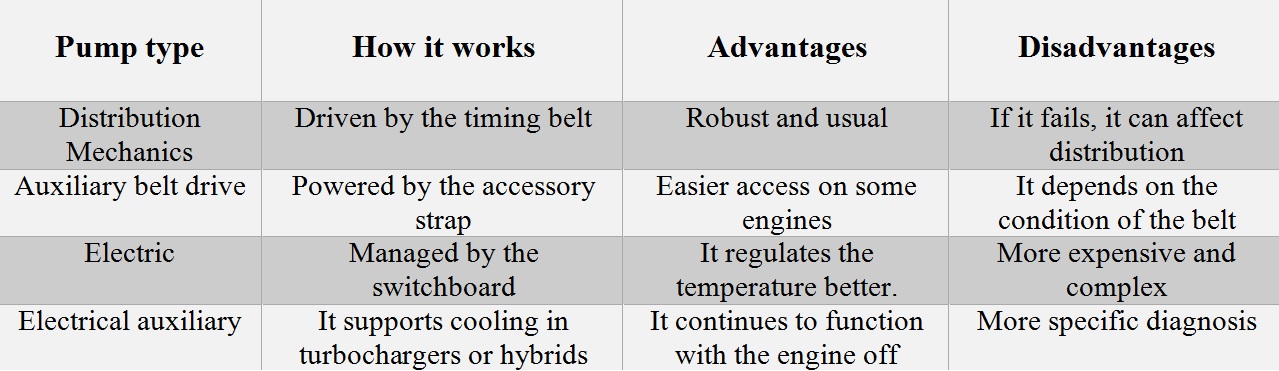
The use of electric pumps has become increasingly common due to their ability to cool the engine even in start-stop systems or after the vehicle has been turned off.
- The role of the impeller and the seal.
The impeller is the component that circulates the coolant. If the impeller becomes worn, breaks, or the rotating mechanism malfunctions, the flow rate will decrease and the engine could overheat.
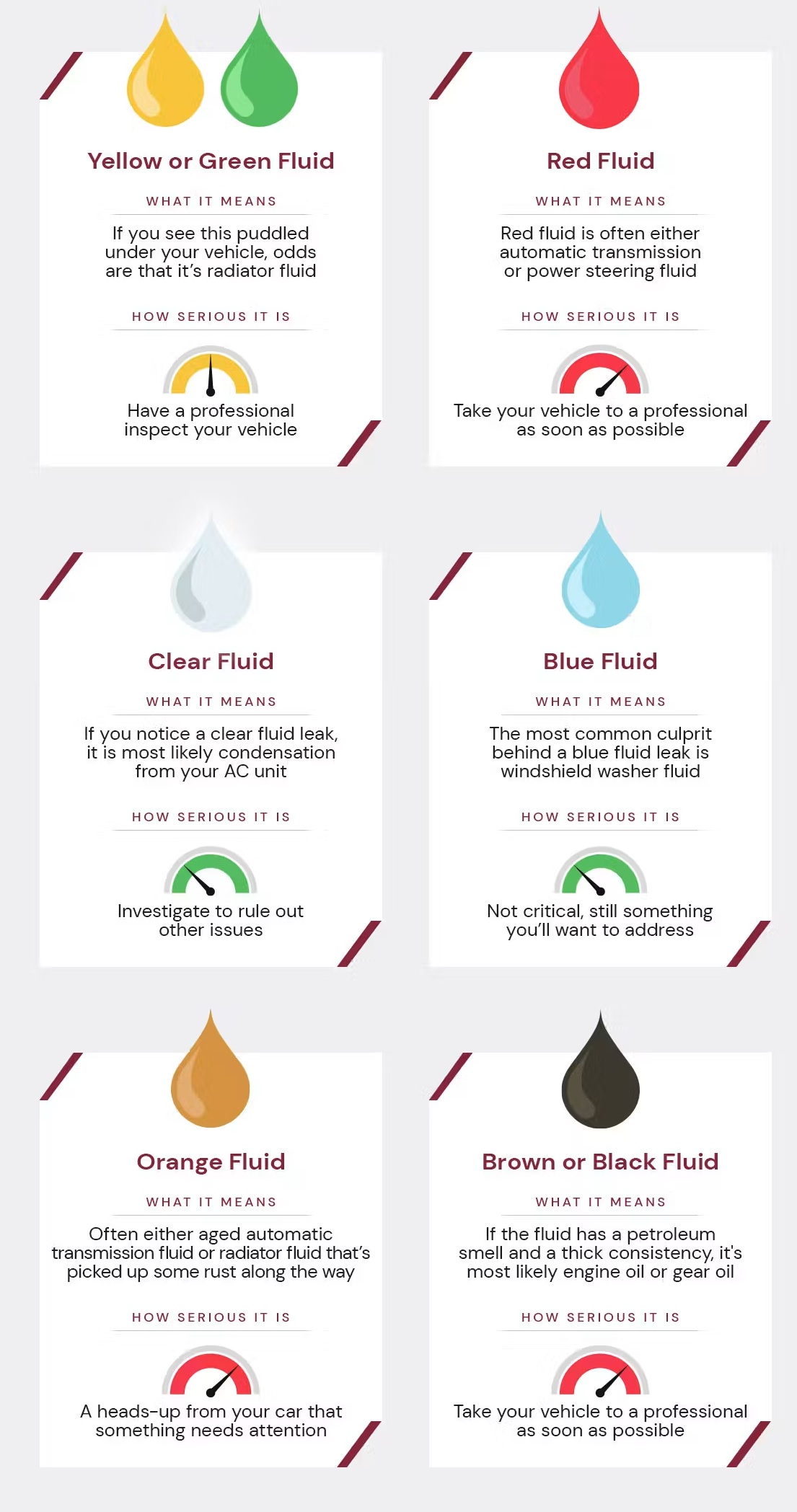
The seal prevents coolant from entering the pump bearings, ensuring the system remains intact. If it fails, leaks, dried antifreeze residue, or stains may appear under the car.
Coolant is typically pink, green, blue, or yellow, depending on the product used. As it evaporates on hot surfaces, it may give off a sweet, distinctive odor.
- Symptoms of a faulty water pump.
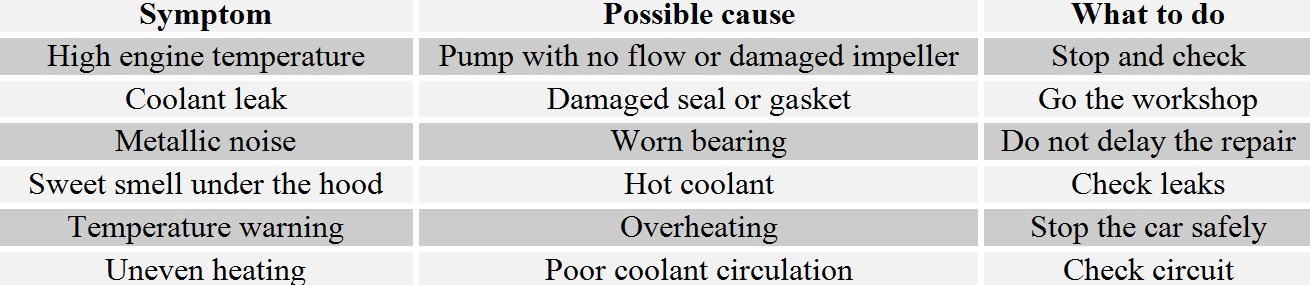
If a warning light comes on in the dashboard, it’s a good idea to understand what the vehicle’s yellow warning lights mean. However, a temperature warning should be taken very seriously.
- When should you replace your car’s water pump?.
It is important to note that there is no single rule that applies to all engines. In many vehicles, the water pump is replaced along with the timing belt, since both parts operate in the same area.
If the water pump is driven by the timing belt, it is recommended to replace it at the same time, which saves on labor costs and reduces risks. It is important to note that replacing a single part, such as the belt, without performing a complete maintenance check of the system, may result in a situation that requires disassembling and reinstalling everything all over again.
Therefore, when assessing the need to replace the timing belt, it is advisable to inquire about the complete kit that includes the water pump.
- Why shouldn’t you ignore a leak?.
A small leak may seem insignificant, but the coolant level drops and the engine loses its ability to dissipate heat.
If the vehicle is driven with an insufficient amount of coolant, there is a risk of overheating. Repairs may involve components such as the cylinder head, the cylinder head gasket, cylinder head resurfacing, or even a complete engine replacement.
There is also a potential risk that coolant could come into contact with belts, pulleys, or sensors. It’s important to keep in mind that a seemingly minor problem can escalate into a more serious breakdown.
- Which coolant to use.
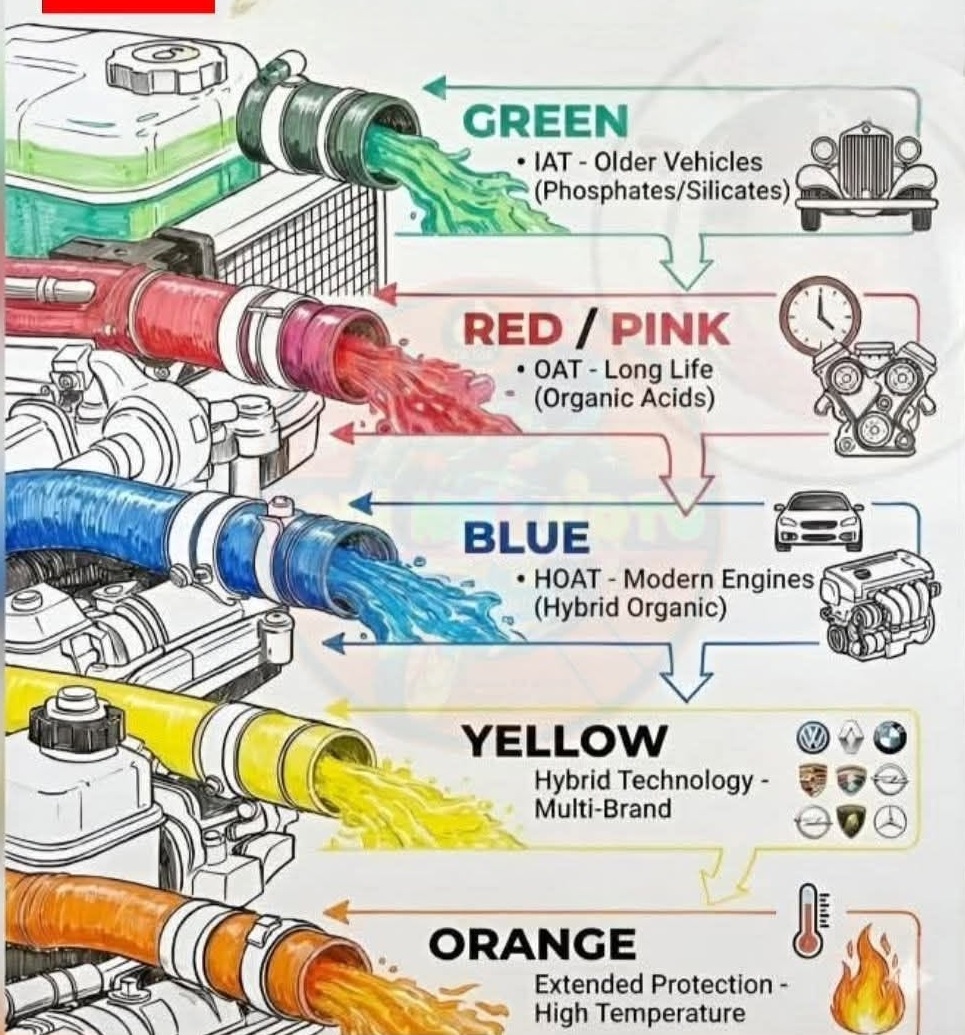
It is not recommended to refill with just any liquid or to mix incompatible products. Each manufacturer specifies the most suitable type of coolant for its engine.
The proper antifreeze provides protection against freezing, corrosion, and cavitation. It also ensures the proper maintenance of critical components such as gaskets, the water pump, the radiator, and hoses.
If the level drops frequently, simply topping it off is not enough. It is essential to locate the leak and make the necessary repairs.
- How to prevent water pump failures.
It is essential to follow the maintenance schedule, use the recommended coolant, and avoid driving with a low coolant level.
It is also recommended to inspect the hoses, radiator, thermostat, and expansion tank. The water pump is an integral part of a larger system, so a malfunction in another component can affect its operation.
If you hear noises coming from the belt area or find traces of coolant, do not wait for the temperature to rise. It is important to check it periodically to avoid unnecessary costs.
- FAQs about the car’s water pump.
- What happens if the car’s water pump fails?.
The coolant stops circulating properly, which can cause the engine to overheat in a short period of time, with the resulting risk of serious damage.
-
- Should the water pump be replaced along with the timing belt?.
If the water pump is driven by the timing belt, the answer is yes. This helps minimize downtime and avoids having to remove the unit in the event of future failures.
-
- How can I tell if the water pump is leaking?.
By the presence of coolant stains, a sweet smell, dried antifreeze residue, abnormal bearing noises, or an excessive rise in temperature.
Slide 3. Thank you for your time.
The class has developed what a water pump is, the different types, the signs of a faulty water pump, and when to replace it, see you soon.