
Download the audio
Slide 1. Introduction.
The class develops the first court ruling against an electric vehicle for failing to meet the manufacturer’s official range, the customer may return the vehicle, and the implications for fleet management.
Slide 2. The first court ruling against an electric vehicle.
- The case in Germany.
Buyers may be able to return an electric car if its range differs by more than 10% from the official figure specified in the European WLTP certification cycle. This could be an initial conclusion of a new court ruling, which would undoubtedly be great news for electric vehicle buyers. However, it is important to keep in mind that the situation may be more complex than it seems. Therefore, it is essential to read the full ruling and examine the details in the fine print to understand how the process unfolded.
In Germany, the owner of an electric car took legal action after his new vehicle failed to achieve the range promised by the manufacturer.
The events date back to the purchase of a Peugeot e-2008 in 2021. According to the model’s technical specifications, the certified range was between 332 and 341 kilometers, in accordance with the WLTP cycle. However, the owner claimed that under everyday driving conditions, the vehicle’s range barely reached 160 kilometers, even during urban drives at moderate speeds and with Eco mode activated.
The customer initially asked the seller to resolve the issue. However, when the dealership refused to accept a buyback or offer a satisfactory solution, the customer decided to take the matter to court.
- An expert appointed by a court is responsible for verifying the electric vehicle’s actual range.
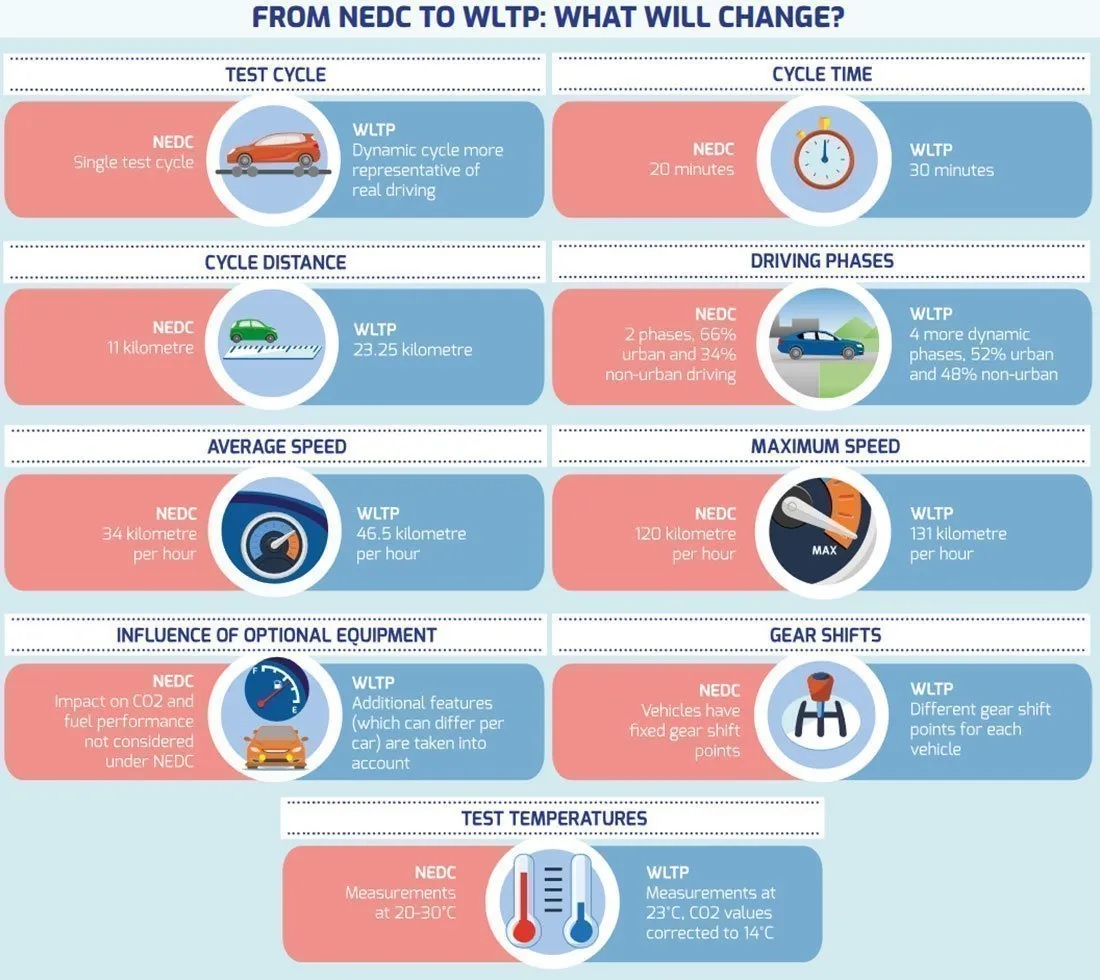
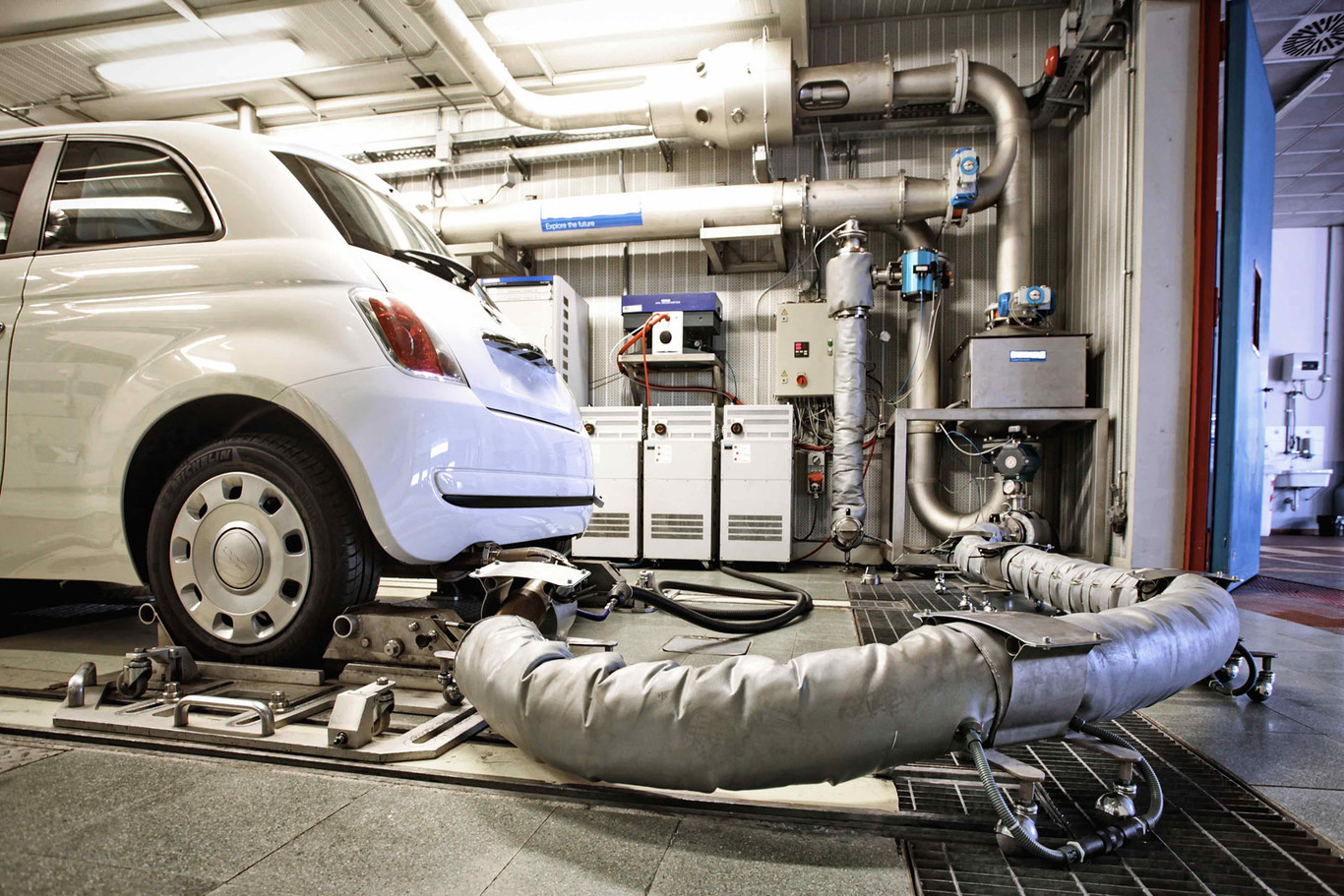
Following this dispute, an expert appointed by the Wuppertal Regional Court in Germany tested the vehicle’s range on a test bench under the standardized WLTP conditions in effect at the time of purchase. The actual result was that the car achieved a range of 282 kilometers. This indicates a negative discrepancy of 18% compared to the officially declared minimum range of 332 kilometers.
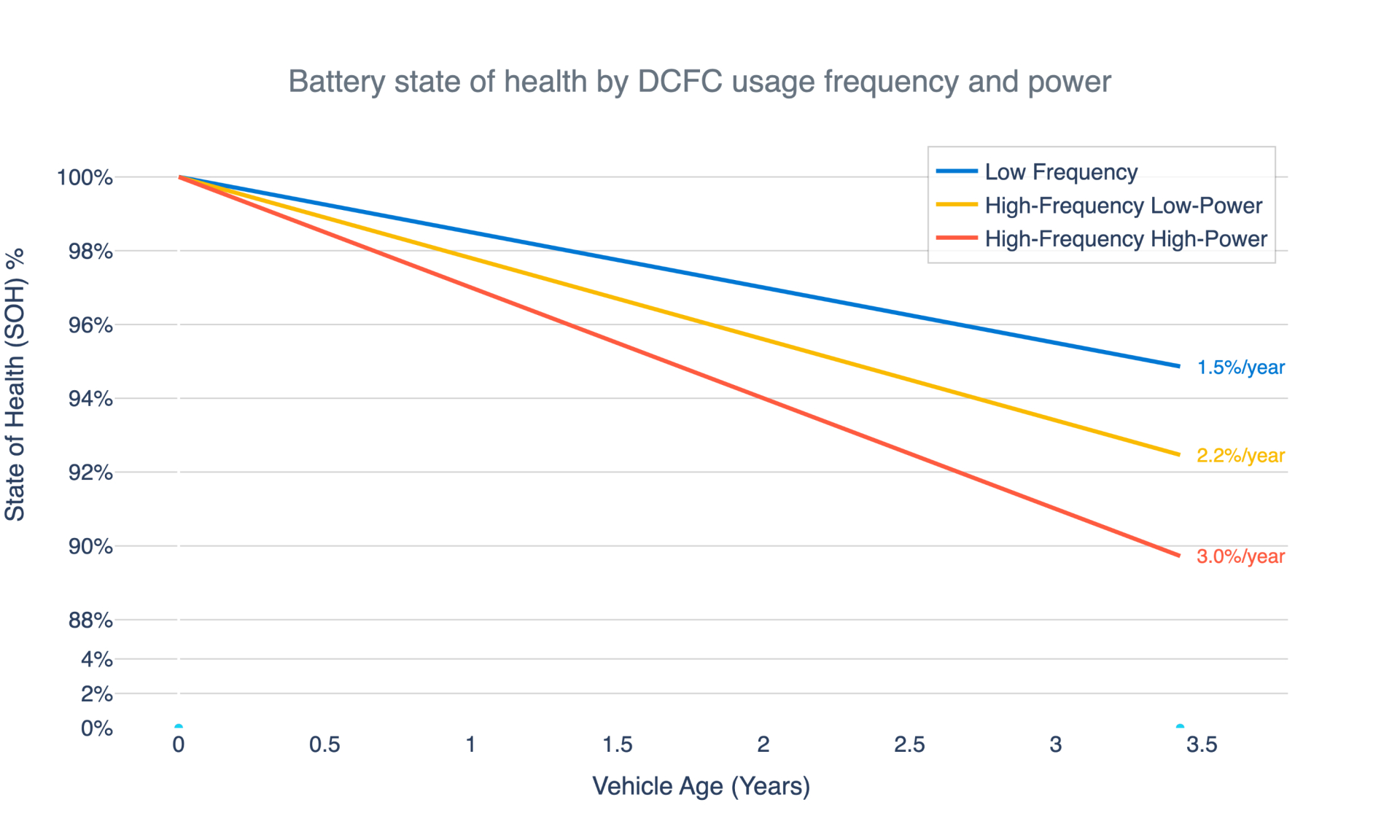
The seller argued, among other things, that the battery had degraded over time. However, the expert opinion also refuted this claim. The specialist determined that the battery’s capacity had exceeded the expected standard. Over a three-year period, the battery’s capacity had decreased by approximately 17% compared to its original capacity, which significantly exceeded the expected performance for the vehicle’s age and usage.
The dealership has been ordered to reimburse the affected owner the sum of 33,700 euros, corresponding to the portion of the vehicle’s price that exceeded the agreed-upon 39,000 euros.
- The 10% rule regarding fuel consumption also applies to electric cars.
To support its decision, the court relied on established case law from the Federal Court of Justice (BGH) regarding excessive fuel consumption in internal combustion engines. According to established case law, any deviation exceeding 10% of the standard fuel consumption is considered a significant defect. The judges in Wuppertal applied this principle to the range of electric cars. Since the observed deviation of 18% clearly exceeded the established threshold, the court confirmed the existence of a material defect.
The defense attempted to justify the loss of performance by citing the natural wear and tear of the battery over time. However, the court rejected this argument, finding that the observed degradation far exceeded the reasonable threshold of 2.5% per year. Furthermore, the problem arose during the first year of use, which shifted the burden of proof to the seller to demonstrate that the vehicle met the advertised specifications.
The determining factor for the legal assessment does not lie in the vehicle’s daily range, which is influenced by driving style, temperature, and load. The only criterion that can be considered valid is one based on an objective comparison of range under standardized laboratory conditions. Furthermore, since the defect occurred during the first year after the vehicle was delivered, the reversal of the burden of proof provided for by law was applied. The seller was required to prove that the defect did not exist at the time of purchase, which it failed to do.
- What does this mean for vehicle owners? Does it set a legal precedent?.
Although this ruling sets a precedent of great importance for electric vehicle owners, it is important to clarify that it is a decision issued by a regional court and not a ruling by the German Federal Supreme Court. Therefore, it is not currently binding at the national level.
Nevertheless, the ruling provides greater legal certainty, as the official WLTP figure constitutes a manufacturer’s warranty. It is important to note that neither driving style, temperature, nor charge level are valid criteria; only an objective comparison of range under standardized laboratory conditions is considered valid.
For electric vehicle consumers, this ruling provides greater legal certainty. It is hereby confirmed that the WLTP figure constitutes a guaranteed characteristic. However, in Germany, significant obstacles remain to winning a lawsuit: proving a discrepancy generally requires a costly expert opinion, the initial cost of which must be borne by the plaintiff. Therefore, anyone who suspects insufficient range should report this defect to the dealer in a verifiable manner and as soon as possible.
Certainly, the ruling places considerable pressure on automakers, who are responsible for ensuring that their vehicles reliably meet the WLTP values reported during mass production. General references to the dependence of driving range on various factors are not sufficient to invalidate the legally binding nature of the standard specifications.
- The case in France.
The German ruling is not an isolated case. It bears numerous similarities to a previous ruling issued in France by the Toulouse Court of Appeal.
On that occasion, a construction company purchased a Peugeot e-Partner to cover one of its employees’ daily commutes. The manufacturer advertised an official range of 170 kilometers, which, in theory, would allow the vehicle to easily complete a typical route of about 140 kilometers.
However, the reality turned out to be very different. The vehicle was unable to complete the route without additional recharging, as its actual range was around 110 kilometers. Following the completion of expert assessments during the legal proceedings, it was concluded that the figures showed a discrepancy of nearly 23% compared to those initially provided at the time of sale.
The French court has finally ruled that the dealership must proceed with a full refund of the vehicle’s purchase price. The court found that the seller had breached its duty to inform and advise, particularly because it failed to adequately explain the limitations of the WLTP figures in relation to the specific needs expressed by the customer before finalizing the purchase.
- Implications for fleet management.
The first consequence of the ruling is that it’s all advantages, since we’ll be able to claim a refund if the vehicle doesn’t meet the manufacturer’s official range, but we must keep in mind that it’s a costly process.
We recommend implementing the following measures.
- Real-world range estimate.
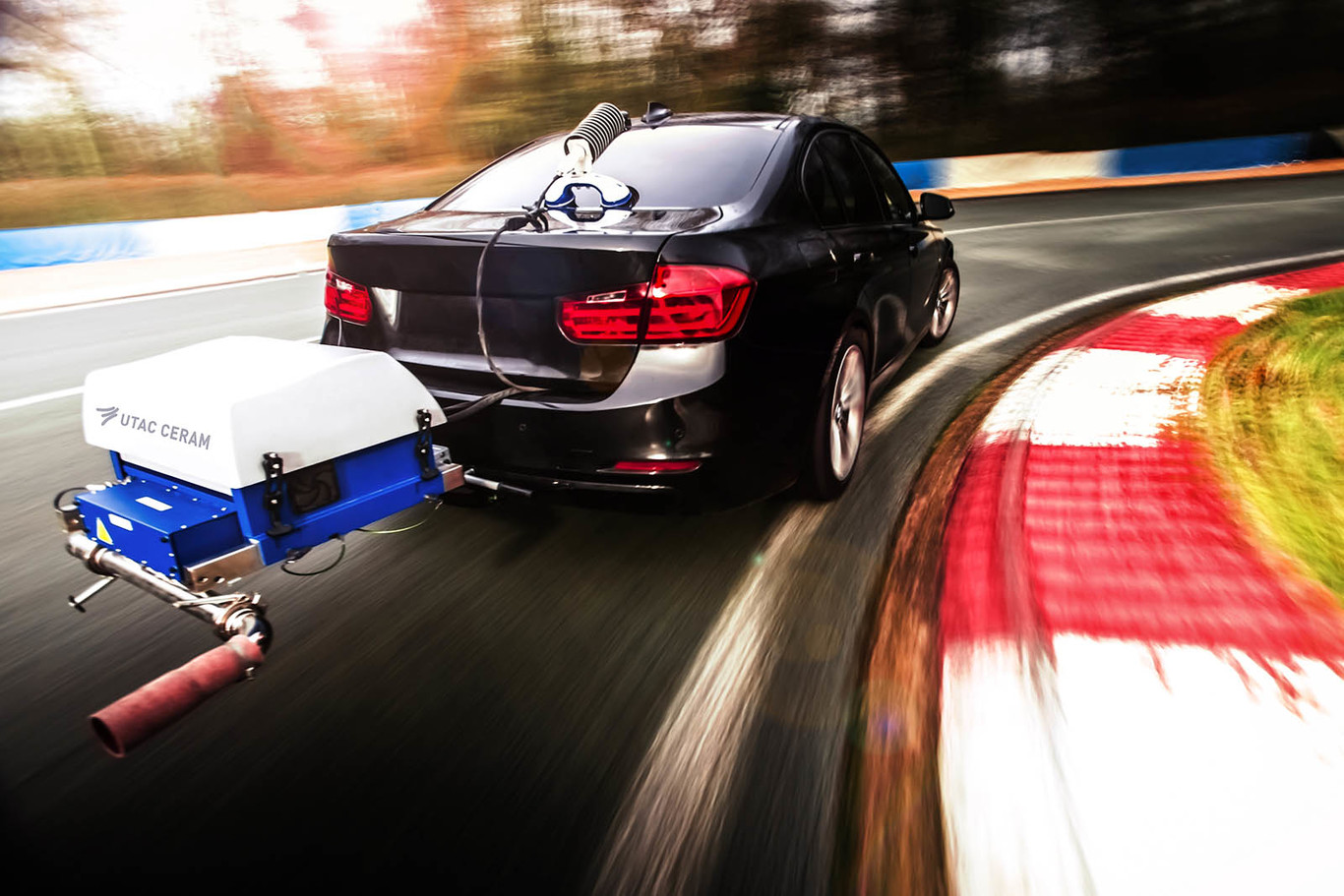
The official range of a vehicle, as determined by the WLTP cycle, does not reflect real-world conditions. Before purchasing an electric vehicle, it is recommended to estimate the actual range at 70–80% of the vehicle’s official range.
If the vehicle does not have the actual range required to provide the service, the service cannot be provided in full, or only partially, with all the associated drawbacks, such as a greater number of stops for recharging, a larger fleet size, loss of productivity, higher costs, etc.
If the electric vehicle has the actual range needed to provide the service, even if it differs by more than 10% from the official range, it doesn’t make much sense and isn’t worth the effort to request a refund due to the associated costs.
If the electric vehicle does not have the actual range required to provide the service because the difference from the official range is greater than 10%, it is advisable to request a refund, but keep in mind the associated costs.
- Verify that the official range matches the actual range.
It is recommended that you verify the vehicle’s actual range as soon as you purchase it. If the official range differs from the actual range by more than 10%, it is recommended that you contact the dealership or the vehicle manufacturer immediately. If the dealership or manufacturer fails to respond or is reluctant to perform the necessary repairs, it is recommended that you request an evaluation by an independent expert to assess the range so that you can legally exercise your right to a refund.
- Technical report.
A technical report is required that unequivocally and consistently demonstrates the deviation in range. In other words, a rigorous, meticulous, and properly documented expert assessment is required. The burden of proof lies with the buyer, which in practice significantly complicates the proceedings.
In the case of Germany, the autonomy test was conducted using the standardized WLTP cycle conditions in effect at the time of the vehicle’s purchase.
- Vehicle Documentation and Advertising.
Before purchasing the vehicle, collect and save any brochures or advertising materials that list its technical specifications, especially those documenting its official WLTP-cycle range, in case of potential future claims.
- Stay Informed About the Law and Case Law.
In court rulings regarding the range of electric vehicles, particularly in vehicle fleets.
A fleet typically consists of 10, 30, 50, etc., vehicles of the same make and model. Would it be sufficient to test the range on a single vehicle, or would it be necessary to test all vehicles of that same model?.
Keep in mind that there may be differences in court rulings and case law between countries; a ruling that is favorable in one country may be unfavorable in another.
In summary, the German court’s ruling makes it clear that manufacturers’ technical specifications are not mere advertising claims. For buyers, this provides greater certainty, but it also poses a significant obstacle, since the crucial evidence can often only be obtained through a costly expert opinion. It therefore remains to be seen whether this consumer-friendly approach will prevail in the higher European courts.
Slide 3. Thank you for your time.
The class has developed the first court ruling against an electric vehicle for failing to meet the manufacturer’s official range, the customer may return the vehicle, and the implications for fleet management, see you soon.