

Download the audio
Slide 1. Introduction.
The class develops the effects of drugs on driving, administrative and criminal offenses, legal defense strategies, and medications that can cause a positive drug test result during a traffic stop.
Slide 2. The effects of drugs on driving.
- Types of drugs detected during traffic stops.
In Spain, driving under the influence of drugs is considered a crime against road safety, as established in Article 379.2 of the Criminal Code. Unlike driving under the influence of alcohol, which is determined by objective blood alcohol levels, driving under the influence of drugs presents specific challenges in terms of detection, assessment, and prosecution.
In recent years, there has been a marked increase in drug testing of drivers, thanks to the implementation of new rapid saliva testing devices. This trend has led to a significant rise in charges for this offense, which primarily affects young drivers who use cannabis occasionally and are unaware of how long the substance remains detectable in the body.
It is vitally important to understand which substances are detectable, how drug tests work, what penalties this offense carries, and what defense strategies are available. This is essential both for preventing violations and for mounting an effective defense in the event of a charge.
Below are the 5 most commonly detected drugs in drug tests in Spain.
- Cannabis.
This is the substance most frequently detected in traffic screenings in Spain. The active ingredient in cannabis, tetrahydrocannabinol-THC, can be detected in saliva up to 24–48 hours after use in occasional users, and up to several days in regular users. This long detection window leads to situations where drivers test positive without actually being under the influence of the drug, especially when consumption occurred the night before or several days prior.
- Cocaine.
This is the second most commonly detected substance in safety checks. Indeed, its stimulant effects have the potential to significantly alter risk perception, increase speed, and cause impulsive behavior behind the wheel. The presence of cocaine in saliva can be detected for a period of 24 to 48 hours after consumption. However, it is important to note that the presence of this substance does not always imply a current influence on driving ability.
- Amphetamines and methamphetamines.
These are synthetic stimulants that can be detected in saliva for a period of 24 to 72 hours. Effects associated with this include hyperactivity, reduced risk perception, and, subsequently, extreme fatigue, which can cause drowsiness while driving. Use of these substances is less common than that of cannabis or cocaine, but it poses serious risks to road safety.
- Opiates such as heroin, morphine, and codeine.
The effects mentioned above include a sedative sensation that results in drowsiness, slowed reflexes, and longer reaction times. These substances can be detected in saliva for a period of 24 to 48 hours. In some cases, the presence of opioids may be due to the use of legal medications containing them, which constitutes a valid defense if the use was therapeutic and under a doctor’s prescription.
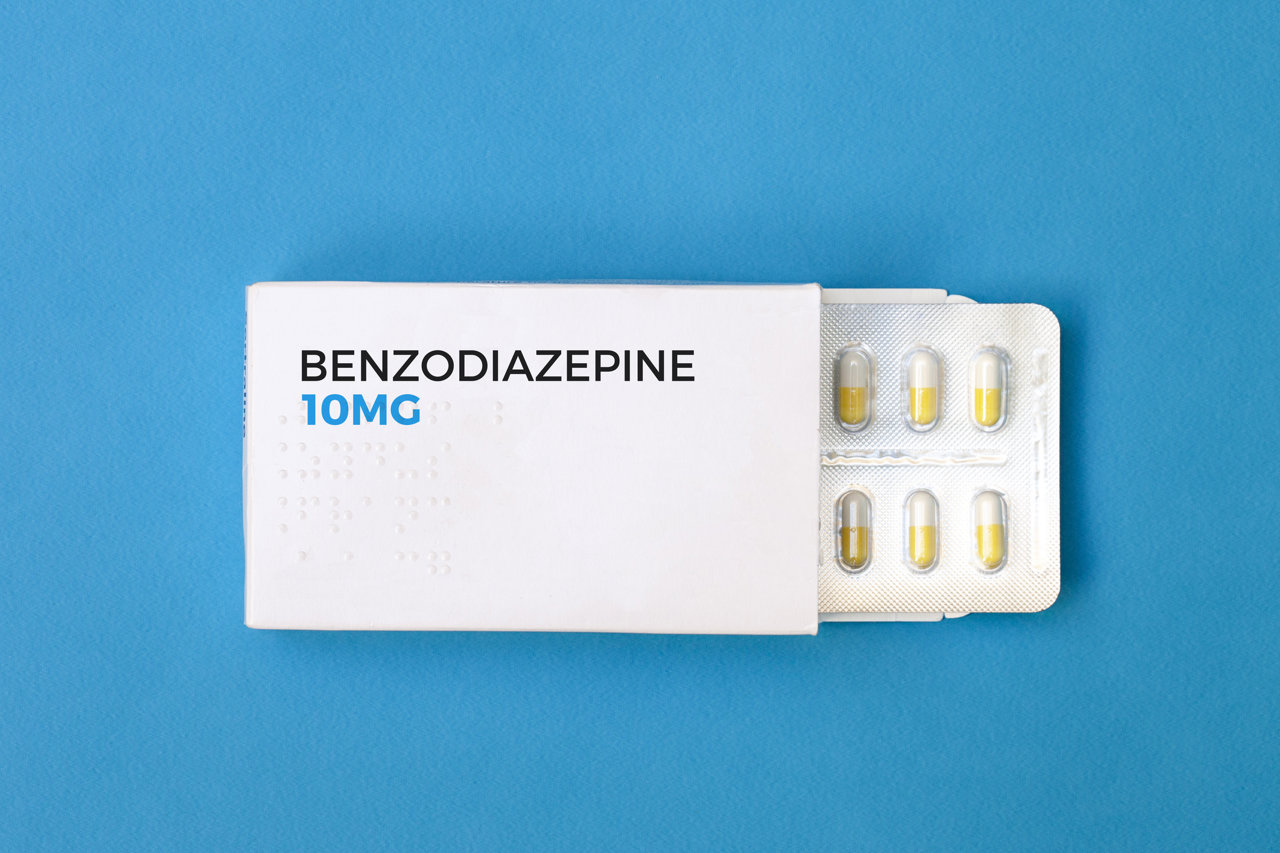
- Benzodiazepines.
These are prescription medications that have sedative and anxiolytic effects. Although their therapeutic use may be justified, it is important to note that they can significantly impair driving ability, especially when combined with alcohol or other substances. For a proper assessment, it is essential to determine whether a prescription was issued and whether the driver was fully aware of the medication’s effects on their ability to drive.
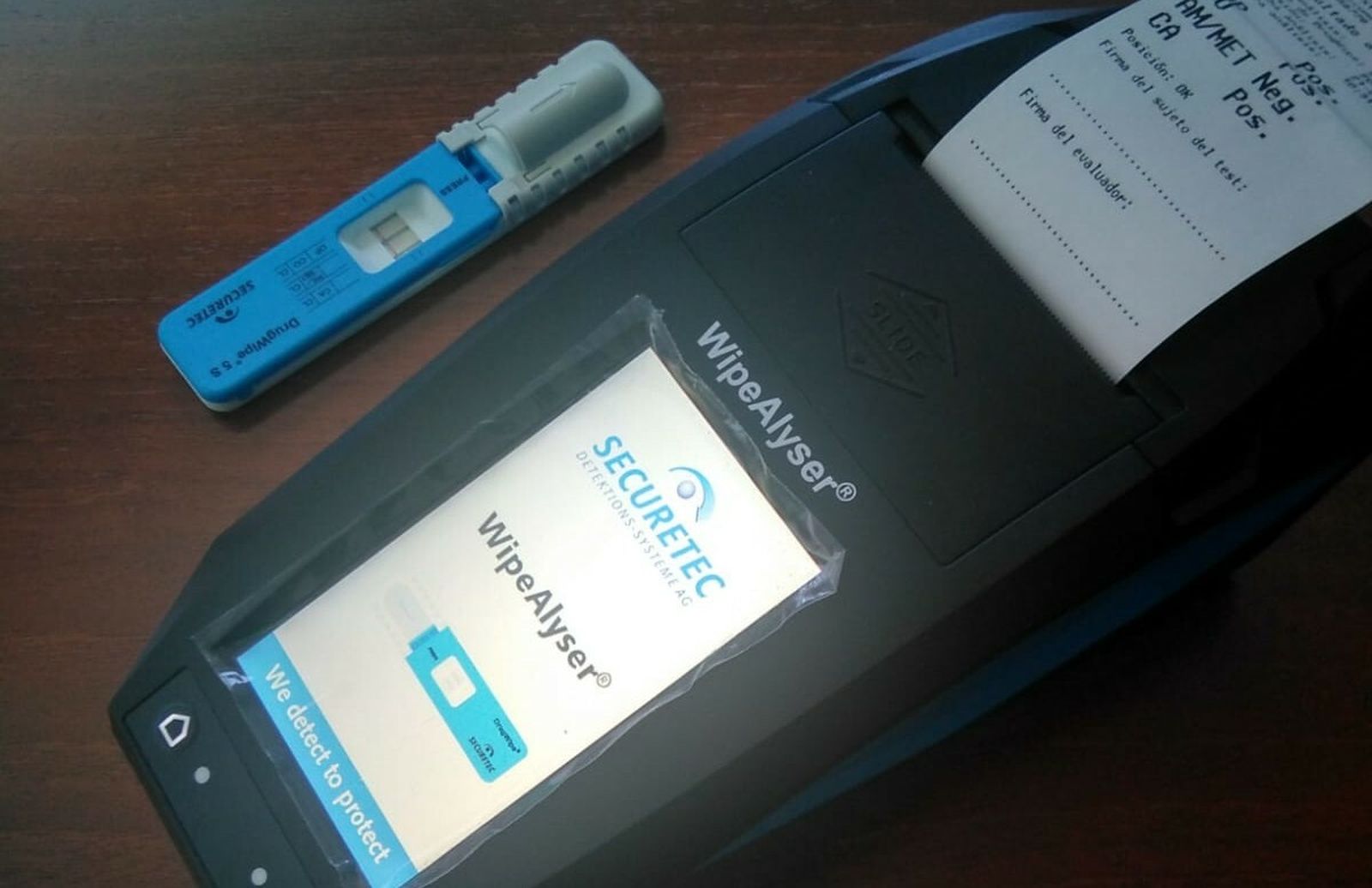
- Detection methods: saliva, blood, and urine tests.
The saliva test, also known as a “drug test,” is currently the most widely used detection method in traffic stops due to its speed, convenience, and minimally invasive nature. The device in question is designed to detect the presence of various substances, cannabis, cocaine, amphetamines, opioids, and benzodiazepines, in a saliva sample obtained in a short amount of time. The preliminary result is obtained immediately, allowing officers to determine whether confirmatory testing is necessary.
- The saliva test is a preliminary or screening test, not a definitive test.
It is important to note that a positive result on the drug test is not sufficient evidence for a conviction, as it must be confirmed by blood or urine analysis at an official laboratory. The driver has the right to request this confirmatory test, the result of which will be the definitive evidence in criminal proceedings.
- Blood tests.
These tests are of vital importance for determining the presence and concentration of drugs in the body. The blood draw must be performed at a healthcare facility by qualified personnel, ensuring compliance with the chain of custody for the samples. The analysis is conducted in official laboratories using chromatographic techniques, which allow for the precise identification of the substances present and their concentration. These tests can detect drug use from the preceding hours or days, depending on the substance.
- Urine tests.
In addition, they can be used as a confirmatory method, although their use is less common in the field of road safety. These tests have broader detection windows than blood or saliva tests, which can be problematic, as they may yield a positive result even for consumption that occurred long ago and no longer affects driving ability.
- Refusal to undergo drug testing.
In Spain, this offense, classified as a separate offense under Article 383 of the Penal Code, carries prison sentences of between six months and one year, as well as the revocation of the right to drive for a period of one to four years. This penalty is more severe than the penalty associated with driving under the influence of drugs, meaning that a driver’s refusal is always detrimental to them.
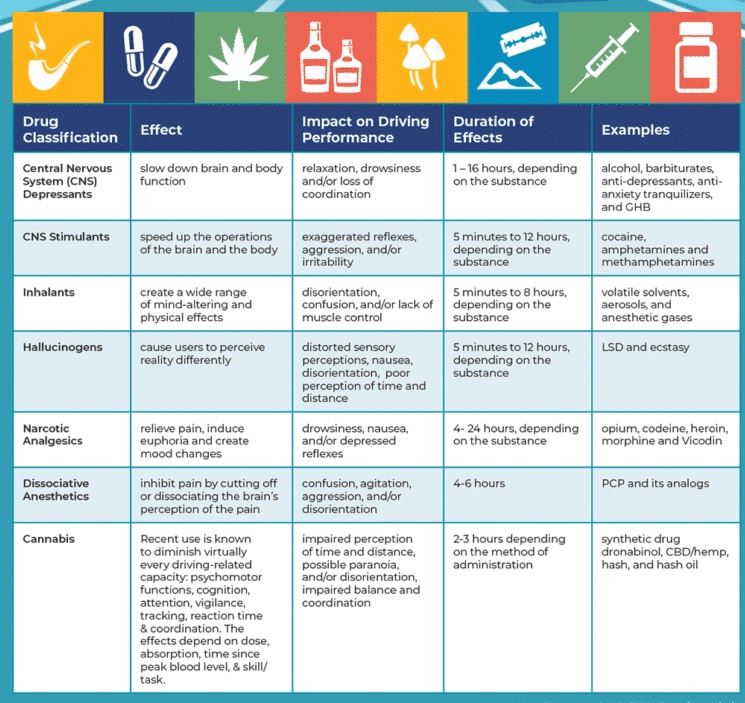
- Criminal offense for driving under the influence of drugs.
Under Spanish law, specifically the Criminal Code, and more specifically Article 379.2, driving a motor vehicle or moped under the influence of narcotic, psychotropic, or alcoholic substances is considered a criminal offense.
In addition to criminal penalties, driving under the influence of drugs results in the loss of six points on the driver’s license, in accordance with the provisions of the General Drivers’ Regulations. This loss of points is separate from the criminal penalty and takes effect immediately upon the finalization of the conviction.
Unlike the offense of driving with a blood alcohol concentration above the legal limit—which is classified as an abstract danger offense that is committed simply by exceeding certain thresholds—driving under the influence of drugs requires proof that the driver was actually under the influence of the substance, such that their psychophysical abilities to drive were impaired.
Therefore, it is not enough to detect the presence of drugs in the driver’s system. It is imperative to demonstrate that such presence had an immediate effect on the faculties required for safe driving. This distinction is of the utmost importance, since a person may test positive for drugs due to use that occurred days earlier, when there is no longer any effect on their ability to drive.
In Spain, Supreme Court case law has established that two elements must be present for a conviction for this offense. First, it is necessary to establish the presence in the body of substances classified as toxic drugs, narcotics, or psychotropic substances. Second, it must be determined whether such presence has had an actual effect on the driver’s psychophysical condition, impairing their ability to drive safely. This effect can be duly established through the presentation of objective clinical symptoms, coordination tests, medical reports, or observation of driving behavior.
This offense carries the following penalties:
- Imprisonment for 3 to 6 months, or a fine of 6 to 12 months, or community service for 31 to 90 days.
- Disqualification from driving motor vehicles or mopeds for a period of more than 1 year and up to 4 years.
If you are charged with driving under the influence of drugs, a summary trial will likely be held. Therefore, it will be necessary to hire the services of an attorney and a legal representative.
If the person is convicted, this will result in a criminal record. The conviction cannot be expunged until two years have elapsed since its full completion, as criminal liability does not expire until that time. Of course, this applies only if no new offenses have been committed during the specified period.
In the judicial system, when dealing with drivers with no criminal record and the case does not involve particularly serious circumstances, it is common for courts to impose a fine along with community service, thereby avoiding a prison sentence. The amount of the fine is determined based on the convicted person’s financial capacity, with a daily rate established and multiplied by the number of days of the fine imposed.
For professional drivers, the implications can be particularly severe, as the revocation of their driver’s license prevents them from performing their work.
Community service involves the unpaid performance of public service activities for a specified period. The convicted individual must perform these duties during non-working hours, at public institutions or social welfare organizations. Failure to comply with this penalty may result in its replacement with imprisonment.
The suspension of driving privileges is a mandatory penalty for this type of offense, lasting from one to four years. During the suspension period, the convicted individual is prohibited from driving motor vehicles or mopeds, which results in the suspension of their driver’s license. Once the suspension period has ended, the individual must complete a traffic safety and re-education course to regain their license.
- Estimated duration of drug effects.
The European Automobile Manufacturers' Association (AEA) has conducted a comprehensive analysis of the estimated duration of drug effects and the time it takes for the device to detect their presence in saliva.
- Duration of drug effects.
Ø Cocaine: 20 to 60 minutes.
Ø Opiates such as morphine, codeine, heroin: 4 to 6 hours.
Ø Benzodiazepines such as Orfidal, Valium: 15 minutes to 6 hours.
Ø Cannabis: 5 minutes to 3 hours.
Ø Amphetamines: 6 to 24 hours.
Ø Methamphetamines: 8 to 24 hours.
- Detection time of the drug in saliva.
Ø Cocaine: 10 minutes to 24 hours.
Ø Opiates: 1 hour to 3 days.
Ø Benzodiazepines: Up to 24 hours.
Ø Cannabis: Up to 24 hours.
Ø Amphetamines: 10 minutes to 72 hours.
Ø Methamphetamines: 10 minutes to 72 hours.
- Difference from the crime of drug trafficking.
It is essential to distinguish between driving under the influence of drugs, which constitutes a traffic safety offense, and drug trafficking, which is considered a public health offense, as regulated in Articles 368 et seq. of the Penal Code. It is important to note that both offenses may occur simultaneously when, during a traffic stop, it is discovered that the driver is also transporting narcotic substances.
The offense of drug trafficking is defined as the cultivation, production, trafficking, possession for the purpose of trafficking, or facilitation of the illegal consumption of toxic drugs, narcotics, or psychotropic substances. The criminal penalties provided for are significantly more severe than those associated with the offense of driving under the influence, ranging from a prison term of three to six years in the basic form, and can reach up to twenty years in the most serious cases.
If, during a traffic stop, there are indications of drug trafficking, the procedure becomes significantly more complex. The vehicle may be subject to a search, and the driver may be detained. In such circumstances, immediate legal representation is essential to prevent incriminating statements and ensure that the fundamental rights of the person under investigation are respected.
- Legal defense strategies.
In the legal arena, a defense against a charge of driving under the influence of drugs can be structured through various procedures, depending on the specific circumstances of the case. A primary line of defense involves challenging the validity of the screening tests conducted, especially if procedural safeguards or the chain of custody for the samples have been violated.
It is possible to challenge the initial saliva test provided that it was not conducted in accordance with established protocol, if the device in question has expired or has not been properly certified, or if the driver’s right to know the result and to request confirmatory tests has been violated. Likewise, one must consider whether a physical intervention occurred without proper consent or without respecting constitutional rights.
A fundamental strategy consists of assessing the current influence of drugs on driving ability. As noted above, it is not sufficient to detect the presence of the substance in the body; it is imperative to prove that such presence had an actual influence at the time of driving. If the detection is due to consumption that occurred days earlier, when there were no longer any effects on the driver’s abilities, one could argue that the essential element of the offense is absent.
To demonstrate the absence of current influence, it is possible to submit a medical expert report analyzing the detected levels, the substance’s half-life, and the absence of clinical symptoms of intoxication. Additionally, the officers’ observations regarding driving behavior, the absence of obvious signs of substance use, and negative results on psychomotor coordination tests—if administered—are relevant.
In cases involving the use of medications containing controlled substances, such as benzodiazepines or opioids, the defense may rely on a medical prescription and therapeutic use. It must be demonstrated that consumption was necessary for health reasons, that the driver was reasonably unaware of its effects on driving, or that the driver took appropriate precautions in accordance with medical instructions.
Furthermore, it is possible to argue that there was a mistake regarding the prohibition when the driver consumed the substance without knowing that it could impair their ability to drive, particularly in cases involving prescription medications where adequate warnings about their effects were not provided. This mistake must be considered insurmountable, meaning it could not have been avoided through reasonable diligence.
Admitting the facts and requesting a reduced sentence may be considered strategies in specific cases, especially when the evidence presented is overwhelming. Admitting guilt allows for a one-third reduction in the sentence and may facilitate the suspension of the prison sentence.
- Use days prior versus recent use: a key factor in the defense.
The window for detecting drugs in the body is one of the most problematic aspects of these proceedings. THC from cannabis can be detected in saliva up to 48 hours after use in occasional users, and even longer in regular users. However, the psychoactive effects of cannabis typically last between two and four hours after inhalation.
This discrepancy between detection and the effects of cannabis use can lead to situations where a person who used cannabis on Friday night tests positive in a screening on Monday morning, without any actual impairment of their driving ability. In such circumstances, the defense strategy must focus on demonstrating that, despite the presence of metabolites in the body, there was no current impairment of the psychophysical abilities required for driving.
To establish this fact, a detailed toxicology report is essential, analyzing not only the presence of the substance but also its exact concentration, the type of metabolites detected, active or inactive, and the time elapsed since consumption. It is important to note that inactive THC metabolites can remain in the body for days without producing any psychoactive effects.
It is also necessary to assess the driver’s behavior at the time of the stop. According to the analysis conducted, if the driver was driving properly, no obvious signs of intoxication were observed, the driver responded coherently, and coordination tests were normal. Therefore, it can be concluded that there was no actual impairment of driving ability. The officers’ reports on these aspects are essential for making informed decisions.
The medical expert examination can be of vital importance in determining whether the detected levels were insufficient to affect driving, whether the time elapsed since consumption ruled out any current influence, or whether the driver’s personal characteristics (tolerance, metabolism) made it unlikely that they were under the influence at the time of the stop.
- Slide 3. Medications that cause false positives in drug tests.
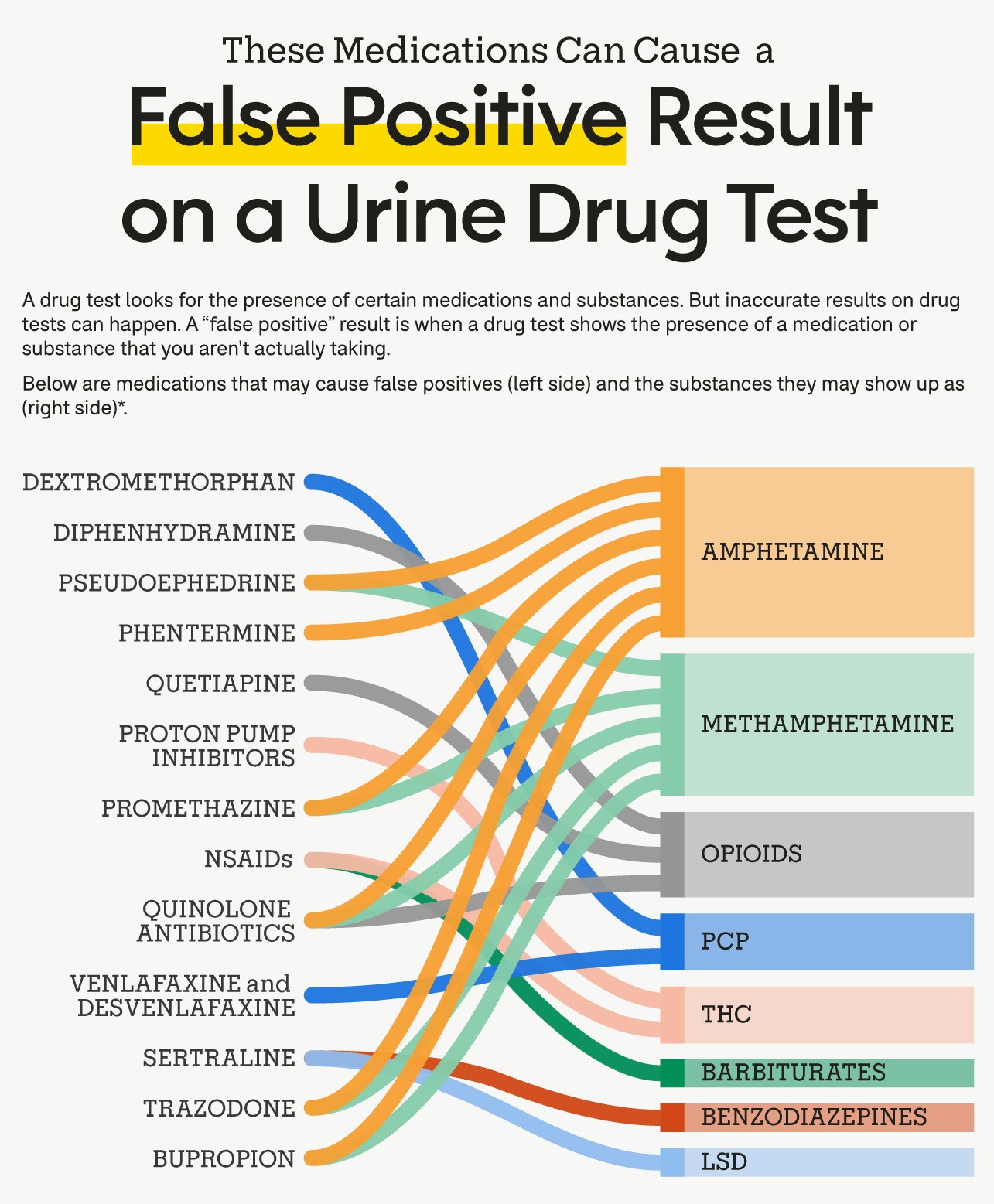
- Which medications cause false positives in drug tests.
These medications, commonly referred to as “legal drugs,” can cause the relevant authorities to detect a positive result during a drug test. According to current regulations, there is no specific distinction made for this group in terms of legal provisions. However, Section 1 of Article 12 states that the fine and loss of points will be waived if it can be demonstrated that these medications were taken as part of a medical treatment. In fact, it specifies that “substances used under a doctor’s prescription and for therapeutic purposes shall be excluded, provided that the necessary conditions for operating the vehicle are met.”
While medications are an effective tool for combating illness, it is important to consider the potential side effects that may affect one’s ability to drive safely.
To identify medications that may result in a positive test for illicit drugs, it is recommended to start with benzodiazepines, such as diazepam; antidepressants, such as Prozac; and antiepileptic drugs, such as clonazepam. According to the National Institute of Toxicology, this trio is often found in drivers who have died in traffic accidents. However, for your peace of mind, in most cases these had been combined with alcohol or other drugs that had amplified their negative effects.
There is a group of over-the-counter medications that can also cause a false-positive result in breathalyzer tests. These include analgesics and anti-inflammatory drugs, such as ibuprofen or naproxen. Similarly, this includes gastric protectants such as ranitidine, various antihistamines, and syrups intended to alleviate the symptoms of the flu or colds, although the latter would show up in a urine test. It should be noted that the most modern medications have virtually no side effects.
If you are certain you have not consumed alcohol or illegal drugs but do not have the corresponding prescription, you should ask the officer to perform a blood test. This will provide clear evidence for the waiver of the fine and the reinstatement of your points.
- Medications that may cause false positives.
If you are taking any of these medications, it is important to note that their ingredients may cause false-positive results for substances such as amphetamines, methamphetamines, methadone, opioids, phencyclidine, barbiturates, cannabinoids, and benzodiazepines.
- Brompheniramine (Ilvico).
- Bupropion (Zyntabac, Elontril).
- Chlorpromazine (Largactil).
- Clomipramine (Anafranil).
- Dextromethorphan (Romilar).
- Diphenhydramine (Bisolvon Antitussive Compositum and others).
- Doxilamine (Cariban, Dormidina, and others).
- Ibuprofen.
- Naproxen.
- Promethazine (Actithiol antihistamine, Fenergan expectorant).
- Quetiapine (Seroquel).
- Ofloxacin (Surnox).
- Ranitidine.
- Sertraline.
- Thioridazine.
- Trazodone (Deprax).
- Venlafaxine.
- Verapamil.
Slide 4. Implications for fleet management.
The consequences are all negative if a driver tests positive in a drug test, ranging from the financial cost of the fine to the loss of points or the suspension of the driver’s license.
The following measures are recommended.
- Driver regulations.
There must be a set of regulations detailing what a driver can and cannot do; one of the points to include is drug use while driving.
It must be stated that testing positive in a drug test is a very serious offense, and the driver must be penalized with suspension from work and pay for a period of time, and may even be fired.
- Driver training.
Drivers must be trained on the effects of drugs on driving, the fact that driving under the influence of drugs is prohibited, which medications can cause a false negative, and the penalties they face if they test positive in a drug screening.
It must be made very clear that the vehicle cannot be used to transport drugs, as it may be impounded and rendered unusable.
- Establish a protocol for action.
A protocol for action must be established in the event the driver tests positive for drugs during a screening.
The driver must be aware that they have the right to a blood or urine test at an official laboratory, and that the result of that test will serve as definitive evidence in any criminal proceedings.
If the driver tests positive during a drug screening, they must contact the fleet manager to report it.
- Determining whether drugs are being used in vehicles.
If you want to determine whether drugs are being used in the fleet’s vehicles, you can hire a specialized laboratory to collect samples from the vehicles for analysis, and they will tell you which drugs are being used in your vehicles.
It is not necessary to test every vehicle; testing a sample is sufficient.
- Defense in cases of positive drug test results.
Driving under the influence of drugs is a crime that carries significant criminal and administrative consequences and requires a rigorous technical analysis. The detection of substances in the body does not automatically imply that a crime has been committed; it is necessary to prove that the substances actually impaired the driver’s ability to operate a vehicle.
Defending these cases requires specialized knowledge in forensic toxicology, criminal procedure, and specific case law regarding road safety. Both challenging the evidence and proving the absence of current impairment require a precise technical strategy.
It is recommended to hire a law firm specializing in the defense of drug-related positive test results, as they have the experience and expertise to develop the best strategy for each case.
- Know which medications can cause a false-negative drug test result.
The fleet manager must know which medications can cause a false negative on drug tests in order to take the necessary legal steps to appeal this false positive.
- Vehicle insurance.
If the accident occurs because the driver is under the influence of drugs that impair their ability to drive, the insurance company will likely refuse to pay compensation.
Slide 5. Thank you for your time.
The class has developed the effects of drugs on driving, administrative and criminal offenses, legal defense strategies, and medications that can cause a positive drug test result during a traffic stop, see you soon.