

Download the audio
- Slide 1. Introduction.
The class develops preheating in diesel engines, how to prevent engine or exhaust system failures, and the implications for fleet management.
- Slide 2. Preheating in diesel engines.
In the engine of any diesel car, glow plugs are a vitally important component, as they enable the vehicle to start properly and optimize engine performance in cold weather.
Faults in the glow plugs can directly affect the performance and condition of other mechanical components in the vehicle.
The care and use of diesel cars remain of vital importance to millions of owners and vehicle fleets. It is important to understand the significance of preheating in diesel vehicles and how to prevent breakdowns that can be costly and affect owners’ mobility.
In modern vehicles, there is usually a light on the instrument panel that indicates the status of the glow plugs. Sometimes, the “Check Engine” light may even come on, underscoring the importance of these small but vital components.
- Why do diesel engines need to be preheated?.
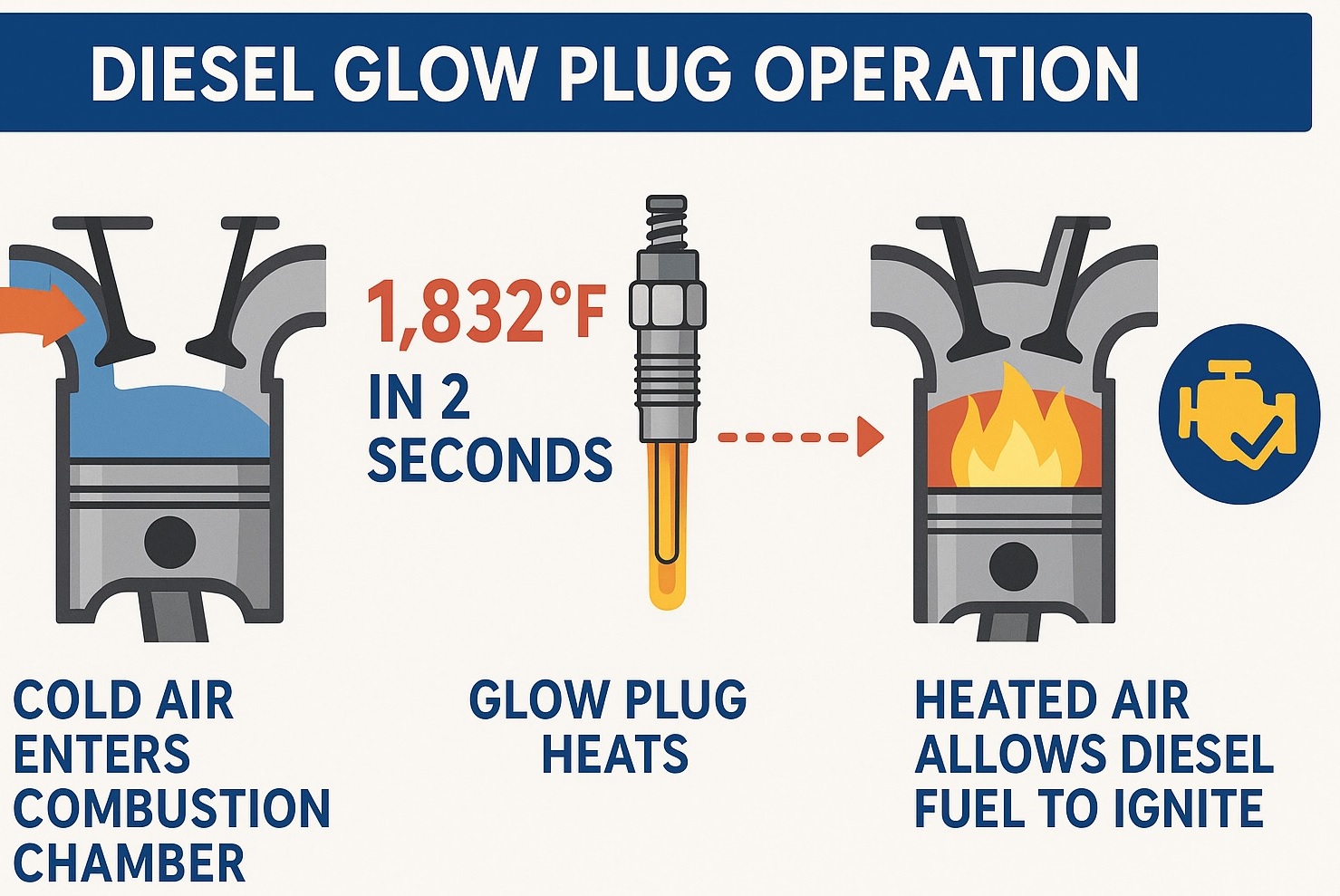
The diesel engine differs significantly from the gasoline engine. Unlike a gasoline engine, a diesel engine has no spark plugs and ignites the fuel solely by applying high temperatures and pressures in the combustion chamber, a process known as “self-ignition.” For spontaneous combustion to occur, a temperature of around 800 to 900 degrees Celsius must be reached in the combustion chamber.
In cold weather conditions, compression heat alone is not sufficient. For this reason, electrically heated glow plugs are used to raise the temperature of the air in the cylinder, thereby facilitating the starting process. The electric glow plugs protrude into the cylinder and are heated for the starting process by an electric current. This process ensures that the autoignition point is reached more quickly. Once the engine reaches the optimal temperature, the system no longer requires the preheating function, and the glow plug remains off.
- To provide heat to facilitate ignition.
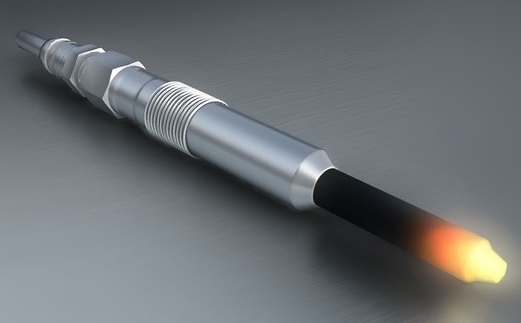
Glow plugs heat the air inside the cylinder to temperatures exceeding 1,000°C, which helps the diesel fuel ignite when mixed with compressed air. Their function is particularly important during the first few seconds after startup, as it reduces smoke and improves efficiency.
- Differences from gasoline spark plugs.
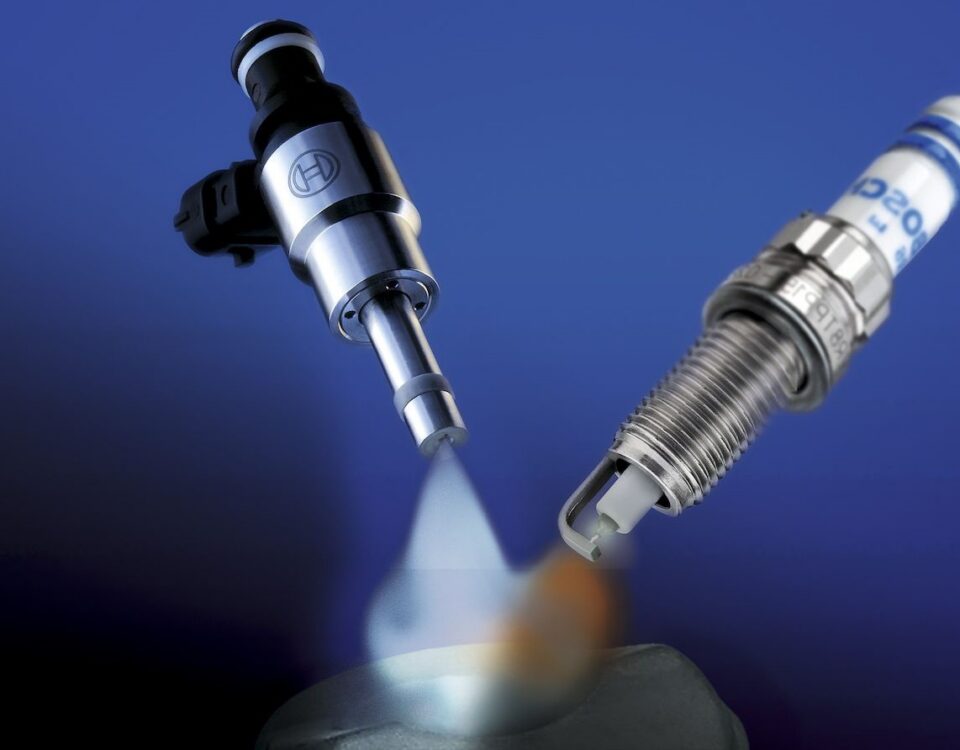
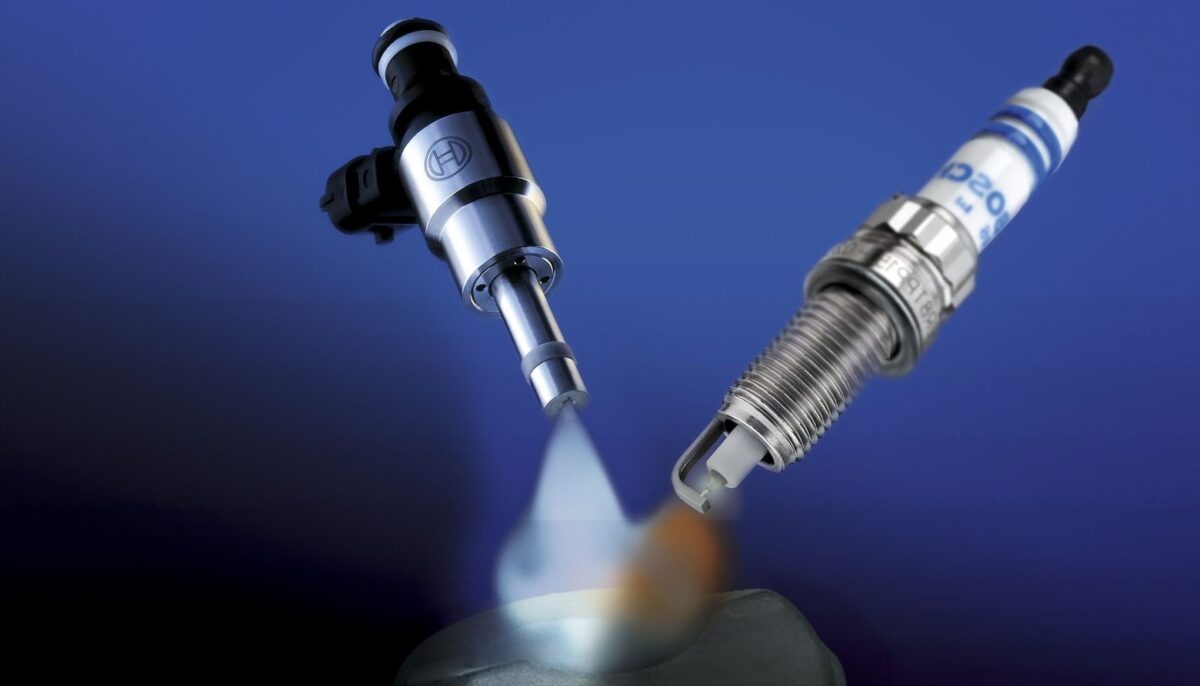
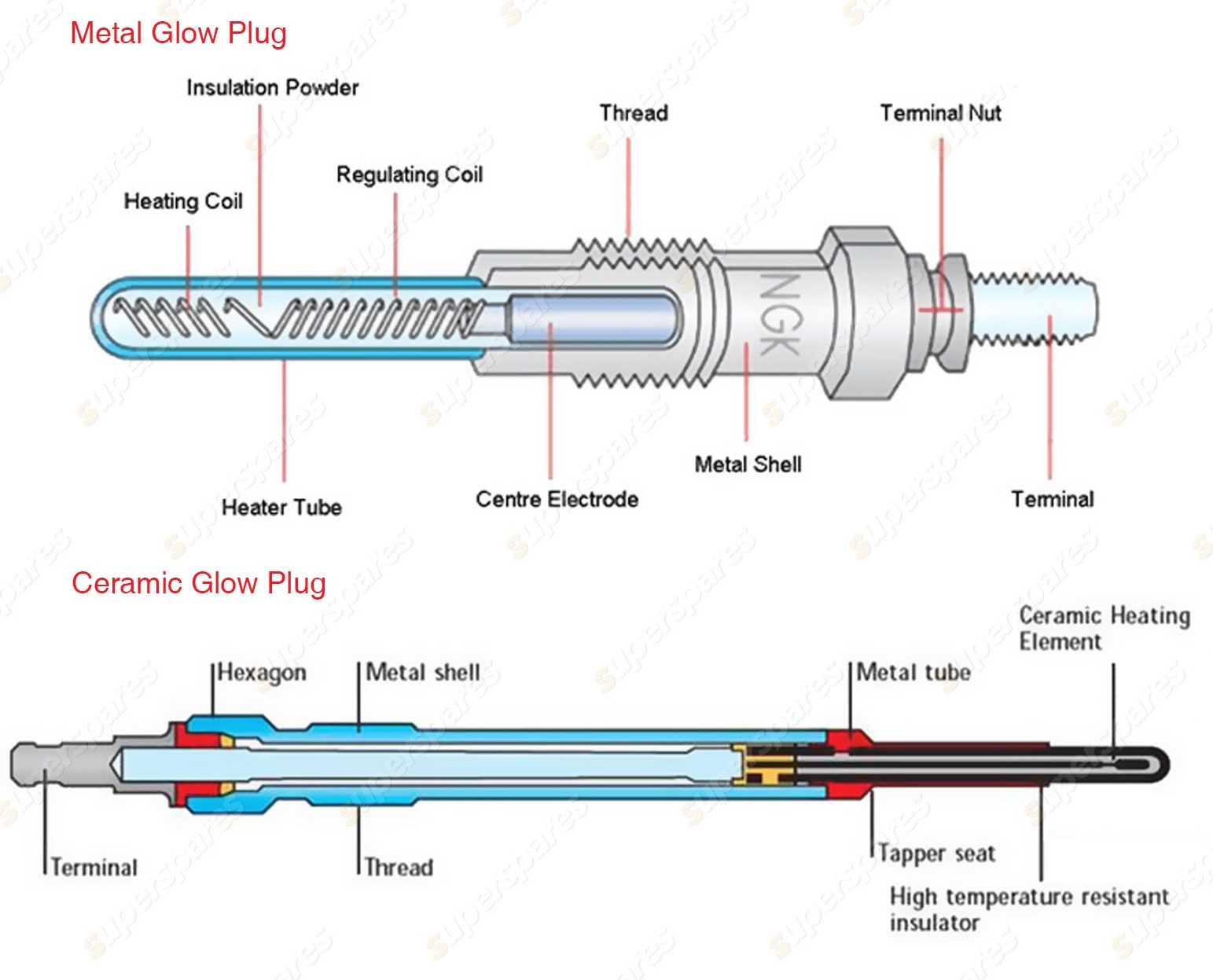
Unlike conventional spark plugs, which produce a spark, glow plugs function as a heating element that generates heat. Their operation is quieter, but just as important.
- Where are glow plugs located?.
They are installed inside the combustion chamber, on the outside next to the engine cylinders, although their exact location depends on the vehicle’s design. In some cases, it may be necessary to remove components such as the intake system or fuel lines to access them. It is best to consult the car’s manual to identify them correctly.
- How preheating works in modern diesel engines.
Modern diesel vehicles are designed to eliminate the wait time associated with preheating, resulting in a more efficient and faster experience for the user. The system’s preheating is activated automatically when the door is opened or the ignition key is inserted.
Direct-injection diesel engines, which are now used almost exclusively, require only a brief preheating period at notably low temperatures immediately before starting the engine. Furthermore, modern glow plugs reach the desired temperatures more quickly than they did a few decades ago, as a result, delays in engine startup have been minimized.
- Faults in the glow plugs.
However, it is crucial to pay attention to certain warnings in the case of a diesel vehicle. When the preheating light is on, the engine is also preheating. This situation is common and indicates that the engine is not yet ready to start.
However, if the preheating light flashes continuously, there is a possibility that a fault has been detected, which may have the following various causes.
- Wear and tear from prolonged use.
Over time, these components can undergo natural deterioration due to the high temperatures and pressures they are exposed to during the heating process, which can reduce their ability to generate heat efficiently.
- Soot buildup.
Incomplete combustion of diesel fuel is considered one of the main causes of failure and can compromise the efficiency of the glow plug.
- Problems with the injectors.
If an injector leaks or sprays fuel poorly, there is a possibility that it will spray a direct jet of diesel onto the glow plug. This situation can cause thermal shock and temperature overload, resulting in the glow plug breaking.
- Faulty electrical connections.
These components can deteriorate over time due to factors such as corrosion, moisture, or general wear and tear. This can result in an intermittent or insufficient power supply to the glow plugs.
- Symptoms of a faulty glow plug.
Deposits resulting from fuel combustion are the main reason these components stop working properly.
A faulty glow plug can produce multiple symptoms.
- Starting problems.
This is the main sign that a glow plug is malfunctioning. These problems occur mainly in cold weather and when there is high humidity. If the glow plug does not generate enough heat, the cylinder will not get hot enough for combustion to begin.
- Poor acceleration.
If one of these components fails, you’ll notice that the car doesn’t accelerate as it should when you press the accelerator. However, other engine problems can also cause this issue.
- Higher emissions.
One of the functions of glow plugs is to reduce emissions and smoke. If you notice very dark or black smoke, it may be due to a faulty glow plug.
- The Check Engine light comes on.
In vehicles that do not have a specific warning light for spark plugs, the Check Engine light will illuminate. An OBD2 scanner will return error code P0380.
- Other issues.
You may hear knocking noises or experience other issues, such as rough engine operation, when the spark plugs fail to ignite the fuel properly.
- How do you check the condition of the glow plugs?.
Manual check with a multimeter
If you have basic mechanical knowledge, you can perform a preliminary check.
- Disconnect the negative battery terminal.
- Locate the glow plugs and remove them.
- Use a multimeter in continuity mode.
- If any show no continuity, they must be replaced.
A single faulty glow plug can affect engine starting and performance.
- How do you replace glow plugs?.
Replacing glow plugs is a task you can perform if you have the right tools and some experience.
- Disconnect the battery.
- Access the glow plugs by removing any necessary components.
- Unscrew each glow plug and carefully remove it.
- Apply lubricant to the threads of the new ones to facilitate installation.
- Make sure to align them correctly before tightening them.
- Ideally, replace all of them at the same time for consistent performance.
- How long do glow plugs last, and how much do new ones cost?.
Generally speaking, glow plugs have a service life that can extend up to 100,000 kilometers or, in many cases, even longer. When a problem occurs, such as poor engine starting in cold weather, it will be necessary to replace the glow plugs. However, it is important to note that poor engine starting can be caused by various factors. A reputable repair shop can provide an accurate and efficient diagnosis.
It is important to note that vehicles used for short trips should have their glow plugs replaced sooner than those used for long trips. Frequent cold starts also cause glow plugs to wear out more quickly.
A diesel engine is equipped with one glow plug per cylinder. In the case of a four-cylinder engine, four units must be replaced. The cost of a glow plug ranges from 10 to 20 euros, while replacement at a repair shop can vary between 150 and 300 euros, depending on the vehicle’s model and engine.
- Problems with the timer control.
The timer on diesel heaters is a critical component in the preheating process prior to starting a diesel engine, as its primary function is to control how long the glow plugs remain lit before the engine is started.
It is important to note that problems with the timer control can arise for various reasons, some of the most common being:
- Ageing of the component.
Electrical components are subject to natural wear and tear due to use and the passage of time, which can result in inefficient operation.
- Presence of moisture or corrosion.
Exposure to these factors can cause problems with the electrical contacts, directly affecting the part’s operation.
- Failures in internal components.
Manufacturing defects or the end of the service life of internal components can cause malfunctions in diesel preheaters.
- Wiring issues.
This problem is usually caused by loose connections, worn, or damaged wires. This can interfere with the timer’s control operation.
To resolve issues with the timer control, you can.
- Conduct a professional diagnosis to confirm the cause of the problem and ensure that the repair to be performed is the correct one.
- If the timer is malfunctioning, it must be replaced.
- In some cases, the timer may not be completely defective, but simply out of adjustment. In such cases, it must be properly adjusted.
- Implications for fleet management.
The main consequence of a glow plug failing is that the engine will not start, and it must be replaced, incurring costs and downtime while the vehicle is out of service.
We recommend implementing the following measures.
- Wear and tear on the glow plug.
Due to wear and tear from use, the glow plug will eventually need to be replaced, causing the engine to fail to start and rendering the vehicle unusable for a period of time.
Glow plugs do not give any warning before they stop working; they fail suddenly. You may find that a glow plug is working fine one moment and then stops working the next time you start the engine.
In my experience, glow plugs are often replaced only after they stop working, which is a bad practice. They should be replaced at the mileage intervals recommended by the vehicle manufacturer.
- Use premium replacement parts.
It is recommended to use glow plugs from premium manufacturers. This is a part that needs to be replaced over time and mileage, and if it fails, the vehicle cannot be used.
- Replacement of all glow plugs.
If a defective glow plug is detected, it is recommended to replace the entire set to ensure uniform heating across all cylinders and avoid repeated disassembly in the short term.
- Driver training.
Drivers must be trained to notify the workshop manager or fleet manager if the preheating indicator light on the dashboard flashes continuously, or if the engine has trouble starting.
In summary, a damaged glow plug can cause misfires, increased fuel consumption, high emissions, and make it difficult to pass the vehicle inspection. Furthermore, forcing the engine to start without the aid of these glow plugs can wear out other components.
Proper maintenance and following the manufacturer’s recommendations will prevent costly breakdowns and improve the vehicle’s overall reliability.
- Slide 3. Thank you for your time.
The class has developed preheating in diesel engines, how to prevent engine or exhaust system failures, and the implications for fleet management, see you soon.