
Download the audio
Slide 1. Introduction.
The class develops the risk factors that cause traffic accidents and the implications for fleet management.
Slide 2. Risk Factors.
Road safety is a matter of vital importance that concerns all road users. From drivers to pedestrians and cyclists, we all have a role to play in ensuring safety on our roads and preventing accidents.
Traffic accidents are a significant concern in our modern societies, as they result in loss of life as well as enormous economic and social costs. Therefore, it is crucial to adopt preventive measures to minimize these incidents. These measures not only save lives but also improve traffic flow and the driving experience.
In a vehicle fleet, the consequences are all negative: from potential injuries to the driver, vehicle passengers, cyclists, or pedestrians, to the cost of repairs and the time the vehicle is out of service.
Some studies point to various risk factors and, in this regard, advocate for prevention by directly addressing these factors. Let’s analyze each of these potential causes to identify actions that can help improve driving safety.
- Human factor: The influence of the driver.
The human factor is the primary cause of between 70% and 90% of traffic accidents. Below, we discuss the risk factors related to the driver.
- Speeding.
The speed at which we drive is a key factor in determining the severity of traffic accidents. The higher the speed, the greater the likelihood of collisions and the more severe their consequences. Additionally, at high speeds, the distance traveled during the driver’s reaction time increases, further complicating the situation.
- Distractions while driving.
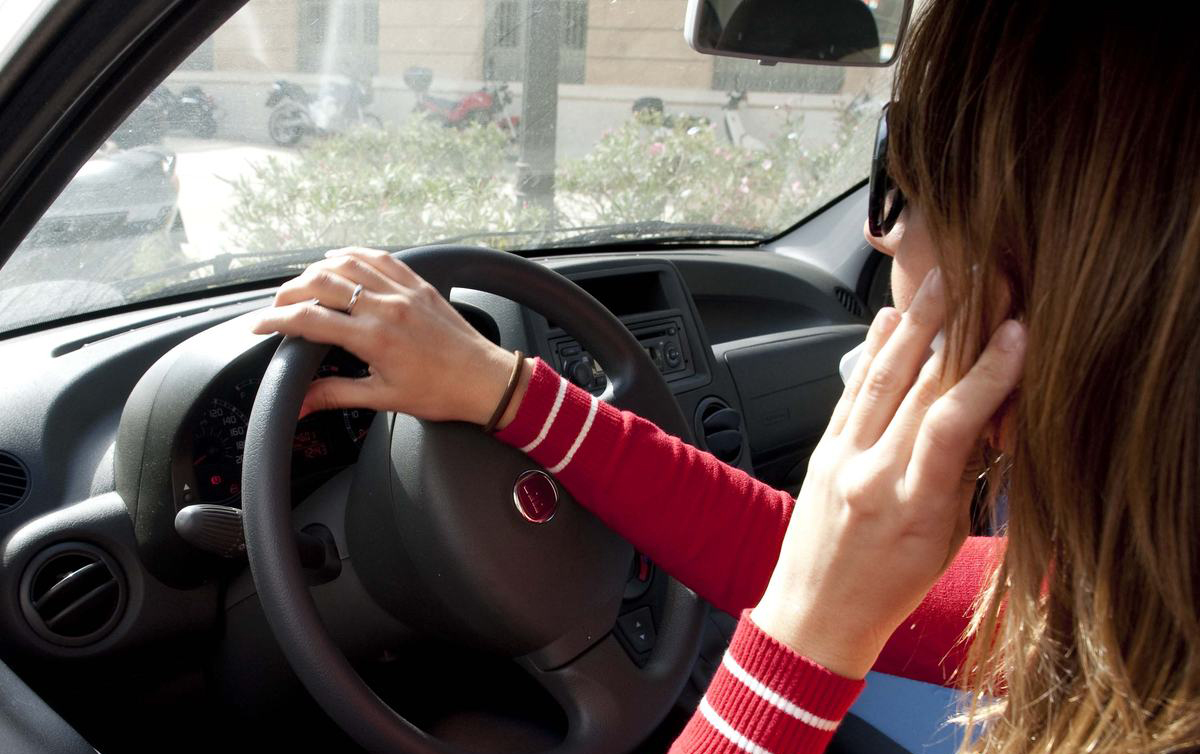
Distractions are the leading cause of traffic accidents.
Using a cell phone, GPS, or music players while driving causes distractions that can lead to serious accidents.
- Fatigue and stress.
Fatigue causes 20% of accidents involving professional drivers.
We should not set out on a trip if we have not rested and slept enough, as fatigue and reduced concentration are enemies of safe driving. Taking a break every two hours on long trips, for example, can help reduce fatigue. Likewise, planning our trips in advance will minimize the stress associated with driving.
- Violating traffic laws.
Ignoring traffic signs, red lights, yield signs, and other traffic rules increases the risk of causing or being involved in collisions and dangerous situations on the road.
- Age and experience.
A lack of experience is natural among younger drivers, which means they may not drive as safely as they could. Additionally, older drivers are among the population segment most prone to traffic accidents due to age-related factors, as they can easily lose concentration and experience a decline in their driving abilities and reflexes.
- Alcohol and drug use.
This is another leading cause of traffic accidents, as it impairs concentration and reaction time. Some medications can have effects similar to those of drugs, so you should read the package insert carefully and consult your doctor.
- Obeying traffic signs.
Traffic signs are essential for maintaining order and safety on the roads. Their purpose is to guide drivers and pedestrians to ensure a safe and orderly flow of traffic. Obeying them is crucial, as a single violation can have fatal consequences.
Every driver must understand and follow all traffic signs, from speed limits to yield signs.
- Maintain a safe following distance.
You must maintain a safe following distance from the vehicle ahead so you can react in time in case of sudden braking or emergencies. This distance should be greater at higher speeds and in adverse weather conditions to ensure there is always enough space to stop without colliding with the vehicle ahead.
- Vehicle factors.
- Lack of maintenance: A preventable risk.
Some details that may seem simple or irrelevant are crucial when it comes to preventing accidents, such as brake fluid levels, tire pressure, tire quality, and a lighting system in optimal condition.
- The use of active safety devices.
The incorporation of safety features, such as airbags and ABS, has been instrumental in reducing traffic accidents, as their purpose is to prevent collisions and protect occupants.
- Safety features in the event of an accident.
When stopping your vehicle on the road, it is essential to properly set up the V16 warning beacon, place out emergency triangles, and wear reflective vests to prevent accidents by ensuring you are visible from a distance.
- Vehicle age.
Older cars often lack the latest active and passive safety systems and are more likely to be involved in a traffic accident.
- Improper or poorly distributed cargo.
Excess weight or poor distribution can destabilize the vehicle and cause it to lose traction.
- Road factors.
- Road conditions and proper maintenance.
Road maintenance and upkeep are other factors that must be considered among those that can contribute to accidents. Some highways and roads have flaws in their construction and design, and their layout can be the cause of accidents.
- Road design.
Dangerous curves, complex intersections, or grade changes with poor visibility.
- Faults in road signage.
Poor or hard-to-see signage causes confusion and increases the risk of accidents.
- Road construction.
Construction zones can be confusing, and warnings are often not given far enough in advance. That said, if you see an orange zone, stay alert. Always obey the posted speed limits, even when no workers are present, and pay special attention to your surroundings. If you’re confused, chances are other drivers are too.
- Animals on the road.
Animals on the road can cause serious accidents, especially at night or on secondary roads with poor visibility.
- Environmental and weather factors.
- Adverse weather conditions.
Heavy rain, fog, snow, or strong winds reduce visibility and make the road surface more slippery.
- Night driving and associated hazards.
Driving at night increases the risk of accidents due to reduced visibility and fatigue.
- Implications for fleet management.
The main consequence of a traffic accident is potential injury to the driver, vehicle passengers, cyclists, or pedestrians, in addition to repair costs and the time the vehicle is out of service.
The following measures are recommended.
- Cell phones.
Between 70% and 90% of accidents are caused by driver distraction. The main distraction is using a mobile phone while driving.
The use of mobile phones while driving must be prohibited; in Spain, it is also punishable by a fine and loss of points on the driver’s license.
It is essential to promote the use of hands-free technology and avoid any interaction with mobile devices that could compromise your attention on the road.
If your vehicle does not have a hands-free system, pulling over to a safe location to use your phone is always the safest option.
- Driver training.
The main measures for preventing traffic accidents must be implemented with drivers.
Drivers must be trained on how to prevent accidents, road safety, safe driving, what to do in the event of an accident, what they can and cannot do, the use of cell phones, performing a vehicle check before use, and the use of medications, drugs, or alcohol, etc.
- Technology.
In the European Union, many Advanced Driver Assistance Systems-ADAS are mandatory in new vehicles, but in my experience working with fleets, ADAS are not typically purchased as an option to prevent accidents.
ADAS can be added as an option before purchasing the vehicle; it is recommended to include ADAS to prevent traffic accidents.
- Speeding.
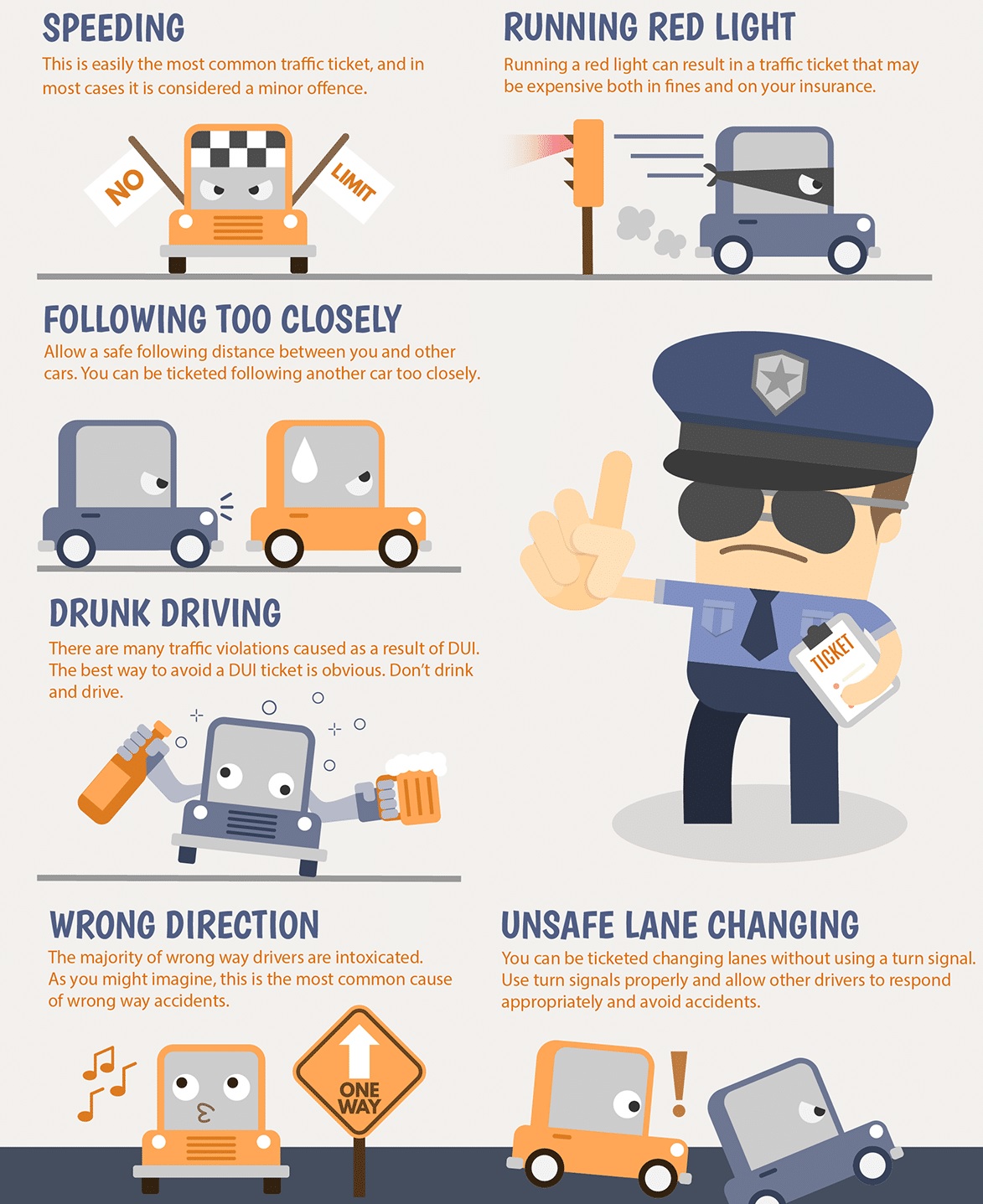
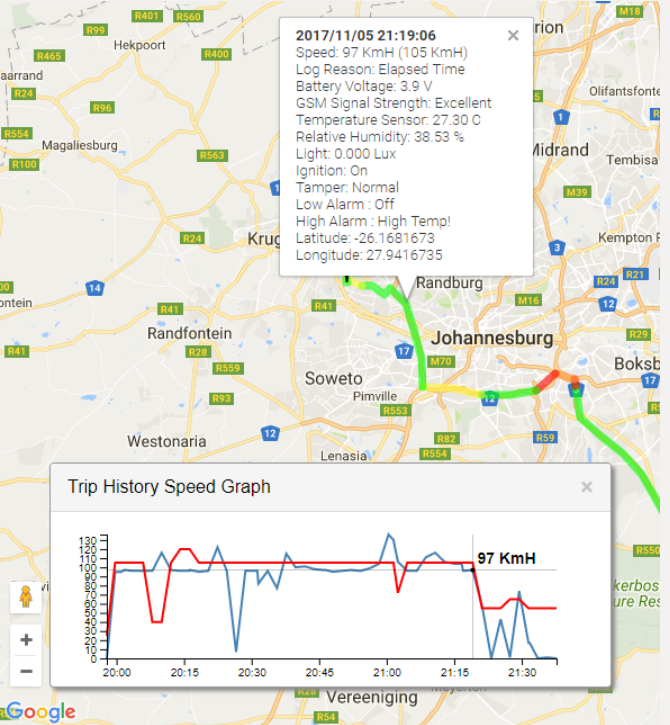
Speeding above the posted speed limit is one of the leading causes of traffic accidents. If we use telematics and the driver has a tablet or smartphone, the system displays the speed limit for the road they are traveling on. It also displays the speed limit if the driver is using Google Maps or a similar app.
To monitor whether the driver is exceeding the speed limit in real time, telematics must be used; an alert must be set up to notify us whenever the driver exceeds the speed limit. If the driver consistently exceeds the speed limit, it is recommended to call them to inform them not to do so and that their speed is being monitored.
A speeding report must be implemented, and a meeting should be held with the driver to review the results and prevent them from exceeding the speed limit.
In Spain, in addition to the risk of an accident, driving above the maximum speed limit carries a fine and, in some cases, the loss of points on the driver’s license.
- Telematics.
Some ADAS features, such as cameras that measure the distance to the vehicle ahead, can be integrated with telematics, providing a wealth of information about the driver’s safety-conscious driving habits and generating a driver safety profile.
This includes how the driver brakes and accelerates, safety distances, how the driver uses the vehicle’s momentum, and so on.
- Fatigue.
Fatigue causes 20% of accidents among professional drivers.
If the vehicle has a tachograph, legal driving and rest times must be adhered to.
If the vehicle does not have a tachograph, breaks must be planned, such as taking a break every two hours.
- Medications and drugs.
The use of certain medications and drugs can cause side effects such as drowsiness, fatigue, and loss of concentration, which can lead to an accident.
Before taking any medication, consult your doctor to determine if it could affect your ability to drive. In Spain, it is illegal to drive while under the influence of medications.
The use of drugs before or while driving is prohibited.
- Alcohol.
Alcohol consumption causes drowsiness, fatigue, loss of concentration, etc., which can lead to an accident.
It is prohibited to consume alcohol before or while driving.
In Spain, this carries a fine, loss of points, and in some cases, even prison sentences.
- Maintenance.
The vehicle must be in perfect working order; maintenance must be performed according to the manufacturer’s instructions and within the specified time frame.
- Vehicle inspection.
Before using the vehicle, the driver must check certain mechanical components such as tires, seat belts, bodywork, etc. This checklist can be printed or accessed via an app on a smartphone or tablet.
- Road conditions.
A road with potholes, poor signage, or sinkholes, etc., can cause accidents; it is recommended to avoid these roads.
- Secondary roads.
Most accidents occur on secondary roads; it is recommended to avoid secondary roads and use highways or expressways whenever possible.
Pay attention to high-risk areas such as animal crossings, pedestrians, cyclists, construction zones, on-ramps, and sections with high accident rates; these require extra caution.
- Tolls.
Toll roads are highways or expressways; use them to avoid secondary roads.
The use of tolls increases productivity, reduces accidents, and causes less wear and tear on vehicles, among other benefits, but they come at a cost.
The use of tolls is recommended even though they come at a cost.
- Adverse weather conditions.
Certain weather conditions, such as fog, heavy rain, crosswinds, snow, etc., make driving difficult or impossible.
The consequences include low visibility, loss of traction, and the vehicle sliding sideways, etc.
It is recommended not to drive until weather conditions are suitable for driving.
- Loading and securing.
Improper placement of cargo or packages can cause them to shift, destabilizing the vehicle and potentially causing an accident.
Cargo or packages must be properly placed and secured in the vehicle to prevent shifting. There are many regulations that outline how to do this; it is recommended that you consult them.
- Air conditioning.
Air conditioning is a safety feature; driving in high temperatures can lead to a lack of concentration on the road, discomfort, headaches, etc., so it is recommended to purchase vehicles equipped with air conditioning.
In summary, traffic accidents must be addressed comprehensively, taking all aspects into account: human behavior, the condition of vehicles, and road infrastructure.
- Slide 3. Thank you for your time.
The class has developed the risk factors that cause traffic accidents and the implications for fleet management, see you soon.