
The risks of working in electric vehicle workshops
The handling of the mechanics of a hybrid or electric vehicle significantly transforms the dynamics of a repair shop. A seemingly routine breakdown requires specialized knowledge of high voltage, specific tools, and strict safety protocols that are not applied to traditional vehicles. In this sense, traditional workshops face a major challenge, where workplace risk prevention and the incorporation of cutting-edge technology are determining factors for ensuring the viability of the business.
Added to this technical transformation is significant economic pressure and the massive influx of new Chinese brands into the market. While government agencies encourage the purchase of these efficient vehicles, independent workshops must make investments of thousands of euros without significant institutional support. This situation has led to an increase in maintenance costs and the creation of extensive waiting lists, which ultimately end up being borne by the drivers themselves.
High voltage drives up the bill before it even begins.
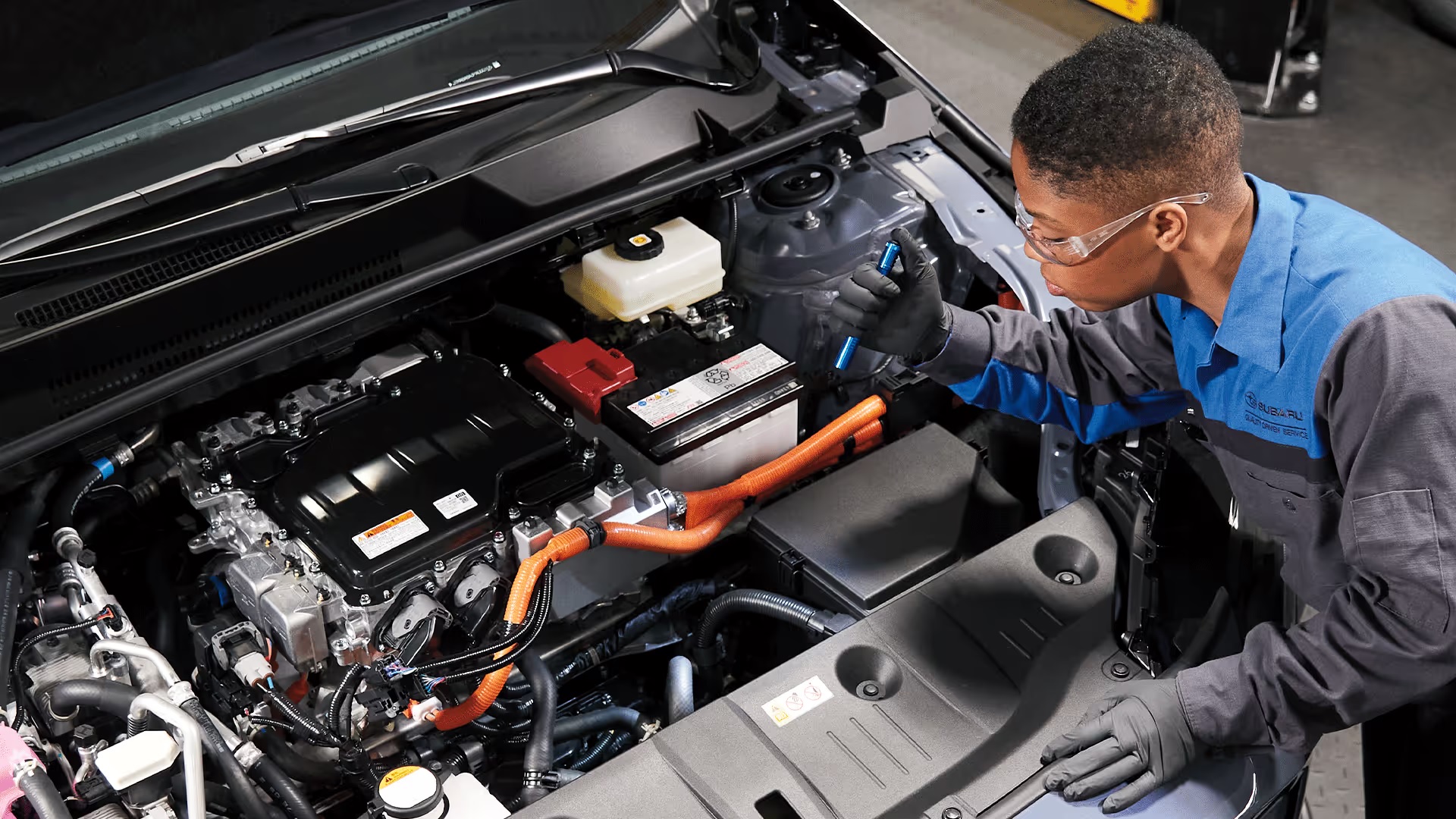
The cost of upgrading a workshop is considerable. In an interview with Coches.net, Juan Carlos García, director of the technical area at ASETRA, explains that the electrification process requires highly specialized training, updated diagnostic equipment, insulated tools, and clearly defined work areas. In this regard, according to the Castellón Plaza newspaper, the Fevauto association estimates the cost of safety equipment to be between 5,000 and 6,000 euros.
The commitment is evident: a recent Telemadrid report revealed that the Natram Workshop in the capital has invested 8,500 euros. To these amounts must be added the almost mandatory acquisition of lifts capable of supporting weights between 4,000 and 5,000 kilos.
Furthermore, working with such high voltages carries a lethal risk if mistakes are made. Fernando Valle, president of Fevauto, warns in the Castellón-based media outlet that incorrectly disconnecting an electric car can cause severe electric shocks. Likewise, if a battery arrives damaged, the vehicle must be isolated outside the premises, as there is a risk of sudden fire.
Outdated facilities and a bureaucratic labyrinth.
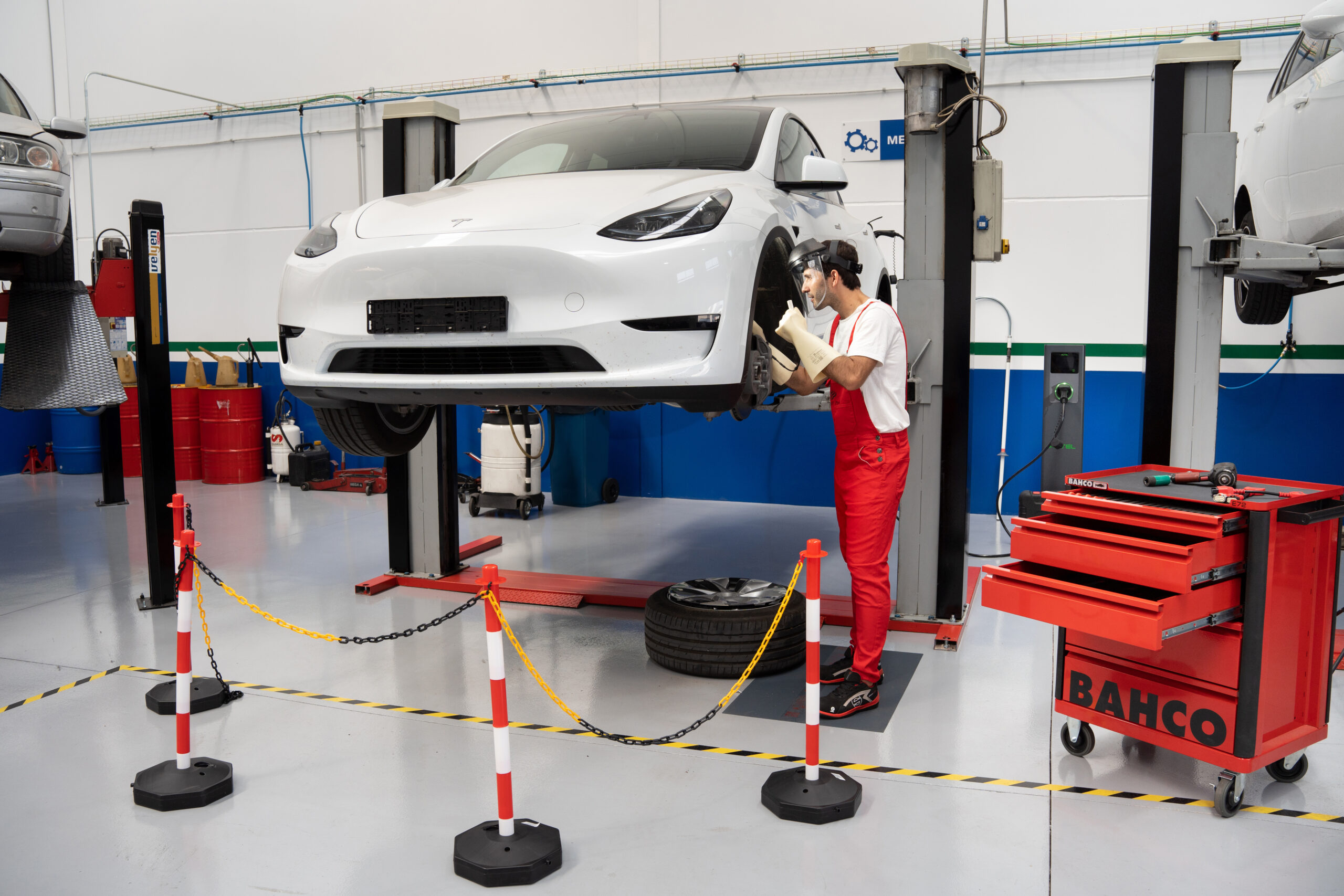
The physical adaptation of the workshop to all these aspects presents a challenge for many. Manuel Vidal, manager of Vimar, stated in the newspaper La Voz de Galicia that, to offer these services, "it would be necessary to abandon its current location in Ribeira, due to the lack of space to demarcate the risk zones." Others, meanwhile, require increasing their contracted electrical power or installing more complex fire suppression systems.
Regarding administrative management, there is a clear increase in accreditation requirements, such as the European SERMI certificate, which becomes essential from 2024 onwards for independent professionals to access manufacturers' electronic information concerning anti-theft systems, key programming, electronic locks, and security software.
These barriers justify the significant inequality currently present in the sector: the workshop association ASETRA estimates that barely 30% of workshops have the necessary training to carry out basic electrical work, while data from Posventa Plural places the proportion of workshops with a professional charging point at 22%, which equates to about 8,800 of the nearly 40,000 workshops in Spain. However, it is important to emphasize that the mere presence of a charger at the door does not guarantee the ability to open and repair the inside of a battery.
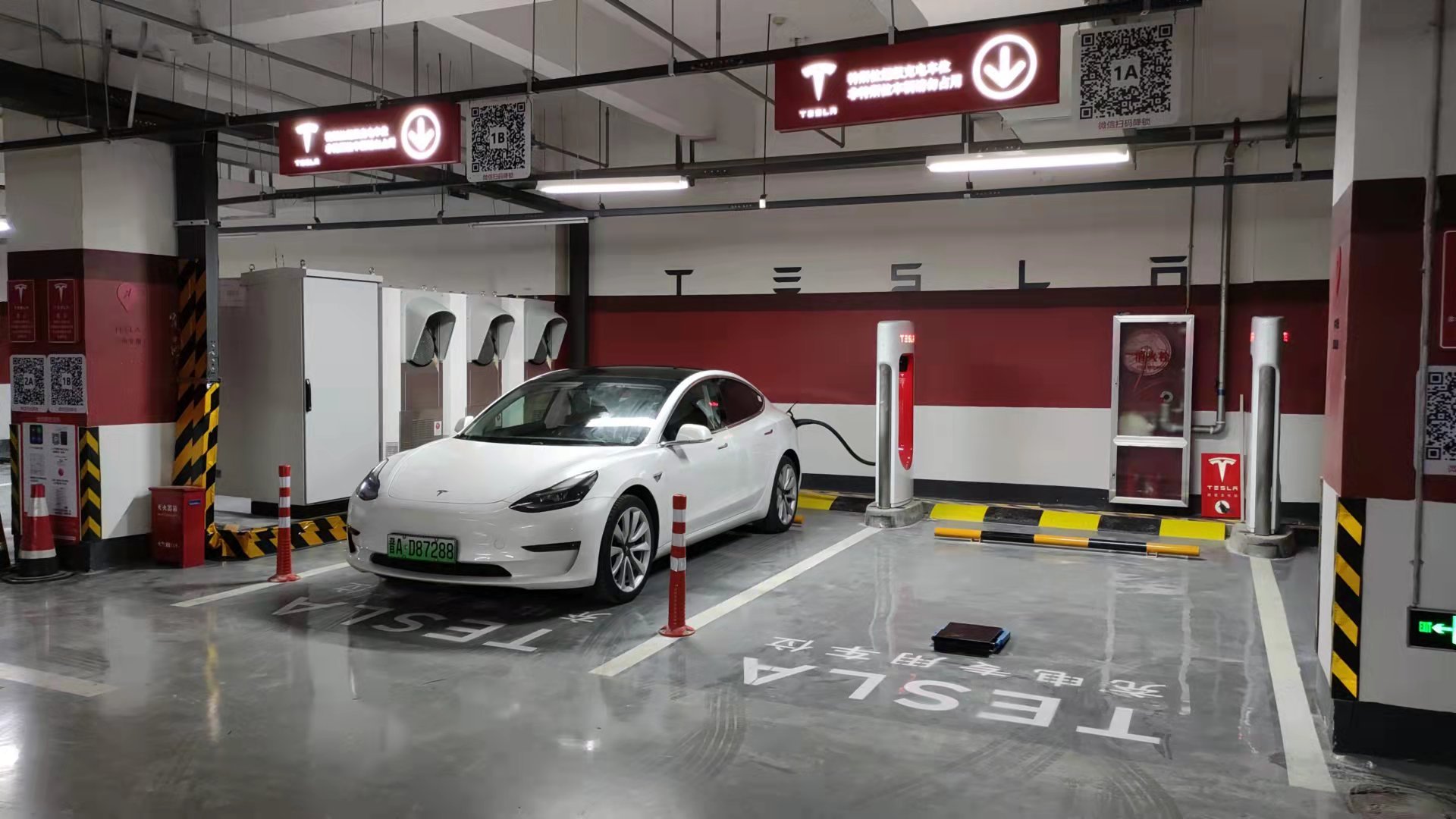
The Asian influx is clashing with the lack of replacements.
This critical situation, exacerbated by a shortage of qualified professionals, is directly affecting the sector. According to Fernando Valle, "the backlog is already generating waiting lists of between three and four months," which means that official service centers are taking on repairs that local workshops cannot handle.
In this regard, the Recomotor platform notes that inquiries for parts for these vehicles have increased by 214% over a twelve-month period, indicating that they are reaching their first maintenance cycles and require repairs and/or maintenance. Meanwhile, there has been a significant increase in workload, driven by the remarkable growth of Chinese manufacturers. These manufacturers registered a total of 75,024 passenger cars in Spain during the first half of 2016, representing a market share of 12.3%, according to data provided by the industry association ANFAC.
Those who manage to adapt demonstrate an exceptional level of commitment, independently taking risks. A notable example is Martín Redondo, owner of a multi-brand center in Outes, who has meticulously prepared for these engines. In an interview with La Voz de Galicia, Redondo explains how he was forced to install photovoltaic panels to achieve 100% self-sufficiency in order to avoid unsustainable electricity bills.
For this reason, professionals like Germán Palomas, president of the Gremi de Tallers (Gremi de Tallers), are requesting that public subsidies for sustainable mobility be permanently provided to mechanics. Ultimately, charging infrastructure alone is not enough; specialized personnel are required to guarantee its optimal operation.