

The World's First Solar-Powered Ambulance
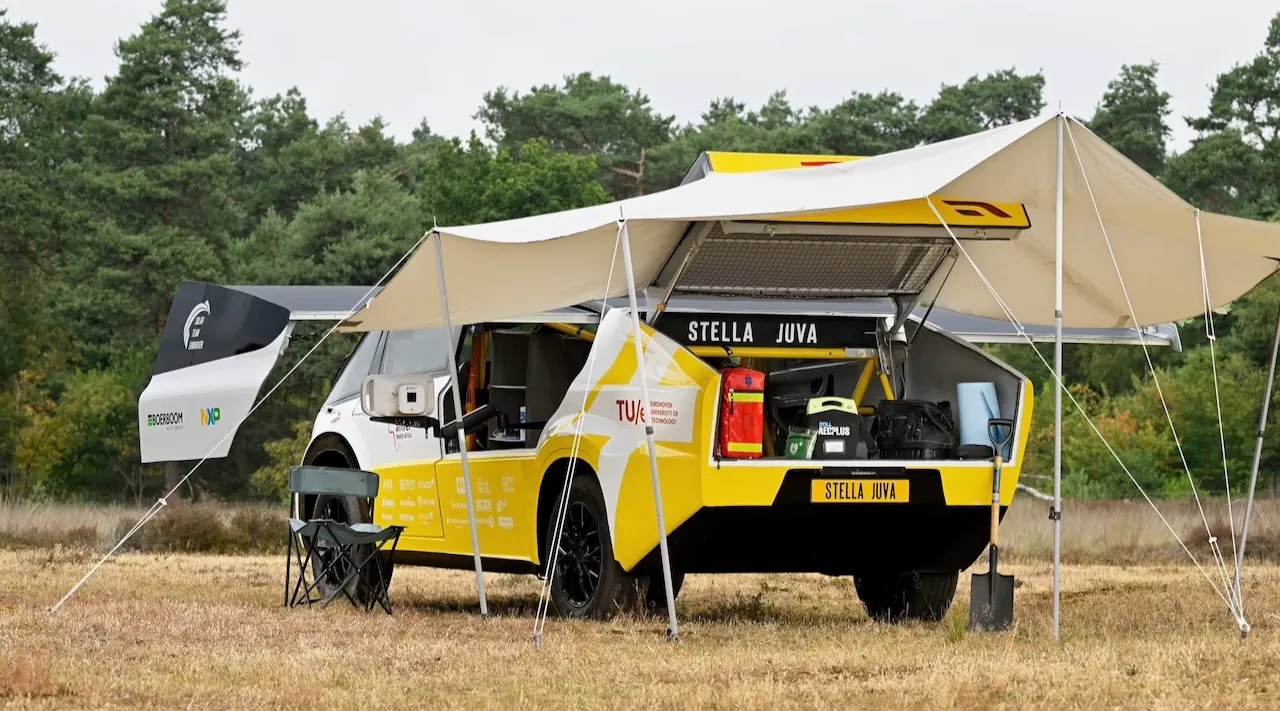
Sustainable mobility has found a new application beyond transporting people or goods. A group of students from Eindhoven University of Technology (Netherlands) has developed Stella Juva, a prototype electric ambulance powered by solar energy. This vehicle is designed to provide healthcare in remote areas where access to electricity, fuel, or medical infrastructure is very limited.
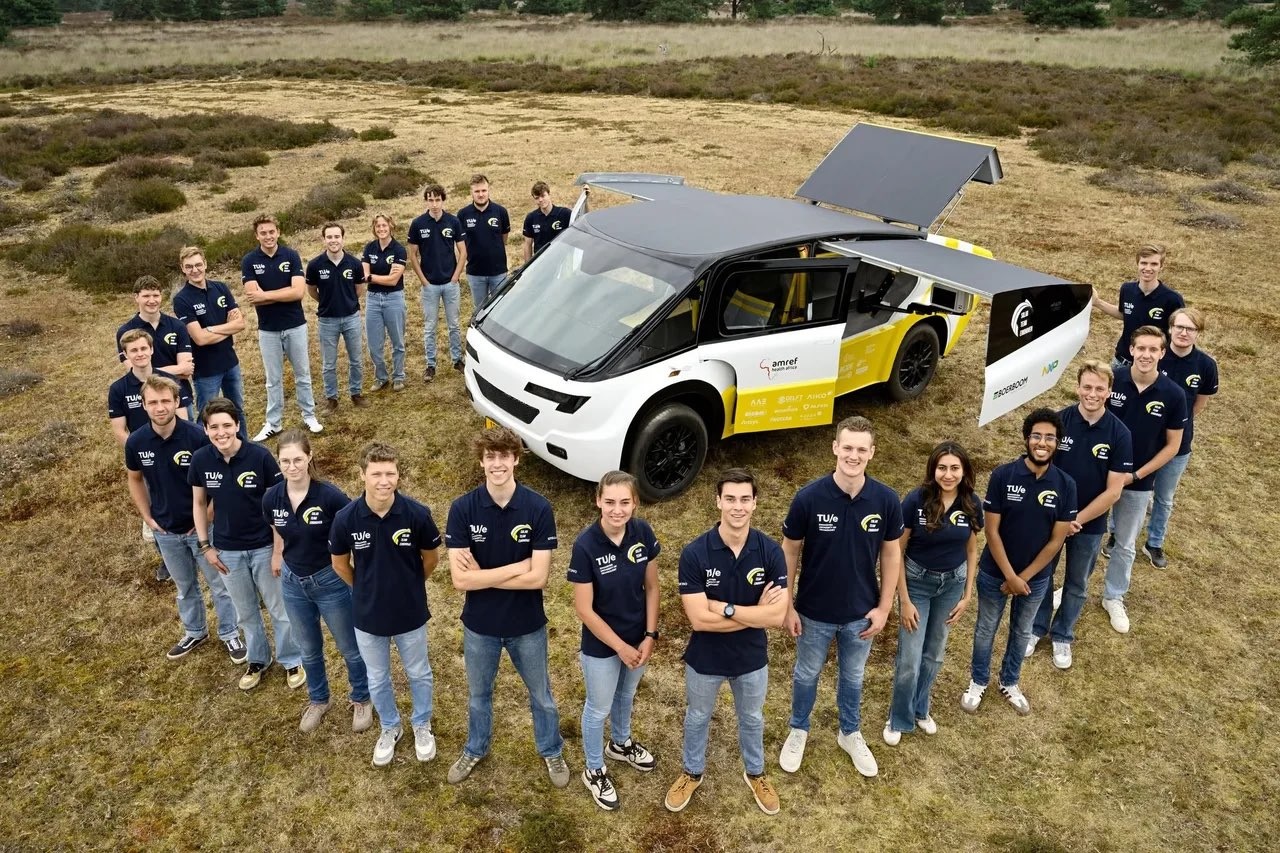
The project, presented by Solar Team Eindhoven, aims to demonstrate that photovoltaic technology can contribute to improving access to healthcare in isolated regions. Yarno Basten, Head of Partnerships at Solar Team Eindhoven, explains: “Our goal is to inspire healthcare professionals, businesses, and other organizations to generate social impact through technology. If 23 students can achieve this in just one year, it demonstrates the potential of collaboration between the technology industry and social organizations.”
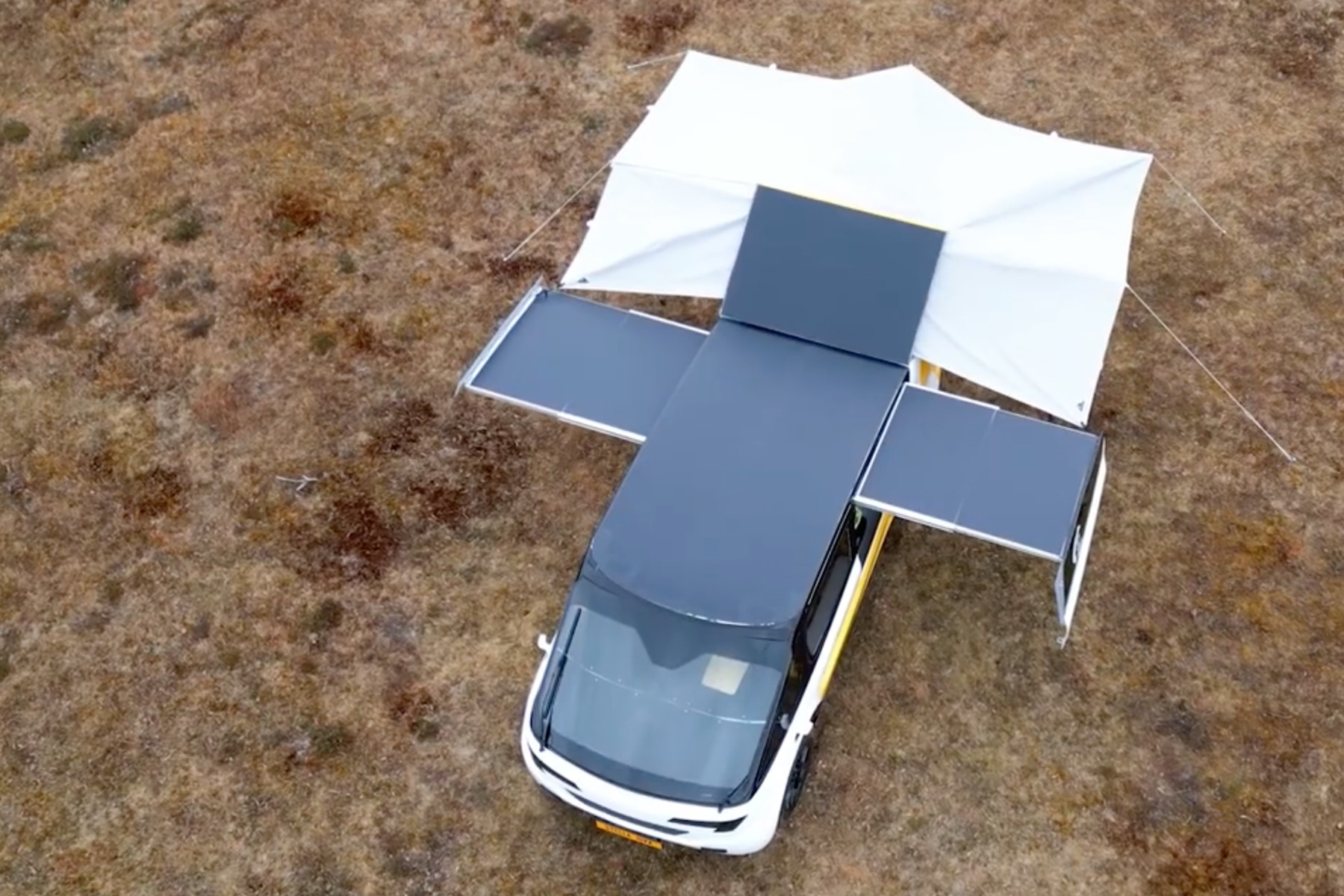
Up to 715 km of range.
The vehicle has been designed as a mobile clinic, adapted to traverse challenging terrain while simultaneously providing electricity to both its propulsion systems and the medical equipment it carries. To achieve this, a large array of solar panels has been integrated onto the roof, along with a high-capacity battery that allows the system to remain operational even at night or when solar radiation is insufficient. Under optimal conditions, the prototype can achieve a range of up to 715 km and a top speed of 120 km/h, figures intended to ensure its usefulness for long-distance transport between populations with limited healthcare resources.
The project's objective is not limited to patient transport; it also involves providing medical care in areas lacking permanent health centers. The Stella Juva is equipped with a comprehensive arsenal of medical devices, including an automated external defibrillator, a portable X-ray machine, an ultrasound scanner, and other critical instruments for performing basic diagnoses and treatments, without requiring a connection to the main electrical grid. All this instrumentation has the ability to be powered directly by the energy generated by the solar panels, making the vehicle a completely autonomous unit with regard to its energy supply.
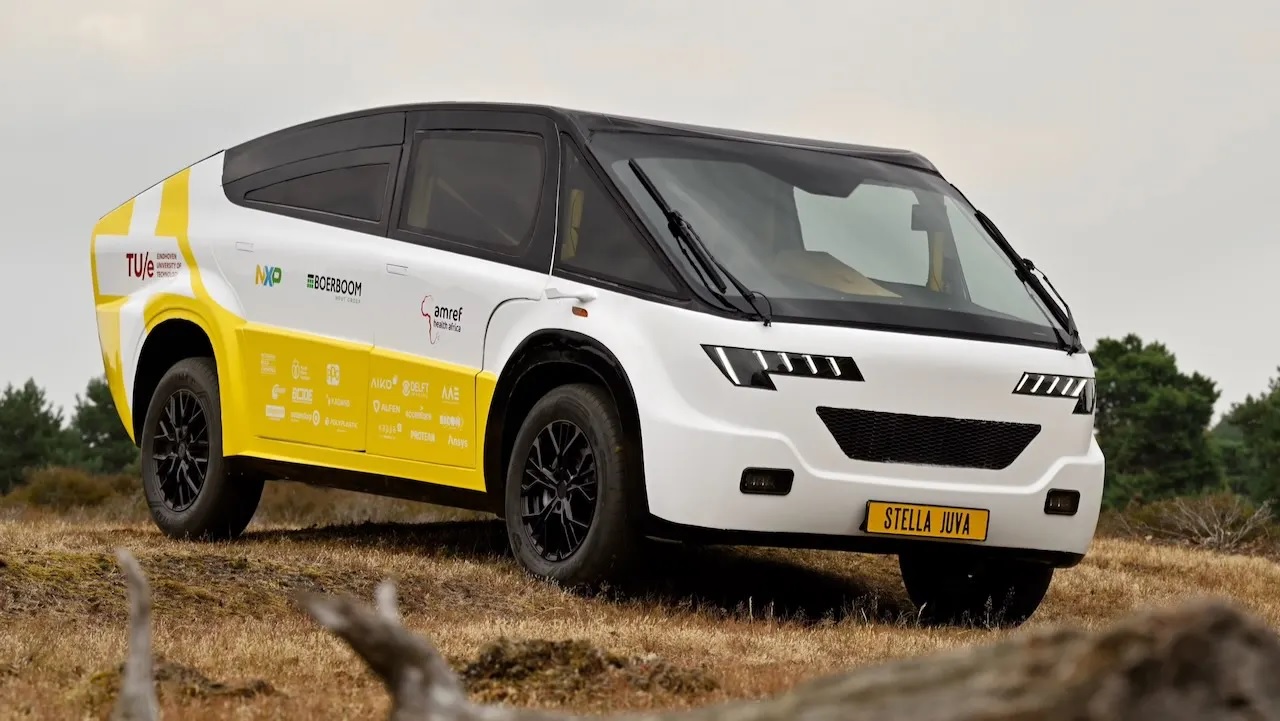
A vehicle designed for developing countries.
This initiative is presented as a response to a situation affecting numerous developing countries, where millions of people live several hours away from the nearest hospital and conventional ambulances face operational challenges due to poor road conditions, fuel shortages, or the lack of electric vehicle charging points.
Once the presentation is complete, the next step will be to evaluate the vehicle's performance under real-world conditions. The prototype is scheduled to be in Kenya during August to undergo a testing program in collaboration with Amref Health Africa, recognized as one of the continent's leading healthcare organizations. There, its ability to travel on unpaved roads, transport patients, continuously power medical equipment, and maintain energy autonomy for full workdays far from any electrical infrastructure will be assessed.
Project
leaders believe these tests will validate not only the vehicle's technical
performance but also the potential of solar energy as a tool to improve
healthcare in resource-poor regions. The purpose of this analysis is to examine
the system's response under real-world conditions of load, temperature, road
conditions, and use of medical equipment.
Femke
Maurits, Amref Health Africa Representative in the