

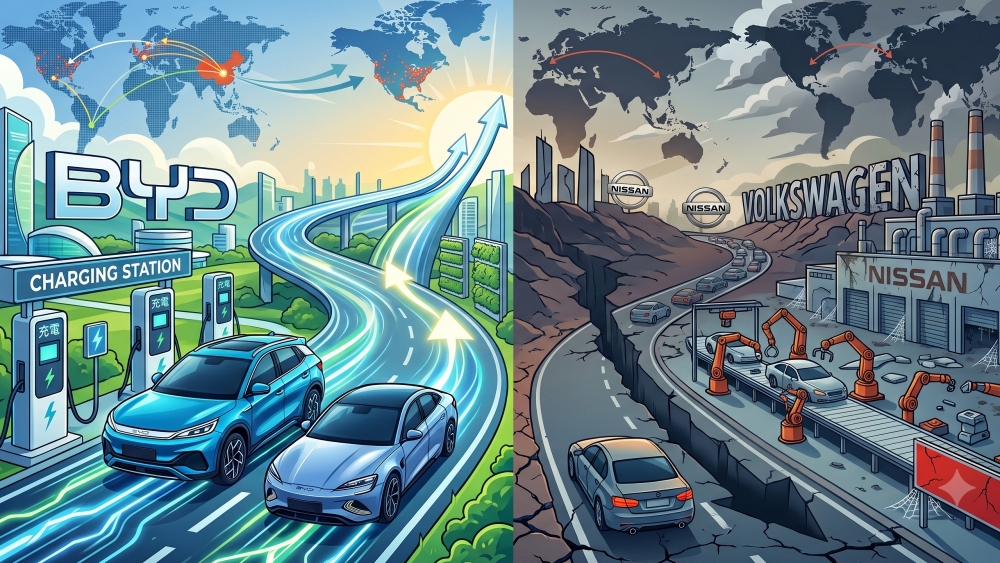
Traditional Car Manufacturers That Have Lost the Most in Europe to Chinese Brands
The European automotive market, characterized by its stability, has undergone a remarkable transformation with the arrival of numerous Chinese brands and vehicles. Month after month, there is a clear increase in the market share of brands like MG, BYD, SAIC, and Geely, in contrast to Europe's apparent inaction in safeguarding its own industry. However, sales remain stable, indicating that while some players in the sector are experiencing gains, others are registering losses. Significant changes are occurring in sales figures across the region, including in Spain. Currently, one in four electric cars registered in Spain originates from China. The conquest process has only just begun.
The trade war waged by China in recent years is starting to have repercussions in Europe. The rising cost of living and inflation, reaching unprecedented levels, have generated considerable interest among European drivers in a wide range of Chinese products, recognized for their attractive value for money. During their first years of operation in Europe, Chinese brands did not achieve a prominent market position. However, they have now managed to match the technology and quality of their European counterparts, offering a significant price advantage.
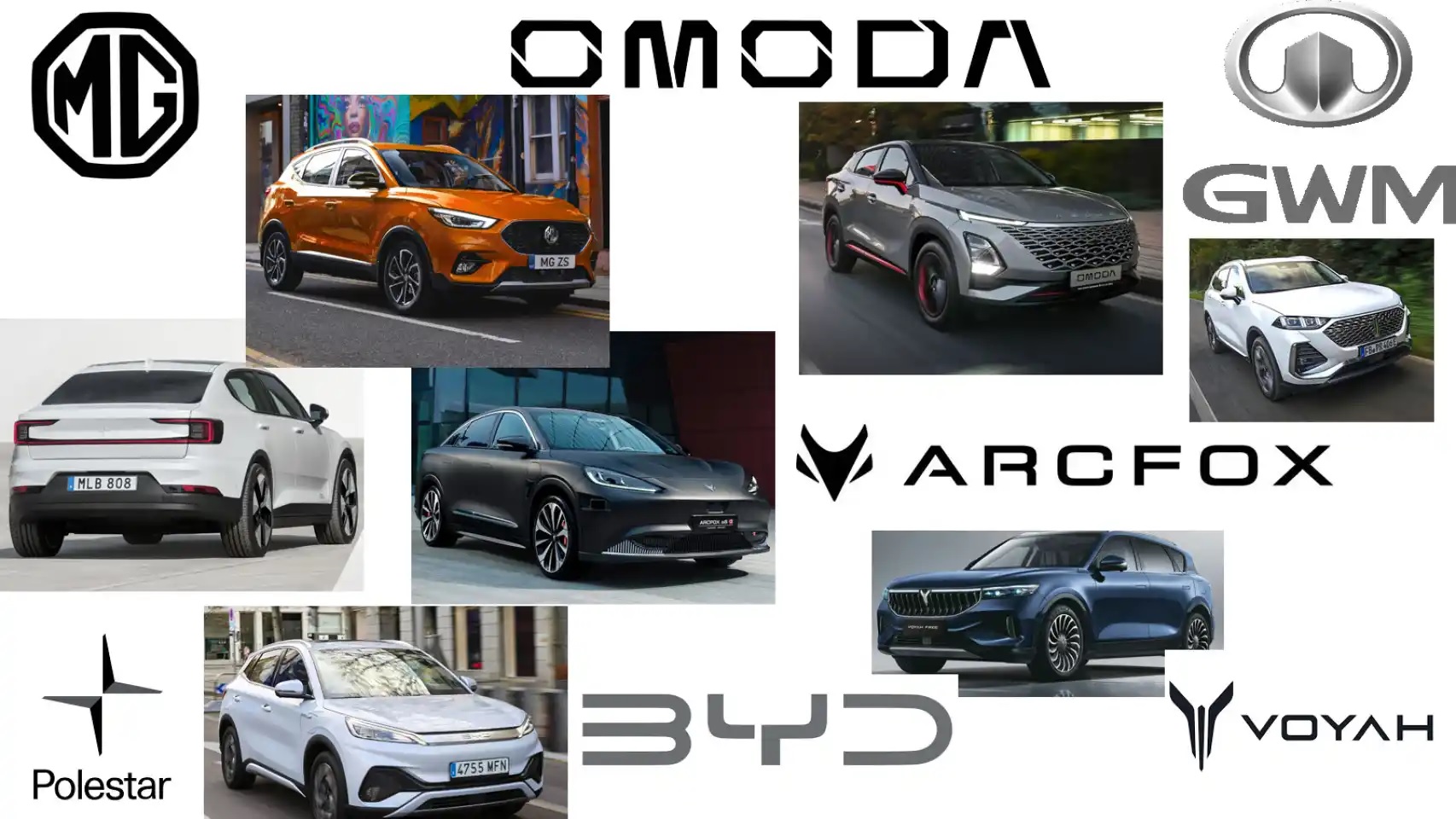
The leading Chinese automakers in Europe.
Regarding brands that have increased their market presence, the remarkable growth of Chinese manufacturers, who have focused their strategy on electric vehicles, is noteworthy. Firms established in the production of hybrid and pure electric passenger cars have captured a substantial share of the market, thanks to the high efficiency of their powertrains and a rate of product line updates unprecedented in the traditional industry. Traditional brands face significant challenges to remain competitive within the context of large Chinese conglomerates. An analysis of the evolution of European drivers' purchasing policies over the last five years demonstrates the rapid pace of change. In 2021, the SAIC Group was the most prominent player in the Chinese business landscape, primarily thanks to its MG brand. Its market share was 0.3%. Now, five years later, SAIC accounts for 2.5% of sales in the European market. However, the cases of BYD and Chery are even more significant. In 2021, these companies had no market share whatsoever. However, by 2026, they had each achieved a 2.4% market share. To these figures must be added the arrival of other relevant players in the sector, such as Leapmotor (0.8%) and XPeng (0.3%).
The success of these manufacturers is based on rigorous control of the entire supply chain, encompassing everything from raw material processing to the final assembly of battery cells and traction motors. This vertical integration allows us to offer models with a higher level of performance and combined power at significantly more competitive prices than those of established brands, even when electric cars manufactured in China face tariffs of up to 35% from the European Union.
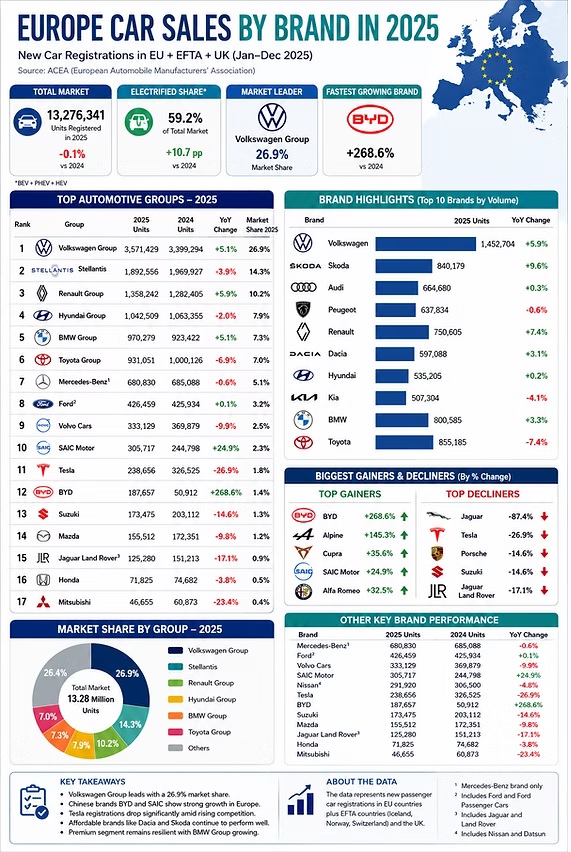
Meanwhile, European brands are losing market share.
As Chinese brands have gained prominence, some European competitors have experienced a decline in their market share, with Stellantis being one of those affected, having registered a 6.4% drop in its market share, equivalent to approximately 310,000 fewer sales in recent years. The world's fourth-largest automotive conglomerate has faced several challenges, including excess inventory, an electric vehicle lineup that doesn't reflect current technological advancements, prices that match or exceed market rates, and reliability issues that have damaged its public image. This series of business and financial problems has placed the company in a vulnerable position compared to its Chinese competitors. Fortunately, Stellantis has the backing of Leapmotor. In 2023, the company signed one of the largest deals ever recorded. Stellantis invested €1.5 billion to acquire the sales rights to Leapmotor, aiming to leverage its cutting-edge electric technology.
Stellantis is not the only entity experiencing losses in this new environment. The growing presence of Chinese companies has had a significant impact on various brands and business groups. The Mercedes-Benz Group has experienced a slight decrease of 0.7 percentage points, while the Volkswagen Group has registered a drop of 0.6 points and Hyundai/Kia a decrease of 0.4 points, despite the modest increase in sales of the South Korean brands. According to experts, the competitive implications go beyond sales volume. European automakers seeking to compete on price will face reduced profit margins. In other words, if traditional European brands wish to compete with Chinese brands on price, they will have to reduce their profit margins and, consequently, decrease their revenue.
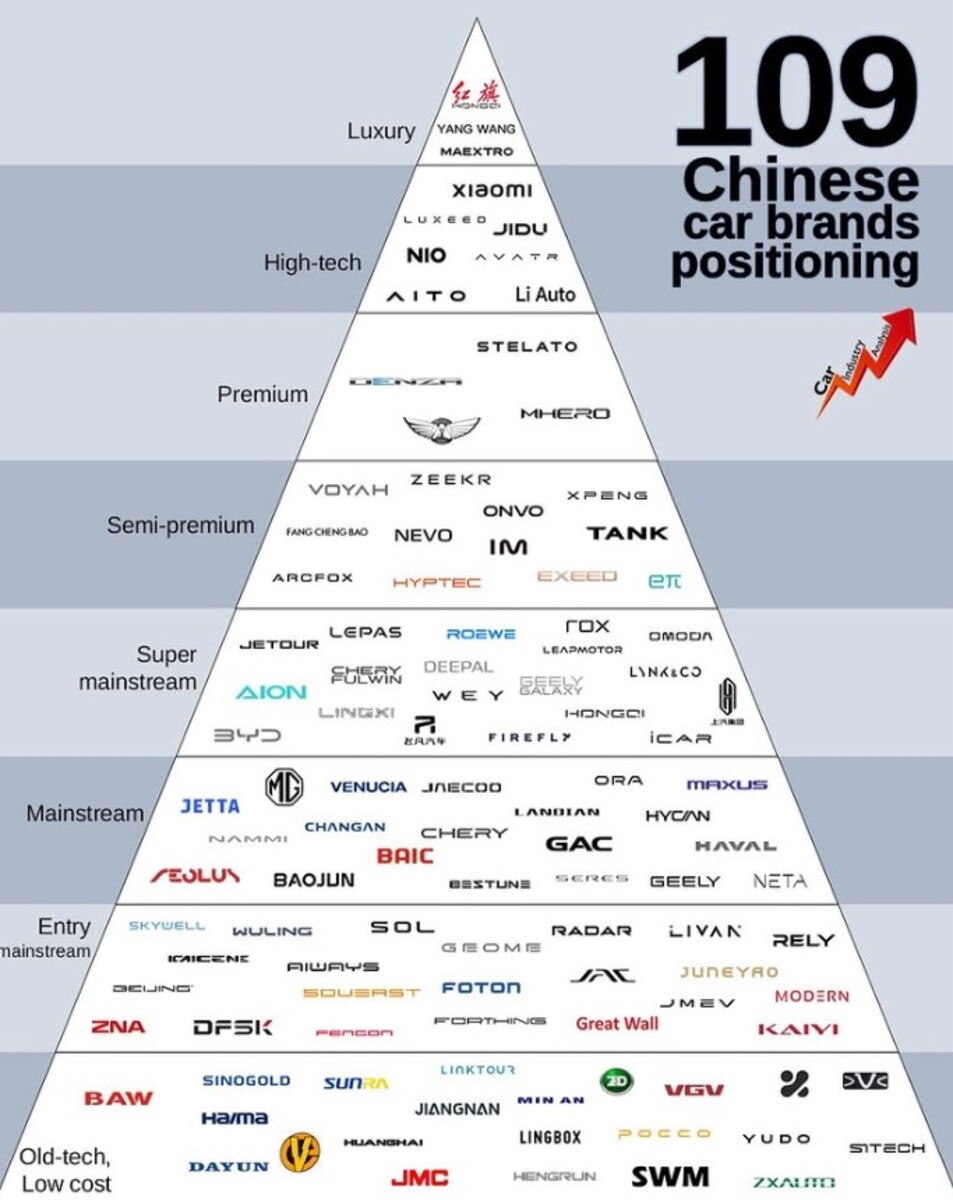
The market share of Chinese brands could reach 30%.
According to forecasts from analysts and industry experts, Chinese brands could achieve a market share of at least 20%, and even up to 30%, in the coming years. The pace of growth appears relentless. These figures, which at first might have seemed implausible, have been demonstrated through serious and rigorous projections that sales continue to show exponential growth. Asian manufacturers, mostly financed by the Chinese government, have identified a business opportunity they can capitalize on. The next step to consider is not limited to sales but also encompasses production. A considerable number of Chinese brands have set their sights on underutilized European facilities. These advanced European factories, once symbols of cutting-edge technology, represent a key element in the process of Chinese expansion in Europe.