
Download the audio
- Introduction.
The class develops the possible mass disappearance of Chinese electric vehicle brands.
- Disappearance of Chinese electric vehicle brands.
BYD President Stella Li predicts a “catastrophe” with the mass bankruptcy and disappearance of 100 Chinese brands.
One of the world's largest manufacturers warns that the price war and overproduction are foreshadowing a major shakeup in China: only a few electric car brands will survive.
The Chinese electric vehicle market, the largest in the world, is entering a phase of adjustment that threatens to completely transform its structure. After years of rapid expansion, the sector is now facing a consolidation process marked by price pressure, industrial overcapacity, and a change in the regulatory framework.
The result points to a scenario with fewer players, greater concentration, and tougher competition among the manufacturers that manage to survive.
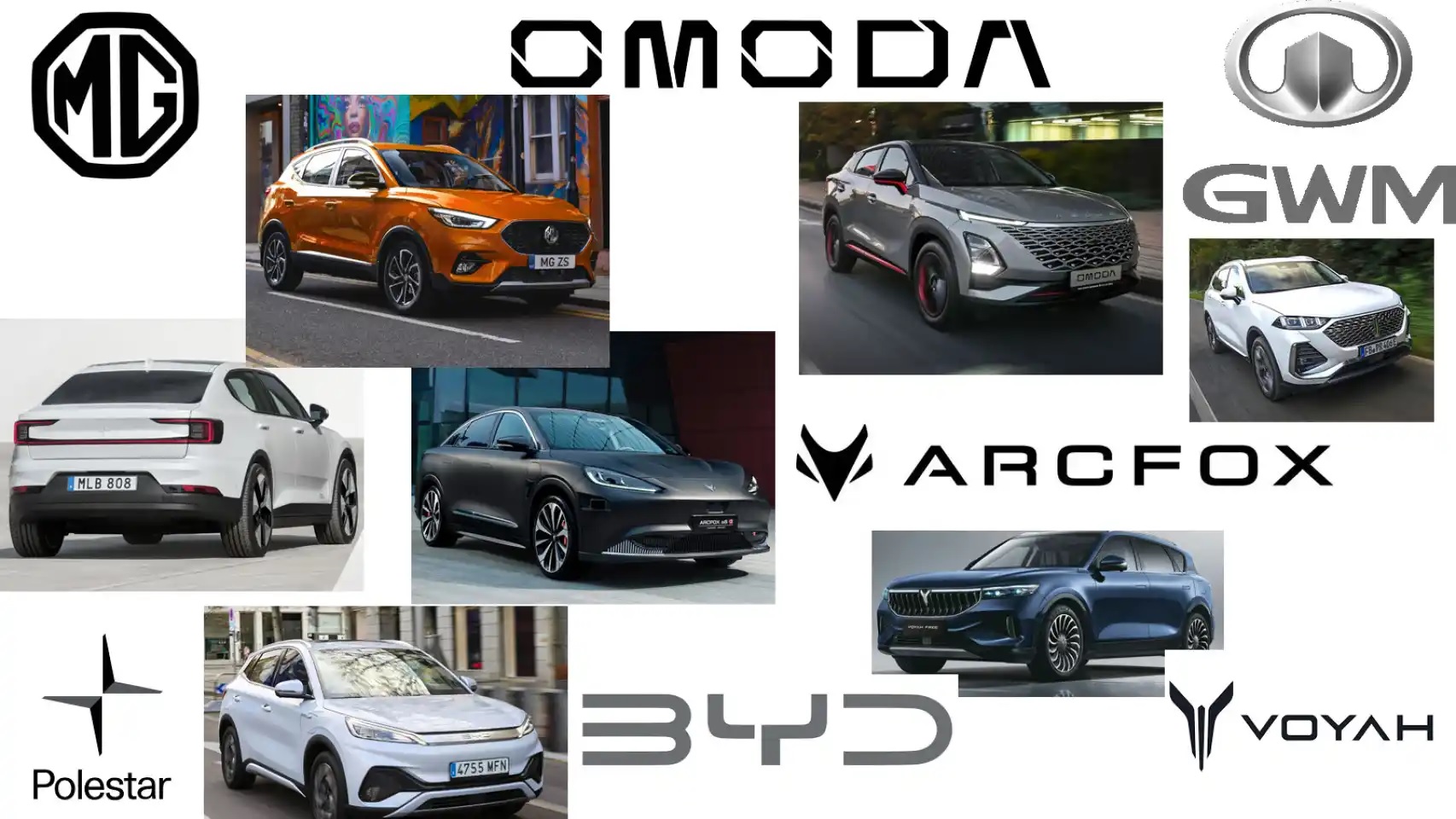
- The craze for Chinese electric cars.
In recent years, brands have resorted to aggressive discounts, continuous promotions, and free financing to maintain registration volumes. This strategy has sustained growth but has undermined the sector's profitability and generated an unsustainable spiral of competition.
At the same time, the Chinese authorities have begun to intervene to curb commercial practices they consider harmful to industrial stability and to avoid deflationary risks in the economy. The combination of lower margins for price competition and high cost structures is putting smaller or less efficient manufacturers in a tight spot.
Added to this pressure is a structural problem: installed production capacity far exceeds actual demand. Chinese factories can manufacture far more vehicles than the market can absorb, which has significantly reduced the average utilization rate of plants. This overcapacity, accumulated over years of investment driven by public incentives and expectations of continued growth, is forcing the sector to make an adjustment that is now considered inevitable.
The consolidation process will not be immediate or uniform. Some companies may avoid closure through mergers, regional alliances, or specialization in specific niches. Furthermore, given that local governments have supported the development of the industry due to its impact on employment and economic activity, they may intervene to protect certain strategic companies. This factor may slow down the disappearance of brands and prolong the transition to a more concentrated sector.
Faced with losing market share in China, many manufacturers will look to grow abroad to make up for falling domestic sales. However, international expansion poses significant obstacles, such as tariffs, technical requirements, still limited commercial networks, and higher implementation costs in Europe and America. At the same time, the need to offload excess production could intensify the arrival of more competitively priced Chinese vehicles on international markets, increasing pressure on traditional manufacturers.
For European and Spanish drivers, this scenario brings both opportunities and risks. On the one hand, it could facilitate access to more affordable and technologically advanced models. On the other hand, trade tensions and possible protectionist measures could make this offer more expensive or limited. In addition, the disappearance of suppliers in China could affect global supply chains for batteries and electronic components, which would have repercussions on costs and delivery times for the entire industry.
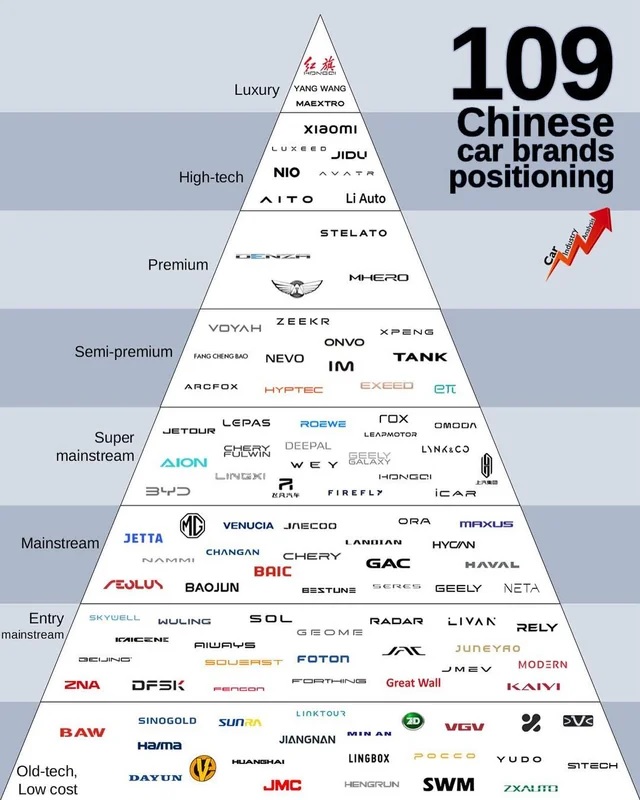
The extent of the adjustment is reflected in the forecasts of consulting firms. According to AlixPartners, of the 129 brands that sold electric and plug-in hybrid vehicles in 2024, only 15 will be financially healthy in 2030 and will account for up to 75% of the domestic market. Along the same lines, Stella Li, vice president of BYD, warned during the last Munich Motor Show that around 100 of the approximately 130 brands currently operating in China could be forced out of the market if pressure on prices and commercial conditions continues.
Not even the big manufacturers are immune. BYD has acknowledged a certain deterioration in its quarterly results due to the new regulatory environment and reduced incentives, forcing it to revise margins and forecasts. However, for larger and financially stronger groups, the disappearance of competitors could translate into a more stable market with less direct pressure on certain ranges.
- Thank you for your time.
The class has developed the possible mass disappearance of Chinese electric vehicle brands, see you soon.