


Download the audio
Slide 1. Introduction.
The class develops technology to analyze the health of each battery cell in order to include this information in the battery's digital passport.
Slide 2. Analyzing the health of each battery cell.
This technology, developed by the Scottish company Dukosi, allows the condition of each battery cell to be analyzed and promises to revolutionize the second-hand electric vehicle market.
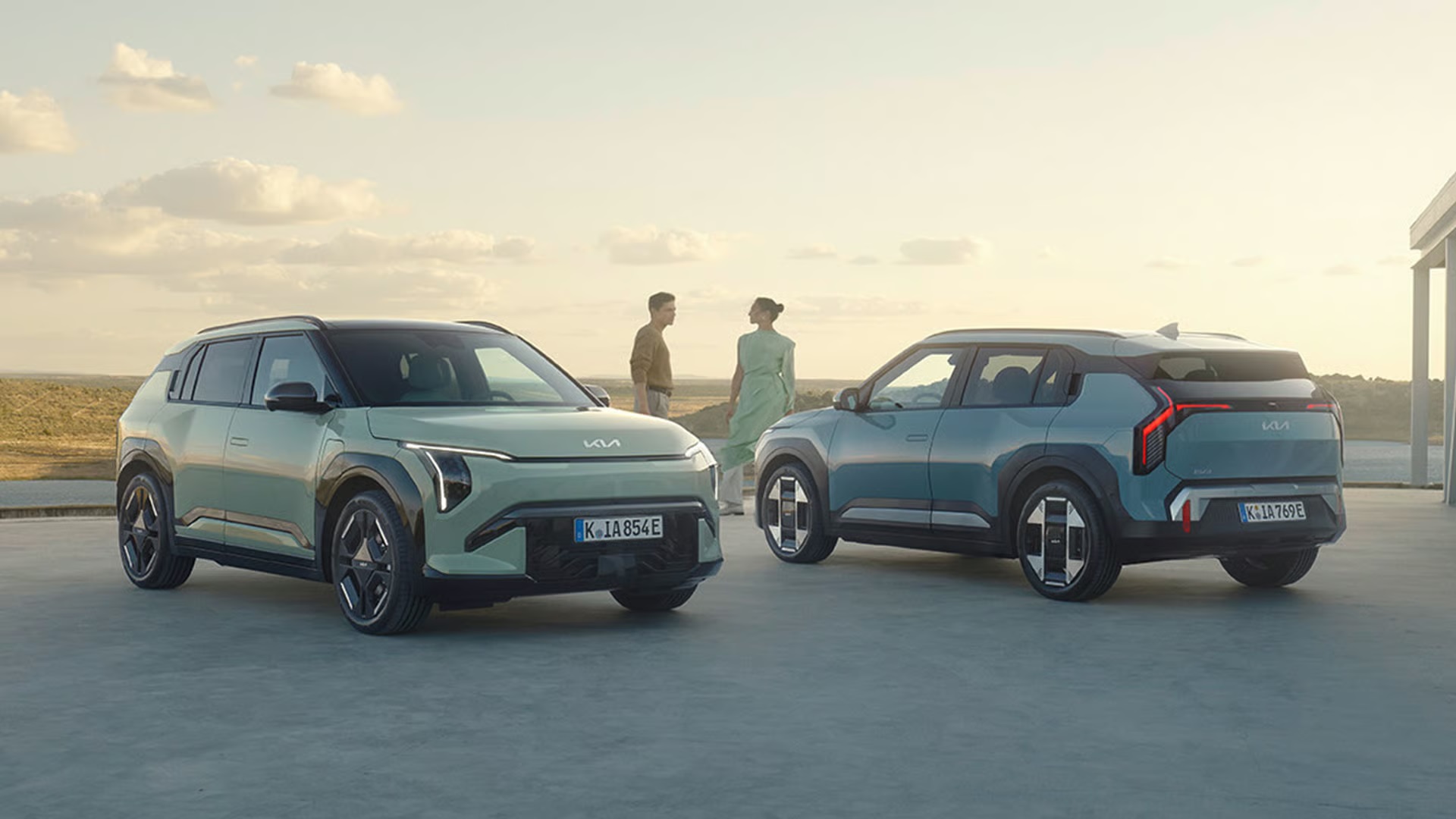
Kia has taken a historic step in the automotive industry by becoming the first manufacturer to begin public testing of digital battery passports with cell-level monitoring. This innovative system could boost the market for used electric cars and increase consumer confidence in buying second-hand vehicles.
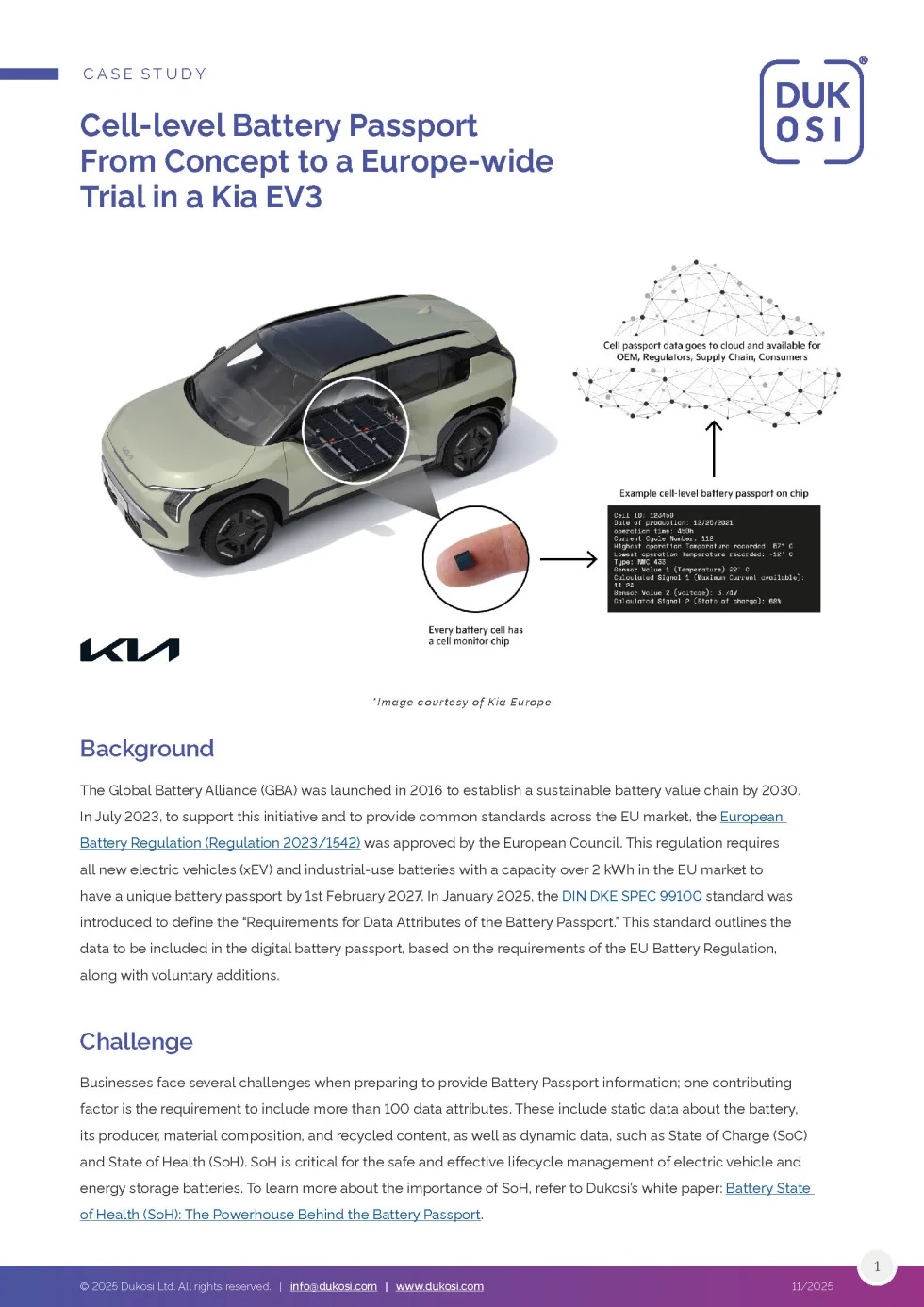
The project is being tested with a modified version of the Kia EV3, which integrates technology developed by Scottish company Dukosi, which specializes in smart battery management solutions. This system allows detailed data to be collected on the condition and performance of each individual cell within the battery pack, something that was not previously possible with such accuracy.
- Transparent diagnostics and full traceability.
All the information collected is stored in a digital passport that can be accessed from the vehicle's infotainment system. This document can be consulted by specialized technicians to diagnose faults or plan repairs, and also by potential buyers who want to know the actual condition of the battery before purchasing a used electric vehicle.
According to Kia, this level of transparency will improve battery repairability, as repair shops will be able to identify and replace only defective cells instead of replacing the entire battery, reducing costs and waste. In addition, this advance will help maintain the residual value of electric vehicles, as it eliminates one of the main barriers to the used car market: uncertainty about battery degradation.
- Kia is preparing to launch the system in 2027.
A spokesperson for the brand confirmed to Auto Express that the model chosen to start the testing phase is the Kia EV3: “At the moment, this is just a test of the technology, but that doesn't mean it will be limited to the EV3 in the future.” Kia plans to officially incorporate the battery passport system in February 2027 in its hybrid and electric models, coinciding with the entry into force of European regulations that will require the traceability and certification of key battery components.
The South Korean company has not ruled out extending this technology to existing electric vehicles, although it clarifies that “it is still too early to confirm” until the first phase of the project is complete.
- Another step towards energy transparency.
Although Kia was a pioneer in testing this technology at the individual cell level, it was not the first to launch a digital battery passport. In 2024, the Volvo EX90 was the first car to include it, and it can be accessed through the official Volvo app, which displays data on recycled content, material traceability, and carbon footprint.
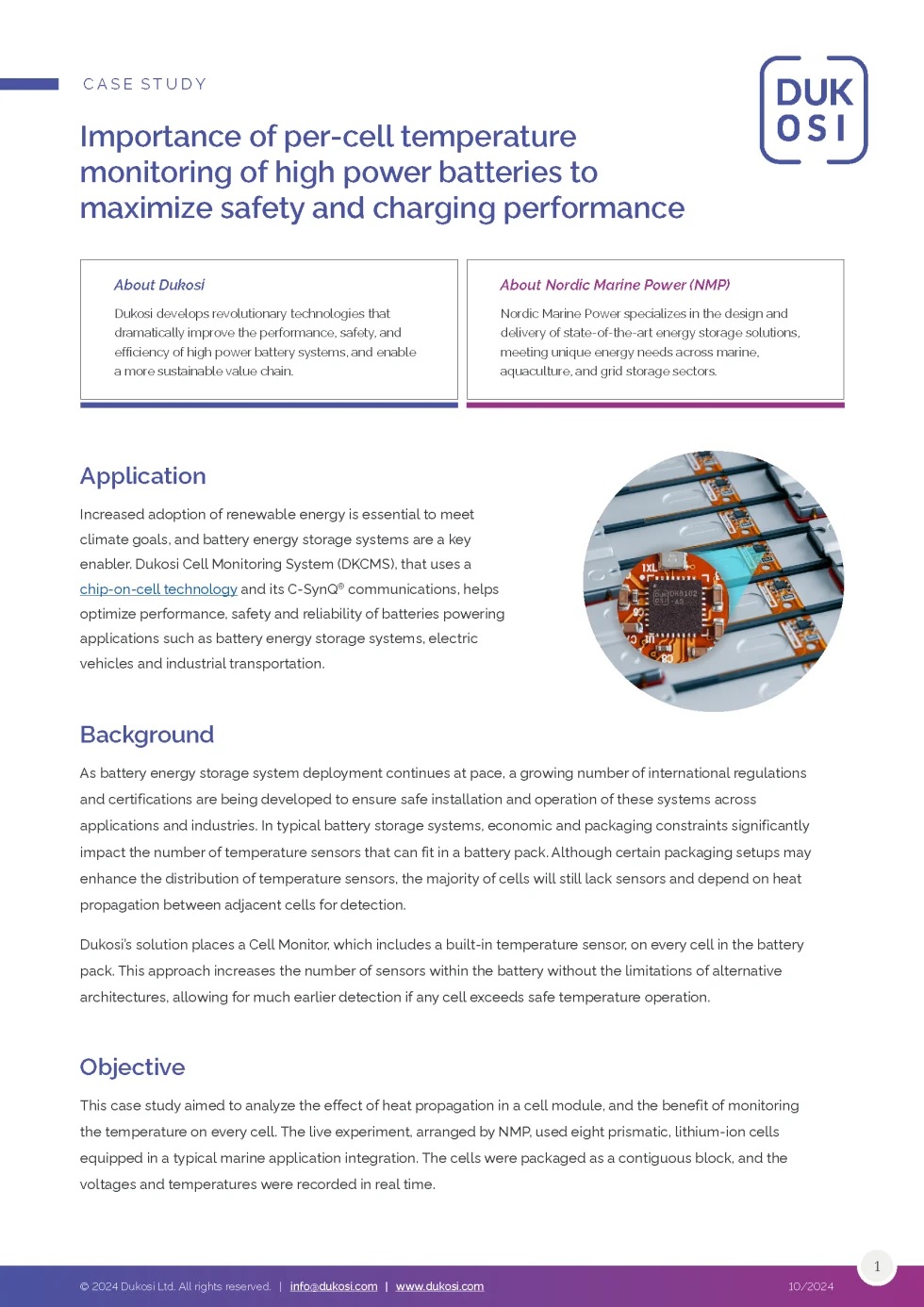
The key difference lies in the level of accuracy, as the Dukosi and Kia system allows each individual cell to be monitored, opening the door to a new era of transparency, sustainability, and trust in electric mobility.

Thank you
for your time.
The
class has developed the technology to analyze the health of each battery cell
and include this information in the battery's digital passport, see you soon.