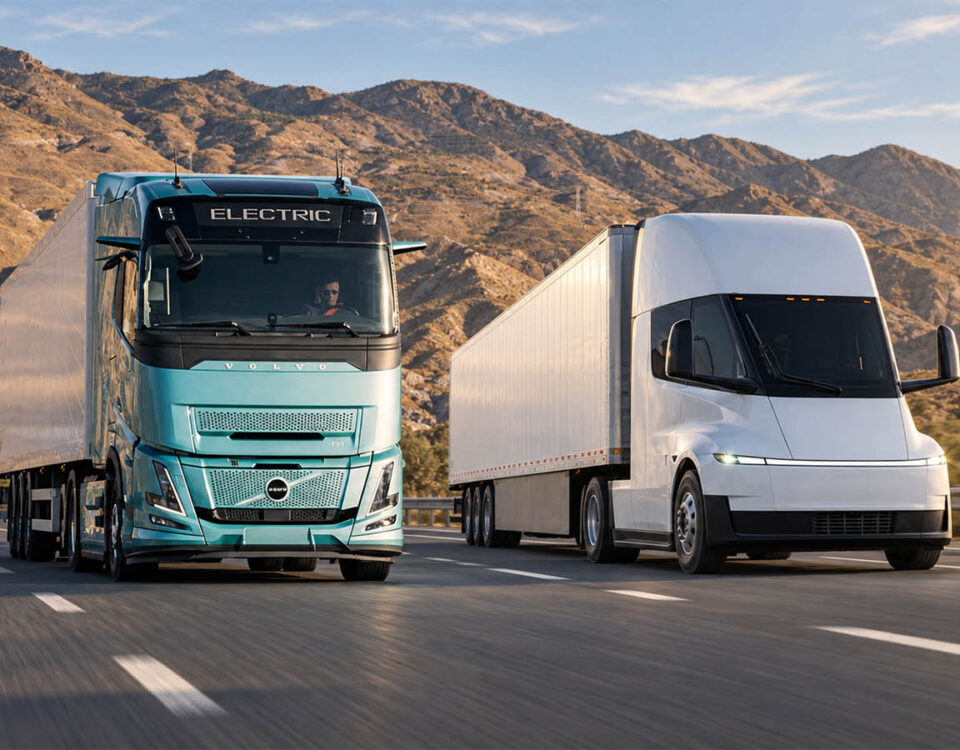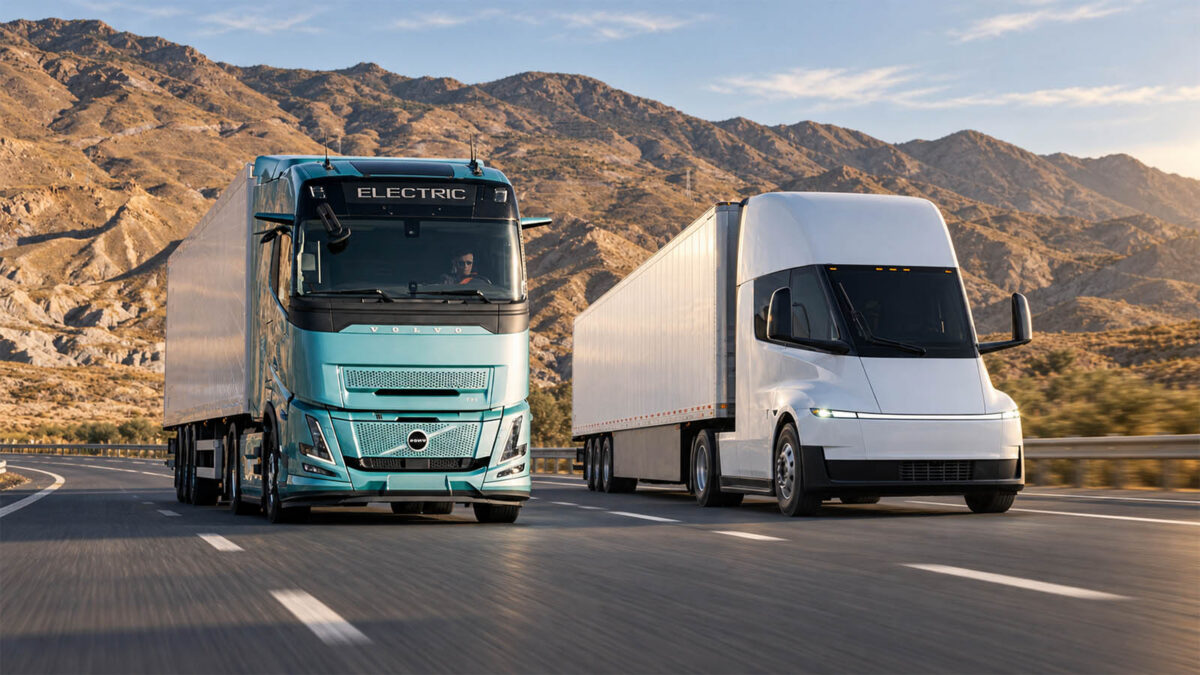


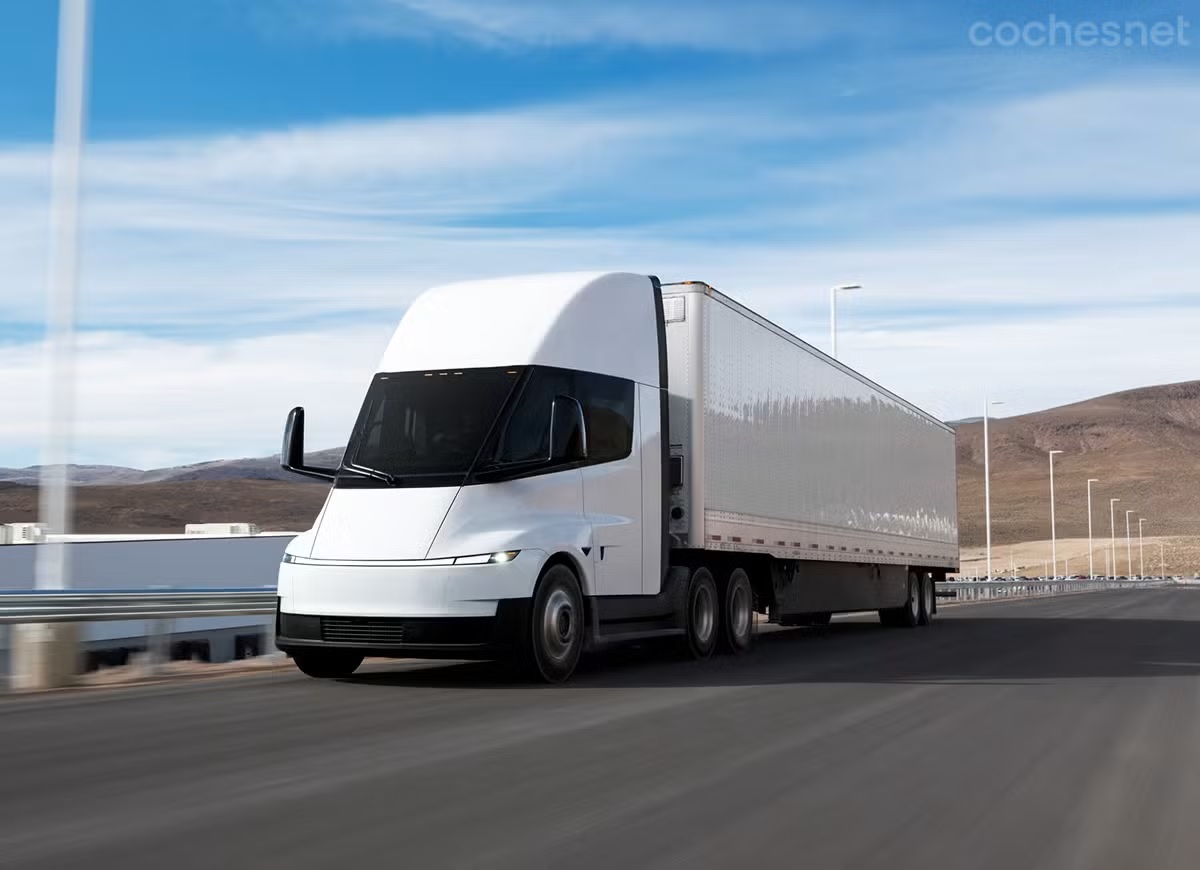
The European version of the Tesla Semi: 550 km range, 800 kW power, and up to 26.6 tonnes of payload.
After a long wait, Tesla has finally unveiled the specifications for the European version of the Semi—its electric truck—ahead of its appearance at IAA Transportation, taking place from September 14 to 20. The model initially launching in the European market will be the Semi Standard Range, featuring an estimated range of approximately 550 kilometers and a peak power output of up to 800 kW.
Initial deliveries to European fleets are scheduled for 2027. However, Tesla has not yet specified which markets will receive the first units, nor has it set an exact commercial launch date or price.
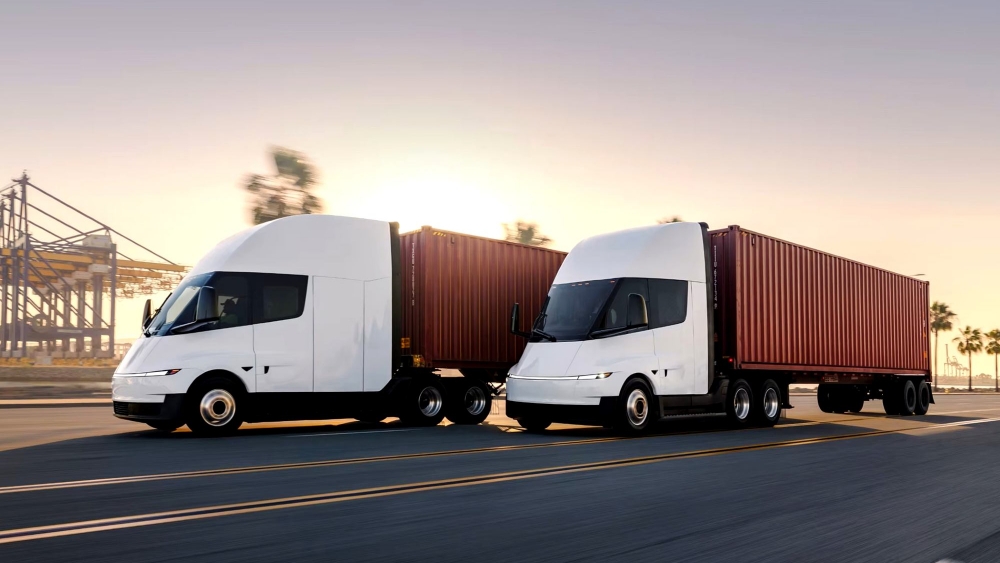
800 kW of power and 800 kW charging capacity.
The European Tesla Semi utilizes a 6x4 tractor configuration—featuring three axles—where the powertrain incorporates three independent electric motors distributed across the two rear axles. However, Tesla has not yet specified the individual configuration or the power output of each motor, beyond the 800 kW total.
Regarding the battery, Tesla has not disclosed all specific details for the European version, but the Semi supports DC charging at up to 800 kW. With this capability, the company estimates it will be possible to recover 60% of the energy needed to reach a 30% charge level in approximately 30 minutes. These characteristics align with those of the US Semi, suggesting the use of a 548 kWh capacity battery.
According to estimates, the European range stands at approximately 550 kilometers, compared to the roughly 523 kilometers offered by the US version. Tesla cites an energy consumption of 1.0 kWh per kilometer for Europe, whereas the US model records 1.7 kWh per mile, equivalent to approximately 1.1 kWh/km. The discrepancy lies in the operating conditions of the two markets: in the United States, the Semi operates with a gross weight of up to approximately 36.3 tonnes and speeds ranging from 88 to 128 km/h, whereas in Europe the standard limit is 40 tonnes and the maximum highway speed for trucks is typically between 80 and 90 km/h.
It is worth noting that one of the most significant aspects of the European Semi is its curb weight, which is under 9.1 tonnes. Based on a standard European semi-trailer weighing approximately 6.3 tonnes, the potential payload would range from 24.6 to 26.6 tonnes, depending on whether the 40-tonne limit applies or if the vehicle utilizes the allowance to reach up to 42 tonnes—a provision available for certain electric trucks.
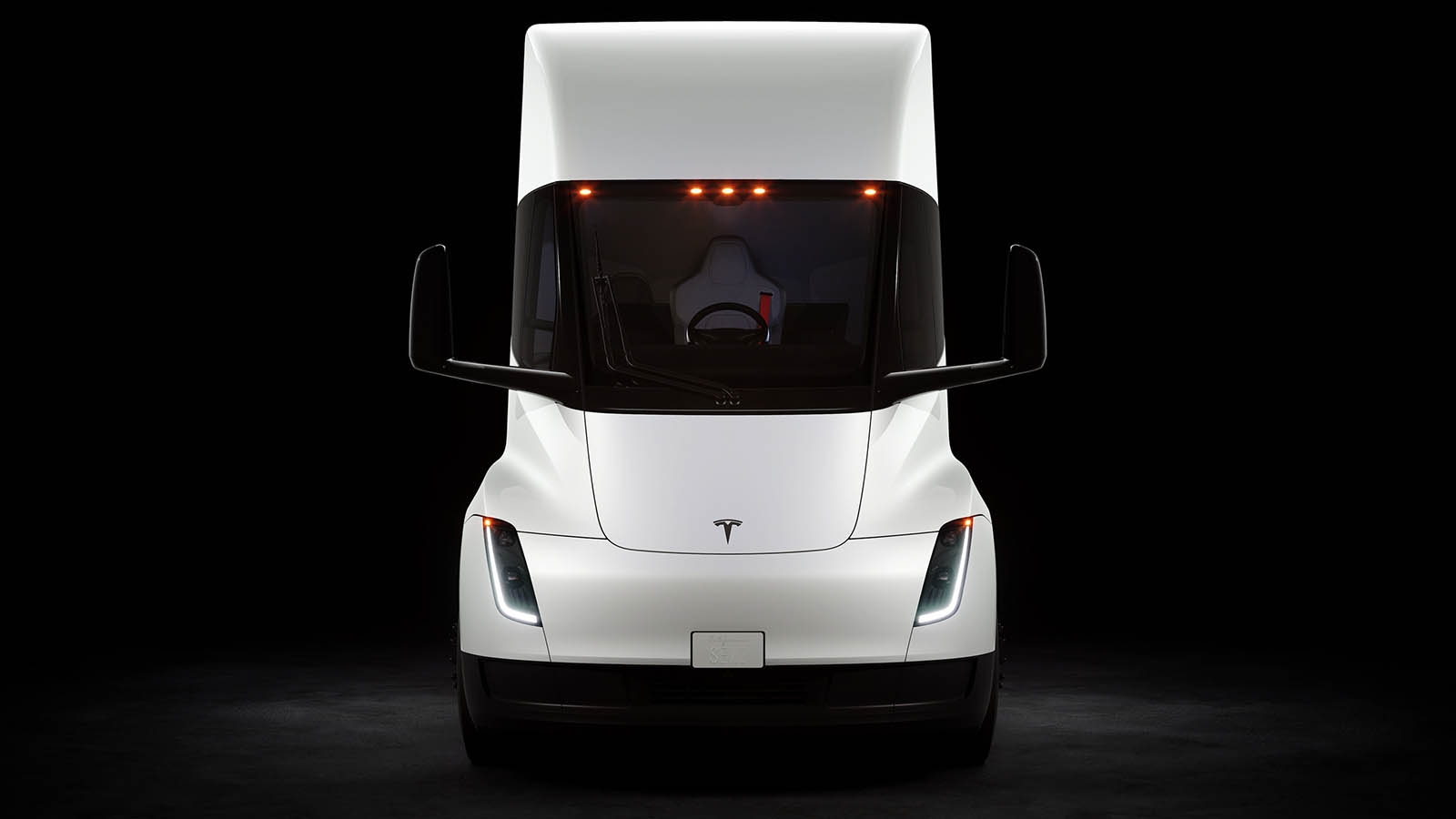
A proprietary charging network.
The company is also developing an exclusive charging infrastructure as part of a future European network that will integrate Megacharger stations (up to 800 kW) for rapid charging and 120 kW Basechargers, intended primarily for extended stops and overnight charging at depots. The latter could utilize CCS systems, enabling a range increase of up to 60% in four hours.
The Semi will also incorporate features aimed at reducing operating costs, including remote diagnostics, over-the-air software updates, and reduced maintenance requirements. Tesla plans to supplement its service centers with mobile support and certified workshops, while also stocking spare parts at its facilities. The Tesla for Business platform will enable efficient management of vehicles and drivers, as well as access to real-time data on charging, tire pressure, and energy consumption. Additionally, the platform allows for the effective management of maintenance operations and billing.
The vehicle features a central driving position—a rarity in European heavy-duty transport. The cabin is designed to allow occupants to stand upright and includes space for hanging garments, a heated and ventilated seat, and acoustic glass and materials intended to reduce road noise.