
Only three Chinese electric car manufacturers are profitable.
For many years, China was a major player in the electric vehicle industry. China offered a combination of government subsidies, manufacturers with aggressive pricing strategies, significant domestic demand, and an industrial pace difficult to match in Europe or the United States.
However, the market is beginning to show signs of slowing down. According to data provided by the China Passenger Car Association, sales of electrified vehicles (pure electric and plug-in hybrid) reached 1.04 million units in June, a considerable volume, although 7% lower than in the same month of the previous year.
The cumulative figure is even more striking: in the first half of 2026, sales reached approximately 4.73 million units, representing a year-on-year decrease of 13%. Nevertheless, this does not mean that China will cease to be the largest electric vehicle market globally. However, it is clear that easy growth has come to an end.
Less support and more buyer uncertainty.
The current situation comes at a particularly delicate time. The Chinese government has been reducing its support for electrified vehicles. Starting in January 2027, cuts will be implemented in certain tax advantages for electric vehicles, plug-in hybrids, extended-range electric vehicles, and hydrogen fuel cell commercial vehicles.
The annual savings for the buyer are not always significant, but the message is clear: the era of increasing incentives has come to an end. This is compounded by a weaker economy, buyers expecting further price reductions, and a price war that has eroded the margins of many brands.
The result is a large, albeit increasingly competitive, market. Selling cars is no longer a guaranteed profit.
Only a few manufacturers are profitable.
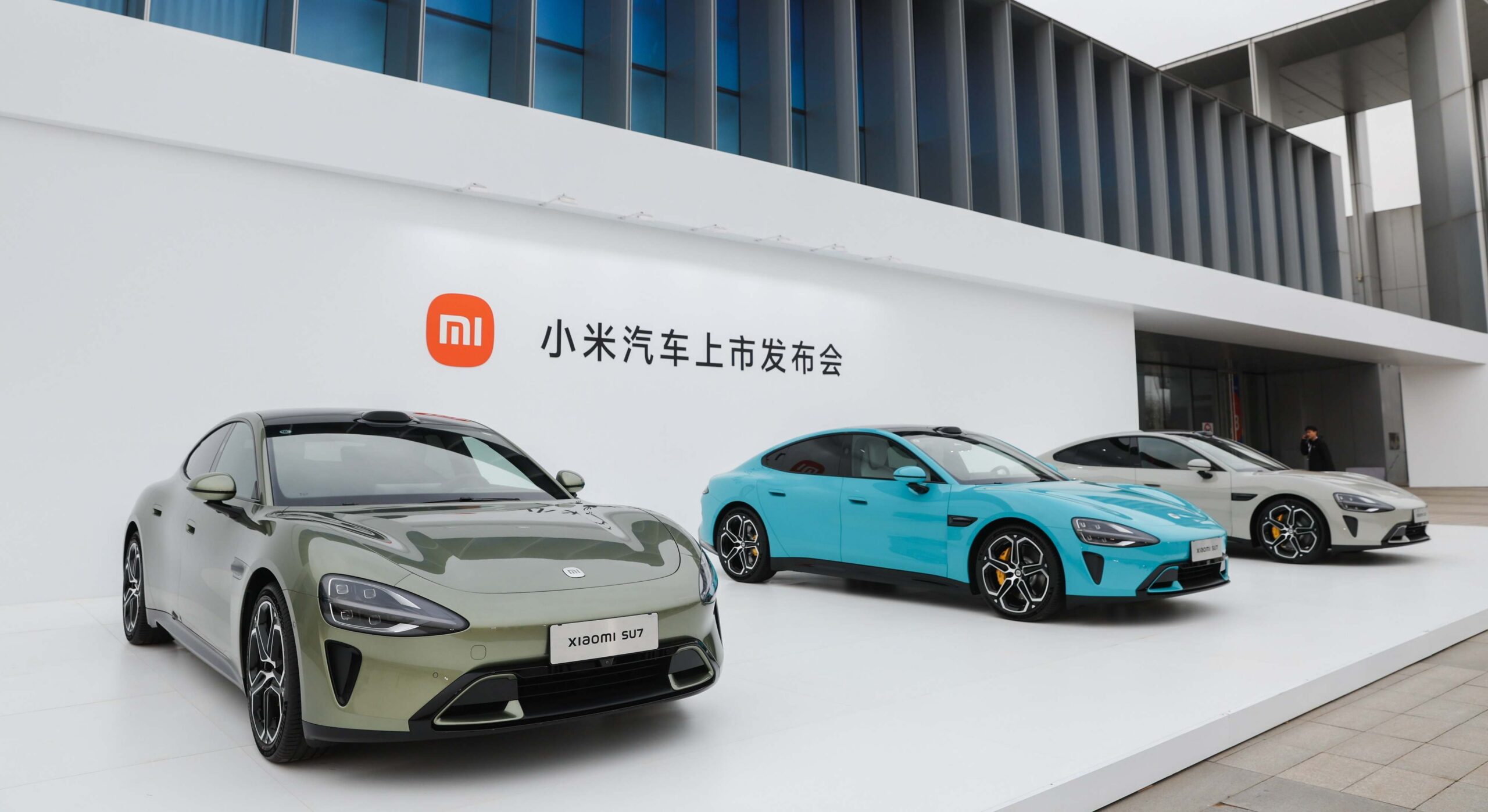
To better understand the pressure, it is necessary to consider another relevant fact: according to estimates cited by industry analysts, only BYD, Xiaomi, and Leapmotor are currently profitable among Chinese manufacturers focused on electric vehicles.
The remaining companies compete in a landscape of discounts, excess capacity, and a need for volume. Some brands will be able to remain stable, while others will seek to establish strategic alliances, and many could face the risk of disappearing or being absorbed by larger groups.
This consolidation process has already taken place in the Chinese industry. The development of electric vehicles continues to progress; however, it is expected that the number of manufacturers that will manage to remain in the market will be significantly lower compared to the current situation.
Europe will feel the pressure on exports.
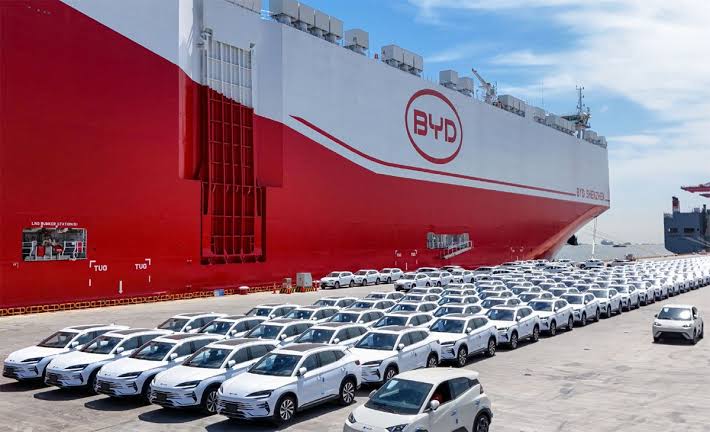
Should the Chinese domestic market experience reduced growth, the most logical strategy would be to increase exports. In this context, Europe emerges as a key priority. Chinese manufacturers face the challenge of positioning their production, achieving optimal scale, and improving their margins in the international market.
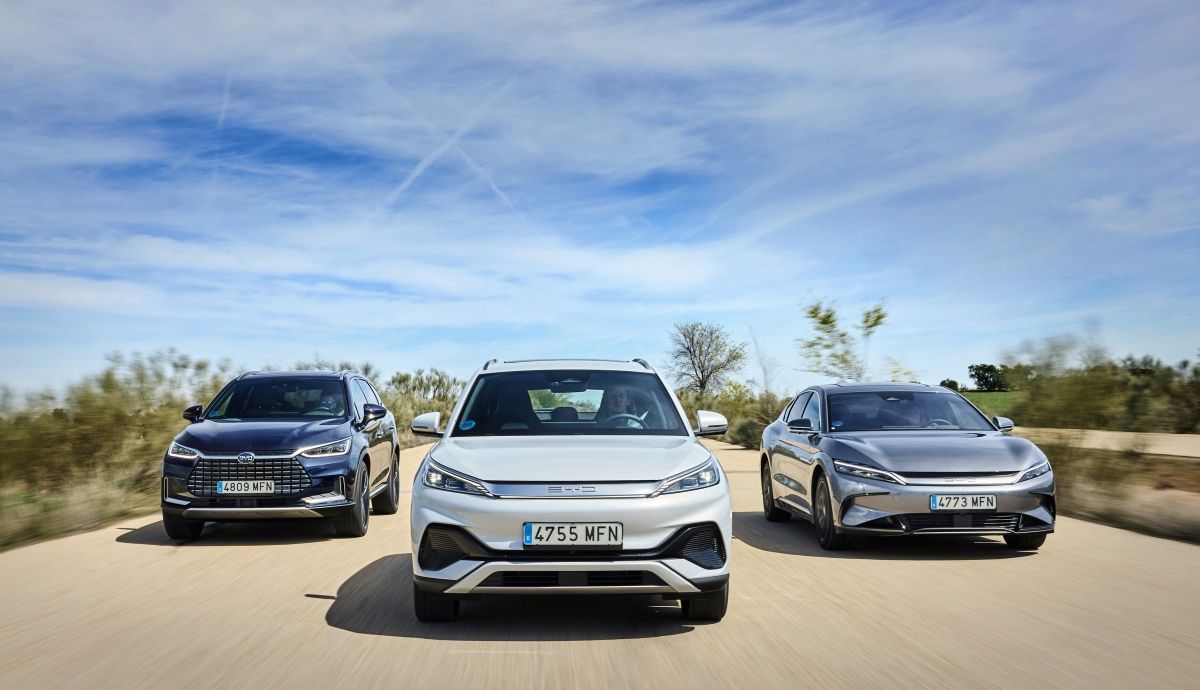
BYD, MG, Leapmotor, Omoda & Jaecoo, Xpeng, and Nio are already increasing their international presence, with more models, sales networks, and industrial plans in Europe. For European manufacturers, the consequences are clear: they will experience greater price pressure, intensified technological competition, and reduced margins for launching high-end electric vehicles without a distinctive and robust technological proposition.
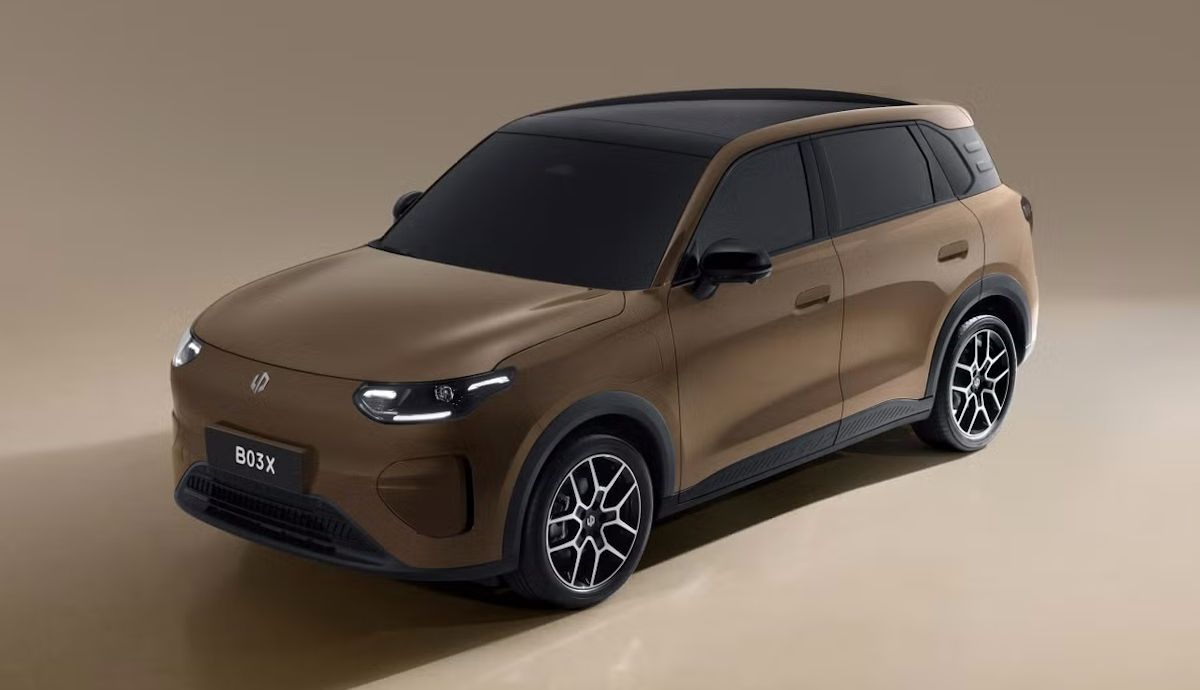
A warning for the entire industry.
The decline in sales in China should not be interpreted as the end of the electric car. On the contrary, it indicates that the market is reaching a more mature and demanding stage.
From now on, simply selling battery-powered cars will no longer be enough. It will be necessary to generate profits, increase competitiveness, and improve the perception of products and services, without relying excessively on subsidies.
In the current context, if China were to export its excessive pressure to the rest of the world, Europe would be one of the first regions to experience the effects. The Chinese slowdown could translate into a new wave of more affordable electric vehicles in European dealerships.