Madrid will test Bosch hydrogen fuel cell buses.
Bosch will carry out trials of its hydrogen buses, equipped with the new FCPM C190 fuel cell system, in the capital.
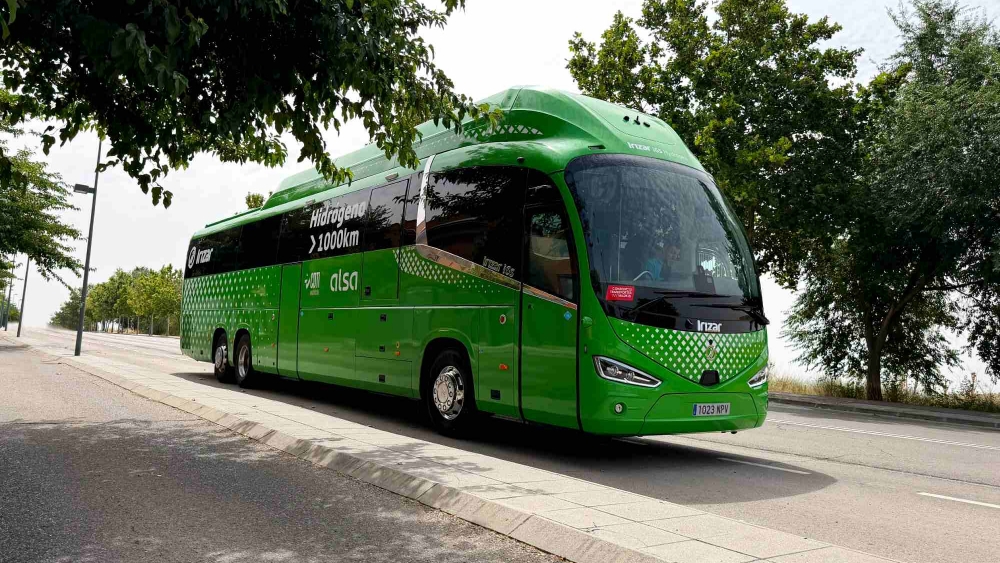
The Community of Madrid will become one of the first European settings to test a new generation of hydrogen electric buses, which are part of Bosch's first commercial project in this segment. The vehicle selected for the tests was a bus from the Spanish company Irizar, equipped with the new FCPM C190 fuel cell system, developed by the German company.
Over a period of several weeks, the operator Alsa will proceed to integrate the vehicle into various transport routes in the Community of Madrid with the purpose of evaluating its reliability, efficiency and performance in real passenger transport conditions. The German company considers this trial to represent a significant milestone in demonstrating the potential of hydrogen as a zero-emissions alternative for heavy transport.
Useful where electric buses do not have the necessary autonomy.
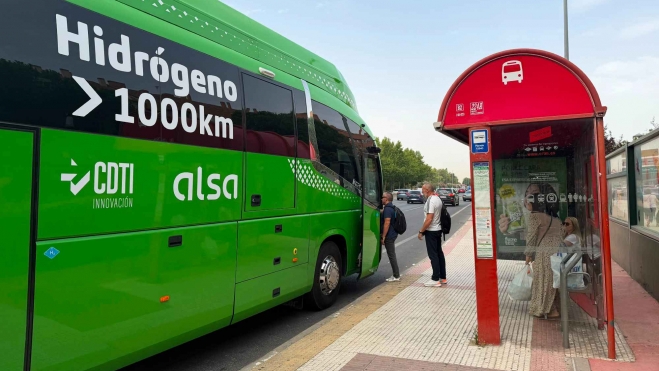
One of the main arguments of this technology is its combination of great autonomy and fast refueling. Compared to battery electric buses, which can require several hours to recharge, or high-power fast charging systems, the Bosch vehicle can be operational again in approximately ten minutes. This feature represents a significant advantage for operators who work long workdays without significant interruptions.
In addition, the vehicle's autonomy exceeds 1,000 kilometers, which allows it to cover several consecutive shifts without the need to refuel. This opens the door to its use both on interurban lines and on long-distance routes. According to Bosch, these characteristics position hydrogen as a particularly attractive solution for heavy commercial vehicles, where battery weight and charging times continue to represent a significant challenge.
Thomas Pauer, member of the Bosch
Mobility sector management and president of Bosch Power Solutions, points out:
“The fuel cell is the perfect complement to battery-electric drive systems,
even in bus operations.”
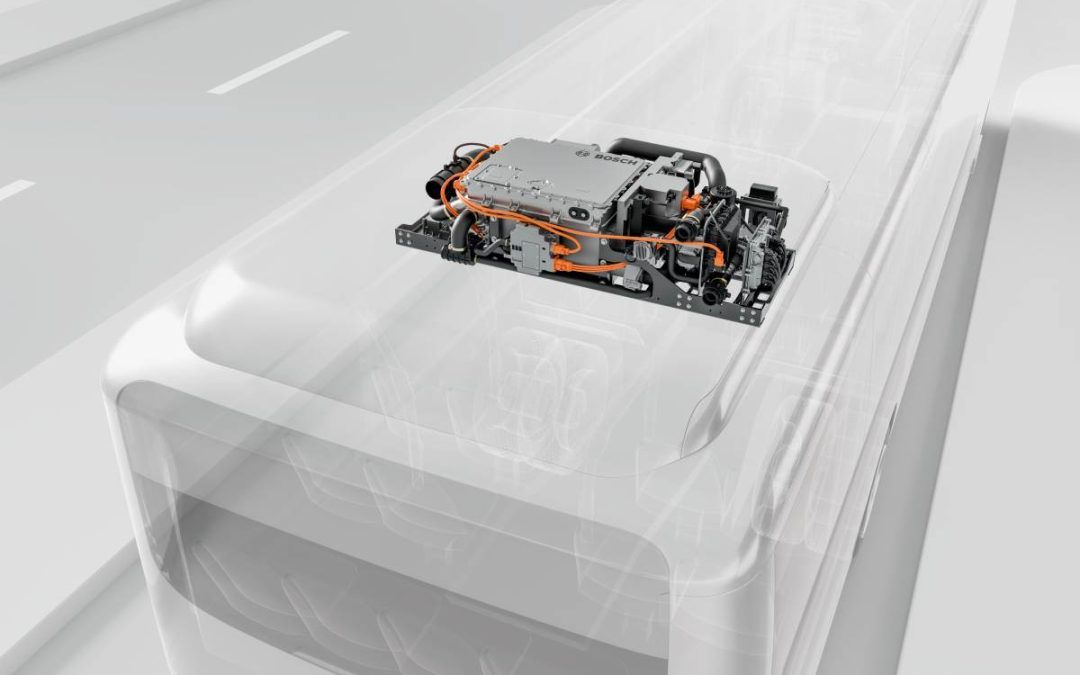
The heart of the bus system is the
FCPM C190 fuel cell module, a compact unit based on a horizontal double stack
architecture that develops a continuous power of 190 kW. The electricity
generated powers the bus's electric motor, while the only byproduct of the
chemical reaction between hydrogen and oxygen is water vapor, completely
eliminating polluting emissions during circulation.