

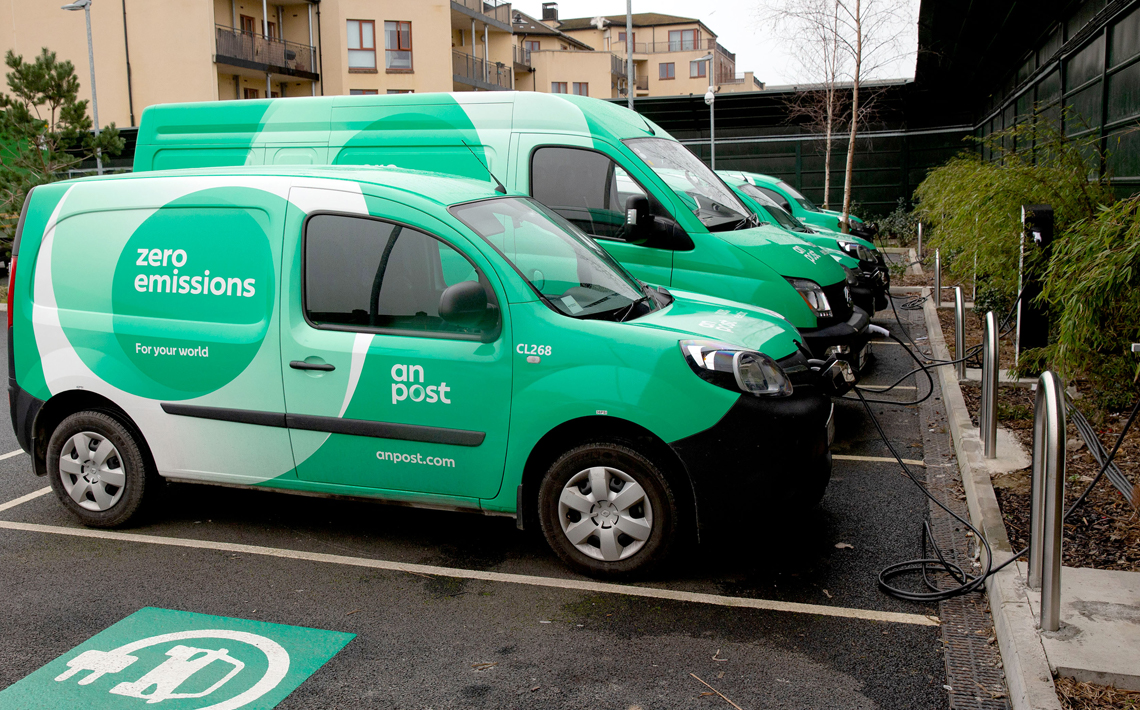
An Post and DHL Express Ireland connect electric vehicles to electricity flexibility markets
The project aims to enable operational hubs to adjust their charging demand based on conditions on the electricity grid. For instance, charging capacity could be reduced during periods of high electricity demand and increased when there is an excess of energy from renewable sources, such as wind power. By providing this flexibility to the power system, fleet operators can reduce their energy costs and potentially generate additional revenue, while also contributing to the integration of more renewable electricity into Ireland’s power grid.
The pilot phase of the project is being implemented at three locations in Cork and Galway, managed by the postal service An Post, and at one location in Dublin, managed by DHL Express. Together, these sites operate a fleet of 211 electric vehicles and 181 charging points, with a flexible electricity demand of up to 500 kW. The initiative involves VIOTAS, Mitsui Ireland, ESB Smart Energy Services, eStation, and The Mobility House Solutions. The latter two companies are responsible for supplying and installing the charging and energy management systems, while VIOTAS will enable the facilities to participate in EirGrid’s electricity flexibility markets.
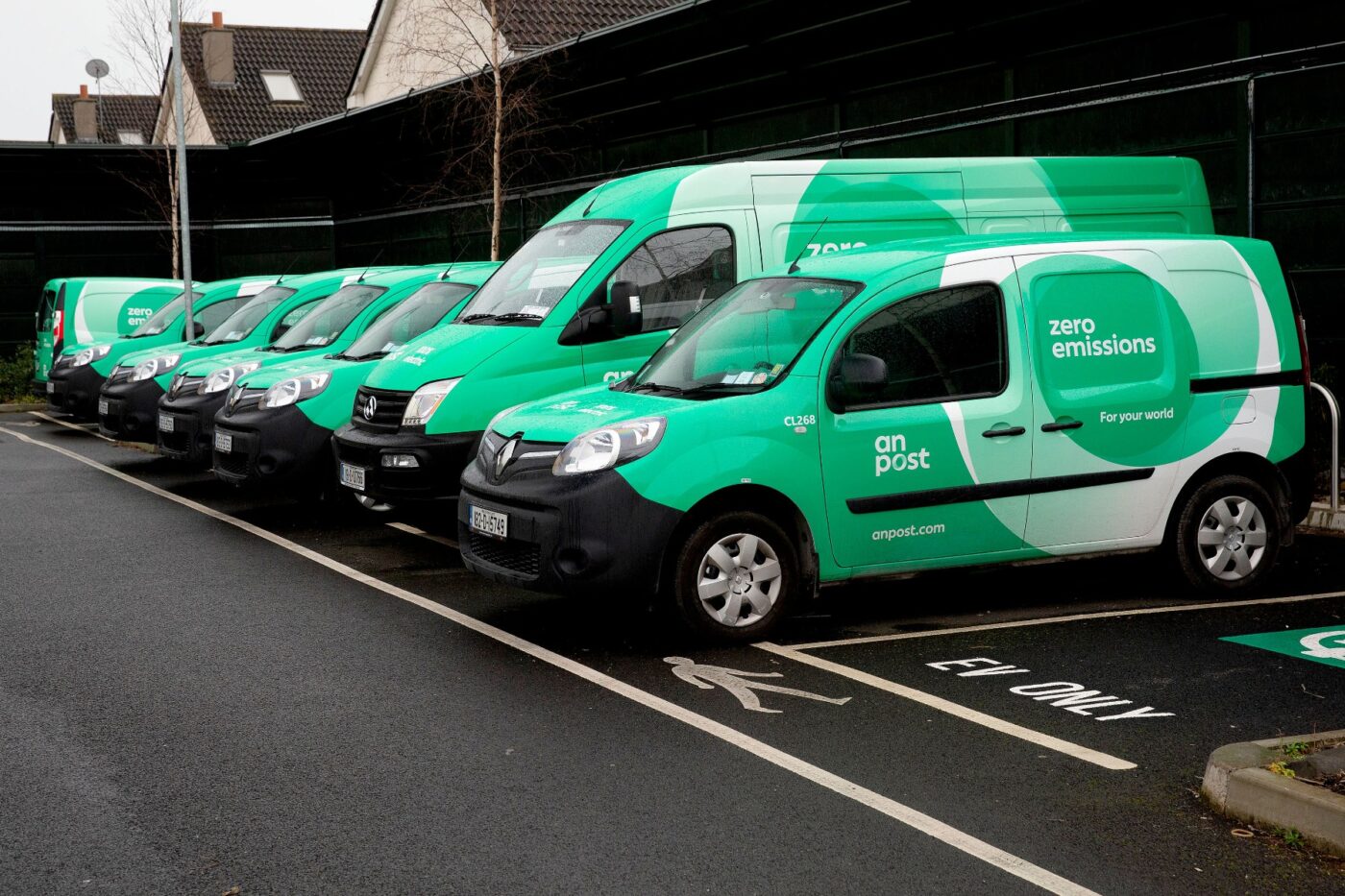
According to the partners, the system implemented for the pilot project will coordinate charging schedules based on the fleet’s operational requirements and signals from the electricity grid. Vehicles must be charged in time for their next journeys, but the charging process can be timed to occur outside of periods of high grid demand or during times when renewable electricity is more abundant.
Shane Mullarkey, Business Development Director at Mitsui Ireland, explained: "For major logistics fleet operators like An Post and DHL, the primary objective remains the decarbonization of their fleets and daily operational efficiency." “Nevertheless, this pilot project demonstrates the added value that large fleets of commercial electric vehicles can provide in contributing to the flexibility of the electricity grid.”
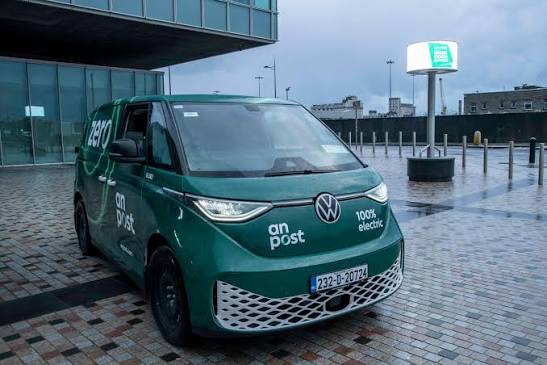
“Electric vehicle fleets in Ireland represent a powerful distributed storage resource. Through smart charging and vehicle-to-grid (V2G) technologies, these fleets can shift charging to periods when renewable energy generation is abundant, reduce peak demand on the grid, and provide essential flexibility and balancing services.”