

A Real-World Case of Cost Savings: The Use of Electric Trucks at Buhck
The profitability of electric trucks remains a concern for many transport companies, primarily due to their high acquisition costs compared to diesel models. However, some companies that have been using this technology for years now possess sufficient data to conduct their own financial analyses. The Buhck Group, a German environmental services and waste management company, has concluded that, given their specific operating conditions, their electric trucks are more cost-effective than diesel-powered ones.
The company, which conducts part of its operations in Hamburg, has been integrating electric vehicles into its fleet over the past four years. According to internal calculations shared by Managing Director Markus Horstkötter with the specialized outlet *Electrive*, the electric trucks recorded total costs 15% lower than those of equivalent diesel vehicles in 2025. This difference is particularly significant, as the analysis accounts for both the initial acquisition cost and the associated depreciation.
Nevertheless, the most relevant metric regarding the economic implications of this decision is the daily savings. Based on the company’s calculations, each electric truck reduces costs by approximately 125 euros per day, assuming an average daily distance of 250 kilometers. If the current usage trend continues, it is estimated that annual savings could reach 30,000 euros per vehicle—a substantial figure for any company managing a heavy-duty transport fleet.
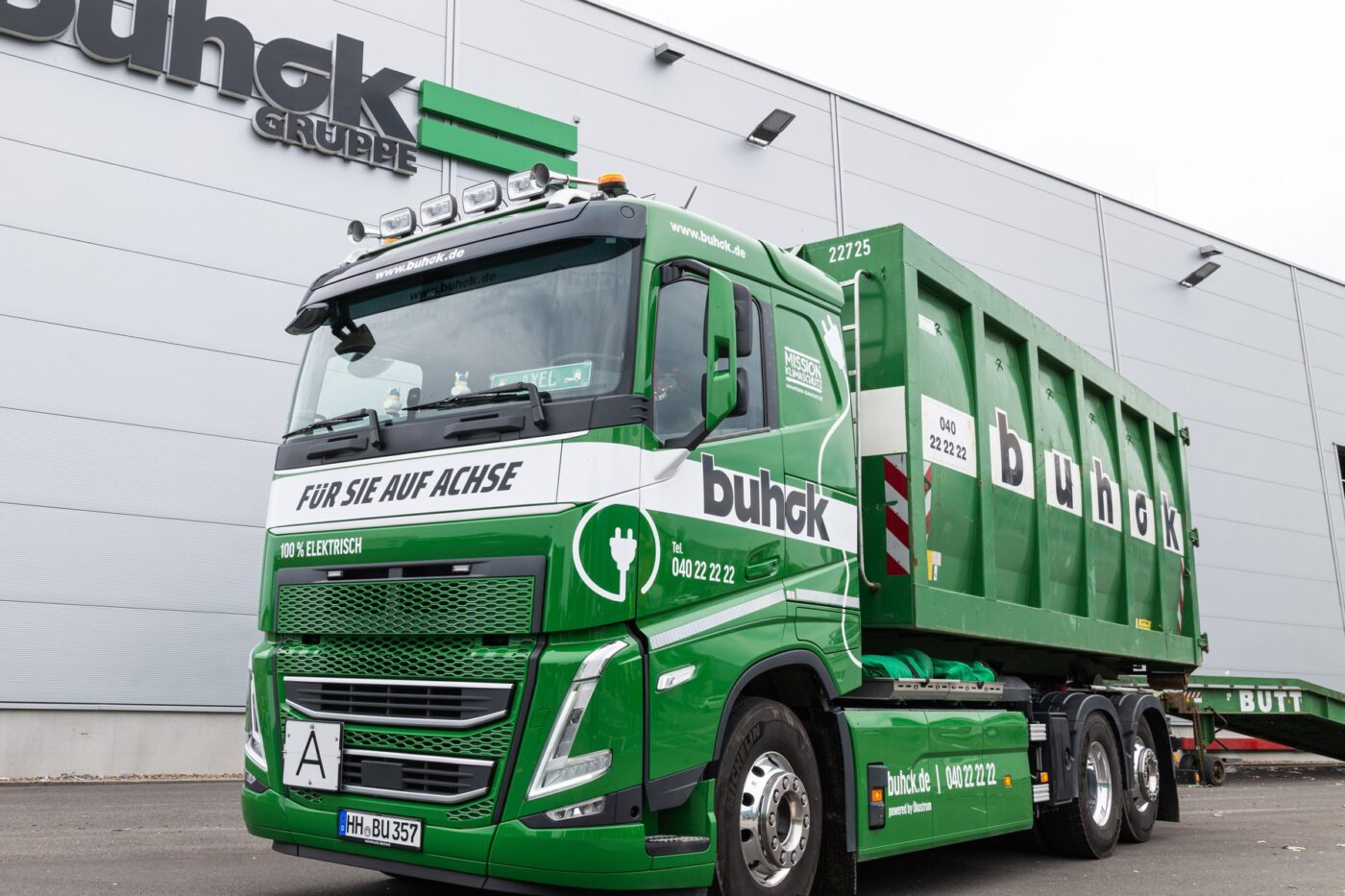
The German firm currently operates 53 vehicles from its facilities in the Billbrook district of Hamburg, 14 of which are fully electric. Its fleet includes Volvo FH Electric and FM Electric trucks, which are used for various tasks related to the transport of waste, containers, and other materials. The electric fleet surpassed 500,000 kilometers traveled during 2025, which has allowed the company to evaluate its performance under standard operating conditions.
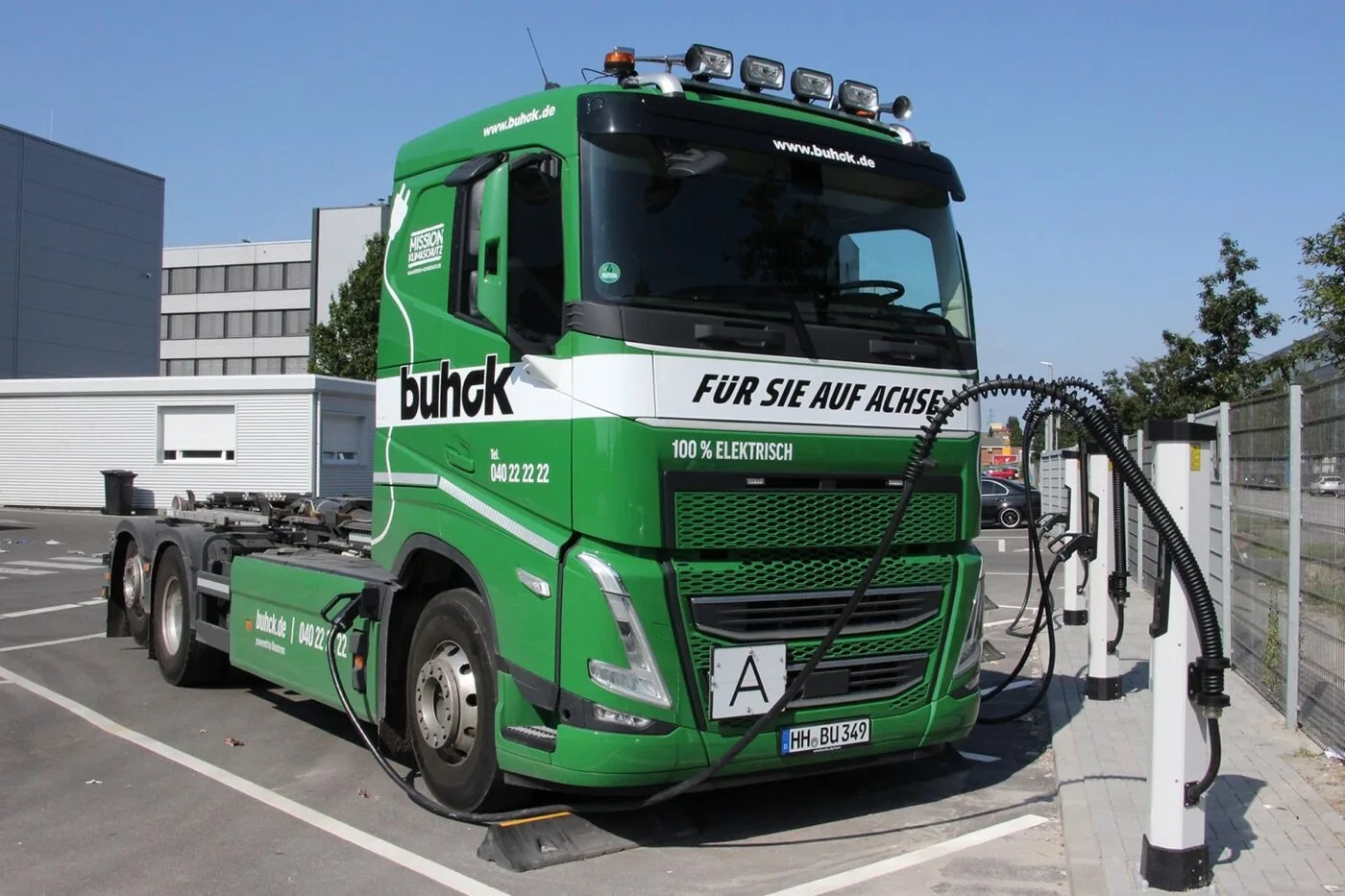
As the economic data indicates, there are significant differences between the two technologies. According to estimates by Buhck, the operating cost for diesel trucks ranges from 1.70 to 1.75 euros per kilometer, while for electric vehicles, it falls between 1.17 and 1.20 euros. This advantage stems primarily from lower energy consumption and reduced maintenance requirements. However, the final outcome depends on various factors, such as operating conditions, energy prices, and the initial investment.
Maintenance is, in fact, one of the most critical aspects for the company. Electric trucks do not require the routine procedures common to combustion-engine vehicles, such as engine oil changes or work on specific mechanical components and exhaust after-treatment systems. Although slightly higher wear on tires and brakes has been observed, the frequency of workshop visits has decreased significantly.
Nevertheless, the purchase price remains a major barrier. Until recently, the cost of an electric truck—fully equipped with the necessary bodywork and operational systems—could reach approximately 370,000 euros. While the company notes that prices are trending downward, a comparable diesel vehicle might still cost around 100,000 euros less. Consequently, when assessing profitability, Buhck looks beyond the initial outlay and considers the total costs over the vehicle's entire service life.
As Horstkötter stated in comments to *Electrive*, the higher purchase price is justified by a nine-year service life. He explains that market trends are also working in favor of buyers, as manufacturers need to increase sales of zero-emission vehicles to meet their regulatory targets. In fact, Buhck has set a goal to reduce the cost of its future vehicle acquisitions to approximately 250,000 euros per truck.
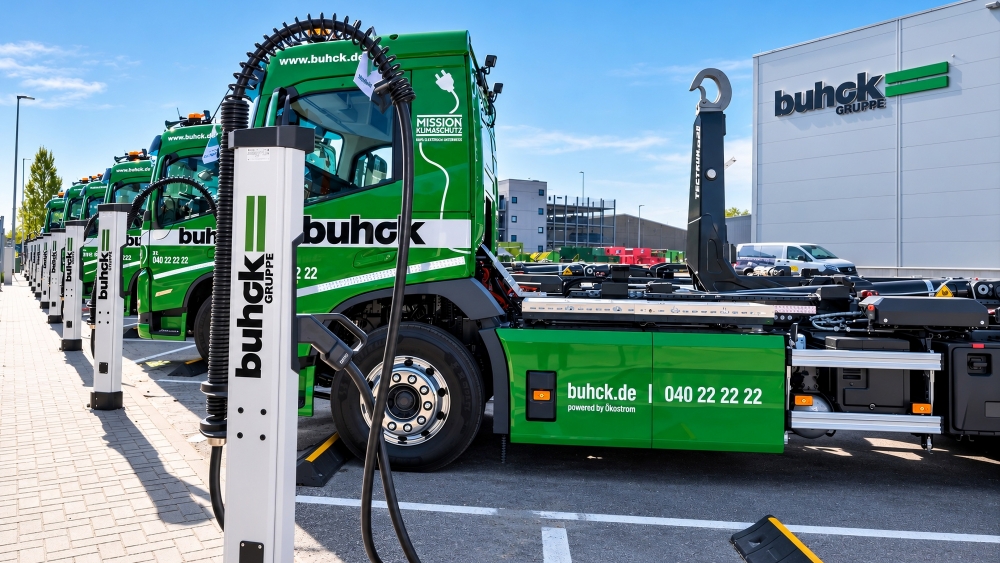
The key to saving 125 euros per day lies in how the trucks are recharged.
To properly understand these results, it is essential to note that Buhck has its own charging infrastructure. The company operates 16 high-power charging points from the Finnish manufacturer Kempower, designed to dynamically distribute electricity and deliver up to 280 kW per point. Thanks to this setup, the trucks can be recharged routinely overnight while parked at the company’s facilities.
This is of vital importance, as frequent use of public fast-charging stations would lead to a substantial increase in energy costs. The company is able to manage electricity costs more efficiently and organize operations so that the vehicles can recharge without disrupting their daily work schedules. Therefore, it should be noted that the 125-euro daily saving cannot be automatically extrapolated to every transport operator.
Increasing electrification presents new challenges that must be addressed with seriousness and professionalism. Buhck estimates that once its entire fleet is electric, it will require approximately 3.5 million kWh of electricity annually. The current photovoltaic installation will not be sufficient to meet the projected demand, so new energy storage and generation solutions are being explored. Options under consideration include vertical-axis wind turbines, which could help generate some of the necessary electricity.
Despite the aforementioned challenges, the company’s experience has been positive enough to warrant the continued replacement of diesel trucks. The goal is to add between seven and eight electric vehicles each year and to complete the electrification of the fleet by 2032. As Horstkötter notes, following an initial adjustment period, the electric trucks have been fully integrated into the company’s standard operations, providing additional benefits in terms of comfort and noise reduction.
The case of Buhck demonstrates that electric trucks can be economically competitive, provided that factors such as routes, mileage, and charging infrastructure are taken into account. With four years of experience and over half a million kilometers covered by its electric fleet as of 2025, the German company finds that this decision is not only driven by environmental considerations but also enables it to reduce costs and improve the profitability of its operations.