


Download the audio
Slide 1. Introduction.
The class develops the legal service life of hydrogen tanks and its implications for fleet management.
Slide 2. The legal service life of hydrogen tanks.
- Regulations governing hydrogen storage tanks.
Although hydrogen-powered vehicles have not enjoyed widespread success, it is important to note that they have been in operation for more than a decade. This poses a challenge that most vehicle fleets have not given due attention to: the obsolescence of hydrogen storage tanks.
Although the fuel cells and the propulsion system as a whole may continue to operate satisfactorily, the high-pressure tanks have a certified service life that is limited. Consequently, once this service life has expired, it is imperative to replace them to ensure that the vehicle can continue to operate within the current legal framework.
The problem is that these tanks, made of carbon fiber-reinforced plastic (CFRP), are certified for a service life of between 15 and 20 years, depending on the model and manufacturer. This requirement is part of safety measures, as the tanks must be capable of withstanding pressures of up to 700 bar and resisting both wear and tear from daily use and the loads that could be generated in the event of an accident. Once the certification period has ended, current regulations require their replacement, regardless of their apparent condition.
Regulation 134 of the United Nations Economic Commission for Europe, the first version of which was published in 2019 and subsequently updated without any significant changes in this regard, establishes the certification requirements for hydrogen-powered vehicles.
Among the safety measures adopted, one of particular importance is worth noting: new compressed hydrogen storage systems with an operating pressure of 70 megapascals or less shall not exceed a service life of 15 years. Furthermore, the date of removal from service may not exceed the period established from the date of manufacture.
The regulation specifically refers to new storage systems, so it is not entirely clear what will happen to vehicles registered before this regulation takes effect. However, all indications suggest that models approved under this regulation will be subject to this limitation.
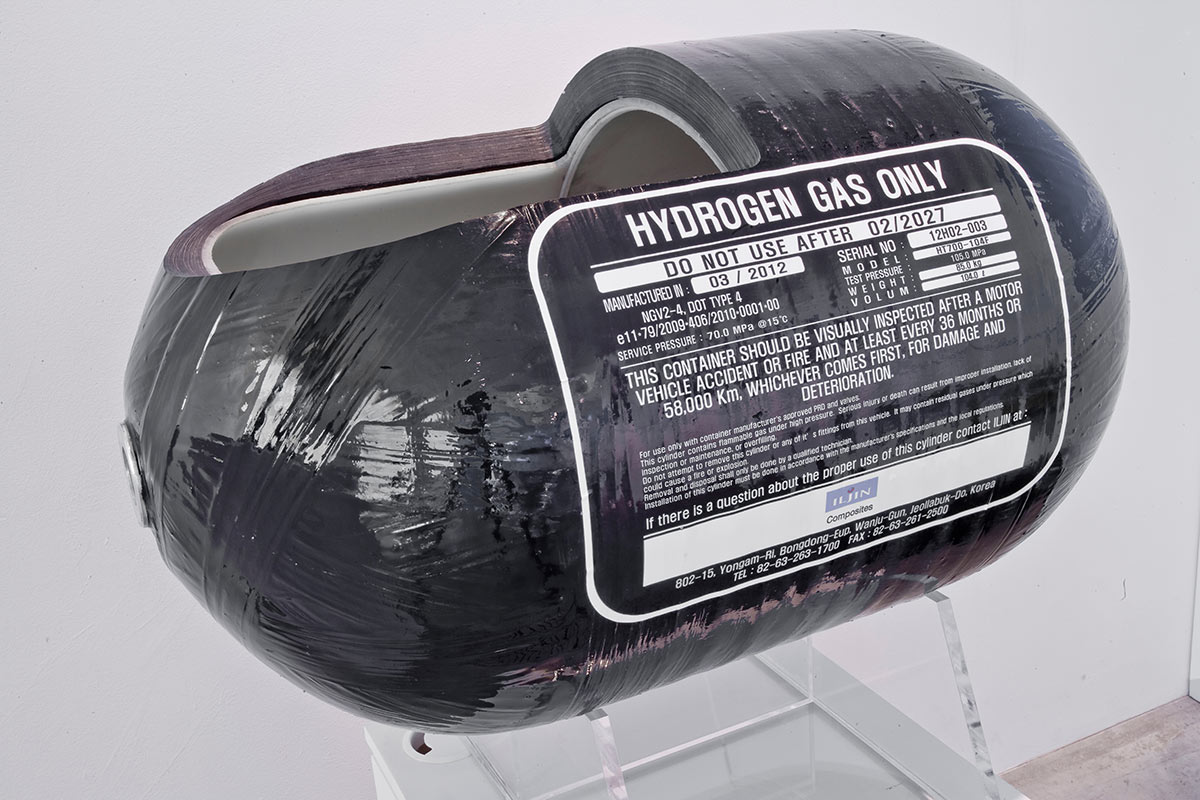
- A replacement part that costs more than the car itself.
This situation significantly affects pioneers in the field of fuel-cell mobility, such as the first-generation Toyota Mirai, the Hyundai ix35 Fuel Cell, and the Honda FCX Clarity. These vehicles were introduced to the market in the mid-2010s, and as a result, the first models are reaching the end of their useful life.
The dilemma underlying this situation goes beyond a mere technical issue, extending into the economic realm as well. The cost of replacing the tanks can reach five-figure amounts. In some cases, the cost of the operation may exceed the market value of the vehicle in question. By way of illustration, consider the first-generation Toyota Mirai, whose used models can currently be found for less than 10,000 euros—an amount that could be lower than the cost of replacing the hydrogen tanks.
The situation becomes more complex from a technical standpoint, given that—at least in Germany—there is currently no approved procedure for extending the certification of the tanks through technical inspections or additional testing. Although visual inspections of the tanks are conducted during routine vehicle inspections, there is no official system for assessing their structural condition and extending their authorization for use beyond the initially certified period. Once the deadline has passed, the only currently recognized solution is to replace the entire tanks.
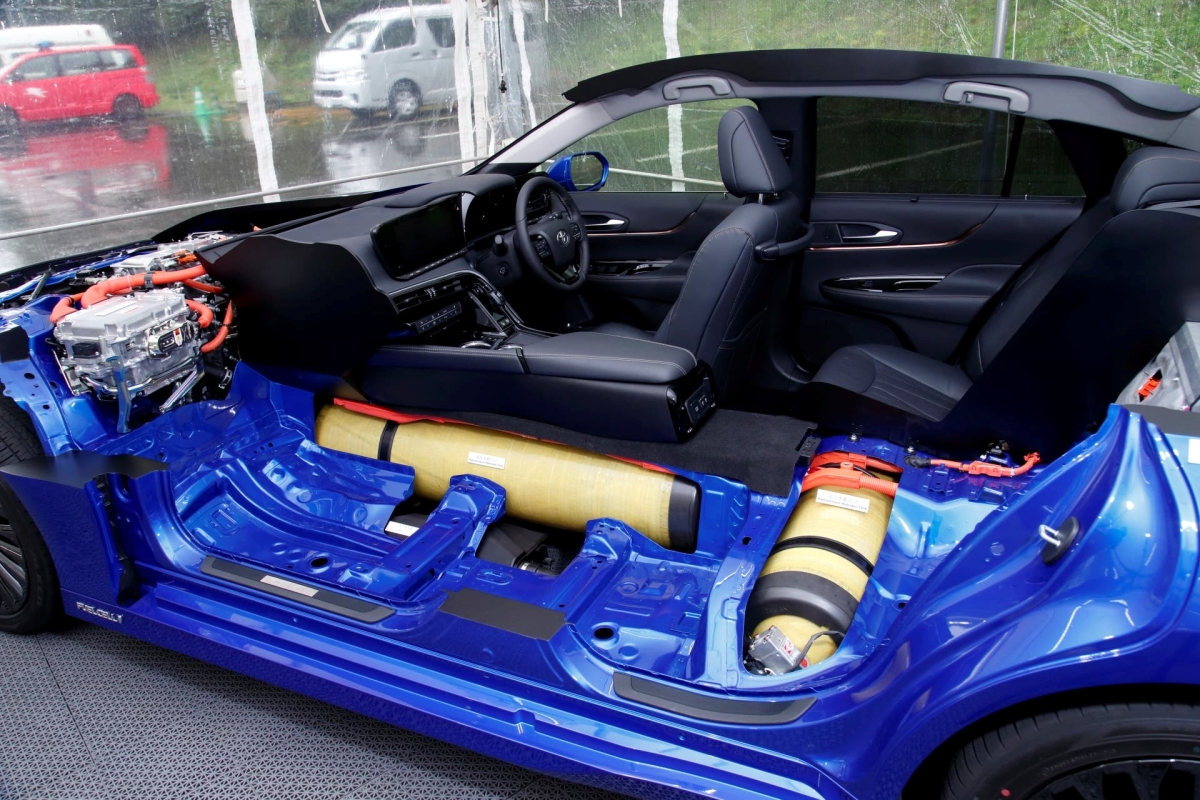
- Low sales of hydrogen-powered vehicles.
From a market perspective, the immediate impact will be limited due to the current scarcity of hydrogen-powered vehicles. According to data provided by SNE Research, a total of 16,011 fuel-cell vehicles were registered worldwide in 2025. Although this figure represents a 24.4% increase compared to the previous year, it remains relatively low compared to sales of battery electric vehicles. In Europe, registrations fell by 23.1%, reaching just 566 units.
Added to this is the fact that purchase prices remain excessively high. The Hyundai Nexo starts at 71,100 euros, while the Toyota Mirai starts at 73,000 euros. It should be noted that in many markets, neither vehicle is eligible for government subsidies. For its part, BMW remains committed to this technology and is sticking to its plans to launch a hydrogen-powered version of the BMW X5, even as market conditions continue to deteriorate.
However, tanks are not the only component with a limited service life. The fuel cell, an essential component of the propulsion system, undergoes wear and tear over time, requiring a significant investment for replacement. The system in question is complex in nature, manufactured with composite materials and small amounts of platinum, which results in a significant increase in repair costs over time.
This circumstance mitigates its impact on the industrial sector, although it represents an additional challenge on top of the obstacles that have limited the expansion of hydrogen in the automotive market for years: the high cost of vehicles, the scarcity of refueling stations, and the expenses associated with the production and distribution of renewable hydrogen. Certainly, the need to replace tanks at the end of their certification period, a very costly process, poses an additional challenge, as it creates significant uncertainty regarding the residual value of these vehicles and their long-term total cost of ownership.
If you own one of these early fuel cell models, we recommend that you check with the manufacturer to find out the exact expiration date of your vehicle’s fuel tanks. Once that date arrives, you will be responsible for covering the full cost of replacement, since there is currently no approved alternative.
Since the cost may exceed the car’s market value, many owners might consider scrapping the vehicle, which, from a technical standpoint, is still in working order.
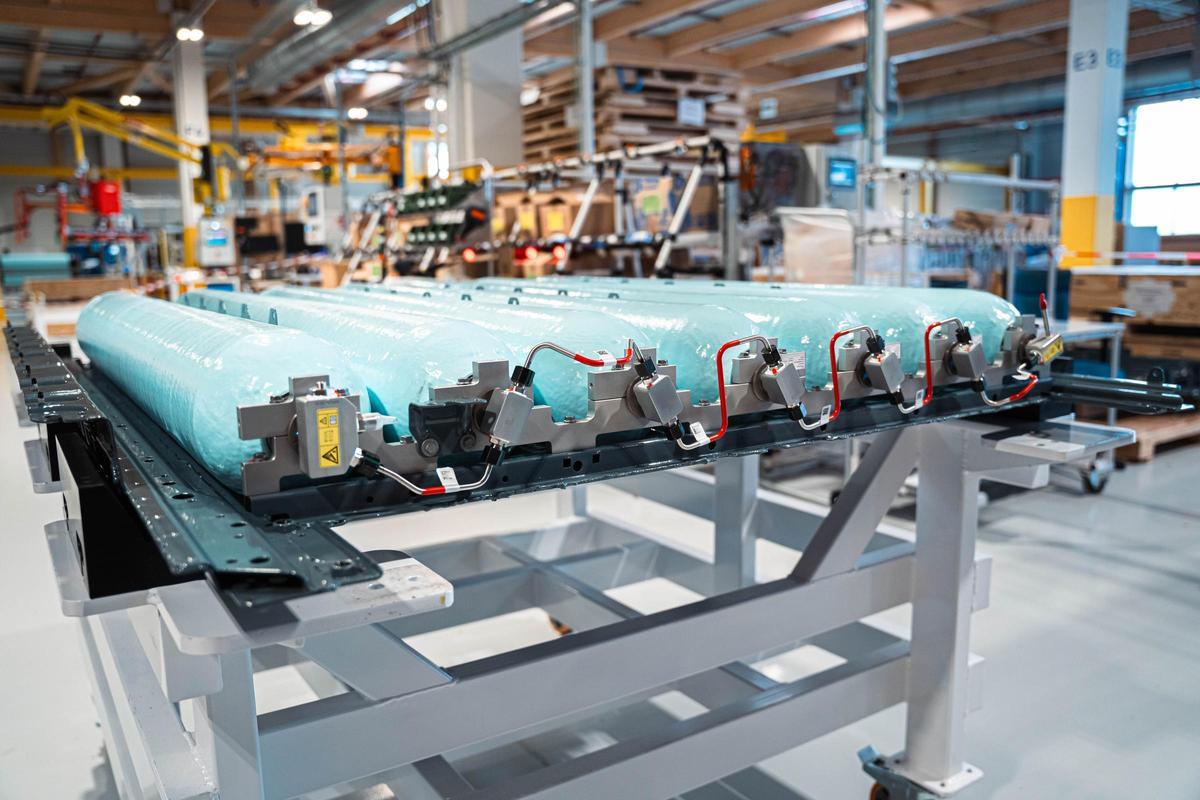
- Implications for fleet management.
The main consequence is that, by the time the hydrogen tanks reach their legal expiration date, the vehicle’s residual value is virtually zero.
It is recommended to implement the following measures.
- Vehicle residual value.
Due to the legal expiration of the tanks, the vehicle’s residual value is significantly reduced. After 15 years, the residual value is practically zero.
In a fleet, it is recommended to replace passenger cars or SUVs every 5–6 years or 150,000 kilometers, whichever comes first.
- Tank failures.
If a failure occurs and a tank needs to be replaced, the high cost is something to keep in mind when purchasing a hydrogen fuel cell vehicle.
- Vehicle warranty.
Vehicle manufacturers typically offer warranties ranging from 3 to 5 years and up to 100,000 kilometers, so if there is a malfunction with the tanks, it is covered by the warranty; depending on the country, there may be a warranty required by law.
However, to remain covered under the manufacturer’s warranty, maintenance must be performed at an authorized service center.
Once the warranty period ends, manufacturers usually offer extended warranties; it is recommended to purchase an extended warranty.
Additionally, some manufacturers renew the warranty annually, typically up to 15 years, as long as maintenance is performed at an authorized service center after the original warranty expires. These conditions vary by country.
- Vehicle insurance.
Make sure your insurance policy covers hydrogen tanks in the event of an incident or accident that requires them to be replaced.
- Purchasing used hydrogen-powered vehicles.
Before purchasing a used hydrogen-powered vehicle, it is essential to verify the remaining service life of the tanks before finalizing any transaction.
Slide 3. Thank you for your time.
The class has developed the legal service life of hydrogen tanks and its implications for fleet management, see you soon.