

New Testing Standards for Electric Vehicle Batteries.
China has emerged as the world’s leading power in the field of electric vehicles. Effective July 1, 2026, the country implemented the world’s most stringent battery regulations. Recent regulatory provisions require automakers and battery suppliers to demonstrate their systems’ ability to prevent fires or explosions, even in the event of a thermal runaway. This change represents a significant advance in safety that, due to the expansion of Chinese brands, will also have an impact on other regions of the world, such as Europe.
With the implementation of the recent national guidelines, designated as GB 38031-2025 and GB 18384-2025, safety standards have been significantly raised, applying to both traction batteries and electric vehicles themselves. Until now, Chinese national legislation required manufacturers to be able to detect a potential incident and notify the driver at least five minutes in advance before a fire or explosion could occur. From now on, that timeframe is no longer sufficient; therefore, the primary objective is to ensure that a battery experiencing thermal runaway does not catch fire or explode under any circumstances.
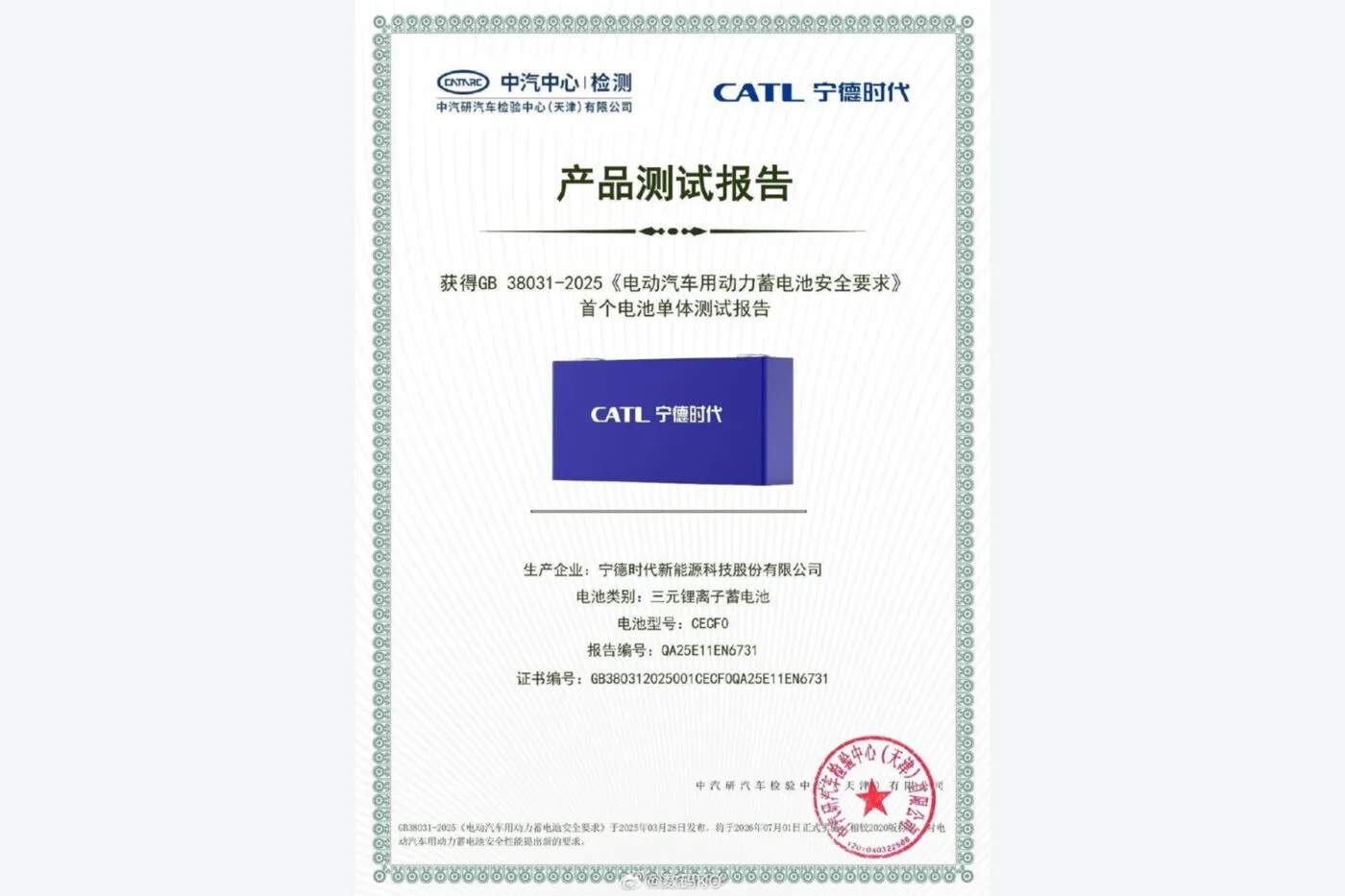
Much stricter regulations.
To demonstrate compliance with this requirement, manufacturers must pass new certification tests that simulate heat propagation within the battery pack. In addition to preventing fire or explosion, any smoke generated during the incident must not endanger the vehicle’s occupants—an aspect that had not previously been addressed with such a high level of rigor.
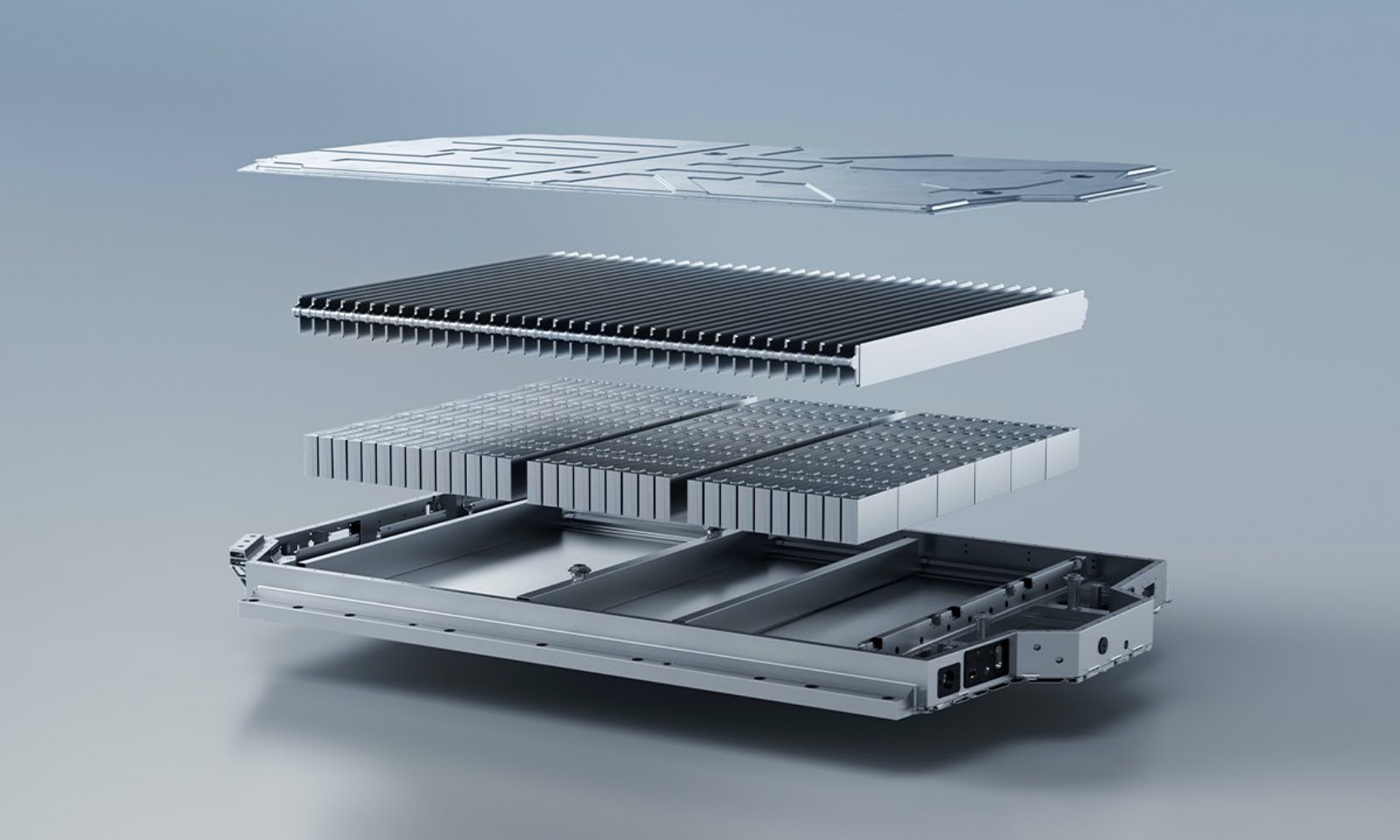
The revision of the regulations covers not only cell behavior but also incorporates new tests designed to evaluate the structural strength of batteries against impacts to the underside of the vehicle. This test takes on particular significance in the current context, where many manufacturers integrate the battery pack as an integral part of the vehicle’s structure through “cell-to-body” designs. In addition, batteries must demonstrate their durability after completing 300 fast-charging cycles before undergoing short-circuit testing, with the aim of verifying that they maintain their safety levels even after intensive use.
With regard to requirements that directly affect the vehicle itself, the new regulations mandate the inclusion of a physical system to disconnect the high-voltage circuit via a single manual actuation. Until now, power cutoff has in most cases depended on the vehicle’s control software, which could pose problems in the event of an accident that damages the main electronics. The main objective of this new requirement is to ensure that the electrical system can be isolated, even in extreme situations.
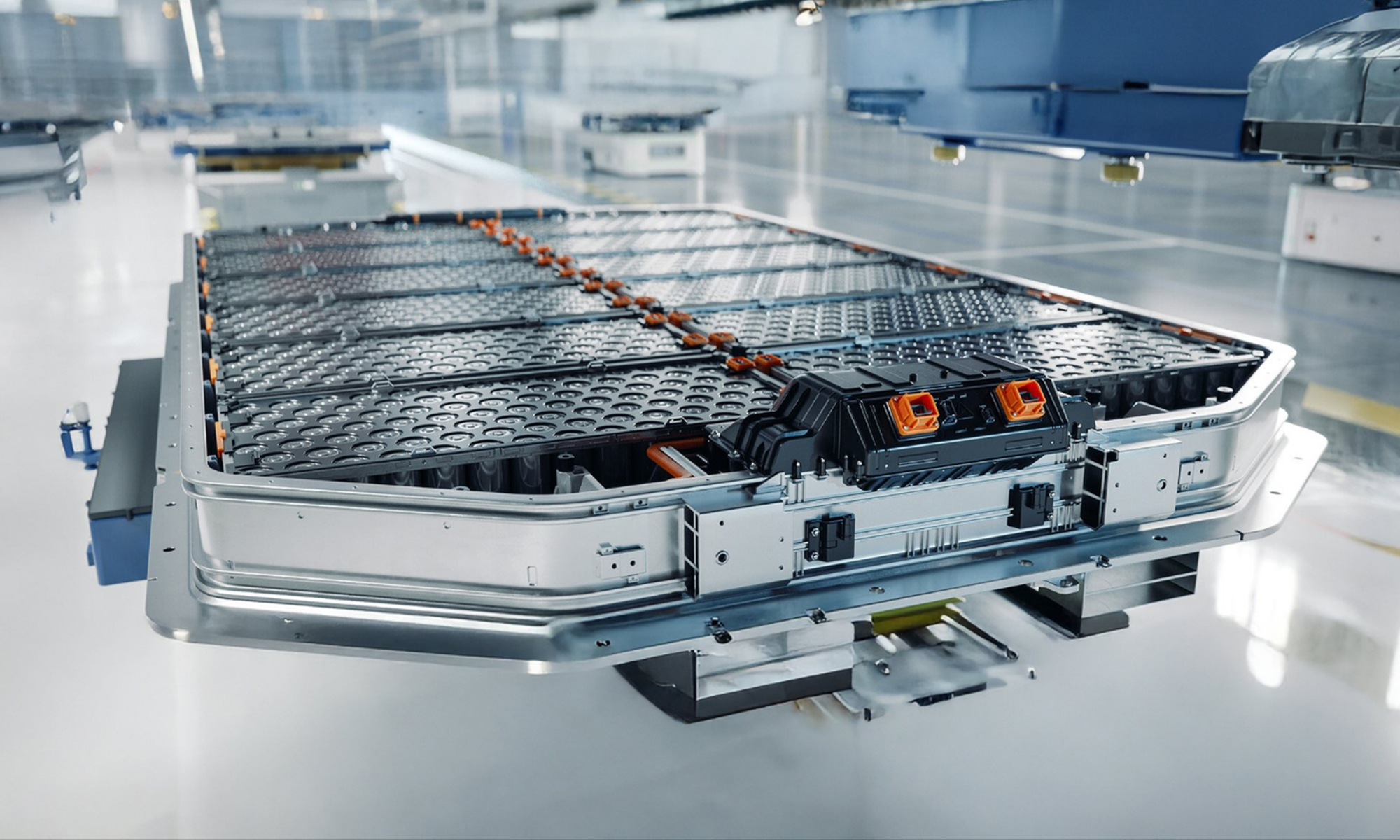
The consequences will not be long in coming.
As expected, the implementation of these standards will have a significant impact on the Chinese battery sector and, consequently, on the global market. Major manufacturers, such as CATL and BYD—which also supply other companies—claim to already have technologies capable of meeting the new standards. However, smaller companies may face greater difficulties in absorbing the increased investment required for research, development, and validation processes.
This change may have significant implications for new competitors’ ability to enter the sector and, in particular, may have a direct impact on operating costs. It is estimated that adapting batteries to the new regulations could increase the cost of energy storage systems by 15 to 20 percent.
This trend is expected to lead to a rise in the use of lithium iron phosphate (LFP) batteries over nickel-based batteries. According to the analysis conducted, LFP batteries naturally exhibit greater thermal stability. Consequently, the technical and financial effort required to meet the new requirements will be lower. This development could significantly consolidate their position in the Chinese market, where they currently account for the majority of batteries installed in electric vehicles.